Import vs Export of Bitumen in Congo DRC (2023 and 2024)
In 2023, Congo DRC imported USD 30,312.81 thousand worth of petroleum bitumen (HS code 271320). The quantity imported under that code in 2023 was 28,438,700 kilograms.
Breakdown of top partner countries supplying petroleum bitumen to Congo DRC in 2023:
| Exporter Country | Trade Value (USD thousands) | Quantity (kg) |
| United Arab Emirates | ~25,809.36 | ~21,239,600 kg |
| China | ~1,227.75 | ~1,469,930 kg |
| Tanzania | ~1,186.69 | ~1,993,680 kg |
| South Africa | ~573.50 | ~83,995 kg |
| Iraq | ~547.09 | ~1,001,960 kg |
| Angola, Iran, Bahrain, Uganda etc. also appear in smaller volumes. |
In 2023, Congo DRC’s export of petroleum bitumen (HS code 271320) was negligible, confirming the country’s position as a net importer of bitumen. According to trade data from WITS and World Bank Comtrade, Congo DRC imported over 28,438 tonnes of bitumen valued at USD 30.3 million, mainly from the UAE, China, and East African suppliers. While full-year data for 2024 bitumen imports and exports is not yet publicly verified, preliminary industry and port throughput reports indicate that bitumen demand in Congo DRC has remained stable or slightly increased due to ongoing infrastructure development projects. This suggests a consistent reliance on imported petroleum bitumen. The significant share from the United Arab Emirates highlights long-distance supply routes and higher logistics costs, while smaller import volumes from South Africa and nearby East African nations indicate potential opportunities for regional supply diversification, cost optimization, and enhanced trade efficiency in the coming years.
Key Ports in Congo DRC Handling Bitumen
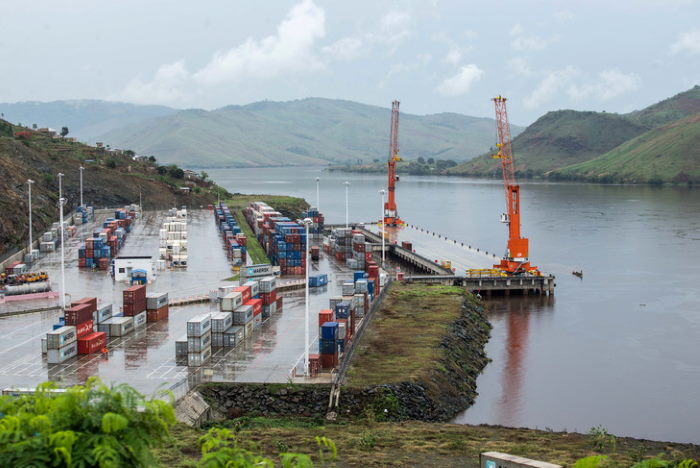
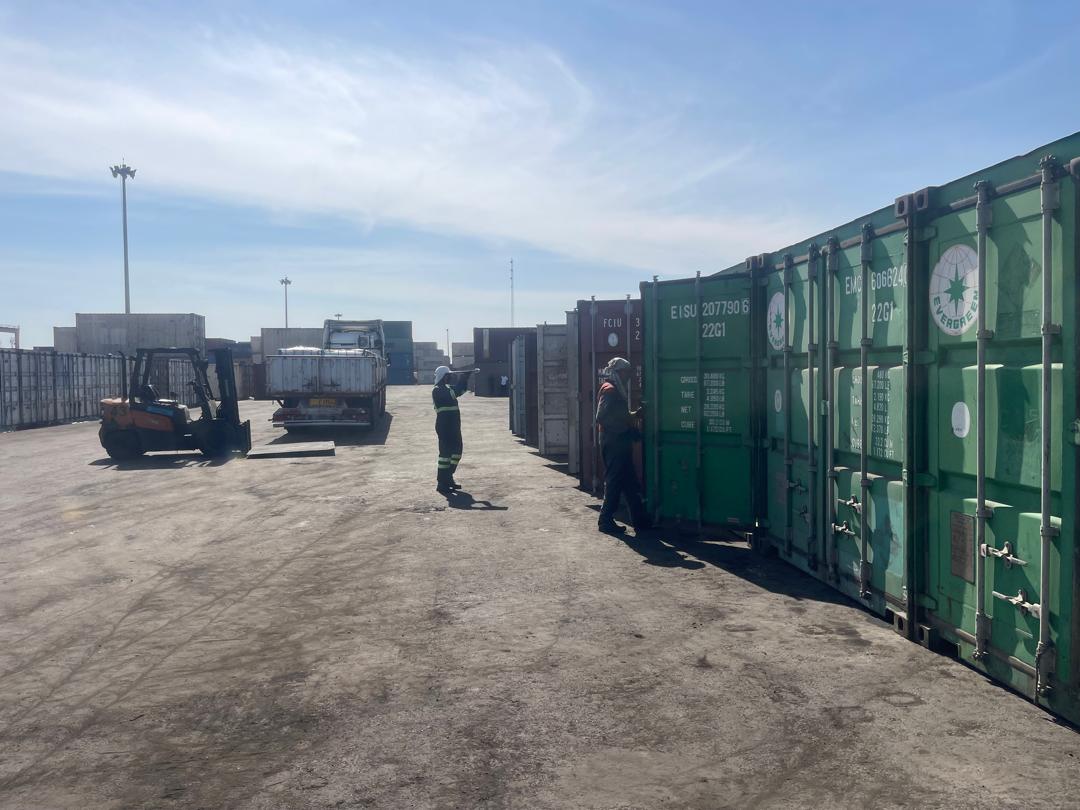
Matadi Gateway Terminal (MGT), Matadi Port
- Matadi Gateway Terminal (MGT) is the principal port terminal for maritime imports into Congo DRC. It is located about 150 kilometers upstream from the Atlantic Ocean on the Congo River.
- The terminal has modern infrastructure (mobile harbor cranes, real-time Terminal Operating System, electronic data interchange and billing) making it more efficient relative to older ports.
- In 2016, MGT began operations with two berths; it handles both containerized and general cargo. The terminal capacity is cited as ~175,000 TEU and ~350,000 tonnes general cargo per year under the original setup. There is a plan for expansion (Phase 2) to increase container capacity.
- In 2025, improvements include construction of a road link (2.65 km) between the port and key national routes to improve cargo flow.
- Also, there is a large contract (over €100 million) awarded to extend and renovate the container terminal in Matadi (to build a new 350-m long pile dock, access bridges, etc.), which will enhance handling capacity for heavy cargo, including potentially bulk and break-bulk bitumen shipments.
Other Ports in Congo DRC
- Port of Boma: located downstream from Matadi, on the Congo River near Banana. It handles some volume of imports/exports and liquid/bulk cargo.
- Port of Banana: at the mouth of the Congo River, important for deepwater access; smaller draft compared to Matadi for large vessels.
- These supplementary ports are useful especially when Matadi is congested or when smaller vessels shore-call. However, their capacity, draft, and handling infrastructure are more limited, making Matadi the preferred hub.
Port Performance & Efficiency
- Matadi is ranked among the top ten most efficient container ports in Africa (per recent reports) in terms of vessel turnaround, container handling, etc. This enhances its attractiveness as the import gateway for heavy materials, paving supplies, and bitumen.
- The ongoing expansion and modernization (road links, dock extension, etc.) are likely to reduce import lead time, lower handling costs (especially for break-bulk or heavy container shipments), and reduce losses or delays.
Packaging of Bitumen in Congo DRC
Because bitumen is a heavy, viscous product that often must be kept heated until installation (or safely stored), packaging decisions affect:
- freight cost per kg or tonne,
- loss during transport or storage,
- ease of handling at ports and on site,
- waste, safety, and environmental impact.
Here are the most used packaging types in Congo DRC and why they are preferred.
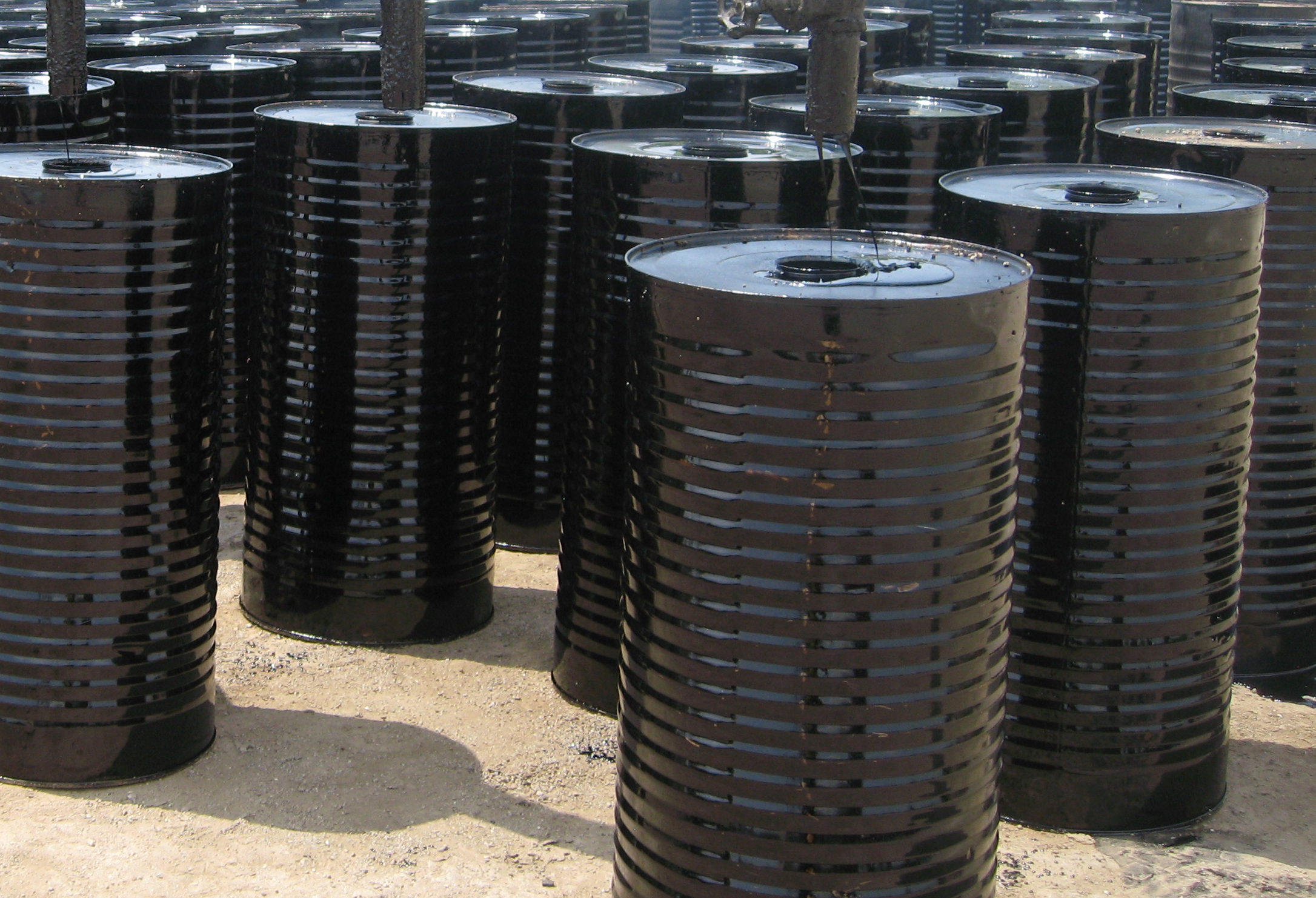
Steel Drums
- The traditional and perhaps most visible packaging form: steel drums are used extensively. Typical drum sizes are ~180-200 kg (net weight).
- They are durable, stackable, easy to handle in smaller shipments, and well understood by contractors.
- Drawbacks: heavier packaging weight, space inefficiency (lower payload per container), more surface area leads to greater heat loss or need for insulation/heating, risk of rust or damage, and handling safety issues.

Jumbo Bags / FIBCs (Flexible Intermediate Bulk Containers)
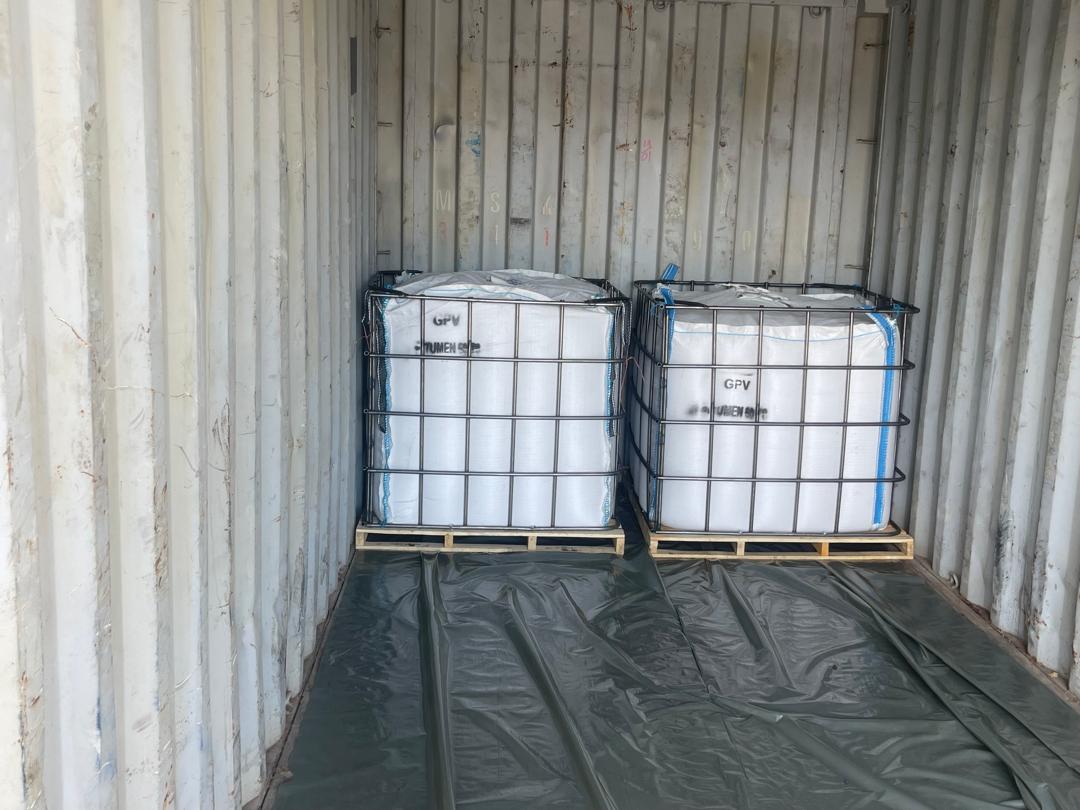
- Increasingly used especially for medium size orders. They are lighter than drums, reduce packaging waste relative to drums, and can be palletized for easier loading, unloading, and inland transport.
- Jumbo bags need careful handling to avoid puncture or damage, and usually need protective inner layers or liners to hold hot bitumen or to reduce exposure.
Bulk Shipments (Tankers, Flexitanks, Heated Tanks)
- For large infrastructure and paving projects (e.g., highways, airports, large municipal paving), bulk shipments are used.
- Bulk delivery requires receiving infrastructure: heated storage tanks, proper pumps, safety handling, and sometimes on-site heating or melting capacity.
- Bulk transport via road or river can significantly reduce cost per tonne but increases risk (losses, spills) if handling is not managed well.
Preferred Packaging in Congo DRC
Based on existing reports, port facilities, and contractor practices, the most used packaging in Congo DRC are:
- Steel drums when quantities are moderate or order sizes are small, often through container or break-bulk import.
- Jumbo bags for projects where drums are unwieldy and buyers have capacity to handle bulk melting.
Application of New Grades of Bitumen in Congo DRC
What are “new grades”?
“New grades” means:
- Polymer-Modified Bitumen (PMB) – binders enhanced with polymers to improve elasticity, rut resistance, temperature performance.
- Viscosity-graded bitumen (VG) types (e.g. VG30, VG40 etc.) instead of old penetration grades (e.g. 60/70, 80/100).
- Performance graded bitumen (PG) – more precise specification of temperature tolerance, thermal cracking, fatigue.
- Specialty bitumen: cutback, emulsions, oxidized bitumen for waterproofing or roofing, etc.
Adoption in Infrastructure Projects
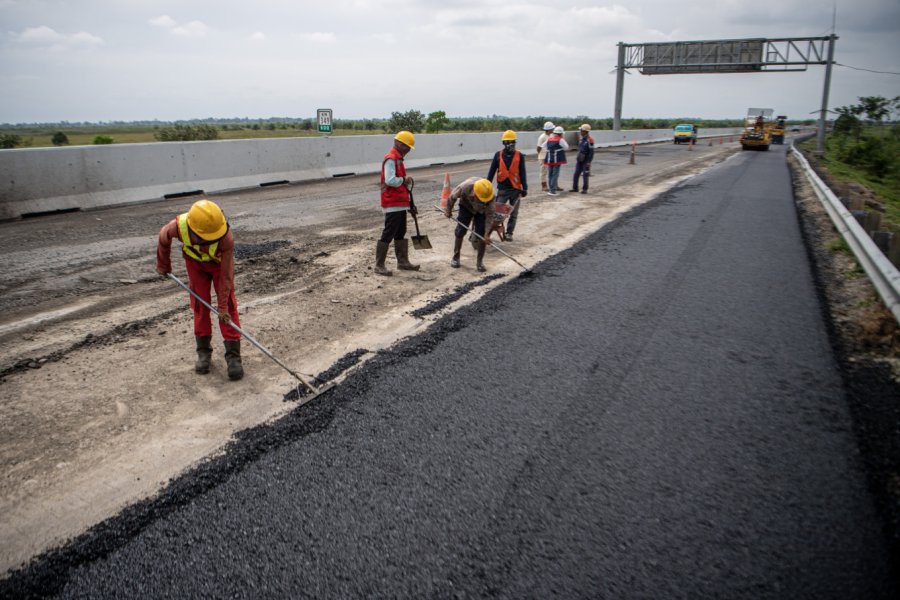
- Heavy traffic and climate zones: Congo DRC has large zones that are exposed to high rainfall, tropical heat, and heavy axle loads (e.g., international corridors, mining-adjacent roads). In those areas, contractors and government agencies are showing interest in PMB and higher viscosity grades to reduce rutting and improve lifespan.
- Urban and municipal works: For smaller capacity roads, residential roads, and non-arterial streets, traditional penetration grades (60/70, 80/100) remain prevalent due to lower cost and simpler procurement and handling systems.
- Pilot programs and specifications: Some recent projects (though not always publicly fully documented) have included provisions requiring more durable bitumen, such as PMB or VG grades, especially when financed by international donors or multilateral lenders. Contractors in Congo DRC often have to meet imported material specs.
- Roofing and waterproofing / specialty use: Grades like oxidized bitumen or bitumen emulsion are used in roofing, bridge sealing, waterproofing, or industrial works. These require different handling than road-grade bitumen: safe storage, possibly solvent or thermal cutbacks, special health and safety measures.
Challenges in New Grade Uptake
- Higher material cost: Polymer modification adds to cost, and transport of more specialized grades (with tighter quality control) often adds risk or cost.
- Handling and storage infrastructure: New grades often require more stringent temperature control (during shipment and before application), better heating/melting facilities at plant or site, which are not always available or reliable in some regions of Congo DRC.
- Technical know-how: Contractors and engineers must be familiar with mix designs for PMB, viscosity grading, etc. Quality control (tests for penetration, softening point, polymer content) must be done properly, which requires labs, expertise.
- Supply reliability: Suppliers must deliver consistent quality, and port, customs, and transportation must maintain that quality (temperature, contamination, mixing issues).
Detailed Port & Logistics Projects in 2023-2025 in Congo DRC
Matadi Port Terminal Enhancements
- In 2025, Matadi Gateway Terminal is undertaking major infrastructure upgrades including a 2.65-km road connecting the port to RN14-SEP Congo, to improve truck access and reduce container dwell time.
- Also, large investments are being made in expanding the container terminal: a new dock, workshop, logistic hub, access bridges etc., commissioned under contracts (~€100M) to improve handling of heavy / large sized cargo.
- Phase 2 of Matadi Gateway Terminal expansion is planned / underway, intended to more than double TEU capacity, with improvements in rail and road connectivity to Kinshasa and surrounding districts.

Port Performance & Efficiency Gains
- Matadi has been recognized recently among the top ten efficient container ports in Africa in performance metrics, which helps reduce cost and delays for large imported goods such as bitumen.
- Efforts such as dredging, channel dredging to allow larger vessels to dock more directly, are under discussion.
Trade Partners & Supply Sources for Bitumen into Congo DRC
From the 2023 import data (for HS 271320 – petroleum bitumen), the major supplying countries were:
- United Arab Emirates — by far the largest, supplying most of Congo DRC’s petroleum bitumen imports, both in value and mass.
- China — smaller in value but present.
- Tanzania — also significant among regional traders.
- South Africa — smaller share for petroleum bitumen, likely higher for related materials (asphalt mixtures, etc.).
These supply sources are critical; dependence on distant sources (e.g. UAE) increases shipping time, cost, and risk. Regional suppliers (East & Southern Africa) play a role in complementing supply.
International financiers or donors (e.g. development banks) sometimes impose quality or performance requirements that favor bitumen from sources with certification, labs etc., so partnerships with suppliers that can meet such specifications are important.
Bitumen Types & Grades Common in Congo DRC Infrastructure
To understand consumption, one must understand what types/grades are used:
| Grade Type | Description | Use in Congo DRC | Advantages / Issues |
| Penetration grades (e.g., 60/70, 80/100) | Traditional grades measured by needle penetration at a standard temp. | Most commonly used for ordinary roads, local streets, lower traffic roads. Less expensive and familiar to contractors. | Cheap, easy to source; but lower resistance to high temperatures and rutting. |
| Viscosity-graded bitumen (VG}) | Defined by viscosity at certain temps; higher VG (VG30, VG40) better for heavy loads and hot climate. | Emerging: project specs sometimes require VG-30/VG-40 for highway segments or heavy traffic corridors. | Better performance, more durable; cost and handling higher. |
| Polymer-modified bitumen (PMB) | Bitumen modified with polymers (e.g. SBS, APP) to improve elasticity, reduce deformation, cracking. | Used in major roads, bridges, sometimes airport or high-stress zones, especially when funding or external standards demand higher quality. | Expensive, requires good QC; infrastructure required for handling. |
| Performance Grade (PG) | More refined spec based on climate extremes and load expected. | Less commonly used fully as PG by spec (due to testing and certification constraints), but becoming more requested. | Very good performance, but widespread adoption constrained. |
| Specialty types (cutbacks, emulsions, oxidized) | For waterproofing, roofing, tack coats, cold mix etc. | Used in urban construction, non-paved road maintenance, minor repairs. | Less usage volume; handling safety and application constraints. |
While detailed public records of which exact grade volumes are used in each project are rare, contractors’ tender specs and donor-funded infrastructure documents (when available) indicate growing interest in VG and PMB grades for roads with high load and poor climatic resistance.
Bitumen Consumption Patterns & Demand Drivers
Infrastructure Development & Government Policy
- The DRC government has ambitious road-expansion plans, including paving or improving major corridors connecting the mining regions, urban centres, and cross-border trade routes.
- International donor or lender financed projects often require stronger materials, more durable road surfaces, which drive demand for higher performance bitumen grades and more reliable supply.
Climatic and Geographic Challenges
- Congo DRC has tropical and equatorial climate zones with heavy rainfall, high humidity, and sometimes high temperatures, which affects pavement performance.
- Regions with heavy rainfall require better water shedding, drainage, and more durable binder grades to avoid washed-out roads and potholes.
- The geography of the country (long distances, often poor roads, river-transport reliance) means that logistics cost and safety are significant; loss or deterioration during transit (heat loss, oxidation, contamination) can reduce effective consumption.
Urbanization & Maintenance
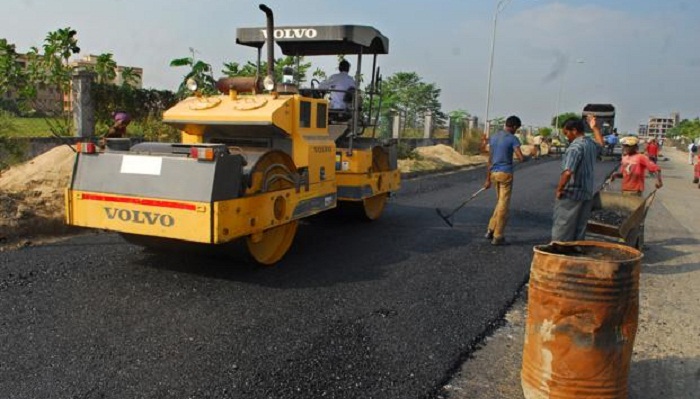
- Growing urbanization in Kinshasa and other cities creates demand not only for new roads but also for maintenance, resurfacing, sealing, and pothole repair. These secondary uses often use smaller volumes but frequent smaller-scale supplies (drums, emulsions).
- Municipal budgets and capacity (both financial, technical, and equipment) often limit the grade of bitumen used, favouring cheaper grades for maintenance vs premium materials for new constructions.
Trade & Supply Cost
- Import cost (shipping, customs duties, transport from port to site), import delays, and port handling influence the total cost of bitumen per tonne at site.
- The improvements in port infrastructure (Matadi expansion, improved road access) can reduce delays and overland transport cost, which could reduce the landed cost of bitumen and encourage adoption of more advanced grades.
Statistics Summary & Known Figures (2023) for Bitumen in Congo DRC
| Metric | Value (2023) | Notes |
| Import value of petroleum bitumen (HS 271320) | USD 30,312.81 thousand (~ USD 30.31 million) | Includes shipments from UAE, China, Tanzania, etc. |
| Quantity imported under HS 271320 | ~28,438,700 kg (~28,439 tonnes) | This is mass, useful for cost per kg/tonne calculations. |
| Top partner (exporter) | United Arab Emirates | Major portion of the value and quantity. |
| Port capacity / TEU handling (Matadi, as of pre-expansion) | ~175,000 TEU annually (with future expansion planned) | For container cargo at Matadi Gateway Terminal. |
| General cargo tonnage capacity at Matadi | ~350,000 tonnes | For general cargo volumes (including break-bulk, heavy items) at MGT under the original phase. |
Note: No verified full-year HS-level data yet for 2024 for all bitumen/asphalt categories (petroleum bitumen, asphalt mixtures, etc.).
Recommendations & Opportunities for Bitumen Supply & Use in Congo DRC
Based on the data and patterns seen, these are suggestions for various stakeholders (government, contractors, suppliers):
-
Enhance Port-to-Site Logistics
- Expedite completion of road links from Matadi port to major national roads (e.g., RN14-SEP) to reduce inland transport costs.
- Improve storage facilities (heated tanks, protected storage) near port and along major road corridors to reduce wastage and delays.
-
Promote Use of Higher Performance Grades
- For heavy traffic roads and international corridors, enforce or incentivize using VG-grade or polymer-modified bitumen to reduce lifecycle costs.
- Include PMB requirements in tender specifications especially when projects have donor/lender financing.
-
Encourage Regional Supply Sources
- Diversifying import sources reduces risk of supply disruption and transportation—and potentially cost. Suppliers in East/Southern Africa could play bigger roles.
- Possibly setting up regional distribution centers or local blending/modification plants to reduce transportation of heavy, bulky, or heat-sensitive material.
-
Packaging Optimization
- For small/medium contractors, promote shift from drums to jumbo bags where feasible to economize packaging weight and handling.
- For large projects, aim for bulk shipments with proper infrastructure to handle them.
-
Quality Assurance and Technical Training
- Strengthen testing labs, quality control for grades (penetration, viscosity, softening point, polymer content).
- Train contractors and engineers in mix designs for VG and PMB, including field trials.
-
Regulatory & Policy Support
- Government can set desirable minimum bitumen grade standards for projects financed publicly or with external funding.
- Tariff / duty adjustments may help reduce landed cost for premium grades.
-
Data Transparency & Trade Monitoring
- Support publication of annual trade statistics (by HS code) for all bitumen/asphalt categories.
- Improve customs procedures and classification transparency to avoid delays.

Conclusion — Bitumen consumption in Congo DRC
Bitumen consumption in Congo DRC, bitumen consumption in Congo DRC, in 2023 reveals strong dependence on imported petroleum bitumen, with over USD 30 million in value and nearly 28,500 tonnes imported under HS 271320. The imports come largely from United Arab Emirates, China, Tanzania, among others. Export of bitumen is negligible, making Congo DRC firmly a net importer. Port infrastructure—especially at Matadi Gateway Terminal—is improving, with capacity expansions, terminal modernization, and better road connections. These improvements are likely to reduce logistic costs and increase reliability. Packaging practices remain mixed: drums are common, jumbo bags gaining traction, bulk shipments used where possible. New grades (VG-grades, PMB, performance grades) are being adopted gradually, especially for higher-demand projects, though cost, technical capability, and handling infrastructure pose constraints.
For Congo DRC to continue improving infrastructure efficiently, there is opportunity for policy interventions, supply chain improvements, and capacity building. The gap between current usage and potential for better grade materials remains, and closing that gap could yield large benefits in pavement durability, lower maintenance, and better road quality.