Bitumen 60/70 vs PMB in Vietnam: Which One is Right for Expressways?
Vietnam’s rapidly expanding expressway network demands high-quality paving materials that can withstand heavy traffic loads and challenging tropical climate conditions. The choice between conventional Bitumen 60/70 and Polymer Modified Bitumen (PMB) has become a critical decision for contractors, engineers, and government agencies involved in road construction projects. This comprehensive guide explores both materials to help you make the right choice for Vietnamese expressway construction.

Understanding Bitumen 60/70 in Vietnamese Road Construction
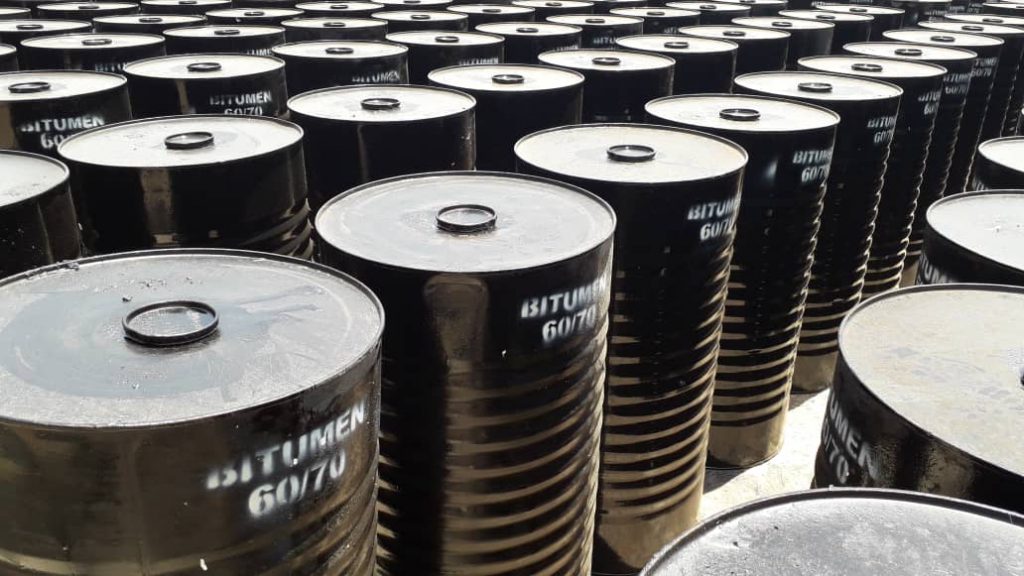
Bitumen 60/70, also known as penetration grade bitumen, represents one of the most widely used paving materials in Vietnam’s road construction industry. The numbers 60/70 indicate the penetration depth in tenths of millimeters when a standard needle is applied under specific conditions (25°C temperature, 100g load, 5 seconds duration).
Key Properties of Bitumen 60/70
Bitumen 60/70 is one of the most common grades in Vietnam, particularly used in the building of asphalt pavements and road surfacing. It is highly viscous and durable, making it extremely suitable for Vietnam’s humid climate, where there is high rainfall that can result in road damage. The material offers several important characteristics:
Physical Properties:
- Penetration range: 60-70 dmm at 25°C
- Softening point: Typically 46-56°C
- Viscosity: Moderate to high
- Ductility: Minimum 100 cm at 25°C
- Flash point: Minimum 230°C
Performance Characteristics: The conventional bitumen grade performs adequately in moderate traffic conditions and provides reasonable resistance to weathering. Its semi-hard consistency makes it suitable for various climatic conditions, though it has limitations in extreme temperatures.
Applications in Vietnamese Infrastructure
Asphalt bitumen grade 60/70, 100% new goods conforming to the standard according to tcvn 7493.2005 directive 13 / ct-bgtvt. This grade is commonly used for:
- Urban road construction
- Rural highway development
- Airport runways (in specific applications)
- Bridge deck surfacing
- Industrial road paving

Polymer Modified Bitumen (PMB): The Advanced Solution
Polymer Modified Bitumen represents the next generation of paving materials, engineered to overcome the limitations of conventional bitumen through the addition of polymer modifiers. In VIETNAM, demand for eco-friendly PMB is rising as industries and governments prioritize green construction materials.
Understanding PMB Technology
PMB is more elastic than traditional bitumen, thanks to the inclusion of elastomeric polymers. This increased elasticity allows PMB to regain its original shape after being deformed, enhancing its resistance to rutting and fatigue cracking.
Types of Polymer Modifiers:
- Styrene-Butadiene-Styrene (SBS) – Most common for road construction
- Styrene-Butadiene Rubber (SBR)
- Ethylene Vinyl Acetate (EVA)
- Natural rubber latex
- Recycled tire rubber (CRMB)
Enhanced Properties:
- Superior elasticity and flexibility
- Improved temperature susceptibility
- Enhanced fatigue resistance
- Better adhesion properties
- Reduced aging and oxidation
PMB Standards in Vietnam
Colflex® PMB complies with National Standard 22TCN 319-04, indicating that Vietnam has established specific technical standards for PMB use in road construction projects. This standardization ensures consistent quality and performance across different suppliers and applications.
Comparative Analysis: Bitumen 60/70 vs PMB for Expressways
Performance Under Traffic Loading
Heavy Traffic Resistance: PMB significantly outperforms conventional bitumen 60/70 in heavy traffic conditions. The polymer modification provides enhanced rutting resistance, crucial for expressways that experience continuous heavy vehicle loading. While bitumen 60/70 may develop permanent deformation under repeated heavy loading, PMB maintains its structural integrity.
Fatigue Resistance: Expressway pavements undergo millions of load cycles throughout their service life. PMB’s superior fatigue resistance translates to longer pavement life and reduced maintenance requirements compared to conventional bitumen 60/70.
Climate Considerations for Vietnam
Temperature Performance: Vietnam’s tropical climate presents unique challenges with high temperatures and intense rainfall. PMB performs better across wider temperature ranges, maintaining stability in Vietnam’s hot climate while providing flexibility during cooler periods.
Moisture Resistance: Both materials face challenges from Vietnam’s high humidity and frequent rainfall. However, PMB’s improved adhesion properties and moisture resistance make it more suitable for areas with heavy precipitation and flooding risks.
Economic Analysis
Initial Investment: Bitumen 60/70 offers lower upfront costs, making it attractive for budget-conscious projects. However, this short-term saving must be weighed against long-term performance benefits.
Life Cycle Costs: PMB products are cost-efficient in the long run, as they reduce the frequency of maintenance while also ensuring safety and comfort for their road users. The extended service life and reduced maintenance requirements of PMB often result in lower total ownership costs over the pavement’s lifetime.
Maintenance Requirements: Conventional bitumen 60/70 typically requires more frequent maintenance interventions, including:
- Surface treatments every 3-5 years
- Pothole repairs
- Crack sealing
- Overlay replacement
PMB-constructed pavements may extend these intervals significantly, reducing traffic disruptions and maintenance costs.
Technical Specifications and Standards
Vietnamese Standards Compliance
Both materials must comply with Vietnamese national standards:
Bitumen 60/70:
- TCVN 7493:2005 for penetration grade bitumen
- Ministry of Transport specifications
- Local provincial requirements
PMB:
- 22TCN 319-04 for polymer modified bitumen
- International standards adaptation (EN 14023)
- Project-specific requirements
Quality Control Requirements
Testing Protocols: Regular quality control testing ensures material compliance including:
- Penetration testing
- Softening point determination
- Ductility measurements
- Viscosity testing
- Polymer content verification (for PMB)

Environmental Considerations
Sustainability Factors
Adoption of Warm Mix Polymer Modified Bitumen: Warm mix PMB requires lower heating temperatures during application, reducing fuel consumption and emissions. This environmental benefit aligns with Vietnam’s commitment to sustainable development practices.
Environmental Benefits of PMB:
- Lower production temperatures
- Reduced energy consumption
- Decreased emissions during construction
- Longer service life reducing resource consumption
- Potential for recycled content
Climate Impact
Vietnam’s commitment to reducing carbon emissions makes PMB an attractive option for large infrastructure projects, particularly expressways that represent significant material investments.

Recommendations for Vietnamese Expressways
When to Choose Bitumen 60/70
Conventional bitumen 60/70 remains appropriate for:
- Rural expressway sections with lighter traffic
- Budget-constrained projects with shorter design life
- Areas with established conventional construction practices
- Projects where initial cost is the primary consideration
When to Choose PMB
PMB is recommended for:
- High-traffic expressway corridors
- Urban expressway sections
- Areas with extreme weather conditions
- Projects prioritizing long-term performance
- Sections requiring superior rutting resistance
Hybrid Approaches
Consider using PMB for critical sections (heavy traffic zones, climbing lanes, intersections) while using bitumen 60/70 for standard sections to optimize both performance and cost.
Implementation Best Practices
Construction Considerations
Temperature Control: Proper temperature management during mixing, transportation, and laying is crucial for both materials but especially critical for PMB to maintain polymer properties.
Equipment Requirements: PMB may require specialized mixing equipment and modified construction practices compared to conventional bitumen 60/70.
Quality Assurance: Implement comprehensive quality control programs including material certification, testing protocols, and performance monitoring.
Future Trends and Market Outlook
The global polymer modified bitumen market size was valued at USD 12.86 billion in 2023 and is projected to grow at a CAGR of 4.0% from 2024 to 2030. This growth trend suggests increasing adoption worldwide, including in Vietnam’s infrastructure sector.
Emerging Technologies
- Bio-modified bitumen alternatives
- Recycled polymer integration
- Smart pavement technologies
- Warm mix advancements

Conclusion
The choice between Bitumen 60/70 and PMB for Vietnamese expressways depends on multiple factors including traffic loading, climate conditions, budget constraints, and long-term performance requirements. While conventional bitumen 60/70 offers cost advantages for certain applications, PMB provides superior performance characteristics essential for high-traffic expressways in Vietnam’s challenging climate.
For most expressway applications in Vietnam, PMB represents the optimal choice due to its enhanced durability, reduced maintenance requirements, and superior performance under heavy traffic loading. The higher initial investment is typically offset by lower life-cycle costs and improved user safety.
Project stakeholders should conduct detailed feasibility studies considering local conditions, traffic projections, and economic factors to determine the most appropriate material for each specific expressway section. The trend toward PMB adoption in Vietnam’s infrastructure development reflects the country’s commitment to building world-class transportation networks that can support long-term economic growth.
As Vietnam continues expanding its expressway network, the strategic use of advanced materials like PMB will be crucial for creating durable, sustainable transportation infrastructure that serves the nation’s development goals while providing value for taxpayers and road users alike.