Vietnam’s Dynamic Bitumen Market
Vietnam’s dynamic bitumen market has experienced notable changes, driven by the country’s growing infrastructure needs. Bitumen is a key material for road construction, roofing, and industrial applications. In recent years, the balance between imports and exports, the role of key ports, and the adoption of new bitumen grades have shaped the market landscape. Packaging innovations also play a significant role in addressing logistical and environmental concerns.
Bitumen Consumption in Vietnam: Imports and Exports
The bitumen consumption in Vietnam is heavily influenced by its infrastructure development projects, including roads, bridges, and urban expansion. In 2023, Vietnam’s bitumen imports surpassed its exports due to the country’s reliance on foreign supplies to meet increasing demand. Data indicates that over 1.2 million tons of bitumen were imported, primarily from regional suppliers like South Korea, Singapore, and China.
Moving into 2024, import figures are expected to rise further, reaching approximately 1.4 million tons, reflecting Vietnam’s ambitious infrastructure goals under its long-term development plans. Exports remain minimal, with only niche markets being served, as domestic demand takes precedence. While exports contribute marginally to the market, they mostly target neighboring countries, including Cambodia and Laos.
Main Ports in Vietnam for Bitumen Trade
Vietnam’s strategic location and extensive coastline have given rise to several key ports that handle bitumen imports and exports. These main ports facilitate the seamless flow of Bitumen trade across the country.
- Cat Lai Port (Ho Chi Minh City): A major hub for bitumen imports, particularly from Southeast Asia.
- Hai Phong Port (Northern Vietnam): Serves the growing demand in the industrial northern provinces.
- Da Nang Port (Central Vietnam): A crucial transit point for both imports and exports to neighboring countries.
Efficient port operations, supported by advanced logistics infrastructure, enable Vietnam to meet its increasing bitumen demand. A general logistics reference, such as Vietnam Logistics, provides insights into the operational efficiencies of these ports.
Most Used Packaging for Bitumen in Vietnam
Bitumen packaging is a critical factor in Vietnam’s supply chain, ensuring safe transportation and minimal wastage. The most used packaging types include:
-
- Widely used due to their durability and suitability for bulk storage.
- Preferred for long-distance transportation, especially by sea.

Bitumen Drums
-
- Increasingly popular in Vietnam due to environmental benefits and ease of handling.
- Made of thermo-plastic materials, these bags melt during processing, eliminating waste.
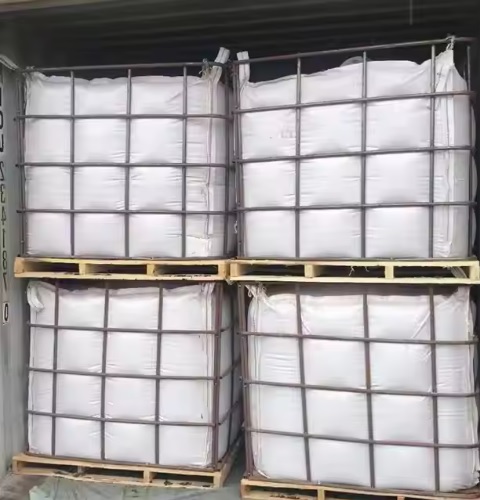
Jumbo bags in Vietnam
-
- Used for large-scale projects where immediate application is required.
- Ensures temperature control and reduced handling costs.

Bitumen Tanker in Vietnam
The choice of packaging often depends on the intended application and transportation distance. The trend toward jumbo bags reflects Vietnam’s move toward more sustainable practices.
Applications of New Generation of Bitumen in Vietnam
The adoption of new generation of bitumen has revolutionized Vietnam’s infrastructure sector, enhancing the quality and longevity of construction projects. These grades include Polymer Modified Bitumen (PMB) and Viscosity-Graded Bitumen (VG), which offer superior performance compared to traditional bitumen.
Benefits of New Bitumen Generation:
While the need for new generation of bitumen in requires, their benefits can be described as:
- Polymer Modified Bitumen (PMB):
- Enhanced resistance to rutting, cracking, and thermal stress.
- Ideal for Vietnam’s extreme weather variations, from tropical heat to heavy rainfall.
- Viscosity-Graded Bitumen (VG):
- Ensures uniform performance under diverse conditions.
- Reduces the frequency of maintenance for roads and highways.
Key Applications in Vietnam:
The key application of Bitumen in Vietnam can be addressed as:
- Highways and Expressways:
- PMB is widely used in Vietnam’s highway projects, including the North-South Expressway, ensuring durability and reduced maintenance.
- Urban Roads:
- New bitumen grades help minimize disruptions caused by road repairs in bustling cities like Hanoi and Ho Chi Minh City.
- Industrial and Airport Infrastructure:
- High-performance bitumen grades are used for airport runways, industrial zones, and heavy-load areas.
Key Drivers of Bitumen Consumption in Vietnam
Several key drivers contribute to the rising consumption of bitumen in Vietnam, including:
- Government Infrastructure Projects:
- Major projects under the Transport Infrastructure Development Plan.
- Growing Urbanization:
- Rapid urbanization in cities demands robust roads and drainage systems.
- Climate Considerations:
- Vietnam’s diverse climate requires advanced bitumen solutions to withstand tropical storms, floods, and temperature variations.
Emerging Trends in Vietnam’s Bitumen Industry
Vietnam’s Bitumen industry has shown significant changes in the following emerging trends, and can be noted as:
Sustainability and Environmental Awareness:
- The shift toward eco-friendly packaging like jumbo bags aligns with Vietnam’s sustainability goals.
- Research into recyclable and bio-based bitumen is gaining traction.
Digital Transformation:
- Improved digital tracking systems at ports enhance the efficiency of bitumen logistics.
- Adoption of smart sensors in road construction to monitor bitumen performance.
Regional Partnerships:
- Strengthened trade relationships with South Korea, Singapore, and India to ensure a steady supply of quality bitumen.
Conclusion: A Growing Market with Diverse Opportunities
Vietnam’s bitumen consumption reflects a growing, dynamic and rapidly evolving market. The increased reliance on imports, efficient use of major ports, and adoption of innovative packaging solutions highlight the industry’s adaptability. Hence, the application of new bitumen grades like PMB ensures that Vietnam’s infrastructure can meet modern demands while withstanding environmental challenges.
As Vietnam continues its journey toward becoming a regional infrastructure leader, the bitumen market remains a cornerstone of its development efforts, poised for sustained growth in the years ahead.