Impact of Oil Prices on Bitumen Market: Trends, Challenges, and Future Outlook
Introduction
The global bitumen market is closely tied to crude oil prices, making it one of the most dynamic and sensitive sectors in the construction and energy industries. Bitumen, a byproduct of crude oil refining, derives its cost structure largely from fluctuations in crude oil markets. As a result, any volatility in oil prices directly affects bitumen production costs, supply chains, and overall market dynamics.
Understanding the impact of oil prices on the bitumen market is essential for contractors, importers, suppliers, and infrastructure planners. From pricing strategies to procurement decisions, oil price movements shape every aspect of the bitumen industry.
In this article, we will explore how oil price fluctuations influence the bitumen market, examine key challenges, and analyze future trends.

What Is the Relationship Between Oil Prices and Bitumen?
Bitumen is produced during the refining of crude oil, particularly from heavier fractions. Because of this, its pricing is inherently linked to crude oil benchmarks such as Brent and WTI.
When crude oil prices rise:
- Refining costs increase
- Bitumen prices typically go up
- Transportation and logistics costs also increase
When crude oil prices fall:
- Bitumen becomes more affordable
- Demand often increases
- Margins for suppliers may fluctuate
However, the relationship is not always linear. Refinery configurations, regional demand, and supply constraints also influence bitumen pricing.
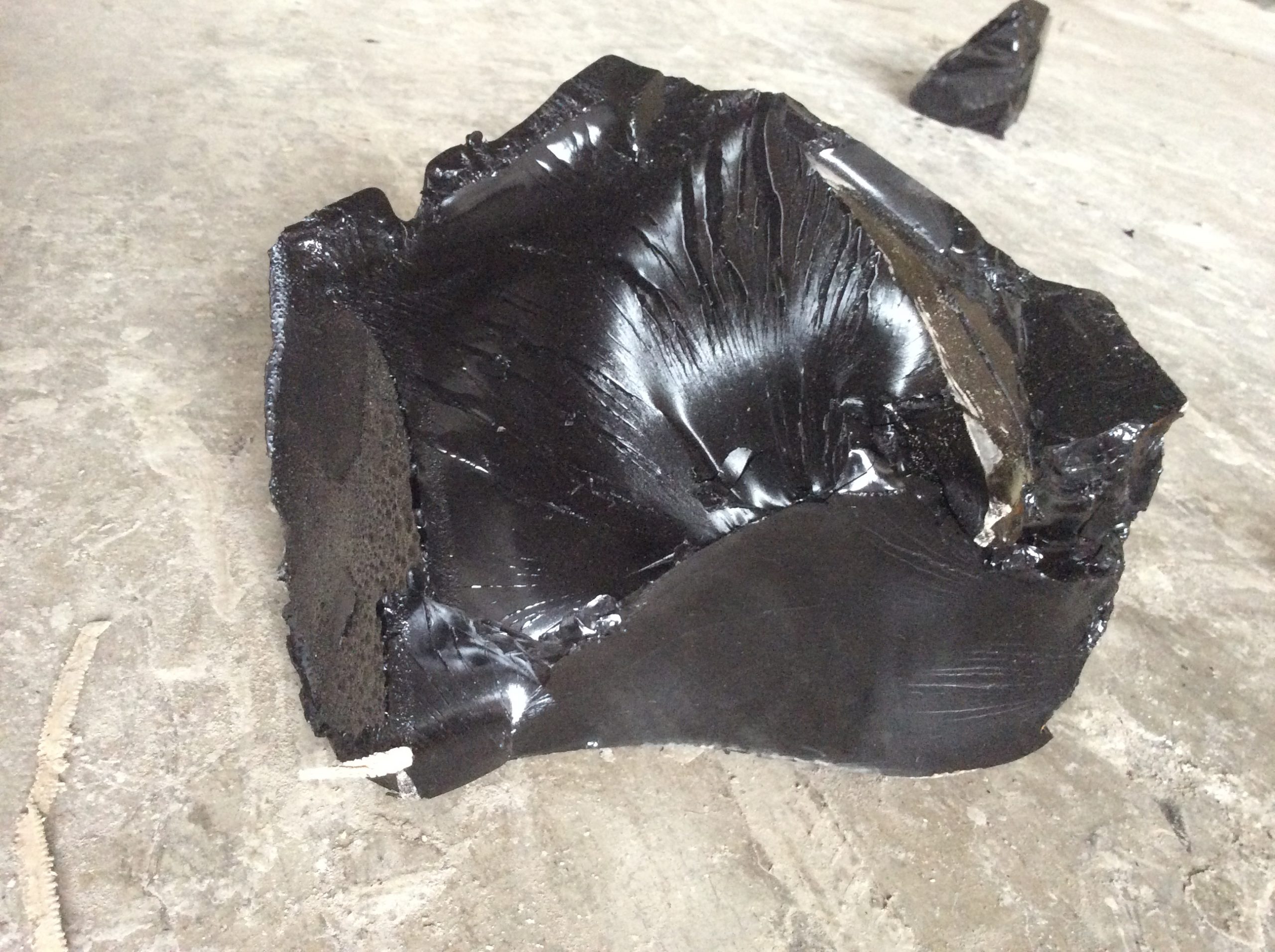
How Rising Oil Prices Affect the Bitumen Market
1. Increased Production Costs
Higher crude oil prices lead to increased refining costs. Since bitumen is derived from crude oil residues, its base cost rises accordingly. This directly impacts suppliers and exporters who must adjust their pricing structures.
2. Higher Transportation and Logistics Expenses
Oil price increases also affect fuel costs for shipping and transportation. This results in:
- Higher freight rates
- Increased inland transportation costs
- Elevated CIF and CFR prices
For import-dependent countries, this can significantly increase project costs.
3. Reduced Demand in Price-Sensitive Markets
In developing regions, infrastructure projects are often budget-constrained. When bitumen prices rise due to high oil prices:
- Governments may delay projects
- Contractors may reduce consumption
- Demand may temporarily decline
This creates volatility in global demand patterns.
4. Pressure on Long-Term Contracts
Long-term supply agreements may face challenges during periods of oil price volatility. Suppliers and buyers must renegotiate terms to account for:
- Price adjustments
- Flexible payment structures
- Risk-sharing mechanisms

How Falling Oil Prices Influence the Bitumen Market
1. Lower Bitumen Prices
When oil prices decline, bitumen becomes more affordable. This often leads to:
- Increased demand
- Acceleration of infrastructure projects
- Higher consumption in emerging markets
2. Reduced Profit Margins for Producers
While lower prices benefit buyers, they can reduce margins for producers and refiners. Some refineries may:
- Shift production to more profitable products
- Reduce bitumen output
This can create supply imbalances.
3. Increased Competition
Lower prices often intensify competition among suppliers. Exporters may:
- Offer discounts
- Improve payment terms
- Expand into new markets

Key Factors That Influence the Relationship
1. Refinery Configuration
Not all refineries produce bitumen in the same way. Some are optimized for fuel production, while others focus on heavy residues. This affects how oil price changes impact bitumen availability.
2. Regional Supply and Demand
Local market conditions play a major role. For example:
- High demand in Africa or Asia can keep prices elevated
- Oversupply in certain regions can push prices down
3. Seasonal Demand
Bitumen demand is highly seasonal, especially in road construction. Peak demand periods may:
- Amplify price increases during high oil prices
- Stabilize prices during low oil price periods
4. Geopolitical Factors
Conflicts, sanctions, and trade restrictions can disrupt oil supply chains. This affects both crude oil and bitumen markets simultaneously.
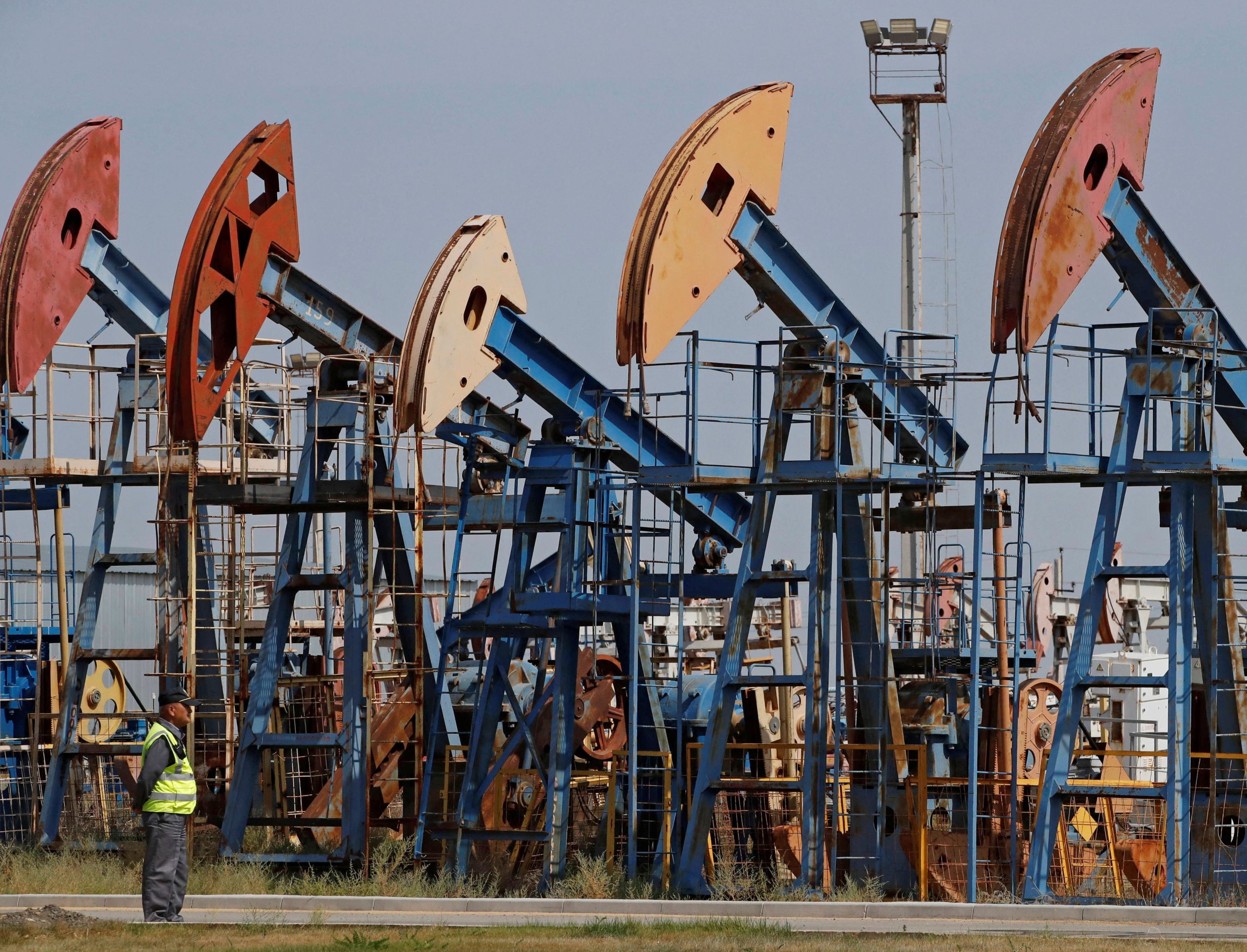
Impact on Global Bitumen Trade
Oil price volatility has a direct impact on international trade flows:
- Exporters adjust pricing strategies
- Importers seek alternative suppliers
- Trade routes may shift based on cost efficiency
For example, Middle Eastern suppliers often play a key role due to their proximity to major markets and access to crude oil resources.

Challenges for Bitumen Buyers and Suppliers
1. Price Uncertainty
Frequent fluctuations make it difficult to plan budgets and contracts.
2. Supply Chain Disruptions
Changes in oil prices can lead to:
- Delays in shipments
- Changes in production schedules
3. Currency Fluctuations
Oil is traded in USD, so exchange rate variations also impact bitumen pricing for international buyers.

Strategies to Manage Oil Price Impact
1. Flexible Contracts
Including price adjustment clauses helps manage risk.
2. Diversified Supply Sources
Working with multiple suppliers reduces dependency on a single region.
3. Advanced Procurement Planning
Buying during low-price periods can reduce costs.
4. Efficient Logistics
Optimizing shipping and storage can offset rising fuel costs.
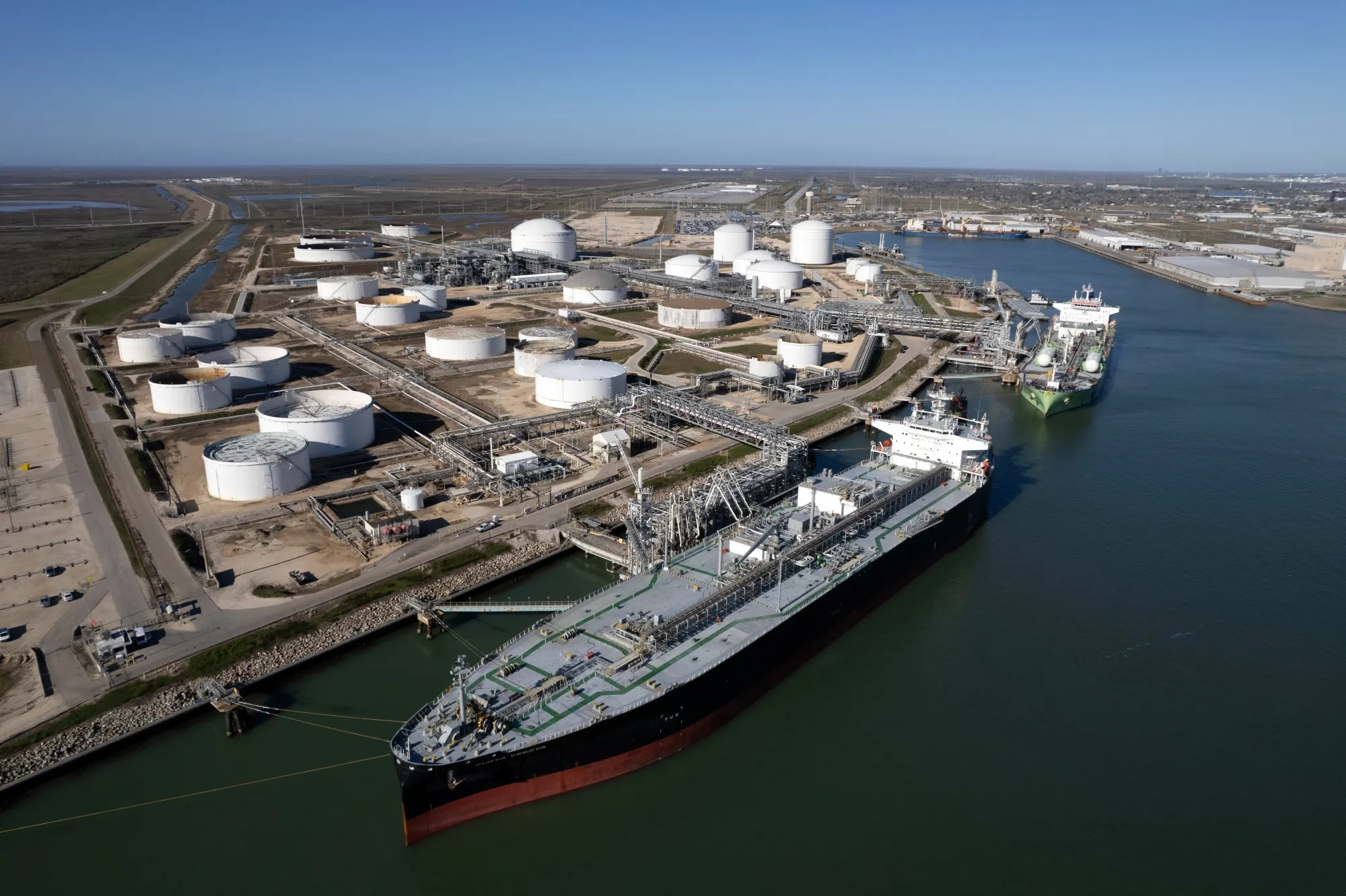
Future Outlook of the Bitumen Market
The future of the bitumen market will continue to be influenced by oil prices, but several trends are shaping the industry:
1. Shift Toward Sustainability
- Increased use of recycled materials
- Development of eco-friendly bitumen alternatives
2. Technological Advancements
- Improved refining processes
- Better performance grades
3. Growing Infrastructure Demand
- Rapid urbanization in developing countries
- Increased investment in road construction
Despite oil price volatility, global demand for bitumen is expected to remain strong.

Conclusion
The impact of oil prices on the bitumen market is significant and unavoidable. As a petroleum-based product, bitumen is directly influenced by fluctuations in crude oil prices, affecting everything from production costs to global trade patterns.
Understanding this relationship allows businesses to make informed decisions, manage risks, and optimize procurement strategies. By adapting to market changes and implementing flexible approaches, companies can maintain stability even in volatile conditions.
Gulf Petro Vision is a trusted supplier of high-quality bitumen across the Middle East, Africa, and Asia. With strong logistics capabilities and access to multiple grades, we help clients navigate market volatility and secure reliable supply even during uncertain oil price conditions.
Contact us today for:
- Latest bitumen prices
- Market insights
- Tailored supply solutions
FAQ
Q1: Why do bitumen prices follow crude oil prices?
Because bitumen is a byproduct of crude oil refining, so its cost depends on oil prices.
Q2: Does lower oil price always mean cheaper bitumen?
Not always, as supply-demand and refinery output also affect prices.
Q3: Which regions are most affected?
Import-dependent regions like Africa and Asia are highly sensitive to oil price changes.