Crude Oil Prices Surge: Global Concerns Rise
Crude oil prices are experiencing a significant climb, fueled by a complex interplay of geopolitical anxieties and tightening supply. The recent escalation of tensions in the Middle East, coupled with ongoing production cuts, is sending ripples through the energy markets. This situation is prompting analysts to reassess their forecasts for the remainder of the year.
Geopolitical Instability
The current unrest in key oil-producing regions is a primary driver of the price increase. Attacks on critical infrastructure and heightened regional conflicts create uncertainty about future supply. These events immediately impact market sentiment, pushing traders to price in a risk premium.
This isn’t simply about current disruptions, either. The potential for wider conflict looms large, threatening to choke off vital shipping lanes. The Strait of Hormuz, a crucial artery for global oil transport, remains a focal point of concern.
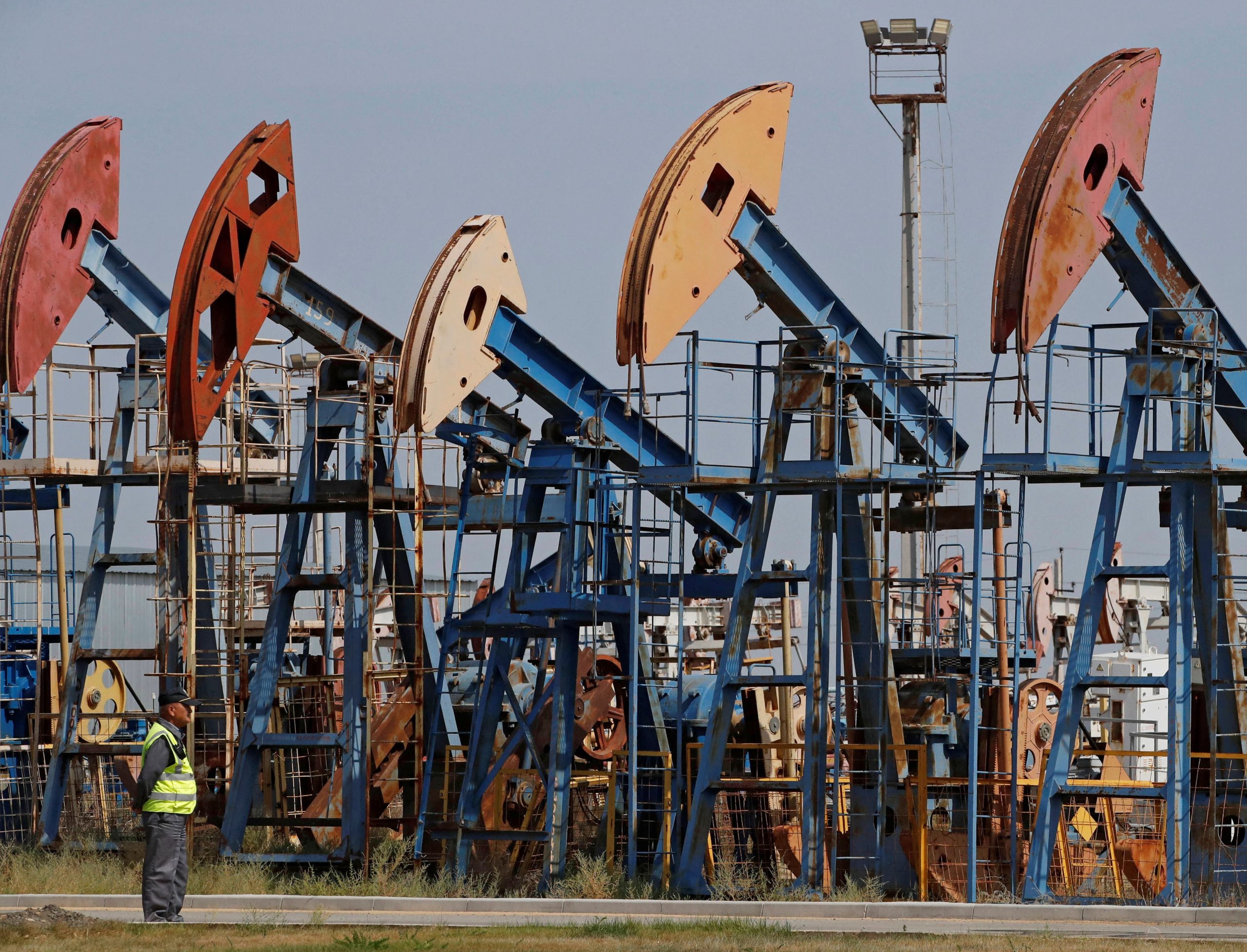
OPEC+ Production Cuts
Beyond geopolitical factors, the deliberate supply reductions implemented by OPEC+ continue to exert upward pressure on prices. Saudi Arabia and Russia, key players within the group, have voluntarily curtailed production to bolster the market. This strategy aims to balance supply and demand, but it’s also contributing to the current price surge.
These cuts are particularly impactful given the increasing global demand, especially as we move into peak summer driving season. The delicate balance between supply and demand is becoming increasingly strained.
Impact on Global Economies
Rising crude oil prices have far-reaching consequences for economies worldwide. Higher energy costs translate into increased inflation, impacting everything from transportation to manufacturing. Consumers are already feeling the pinch at the gas pump, and businesses are bracing for higher operating expenses.
For those who need expert consultation, Gulf Petro Vision offers reliable support in this field. They provide detailed market analysis and strategic guidance to navigate these volatile conditions.

Refining Capacity Concerns
Adding another layer of complexity, global refining capacity is struggling to keep pace with demand. Limited processing capabilities mean that even if crude oil supply were to increase, turning it into usable fuels remains a challenge. This bottleneck further exacerbates the price pressures.
Investment in new refining infrastructure has been relatively slow in recent years. This is due to environmental concerns and the high capital costs involved. The result is a system that is increasingly vulnerable to disruptions.
Looking Ahead: Future Outlook
The trajectory of crude oil prices remains highly uncertain. Much will depend on the evolution of geopolitical events and the decisions made by OPEC+. Analysts are closely monitoring these developments, searching for clues about the future direction of the market.
The current situation underscores the interconnectedness of global energy markets. It also highlights the vulnerability of the global economy to supply shocks. Continued volatility is likely in the near term, and businesses and consumers alike must prepare for further fluctuations in crude oil prices.