Bitumen grades Ivory Coast: A Complete Guide
Bitumen grades Ivory Coast are crucial for the nation’s infrastructure development, impacting road durability, roofing longevity, and waterproofing effectiveness. This guide provides a comprehensive overview of available grades, testing procedures, supplier options, and import regulations, catering to the specific needs of the Ivorian construction sector. Gulf Petro Vision offers reliable bitumen solutions.
What are the key Bitumen specifications that govern road construction and roofing in Ivory Coast?
In the Ivorian construction market, compliance hinges on a defined set of parameters. The most common penetration grades are 60/70 and 80/100, indicating how deep a standard needle penetrates bitumen. Grade 60/70 is harder (2 mm at 25 °C), while 80/100 is softer (3 mm). Viscosity, measured at 60 °C (100 °C for heavy blends) in mm²/s, ensures proper pumping and compaction.
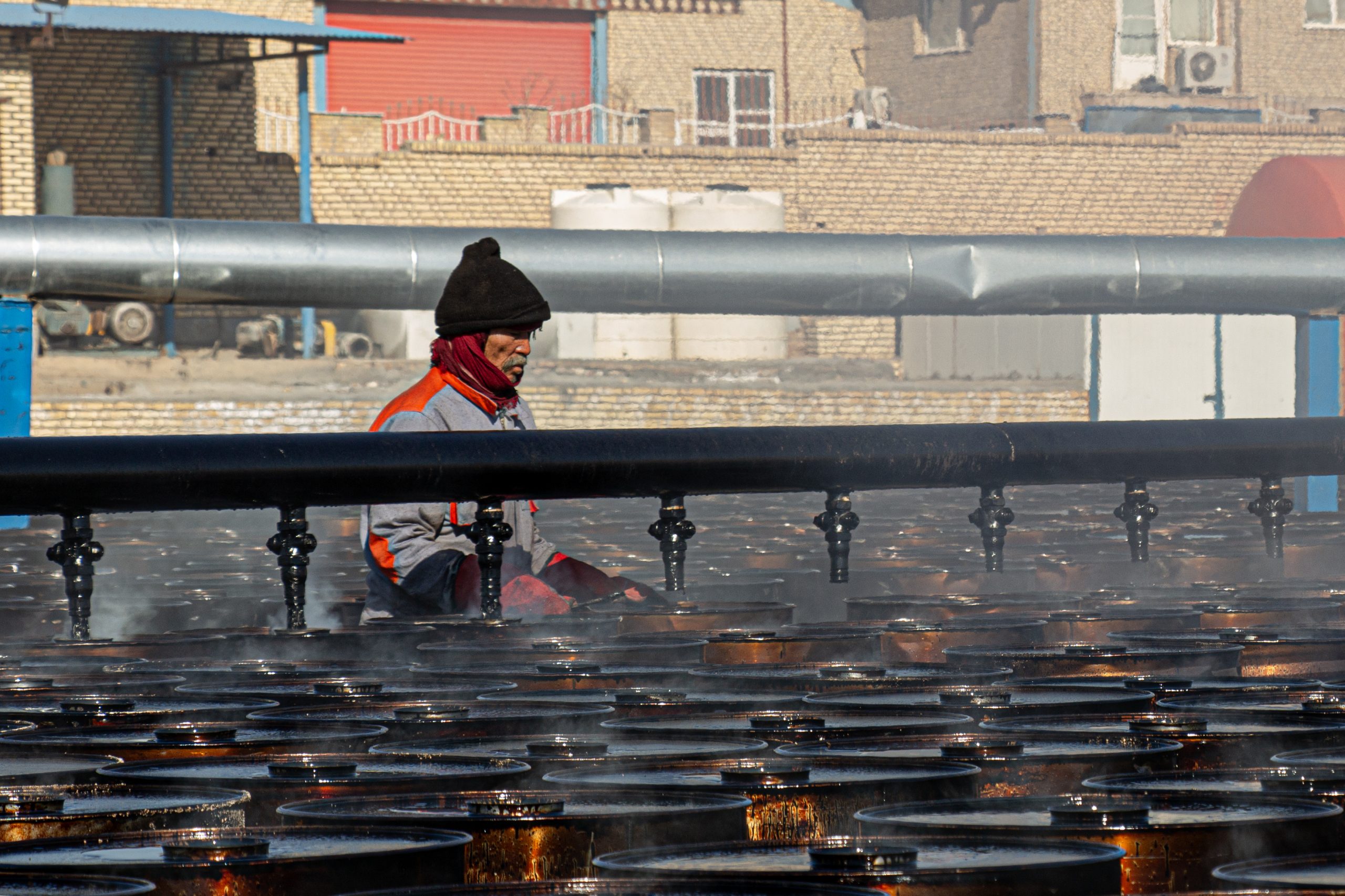
How do softening point, ductility, and flash point shape the performance of Bitumen grades Ivory Coast?
For road surfacing and roofing applications, selecting bitumen with the correct softening point, ductility, and flash point is crucial. The softening point (Ring-&-Ball test) should exceed 45 °C for roads and 50 °C for roofing to resist deformation under high temperatures. Ductility, measured over 25 mm at 25 °C, must be at least 30 cm for structural layers, ensuring flexibility under thermal cycling. The flash point, a key safety parameter, should be above 200 °C to reduce fire risks during storage and application.
Consistently verifying softening point and ductility for each batch is the most effective way to prevent premature cracking in the tropical climate of Côte d’Ivoire, making it an essential step for durable bitumen performance.
Which standards control Bitumen quality, and what changes are expected for 2026?
Ivorian regulations adopt ASTM D5/D5M and EN 12591, supplemented by the national “CIV‑BIT‑01” code. By 2026, Annex B of CIV‑BIT‑01 will tighten viscosity limits for polymer‑modified bitumen, aligning with EN‑15316‑2, and introduce a mandatory aging test (TFOT) for all imported grades. These updates aim to standardise the performance of polymer modified bitumen Ivory Coast projects.
Why is rigorous bitumen testing Ivory Coast essential for compliance?
Laboratories conduct penetration, viscosity, softening point, ductility, flash point, and aging tests on each shipment. Certified test reports are required by the Ministry of Infrastructure before any contract award. This testing regime guarantees that road construction bitumen Ivory Coast meets the “best bitumen for roads Ivory Coast” criteria and that roofing bitumen Ivory Coast delivers lasting waterproofing.
Typical penetration values for the two most common grades.
Suppliers of bitumen Ivory Coast play a pivotal role by delivering certified products, providing batch‑specific test certificates, and advising on the optimal grade for each application. For deeper insight into sourcing, see this comprehensive guide on bitumen providers that outlines logistics, quality assurance, and regulatory compliance.
How do Bitumen grades Ivory Coast affect road construction decisions?
In the tropical belt of the Ivory Coast, temperature swings from 25 °C to 35 °C and rainfall can exceed 1 500 mm annually. Under these conditions, the stiffness and penetration of the binder are decisive. The bitumen grade 60/70 provides a moderate penetration range suitable for secondary roads with light‑to‑moderate traffic, while grade 80/100 offers higher softening points for heavy‑load highways, reducing rutting risk on clayey subgrades.
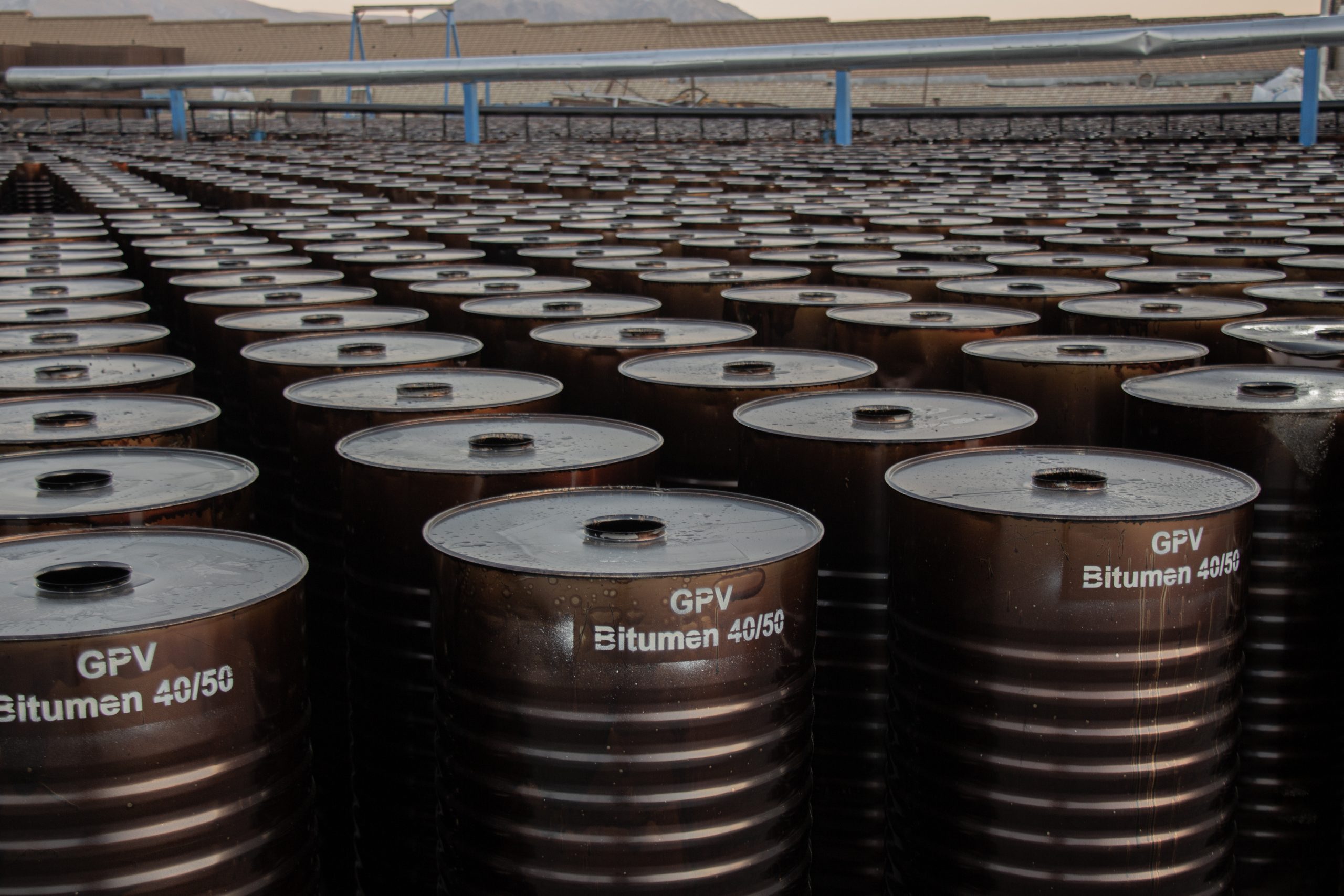
Which bitumen grade is optimal for heavy‑traffic highways?
For national corridors carrying > 10 000 vehicles per day, the bitumen grade 80/100 is recommended. Its higher viscosity therefore maintains structural integrity during the hot rainy season while resisting shear stress from freight trucks. Moreover, when the subgrade is sandy or well‑compacted granular, a 60/70 grade can be blended with a polymer modifier to effectively achieve the performance of an 80/100 grade without incurring the full cost premium.
Lower rut depth indicates better high‑temperature performance.
Can polymer modified bitumen improve pavement durability in the Ivorian climate?
Polymer modified bitumen (PMB) adds elastomers to the base binder, raising the softening point by 10‑15 °C. In the coastal zones where temperatures and moisture are highest, PMB mitigates fatigue cracking and extends service life by up to 40 %. This aligns with the comprehensive guide to bitumen suppliers that highlights local distributors offering SBS‑type modifiers.
How is bitumen used for waterproofing roofs and foundations?
For roofing, a bitumen grade 60/70 applied as a hot‑applied membrane or as a cold‑cure emulsion provides excellent water repellency while remaining flexible on metal decks. Cutback bitumen, diluted with kerosene, is favored for patching roof seams where rapid curing is required. In foundation waterproofing, a polymer‑modified bitumen sheet is rolled over the concrete slab, ensuring a continuous barrier against capillary rise.
Project budgeting must factor in bitumen price fluctuations, as higher‑grade or modified binders increase material costs but often lower lifecycle maintenance expenses. Careful selection based on traffic volume, climate exposure, and subgrade characteristics ensures optimal performance and economic return.
Securing a reliable supply chain for bitumen is as critical as choosing the right grade for a project. In Ivory Coast, import regulations, tariff structures, and documentation requirements create a complex environment that can affect timelines, compliance, and ultimately the performance of road and roofing works.
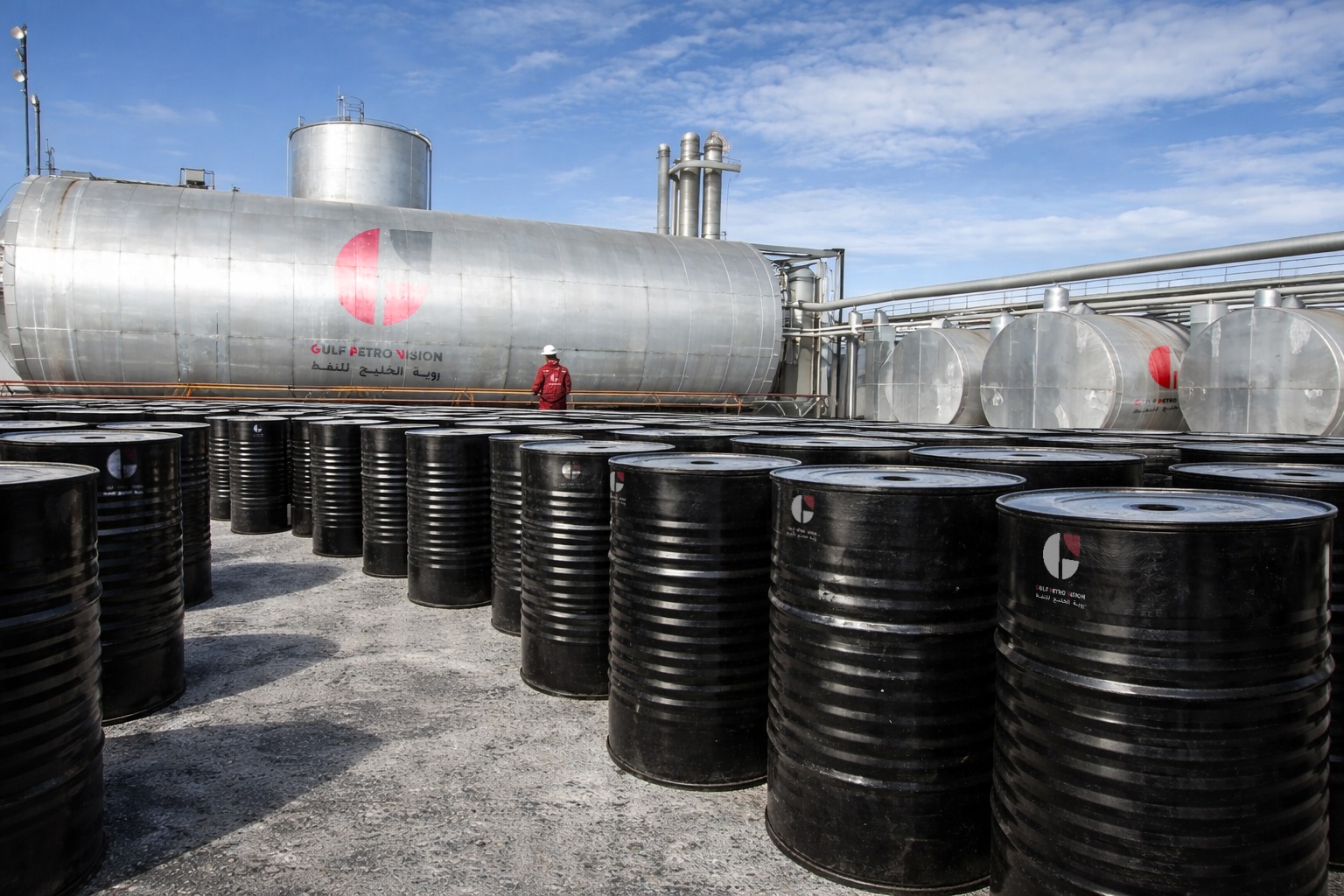
What are the Ivory Coast bitumen import regulations and documentation requirements?
Importers must present a commercial invoice, Certificate of Origin, and a pre‑approval letter from the Ministry of Economy and Finance. Customs charges a 15 % import duty on the CIF value, and an 18 % VAT applies at clearance.
Non-tariff barriers mandate lab testing of viscosity, penetration, and softening point under Ivory Coast 2026 bitumen standards before release.
Why do Bitumen grades Ivory Coast influence supplier selection for road & roofing projects?
The correct grade—whether bitumen grade 60/70 Ivory Coast for highway surfacing or grade 80/100 Ivory Coast for waterproof roofing—determines durability and maintenance cycles. Reputable comprehensive bitumen sourcing guide providers guarantee that each shipment meets the specified bitumen specifications Ivory Coast, backed by documented bitumen testing Ivory Coast results, reducing the risk of sub‑standard material on site.
Chart caption: Comparative volumes illustrate the heavy reliance on imports to satisfy national demand.
How does the current market landscape affect pricing trends and availability?
Global crude price fluctuations and limited local refinery capacity create a pricing corridor that narrows during high‑demand periods, such as the rainy season when roofing projects surge. Suppliers with diversified logistics networks can mitigate supply gaps, ensuring continuity for both road construction bitumen Ivory Coast and roofing bitumen Ivory Coast contracts.
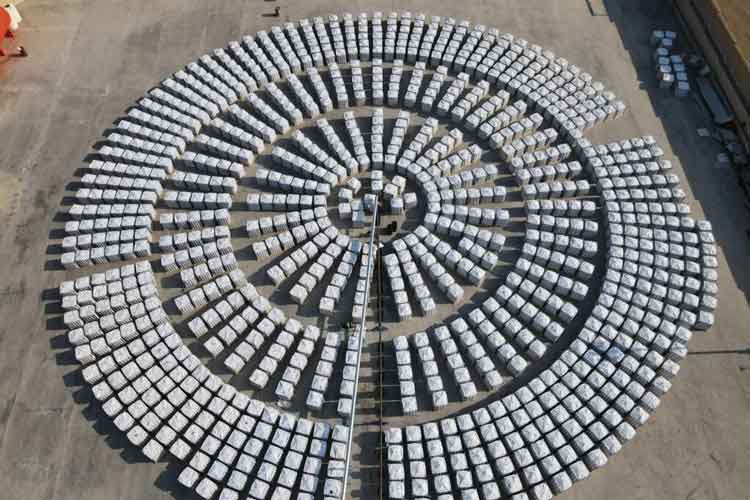
What advantages do international suppliers like Gulf Petro Vision L.L.C bring?
Gulf Petro Vision leverages a multi‑modal transport platform and a dedicated compliance team that handles customs paperwork, tariff classification, and on‑site bitumen modification Ivory Coast support. Their expertise in polymer-modified and cut-back bitumen helps clients meet new performance standards and 2026 regulatory updates.
Understanding the nuances of Bitumen grades Ivory Coast is paramount for successful project execution. From adhering to evolving standards in 2026 to selecting the optimal grade for specific applications, informed decisions are key. Gulf Petro Vision L.L.C stands ready to provide expert guidance and quality bitumen products. Contact us today for a consultation.