Modified Bitumen Benefits: A Complete Guide
Modified bitumen benefits stem from its superior performance characteristics compared to traditional asphalt. Gulf Petro Vision L.L.C, a leading bitumen supplier in the Middle East, provides a comprehensive range of modified bitumen grades. This article details the advantages, applications, and long-term performance of this versatile material, offering data-backed insights for informed decision-making.
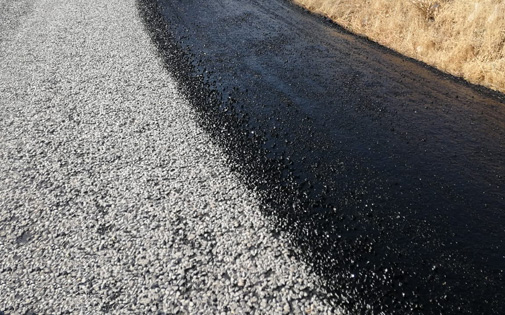
What are the modified bitumen benefits for road construction?
Styrene‑Butadiene‑Styrene (SBS) polymer modification transforms ordinary bitumen into a high‑performance binder. The resulting material exhibits superior elasticity, a higher softening point, and markedly better resistance to rutting, cracking, and fatigue. These modified bitumen benefits translate into smoother rides, lower noise levels, and a pavement that retains its structural integrity under heavy traffic loads.
How does SBS improve elasticity and softening point?
SBS creates a three‑dimensional polymer network within the bitumen matrix, allowing the binder to stretch and recover without permanent deformation. This network raises the softening point by up to 15 °C, enabling the pavement to stay flexible in hot climates while remaining stiff enough to resist deformation in cold conditions.
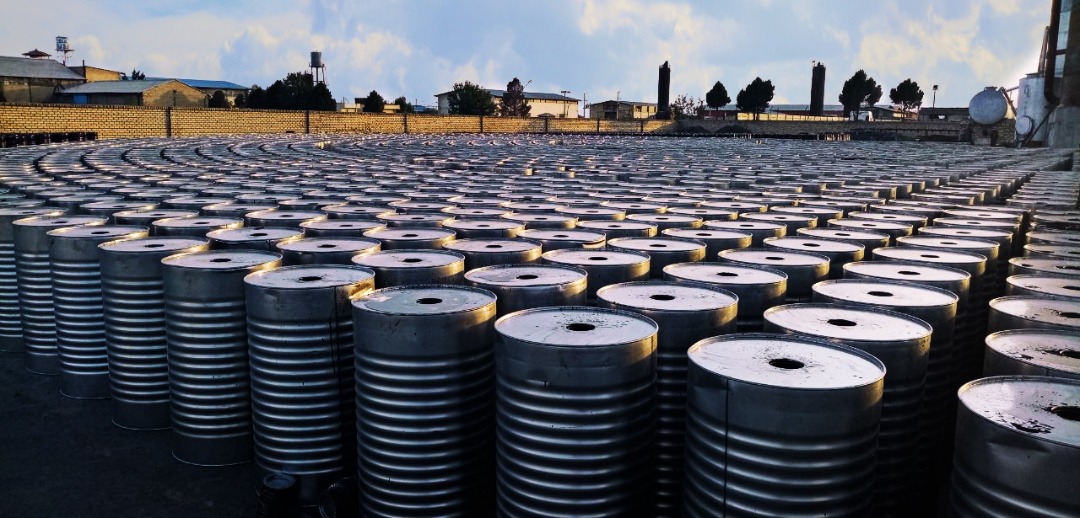
Why does SBS‑modified bitumen excel in extreme climates?
In scorching desert summers, the elevated softening point prevents surface bleeding and rutting. In freezing winters, the polymer’s elastic reserve mitigates thermal cracking. This dual temperature resistance makes SBS the preferred choice for projects where bitumen quality determines long‑term durability.
Comparative performance scores for rut resistance, fatigue life, and thermal stability.
Can using SBS reduce maintenance costs and extend road life?
Enhanced durability leads to fewer resurfacing cycles. Agencies report up to a 30 % reduction in routine maintenance over a 15‑year horizon, directly lowering lifecycle expenditures. Forecasts suggest the cost of modified bitumen paving 2026 will be competitive when amortized over the extended service life.
PROS
- Higher rutting resistance
- Improved fatigue performance
- Superior temperature adaptability
CONS
- Requires precise mixing control
- Initial material cost slightly higher
| Elastic recovery | Limited |
| Rutting resistance | Low |
| Lifecycle cost | Higher |
What impact does SBS‑modified bitumen have on highway safety?
Reduced cracking and rutting provide a more uniform surface, decreasing vehicle skidding risk, especially under wet or icy conditions. The smooth ride also lessens driver fatigue, contributing to overall road safety.
These advantages of SBS modified bitumen make it a cornerstone of modern high performance road surfacing materials, delivering long‑term performance and economic benefits for highway authorities.
When choosing a roofing system for commercial or industrial projects, the durability gap between modified bitumen and conventional asphalt is a decisive factor. Modified bitumen blends are engineered with polymers such as SBS or APP, creating a flexible, elastomeric matrix that resists UV radiation, thermal cycling, and mechanical puncture far better than standard hot‑mix asphalt.
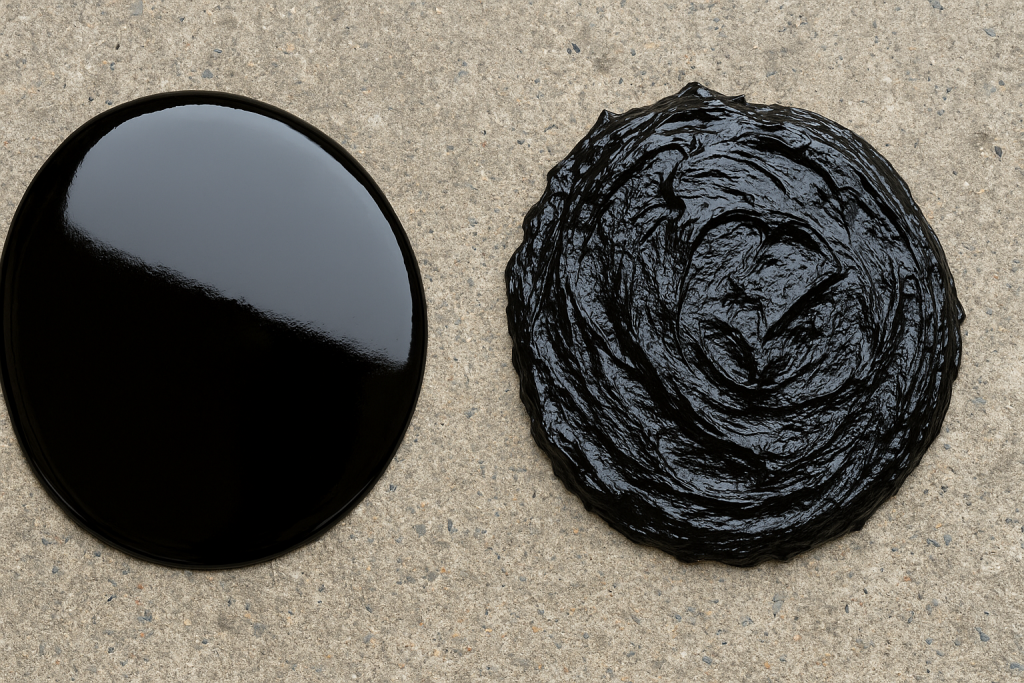
What chemical changes give modified bitumen its superior weather resistance?
The polymer additives form a cross‑linked network within the bitumen, enhancing tensile strength and reducing brittleness at low temperatures. This structure blocks oxygen diffusion, slowing oxidation and UV‑induced cracking. Consequently, the roof maintains its integrity in extreme climates, from scorching deserts to freezing winters.
How do the modified bitumen benefits translate into real‑world performance?
Key modified bitumen roofing advantages include:
PROS
- High flexibility that accommodates building movement.
- Exceptional puncture resistance in high‑traffic installations.
- Superior waterproofing with self‑adhesive and torch‑applied layers.
CONS
- Requires skilled labor for torch‑applied systems.
- Higher initial material cost than basic asphalt shingles.
What is the expected lifespan of modified bitumen versus traditional asphalt roofing?
Field data from long‑term studies show a mod bitumen lifespan of 20–30 years, whereas conventional asphalt roofs typically last 10–15 years under comparable conditions. The chart below visualizes average service life based on climate zone.
Average years of service for modified bitumen roofing across climate zones.
How do installation quality and climate affect long‑term performance?
Proper surface preparation, correct torch‑application temperature, and rigorous seam sealing are critical. In tropical regions, the polymer matrix’s UV stability reduces maintenance cycles dramatically. In colder zones, the elastomeric nature prevents cracking caused by freeze‑thaw cycles.
| Flexibility | Low |
| Puncture Resistance | Medium |
| Typical Lifespan | 12 years |
Adhering to the understanding of bitumen quality for road durability reinforces the same principles that make polymer‑modified membranes a high‑performance solution for roofing.
What role do the modified bitumen specifications 2026 play in future roofing projects?
Updated standards emphasize higher polymer content, stricter temperature resistance thresholds, and enhanced fire‑rating classifications. These PMB performance characteristics ensure that new installations meet increasingly demanding sustainability and safety codes, extending the long term performance modified bitumen outlook for decades to come.
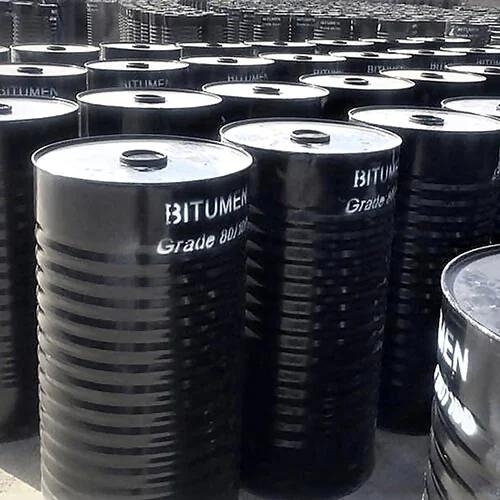
How does viscosity influence mix design and field placement?
Viscosity controls the binder’s flow at construction temperatures. A PMB with optimal viscosity remains fluid enough for thorough coating of aggregates yet stiffens quickly after compaction, preventing segregation. When viscosity is too low, the pavement may suffer rutting; too high, and rollers cannot achieve the required density, leading to premature fatigue.
What does the penetration test tell us about temperature susceptibility?
Penetration measures the depth a standard needle penetrates the bitumen under set conditions. Lower penetration values indicate a harder binder that resists deformation in hot climates, while higher values are suited for colder regions where flexibility is vital. Selecting the correct penetration grade aligns the pavement’s performance with seasonal temperature swings.
What are the modified bitumen benefits for road durability?
Polymer‑modified binders deliver enhanced elasticity, higher softening points, and superior resistance to oxidative aging. These traits translate into longer importance of bitumen quality for road durability, reduced crack propagation, and lower maintenance cycles. The benefits of polymer modified bitumen are especially evident on highways exposed to heavy traffic loads and extreme temperature fluctuations.
Performance index for varying traffic levels.
Why is softening point critical for high‑temperature regions?
The softening point indicates the temperature at which the binder transitions from a semi‑solid to a viscous state. A higher softening point ensures the surface retains stiffness under scorching sun, preventing permanent deformation and maintaining surface smoothness.
PROS
- Enhanced rut resistance
- Improved fatigue life
- Lower lifecycle cost
CONS
- Higher initial material cost
- Need for temperature‑controlled mixing
How do high performance road surfacing materials contribute to sustainable infrastructure?
By extending service life, PMB reduces the frequency of resurfacing, cutting material consumption and associated emissions. Its durability aligns with high performance road surfacing materials strategies that prioritize long‑term performance over short‑term savings, delivering a net environmental benefit.
Ultimately, the modified bitumen benefits are clear: enhanced durability, temperature resistance, and extended lifespan. As infrastructure demands increase, selecting high-performance materials like PMB is crucial. Gulf Petro Vision L.L.C remains committed to providing quality bitumen solutions. Contact us today to discuss your project needs and explore how modified bitumen can optimize your paving or roofing application.