Best Bitumen for Hot Climates: Key Factors That Impact Asphalt Performance
In regions where temperatures soar and road surfaces are constantly exposed to intense heat, selecting the right bitumen is not just important—it’s essential. Hot climates present unique challenges for asphalt pavements, including rutting, bleeding, and accelerated aging. Without proper material selection, roads can deteriorate rapidly, leading to higher maintenance costs and safety concerns.
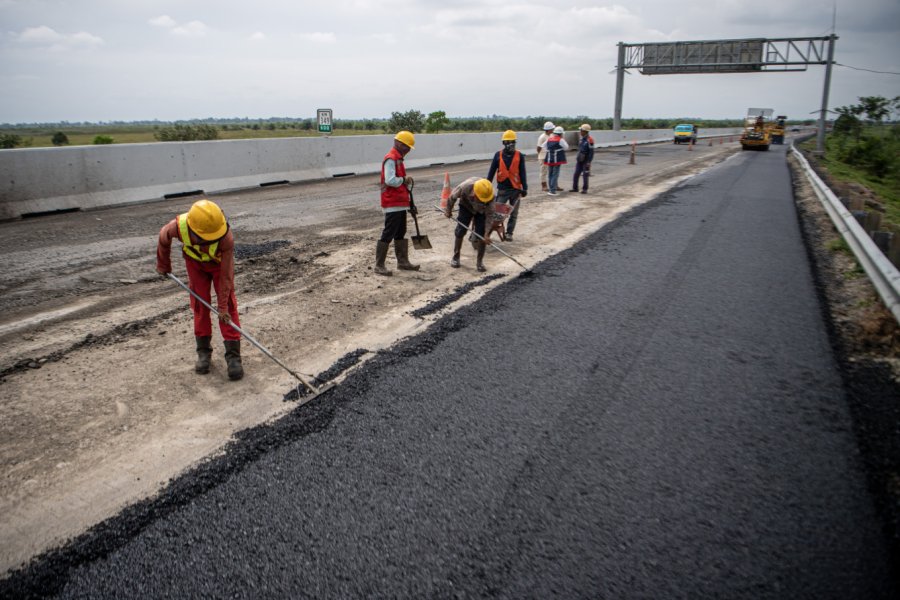
Why Choosing the Right Bitumen Matters in Hot Weather
In hot regions such as the Middle East and parts of Africa, pavement temperatures can exceed 60°C. Under these conditions, conventional bitumen may soften excessively, causing deformation and structural failure.
Key risks of using unsuitable bitumen include:
-
Rutting under heavy traffic
-
Surface bleeding and reduced skid resistance
-
Faster oxidation and aging
-
Increased maintenance and repair costs
To overcome these issues, it’s critical to understand the parameters that influence bitumen behavior at high temperatures.

1. Penetration Grade: Measuring Bitumen Hardness
Penetration grade is one of the most widely used indicators of bitumen consistency. It measures how soft or hard the bitumen is under standard conditions.
Why It Matters in Hot Climates
Harder bitumen (lower penetration value) performs better in high temperatures because it:
-
Resists softening
-
Maintains structural stability
-
Reduces deformation under traffic loads
Recommended Grades
For hot climates, lower penetration grades such as 40/50 or 60/70 are commonly used, depending on traffic intensity and environmental conditions.

2. Softening Point: Heat Resistance Indicator
The softening point determines the temperature at which bitumen begins to soften and lose its shape.
Importance in High Temperatures
A higher softening point ensures that bitumen:
-
Withstands extreme heat without excessive flow
-
Minimizes bleeding on the road surface
-
Maintains pavement integrity
Best Practice
Bitumen with a softening point above 50°C is typically more suitable for hot regions.

3. Viscosity: Controlling Flow Behavior
Viscosity refers to the resistance of bitumen to flow, especially during mixing and application.
Role in Hot Climate Performance
-
High-viscosity bitumen reduces the risk of rutting
-
Improves coating of aggregates
-
Enhances stability under high temperatures
Industry Trend
Viscosity-graded bitumen is increasingly preferred for its consistent and reliable performance.

4. Temperature Susceptibility: Stability Across Heat Variations
Temperature susceptibility indicates how sensitive bitumen is to changes in temperature.
Why It’s Critical
In hot climates, bitumen must remain stable during:
-
Extremely hot daytime conditions
-
Cooler nighttime temperatures
Key Metric
The Penetration Index (PI) is used to measure temperature susceptibility. A higher PI means better resistance to temperature variations.
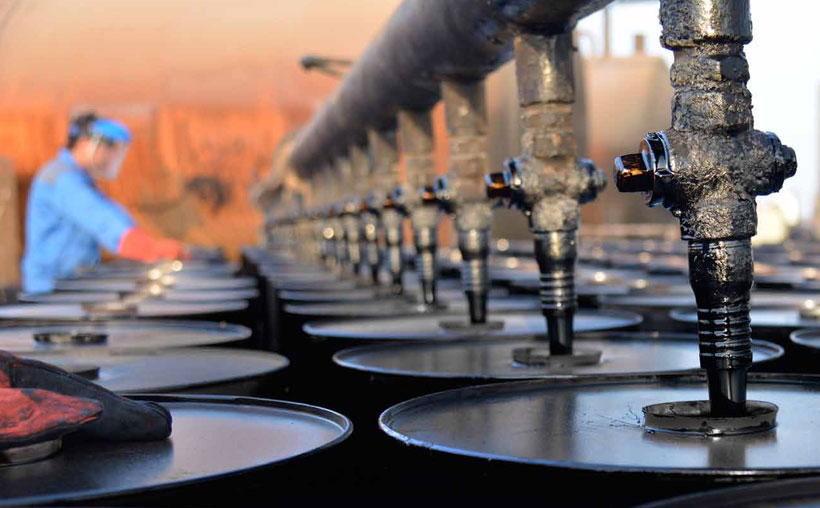
5. Flash Point: Safety in High Temperatures
Flash point is the temperature at which bitumen vapors ignite.
Importance in Hot Regions
Higher flash points are essential for:
-
Safe storage and transportation
-
Reduced fire hazards during mixing
-
Compliance with safety standards

6. Ductility: Flexibility Under Stress
Ductility measures the ability of bitumen to stretch without breaking.
Performance Benefits
Even in hot climates, ductility is important because it:
-
Prevents cracking under stress
-
Improves adhesion with aggregates
-
Enhances long-term durability
Finding the Balance
Bitumen must be both hard enough to resist heat and flexible enough to handle stress.

7. Elastic Recovery: Resistance to Permanent Deformation
Elastic recovery refers to the ability of bitumen to return to its original shape after deformation.
Why It Matters
In hot climates with heavy traffic:
-
Roads are subjected to repeated loading
-
Elastic recovery helps prevent permanent deformation
Advanced Solution
Polymer Modified Bitumen (PMB) offers excellent elastic recovery and is widely used in extreme conditions.

8. Aging Resistance: Long-Term Durability
Bitumen undergoes oxidation over time, leading to hardening and brittleness.
Impact of Heat
High temperatures accelerate aging, causing:
-
Reduced flexibility
-
Increased cracking
-
Shorter pavement lifespan
Solution
Using modified bitumen and anti-oxidant additives can significantly improve aging resistance.

9. Aggregate Compatibility: Strong Bonding Matters
Bitumen must effectively bind with aggregates to create durable asphalt.
Factors to Consider
-
Aggregate surface texture
-
Chemical composition
-
Moisture presence
Hot Climate Challenge
High temperatures can weaken adhesion, making anti-stripping agents essential for improving bonding.
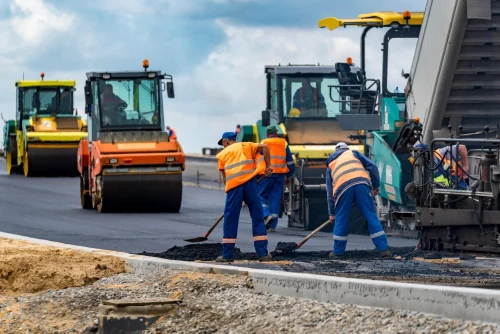
10. Traffic Load: A Critical External Factor
Climate alone does not determine performance—traffic load plays a major role.
In High-Traffic Areas
-
Harder bitumen is required
-
Rutting resistance becomes critical
-
Higher performance grades are necessary

11. Modified Bitumen: A Smart Choice for Hot Regions
Modified bitumen is enhanced with polymers or rubber to improve performance.
Key Advantages
-
Higher softening point
-
Better elasticity
-
Superior resistance to rutting and fatigue
Common Types
-
Polymer Modified Bitumen (PMB)
-
Crumb Rubber Modified Bitumen (CRMB)
These are ideal for regions with extreme heat and heavy traffic conditions.

12. Environmental Factors Beyond Temperature
Hot climates often include additional environmental challenges such as:
-
UV radiation
-
Dust and sand exposure
-
Humidity fluctuations
Effects on Bitumen
-
UV accelerates oxidation
-
Dust affects surface performance
-
Humidity impacts adhesion
A comprehensive approach to bitumen selection must consider all these elements.
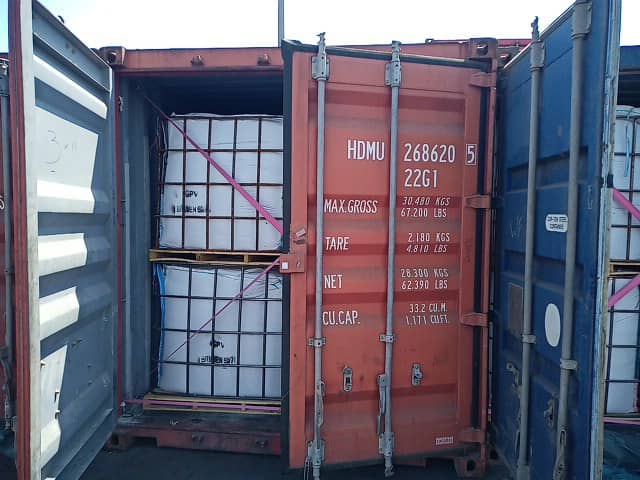
Best Practices for Selecting Bitumen in Hot Climates
To ensure optimal performance, follow these guidelines:
Choose the Right Grade
Opt for lower penetration or viscosity-graded bitumen suitable for high temperatures.
Use Modified Bitumen
For extreme conditions, PMB or CRMB significantly improves durability.
Conduct Performance Testing
Evaluate:
-
Softening point
-
Viscosity
-
Ductility
-
Elastic recovery
✔ Consider Local Conditions
Adapt your choice based on climate, traffic, and construction practices.
✔ Maintain Quality Control
Proper handling and storage are crucial to preserving bitumen properties.

Common Problems in Hot Climate Asphalt
Even with proper selection, some challenges may arise:
-
Rutting and deformation
-
Surface bleeding
-
Oxidative aging
-
Reduced skid resistance
Addressing these requires high-quality materials, proper design, and regular maintenance.

Future of Bitumen in Hot Climates
The industry is evolving with innovations such as:
-
Performance Grade (PG) Bitumen tailored to climate conditions
-
Eco-friendly additives for sustainability
-
Self-healing asphalt technologies
These advancements aim to improve durability and reduce lifecycle costs.
Conclusion
Choosing the best bitumen for hot climates requires a deep understanding of key performance parameters such as penetration grade, softening point, viscosity, and temperature susceptibility. By considering these factors along with traffic and environmental conditions, it is possible to design asphalt pavements that withstand extreme heat and deliver long-term performance.
Investing in the right bitumen today ensures stronger, safer, and more durable roads for the future—especially in regions where heat is a constant challenge.