What is Cutback Bitumen and Why Is It Essential in Road Construction?
Cutback bitumen is a versatile material widely used in road construction, paving, and maintenance. But what makes it so important? Simply put, cutback bitumen is bitumen that has been diluted with a solvent like kerosene, naphtha, or gasoline. This lowers its viscosity, making it easier to apply at lower temperatures without requiring continuous heating.
Contractors and engineers favor cutback bitumen because it can adapt to different project needs and weather conditions. Unlike hot bitumen, it can be spread quickly and efficiently, saving both time and energy. Its ability to bond effectively with aggregates ensures long-lasting roads, while its controlled curing options make it suitable for diverse applications.

How Are Cutback Bitumen Types Classified?
Cutback bitumen comes in three primary types based on how quickly the solvent evaporates and the bitumen sets: Rapid Curing (RC), Medium Curing (MC), and Slow Curing (SC). Understanding these classifications is crucial for engineers, contractors, and project managers because the performance and durability of the road heavily depend on selecting the correct type.
- RC (Rapid Curing): Sets quickly, ideal for urgent repairs and surface treatments.
- MC (Medium Curing): Balances workability and curing, perfect for premix and patching jobs.
- SC (Slow Curing): Provides deep penetration and long-term durability, suitable for prime coats and heavy-duty pavements.
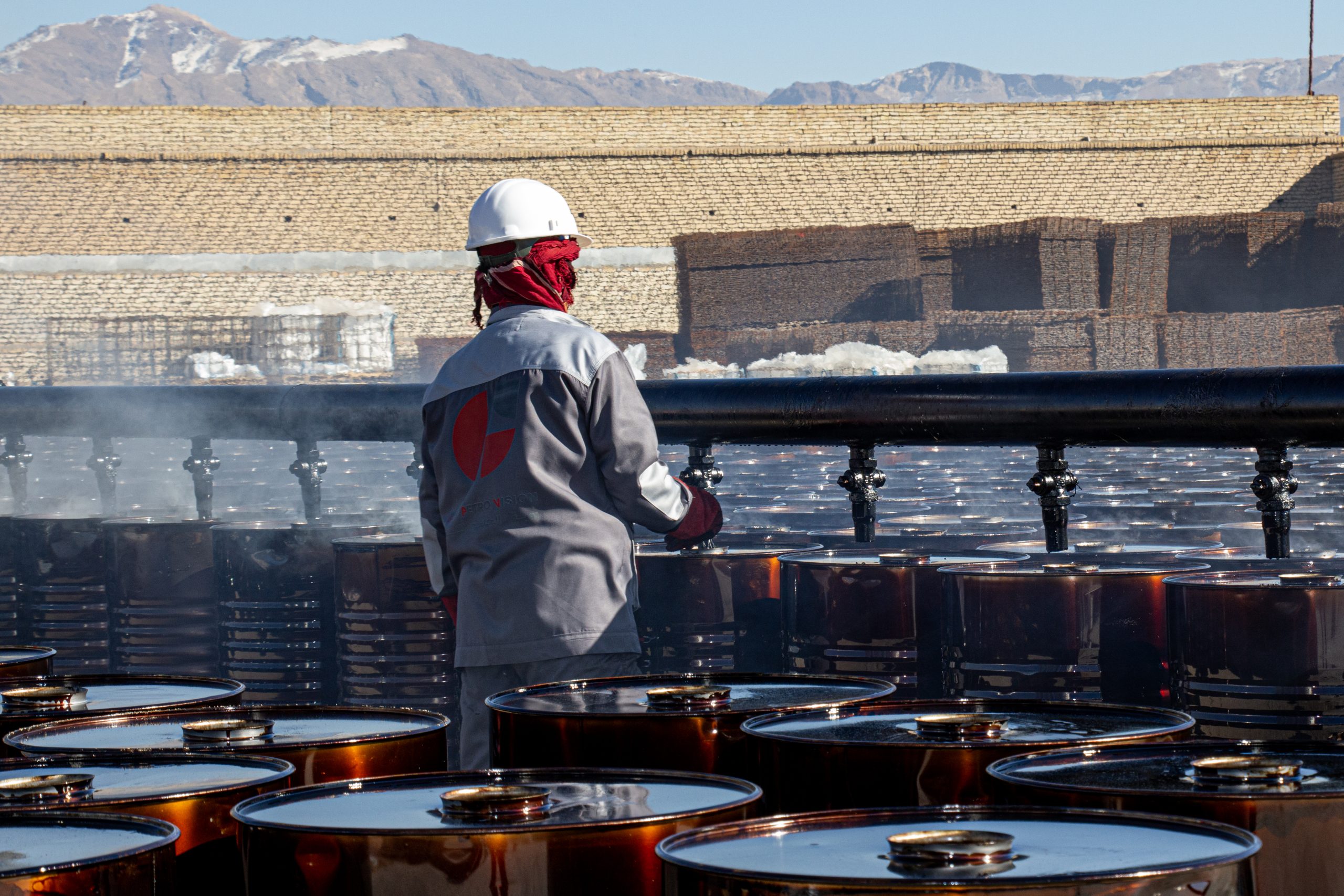
What Makes Rapid Curing (RC) Cutback Bitumen Suitable for Quick Projects?
Rapid Curing cutback bitumen is blended with highly volatile solvents like naphtha or gasoline. These solvents evaporate quickly, allowing the bitumen to set rapidly. This is particularly useful in urban areas where traffic disruption needs to be minimized.
Key Advantages of RC Cutback Bitumen:
- Fast setting, enabling immediate traffic movement.
- Excellent adhesion to aggregates.
- Durable performance despite quick curing.
Common Applications Include:
- Surface dressing for road protection.
- Tack coats to bond old and new asphalt layers.
- Quick pothole and emergency repairs.

Why is Medium Curing (MC) Cutback Bitumen Ideal for Premix and Maintenance Work?
Medium Curing cutback bitumen is diluted with solvents like kerosene that evaporate at a moderate pace. This controlled curing allows ample time for mixing with aggregates, ensuring proper compaction and adhesion. MC bitumen is widely used in surface dressing, asphalt mixtures, and road maintenance.
Key Features of MC Cutback Bitumen:
- Balanced curing speed for workability.
- Strong bonding for durability.
- Flexible in different climates and project scales.
Applications Include:
- Premix asphalt preparation.
- Routine patch repairs.
- Surface dressing for improved skid resistance.
- Road base stabilization.
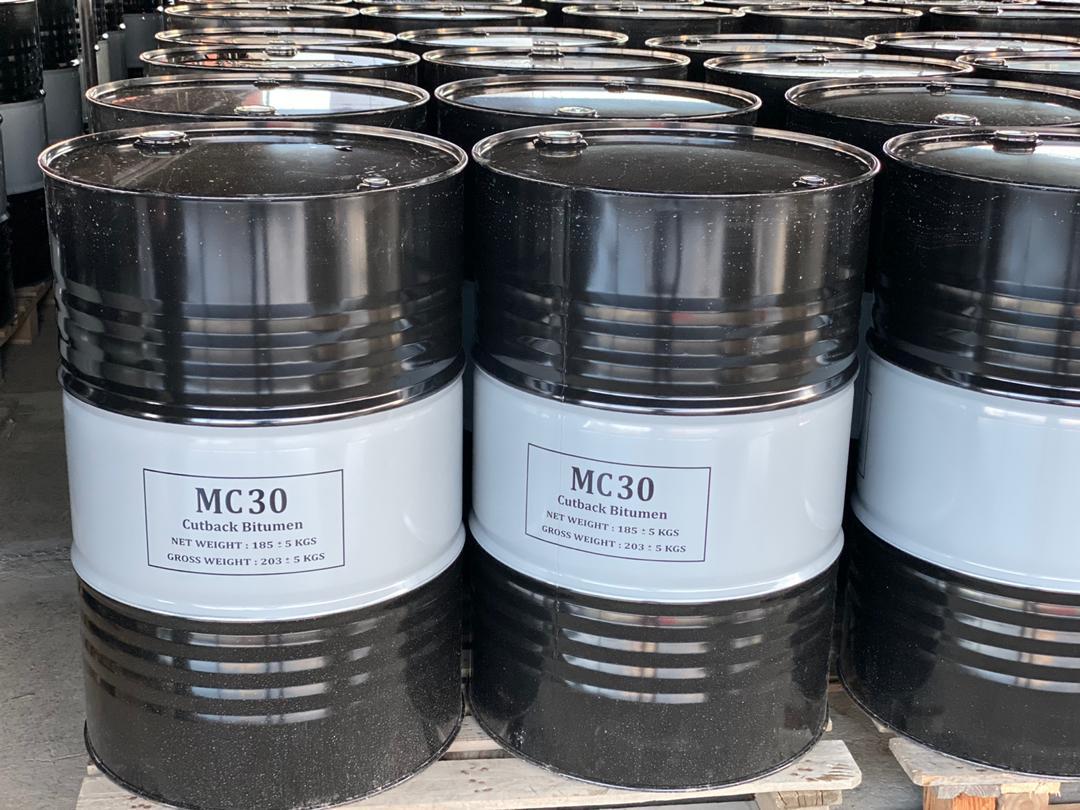
How Does Slow Curing (SC) Cutback Bitumen Ensure Longevity in Heavy-Duty Projects?
Slow Curing cutback bitumen uses heavier solvents such as diesel or fuel oil, which evaporate slowly. This slow evaporation allows deep penetration into road bases and porous surfaces, enhancing durability. SC bitumen is perfect for industrial applications, prime coats, and roads subjected to heavy traffic.
Key Benefits of SC Cutback Bitumen:
- Deep penetration for stronger foundations.
- High durability under heavy loads.
- Robust adhesion to coarse or dusty aggregates.
Applications Include:
- Prime coats for road base preparation.
- Heavy-duty pavements in industrial areas.
- Waterproofing and corrosion-resistant coatings.
- Base stabilization for long-term road resilience.

Why is Cutback Bitumen Widely Used in the Middle East?
The Middle East presents unique challenges for road construction, including high summer temperatures, intense UV exposure, and sandy conditions. Cutback bitumen proves highly effective because it can be applied without high-temperature heating while maintaining performance and adhesion.
Advantages for Middle East Projects:
- Ease of application at ambient temperatures.
- Time efficiency due to minimal heating requirements.
- Consistent performance in harsh climates.
- Adaptability for urban roads, highways, and desert environments.

How Does Cutback Bitumen Improve Efficiency in Large-Scale Infrastructure Projects?
The Middle East is known for its ambitious infrastructure projects, including intercity highways, urban roads, and industrial zones. Cutback bitumen plays a critical role in ensuring these developments meet international standards.
Common Applications in Large Projects:
- Surface dressing and tack coats for layered roads.
- Pothole repairs and urban road maintenance.
- Prime coats to strengthen road bases.
- Asphalt cutback mixtures for controlled curing and durability.
By using cutback bitumen, contractors save energy and reduce project timelines, making it ideal for both urban and desert projects.

What Are the Main Advantages of Using Cutback Bitumen Over Hot Bitumen?
Cutback bitumen offers several practical benefits compared to traditional hot bitumen:
- Lower Energy Requirements: Minimal heating is needed, saving fuel costs.
- Faster Project Execution: Quick application reduces labor and downtime.
- Enhanced Safety: Lower risk compared to handling extremely hot materials.
- Strong Adhesion: Ensures aggregates bond well, improving road longevity.
- Versatility: Can be used in surface dressing, priming, repairs, and industrial applications.
This combination of performance, efficiency, and safety makes cutback bitumen a preferred choice in the Middle East.
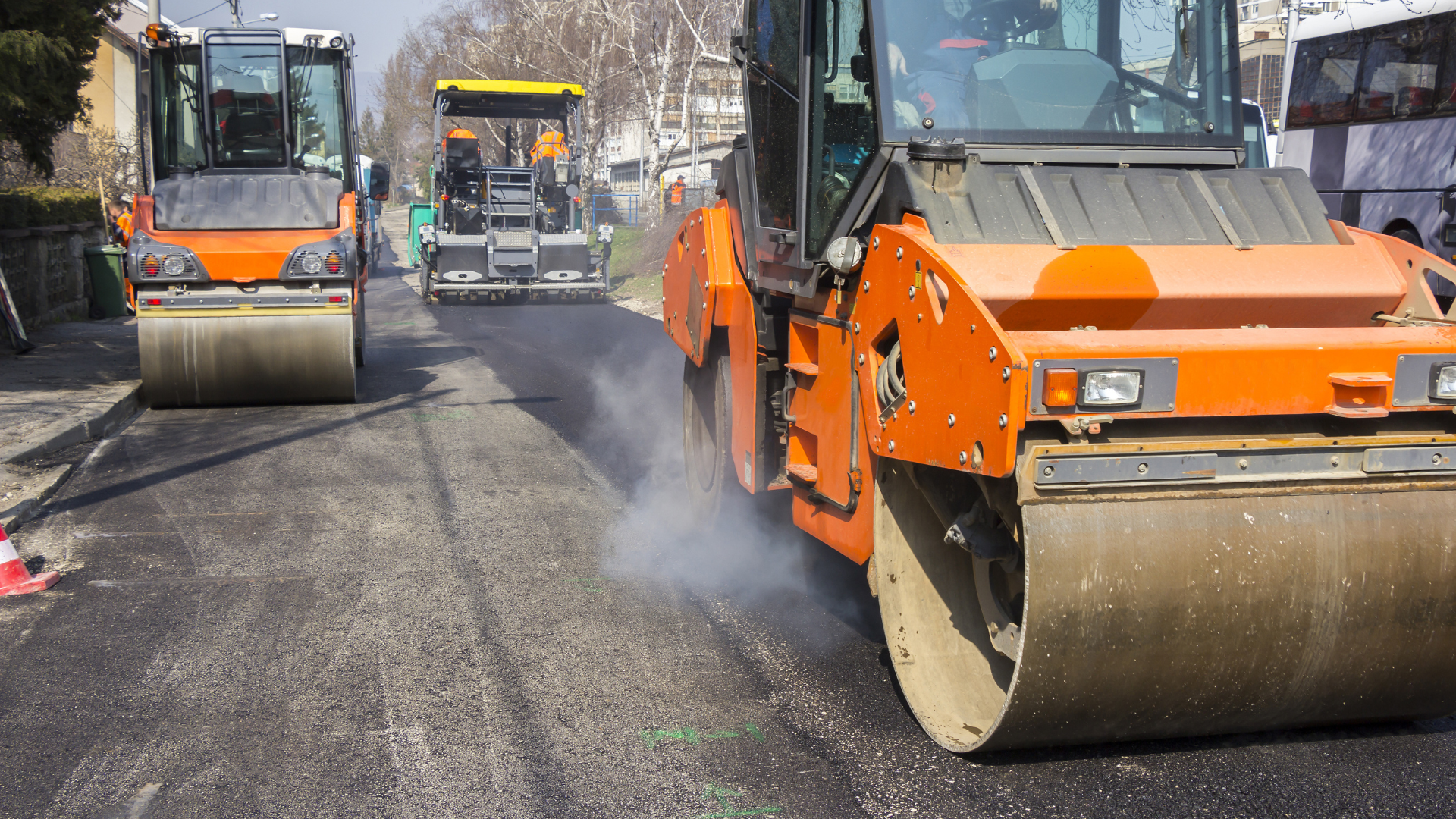
How Does Cutback Bitumen Ensure Strong Binding With Different Aggregates?
The durability of roads depends on how effectively the binder adheres to aggregates. Cutback bitumen’s solvents penetrate and coat aggregates thoroughly, whether coarse, fine, or dusty.
Benefits of Strong Binding:
- Prevents loosening of aggregates.
- Enhances road strength and resilience under heavy traffic.
- Reduces maintenance costs over the pavement’s life.
- Provides consistent performance across various soil and aggregate types.

How Is Cost Efficiency Achieved With Cutback Bitumen?
For large-scale infrastructure projects, cost efficiency is a priority. Cutback bitumen offers economic advantages by:
- Reducing energy consumption due to low heating needs.
- Shortening construction timelines, saving on labor.
- Allowing versatile use across multiple applications.
By combining practicality with economic value, cutback bitumen ensures both performance and affordability for contractors.
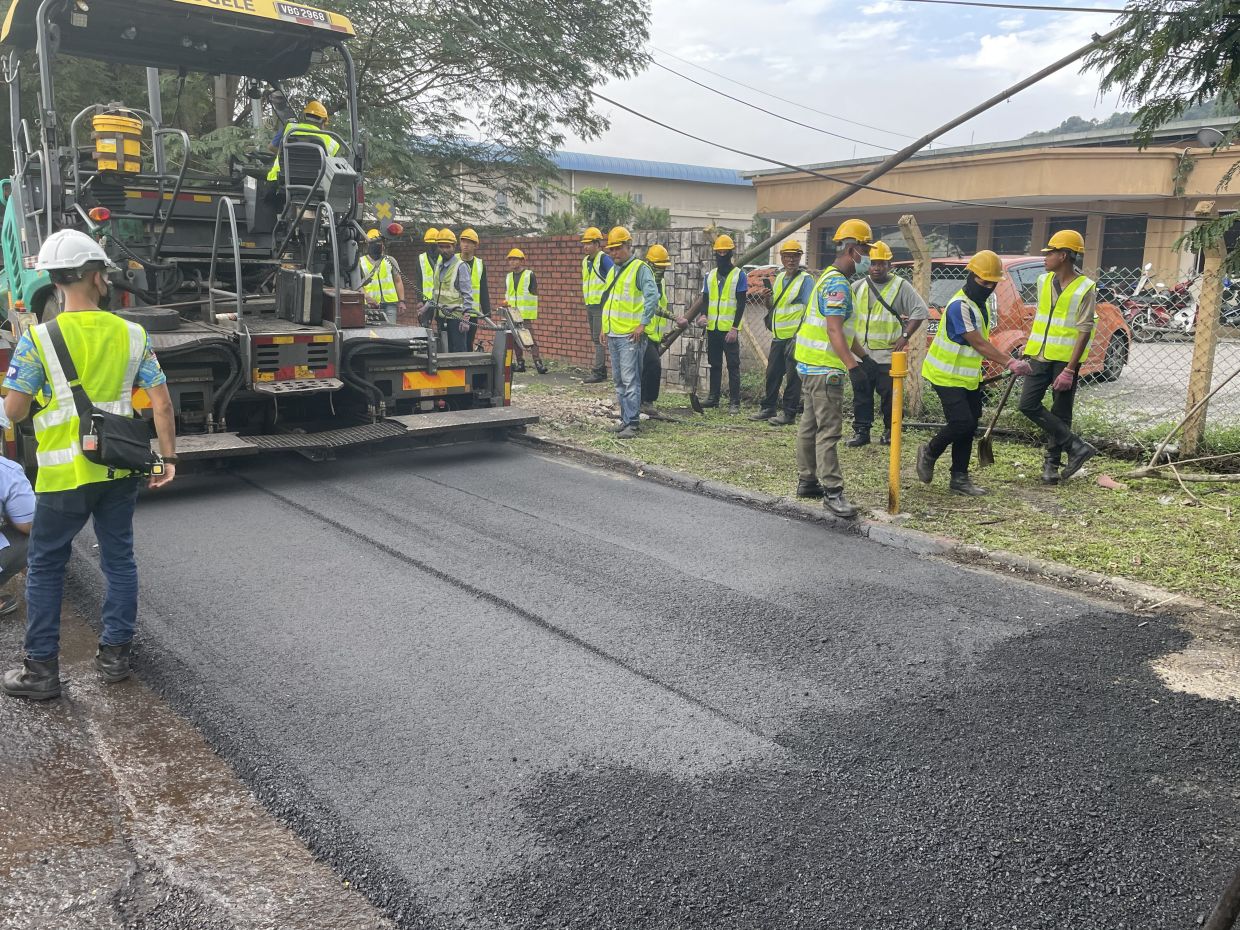
What Safety Measures Should Be Taken When Using Cutback Bitumen?
Because cutback bitumen contains volatile solvents, safety during storage, transport, and application is critical.
Storage Guidelines:
- Keep containers tightly sealed to prevent solvent evaporation.
- Store in cool, dry, ventilated areas away from heat or flames.
- Clearly label all containers.
Handling Guidelines:
- Use personal protective equipment (PPE) such as gloves, goggles, and masks.
- Ensure proper ventilation in application areas.
- Avoid smoking or open flames near the work site.
- Provide worker training on handling solvent-based materials.
Proper safety practices ensure both effective use of the material and a secure working environment.

How Does Cutback Bitumen Contribute to Sustainable Road Construction?
Cutback bitumen reduces the need for continuous heating, which lowers fuel consumption and carbon emissions. Its efficiency shortens project timelines, minimizing environmental disruption from construction activity. Additionally, its strong binding properties increase the lifespan of roads, reducing the frequency of repairs and associated resource use.
How Can Contractors Choose the Right Cutback Bitumen Grade?
Selecting the proper cutback bitumen grade depends on project requirements:
- RC: Rapid repairs and surface treatments where quick curing is essential.
- MC: Balanced workability and curing for premix, patching, and routine maintenance.
- SC: Deep penetration and long-lasting durability for prime coats and heavy-duty roads.
By evaluating curing speed, application type, and environmental conditions, contractors can ensure optimal performance, cost-effectiveness, and safety.

Conclusion: Why Gulf Petro Vision Is a Leading Cutback Bitumen Supplier
For engineers, contractors, and project managers in the Middle East and beyond, sourcing high-quality cutback bitumen is critical. Gulf Petro Vision stands out as a leading supplier, offering premium RC, MC, and SC cutback bitumen grades tailored for Middle East conditions and global applications.
With a focus on durability, efficiency, and safety, Gulf Petro Vision exports cutback bitumen worldwide, supporting large-scale infrastructure, urban development, and industrial projects. By choosing Gulf Petro Vision, contractors gain a trusted partner in building resilient roads that last.