West & East Africa Bitumen Market 2026: Prices, Demand, and Infrastructure Trends
The Africa bitumen market is undergoing significant transformation in 2026, driven by shifting global energy dynamics, supply chain disruptions, and regional infrastructure investment. From West African import hubs like Nigeria and Senegal to East African construction corridors in Kenya, Uganda, and Tanzania, bitumen demand patterns are evolving rapidly. This in‑depth market update explores price trends, demand drivers, logistical issues, seasonal effects, and future outlook for Africa’s bitumen sector.
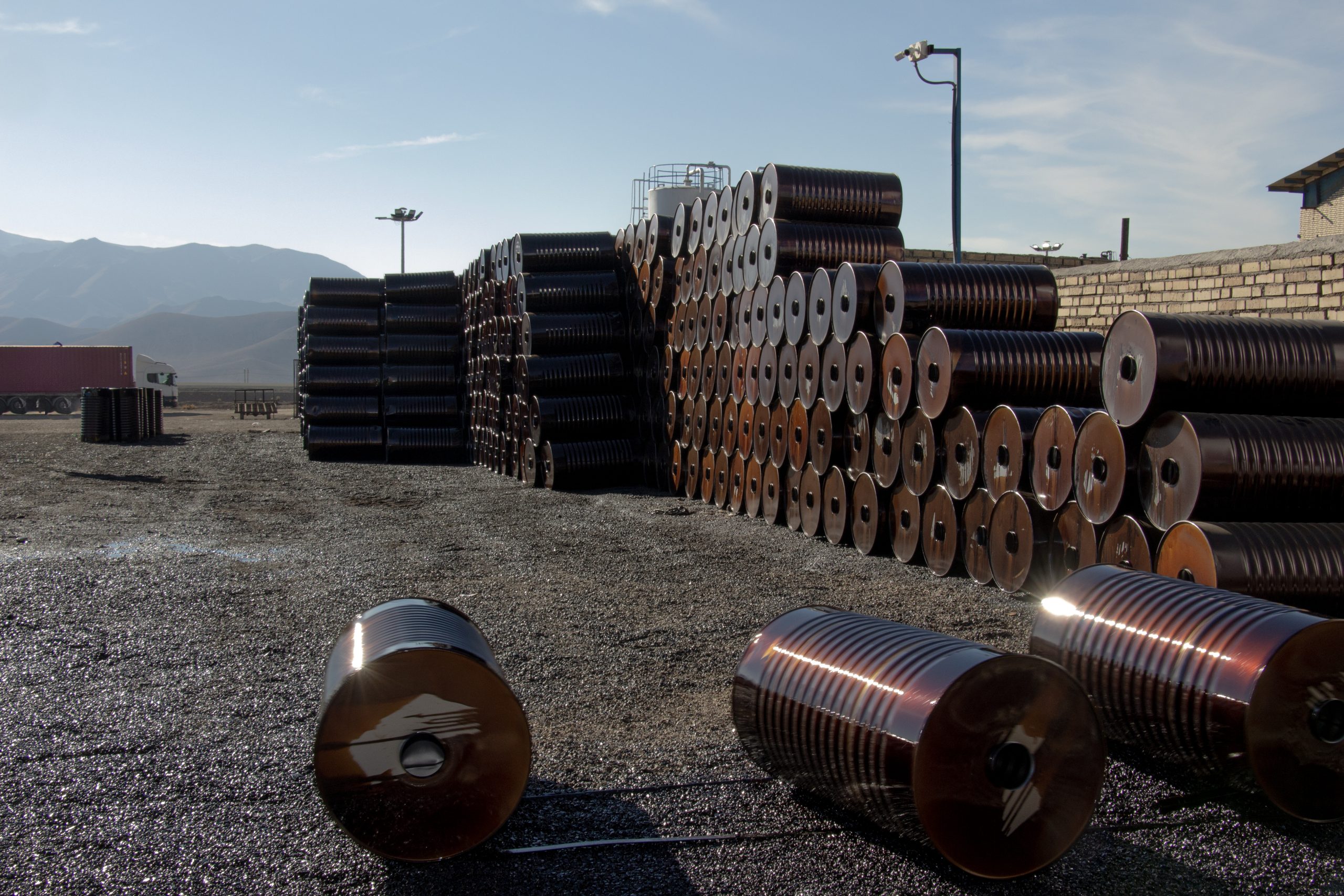
1. Introduction: Why Africa Matters in the Global Bitumen Market
Bitumen plays a critical role in road construction, infrastructure development, and industrial applications. As many African governments accelerate transportation upgrades and urban expansion, bitumen demand increases correspondingly.
While global energy tensions — including the U.S.–Iran conflict, Strait of Hormuz disruptions, and rising crude price volatility — affect supply and pricing worldwide, Africa is uniquely positioned due to:
-
heavy reliance on imported bitumen supplies
-
limited local refining capacity
-
rapidly growing infrastructure budgets
-
increasing intra‑regional trade cooperation
This makes West and East Africa key markets to watch in 2026.

2. Bitumen Price Trends in Africa (2026)
2.1 Rising Import Prices Due to Global Supply Constraints
In early 2026, African import prices for bitumen rose sharply under the influence of global factors:
-
Tight seaborne supply from Singapore, South Korea, and the Middle East
-
Increased crude oil costs affecting feedstock pricing
-
Force majeure events at regional refineries and ports
As a result, markets in South Africa, Nigeria, Senegal, and Ivory Coast reported higher landed costs for both bulk and packaged bitumen.
2.2 Regional Premiums in Truck Delivery Rates
Not only did FOB and CFR pricing increase, but truck delivery rates also climbed in major markets like:
-
South Africa — due to winter season logistics
-
Nigeria — because of robust paving activity
-
Kenya & Uganda — where inland transportation challenges add premium costs
These regional variations emphasize the importance of logistics optimization when planning projects in Africa.

3. West Africa Bitumen Market Overview
3.1 Nigeria: A Leading Demand Center
Nigeria remains the most active bitumen market in West Africa. Several factors contribute to its prominence:
-
large population and expanding road networks
-
ongoing federal and state paving projects
-
relatively strong import capacity and port infrastructure
During peak paving seasons, Nigeria’s demand stays high — outpacing supply when imports are delayed or priced up. Yet, despite price increases, construction activity has remained robust.
3.2 Senegal & Ivory Coast: Strategic Import Hubs
Other West African markets such as Senegal and Ivory Coast serve as regional hubs for bitumen redistribution. These ports facilitate:
-
import offloading to pipelines or storage terminals
-
supply flows to emerging landlocked markets
-
bulk cargo transshipment
However, these countries also face seasonal demand fluctuations and rising logistics costs.

4. East Africa Bitumen Market Overview
4.1 Kenya & Uganda: Growing Infrastructure Pipelines
In East Africa, demand is buoyed by long‑term investments in infrastructure:
-
new highways and intercity connections
-
rural road upgrades
-
urban expansion in Nairobi, Kampala, and Dar es Salaam
Suppliers are redirecting cargoes from traditional Persian Gulf origin points toward East African ports like Mombasa and Dar es Salaam. Despite higher war‑risk freight surcharges, this strategy ensures continuity of supply.
4.2 DRC: A Frontier Market with Rising Demand
The Democratic Republic of Congo represents an emerging demand market. Although logistics remain challenging due to limited inland connectivity, infrastructure authorities are gradually increasing bitumen requirements for national road networks.
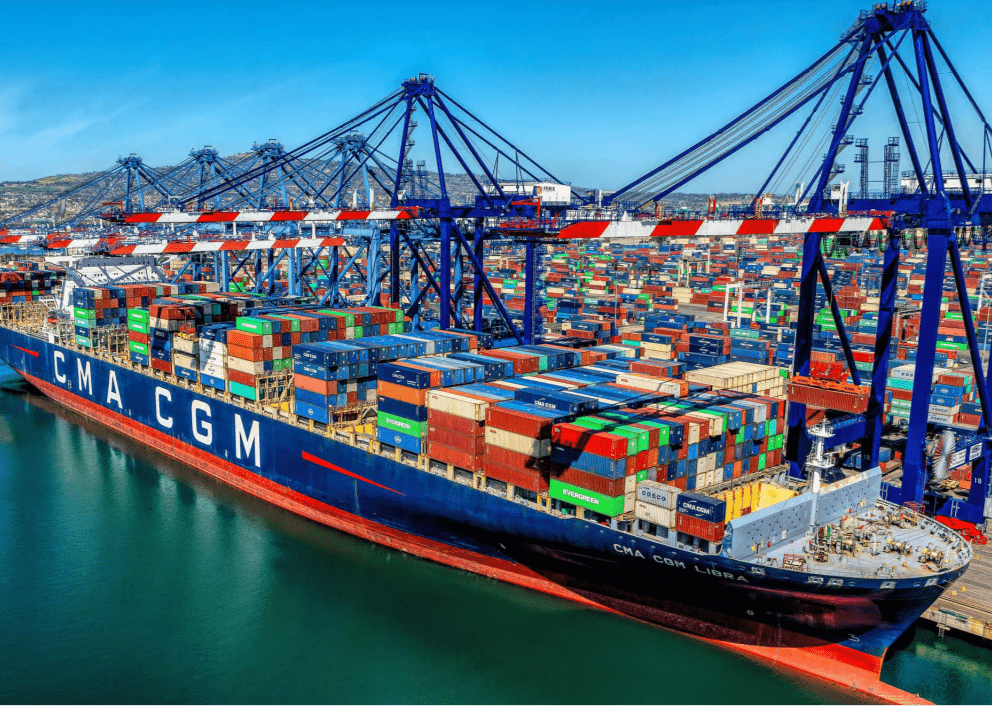
5. Logistical Challenges and Freight Dynamics
5.1 Moving Cargoes to African Ports
Global tensions in the Middle East — especially attacks near the Strait of Hormuz — have disrupted traditional shipping routes. African importers now face:
-
delays in vessel departure
-
unpredictable freight surcharges
-
war‑risk premiums
-
force majeure declarations at origin refineries
These issues have increased the cost of shipping and required logistics adaptation.
5.2 Local Transport & Distribution Bottlenecks
Once cargo arrives in Africa:
-
congestion at major ports can slow offloading
-
trucking capacity limitations can raise delivery costs
-
road closures or seasonal weather can affect inland distribution
In markets like South Africa, winter conditions add complexity to transport planning.

6. Seasonal Demand Patterns (2026)
Africa’s construction calendar affects bitumen consumption:
-
West Africa: Demand rises during dry seasons when paving is most feasible
-
East Africa: Projects maintain momentum year‑round, but weather can affect rural access
-
South Africa: Winter months typically slow roadworks and reduce bitumen usage
Understanding these seasonal cycles helps planners avoid price spikes and logistical bottlenecks.
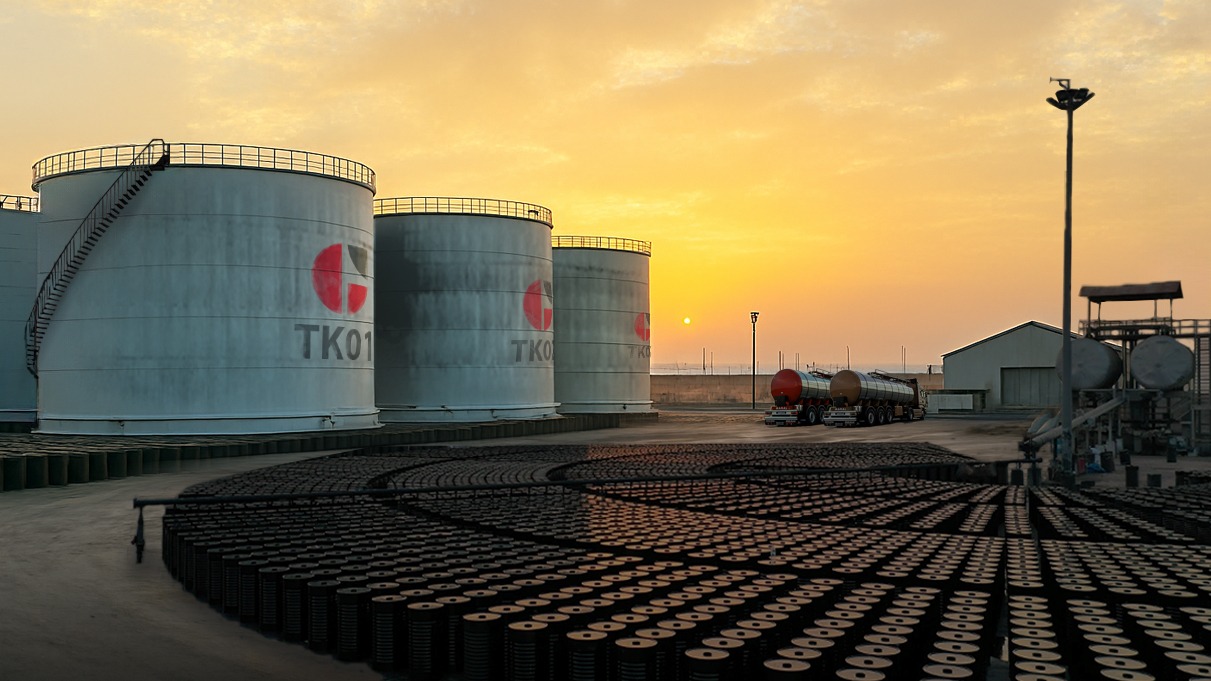
7. Why Bitumen Supply Might Stabilize in Short Term
Market indicators suggest that, despite current disruptions:
-
suppliers expect sufficient stock for the next 2–3 months
-
strategic imports can fill gaps created by force majeure events
-
regional buffer stocks help maintain continuity
However, shifts in crude prices or geopolitical developments may still influence pricing.
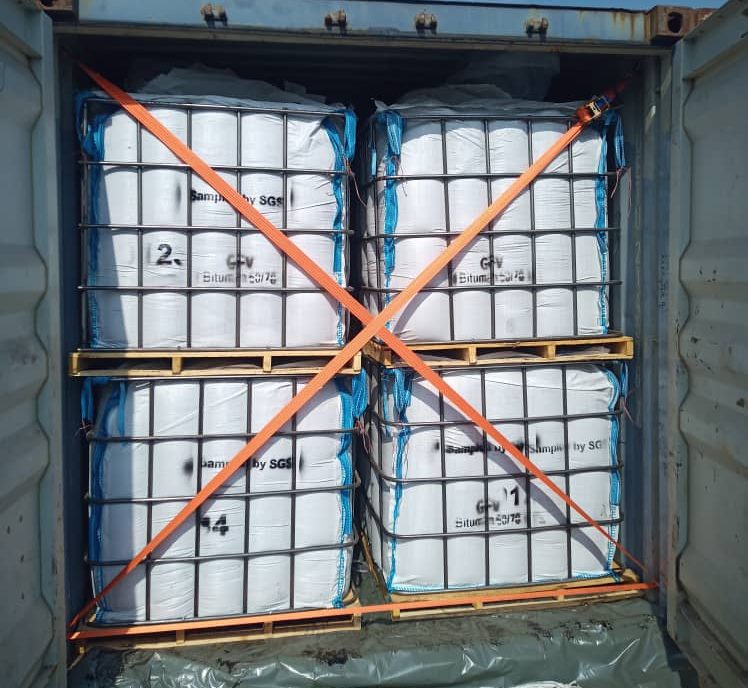
8. Future Outlook: 2026 and Beyond
8.1 Infrastructure Investment Drives Long‑Term Demand
Africa’s infrastructure ambitions — embedded in national plans and regional cooperation frameworks — will continue to support bitumen demand. Key priorities include:
-
paved highways connecting major cities
-
upgrades to trade corridors
-
port improvements to streamline imports
This sustained demand outlook makes Africa a strategic market for bitumen producers and traders.
8.2 Market Risks Still Present
Despite the optimistic outlook, potential risks remain:
-
future geopolitical tensions
-
changes in crude pricing
-
shipping disruptions
-
import tariffs or trade policy shifts
Active risk management and diversified sourcing strategies will be crucial for market players.
9. Key Takeaways for Traders & Project Planners
| Trend | Insight |
|---|---|
| Prices | Bitumen import prices are elevated in 2026 due to global supply pressures. |
| West Africa | Strong demand led by Nigeria; Senegal & Ivory Coast support regional trade. |
| East Africa | Growth in Kenya, Uganda, DRC with redirected logistics flows. |
| Logistics | Shipping and transport challenges persist; inland delivery costs rising. |
| Seasonality | Planning by season can help avoid bottlenecks and premium pricing. |
| Outlook | Long‑term infrastructure investment supports continued demand. |
Conclusion
The West & East Africa bitumen market in 2026 is shaped by global geopolitical forces, supply chain shifts, regional infrastructure expansion, and evolving logistics dynamics. While challenges remain — particularly in freight costs and shipping risk — the long‑term outlook for demand remains strong across Nigeria, East Africa, and South Africa.
Businesses that stay informed, adopt adaptive logistics strategies, and align with seasonal demand patterns will be best positioned to navigate the market successfully and capture growth opportunities in Africa’s developing infrastructure economy.