Drum vs Jumbo Bag: Which is Best for Bitumen Export?
Choosing the right bitumen packaging method is a critical decision for exporters, traders, and project managers. The two most widely used options—steel drums and jumbo bags (bitubags)—each offer unique advantages and limitations in terms of cost, safety, handling, and logistics.
In today’s competitive global market, selecting the optimal packaging solution can directly impact transport efficiency, product quality, and overall project cost. This comprehensive guide compares Drum vs jumbo bag bitumen packaging to help you determine the best option for your export needs.

1. Understanding Bitumen Packaging Methods
Bitumen is a temperature-sensitive, semi-solid petroleum product that requires proper packaging to ensure safe transportation and maintain quality. The most common export packaging methods include:
- Steel Drums (Barrels)
- Jumbo Bags (Bitubags / Polybags)
- Bulk Bitumen (for large-scale projects)
This article focuses on the comparison between Drum vs jumbo bag bitumen, as they are the most widely used in international trade, especially in regions like Africa, Asia, and the Middle East.

2. Steel Drum Bitumen Packaging
2.1 What Are Bitumen Drums?
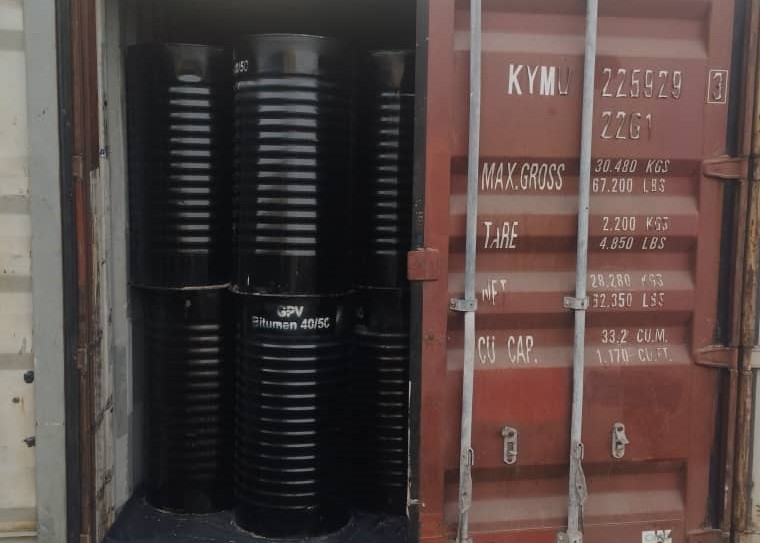
Steel drums are traditional cylindrical containers, typically holding 150–180 kg of bitumen. They are widely used due to their durability and global acceptance.
2.2 Advantages of Drum Packaging
High Product Protection
Steel drums provide strong protection against:
- contamination
- moisture exposure
- physical damage
This makes them ideal for long-distance exports and harsh shipping conditions.
Ease of Handling
Drums are easy to:
- stack
- load into containers
- transport using forklifts
They are especially suitable for smaller shipments and flexible delivery schedules.
Market Acceptance
Many countries, particularly in Africa, prefer drum-packed bitumen due to:
- established infrastructure
- familiarity with handling and storage
- ease of resale in smaller quantities
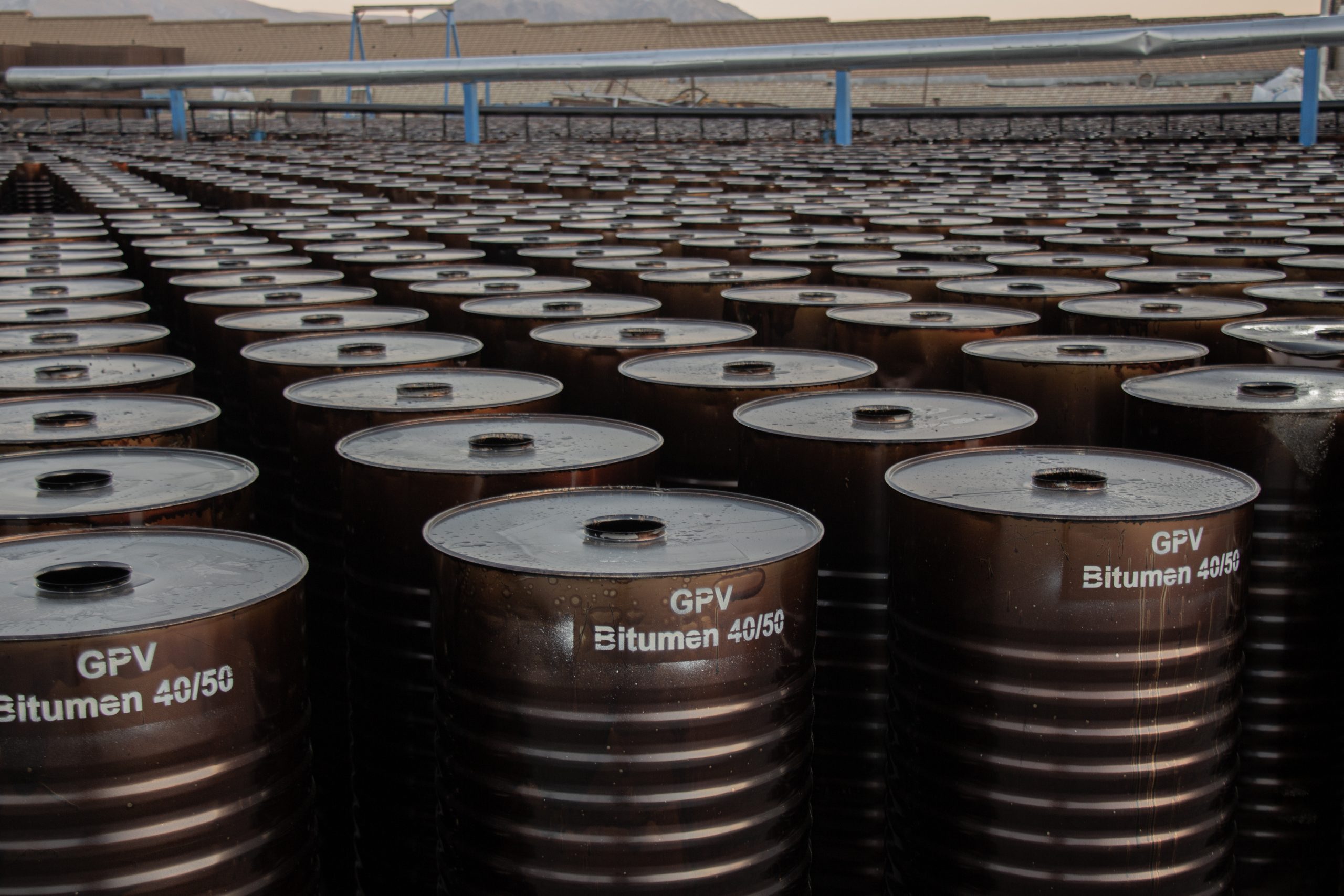
2.3 Disadvantages of Drum Packaging
Higher Cost
Drums involve:
- higher packaging material cost
- additional handling expenses
- disposal or recycling costs
Environmental Concerns
Steel drums create:
- metal waste
- recycling challenges in some regions
Lower Loading Efficiency
Compared to jumbo bags, drums:
- occupy more space
- reduce container capacity utilization

3. Jumbo Bag (Bitubag) Packaging
3.1 What Are Jumbo Bags?
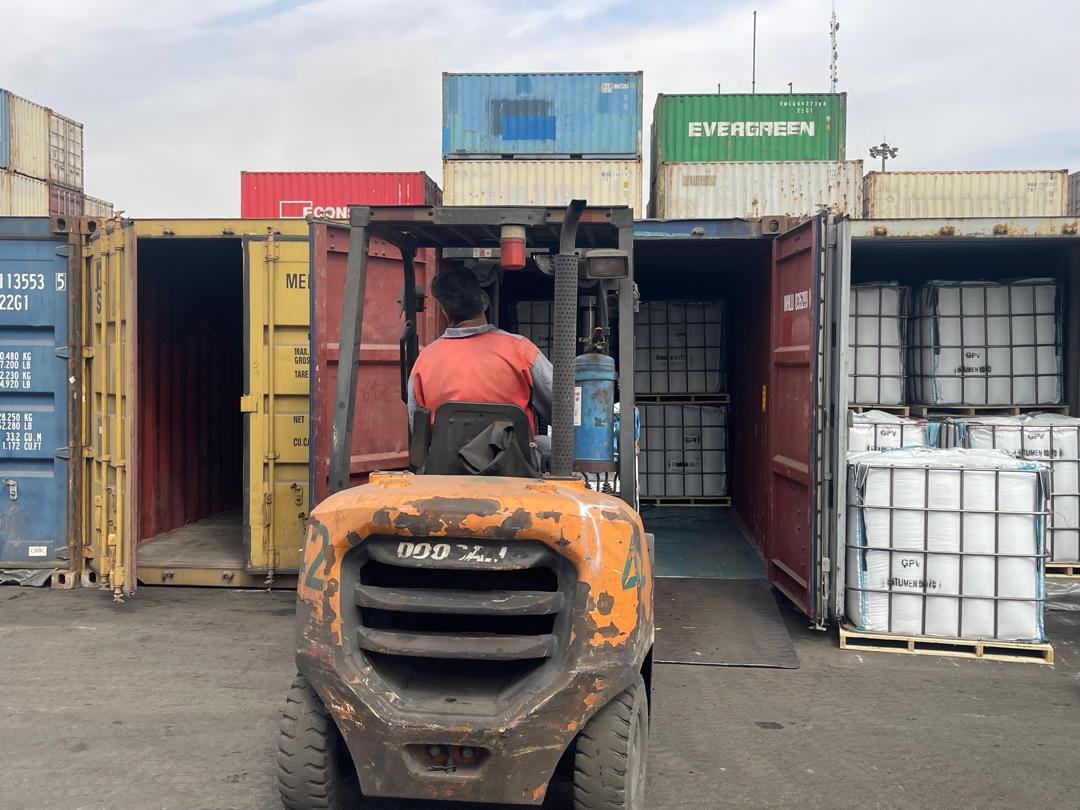
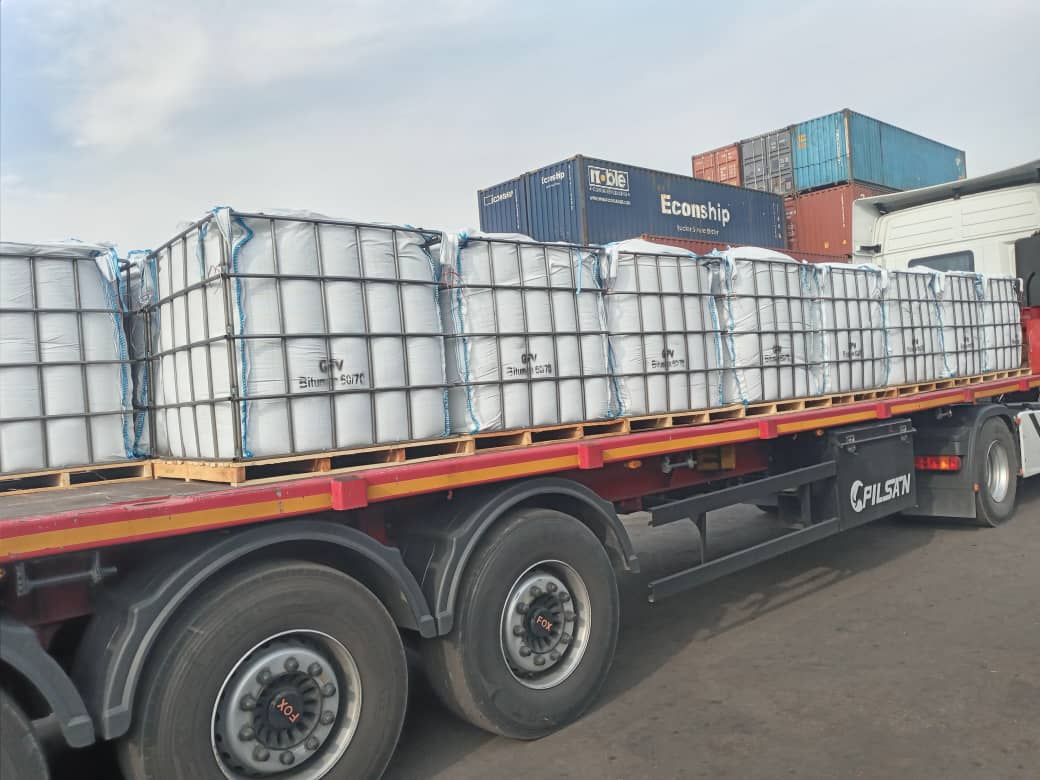
Jumbo bags (also called bitubags or polybags) are large, flexible containers made of heat-resistant material. Each bag typically holds 1 ton of bitumen and is designed to be melted directly with the product.
3.2 Advantages of Jumbo Bag Packaging
Cost Efficiency
Jumbo bags significantly reduce:
- packaging costs
- labor costs
- transportation expenses
This makes them ideal for bulk export and large-scale projects.
Higher Container Utilization
Compared to drums:
- more bitumen can be loaded per container
- fewer shipments are required
This leads to lower freight cost per ton.
No Disposal Required
Bitubags are designed to:
- melt along with bitumen
- eliminate waste handling
This provides a cleaner and more sustainable solution.
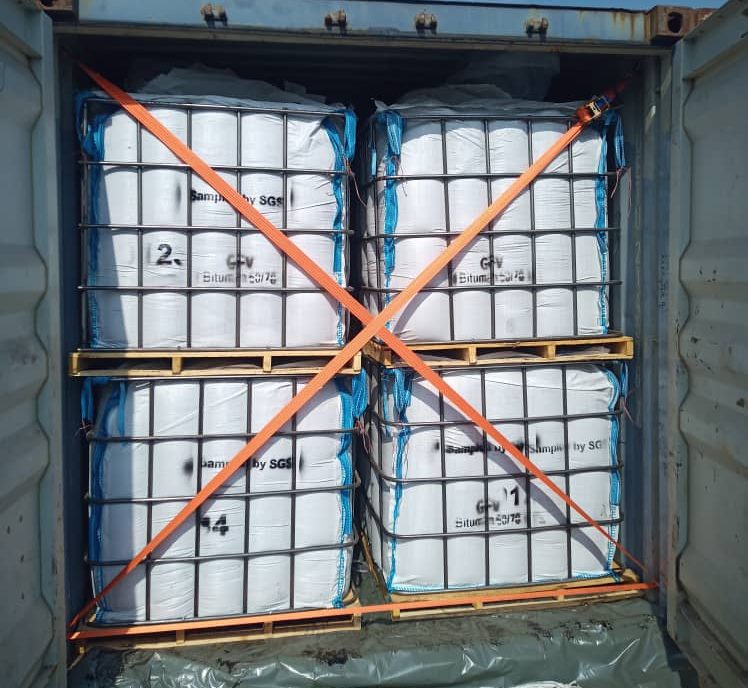
3.3 Disadvantages of Jumbo Bag Packaging
Handling Sensitivity
Jumbo bags require:
- careful handling
- proper lifting equipment
Improper handling can lead to:
- tearing
- leakage
Limited Market Acceptance
Some markets still prefer drums due to:
- traditional practices
- lack of melting facilities
Storage Considerations
Jumbo bags need:
- controlled storage conditions
- protection from extreme weather
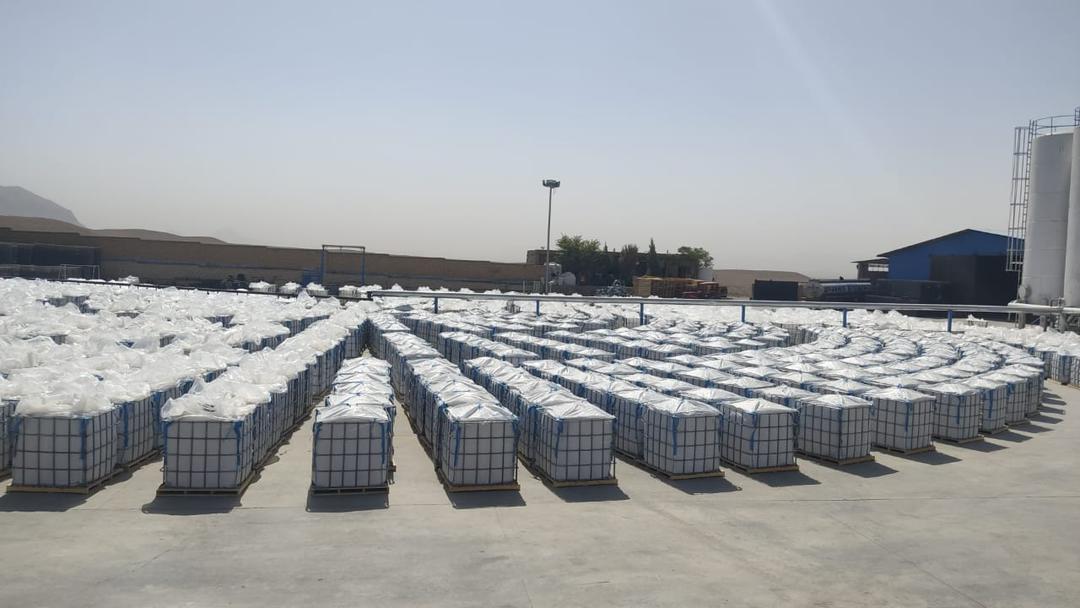
4. Drum vs Jumbo Bag: Key Comparison
| Factor | Steel Drums | Jumbo Bags |
|---|---|---|
| Cost | Higher | Lower |
| Capacity per Unit | ~150–180 kg | ~1000 kg |
| Transport Efficiency | Lower | Higher |
| Handling | Easy | Requires care |
| Environmental Impact | Waste generated | Minimal waste |
| Market Preference | High in Africa | Growing globally |
| Storage | Flexible | Needs control |
5. Which Packaging is Best for Bitumen Export?
5.1 Choose Drums If:
- You are exporting to traditional markets (e.g., West Africa)
- Your buyers require smaller distribution units
- You need maximum protection during long transit
- Infrastructure for jumbo bags is limited
5.2 Choose Jumbo Bags If:
- You are handling large-volume exports
- Your goal is to reduce cost per ton
- The destination market has melting facilities
- You want a more eco-friendly solution
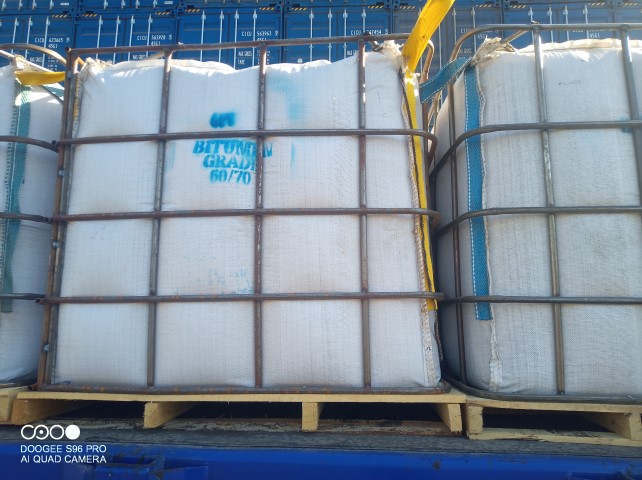
6. Regional Preferences in Bitumen Packaging
Africa
- Strong demand for drum-packed bitumen
- Growing interest in jumbo bags in East Africa
Asia
- Increasing use of jumbo bags for cost efficiency
- Drums still used for smaller projects
Middle East
- Mix of both methods depending on project size and logistics
Understanding regional preferences is essential for successful export strategy.
7. Impact on Logistics and Supply Chain
Packaging choice directly affects:
7.1 Freight Cost
- Jumbo bags reduce cost per ton
- Drums increase shipping volume and cost
7.2 Loading & Unloading Time
- Drums: slower due to higher unit count
- Jumbo bags: faster handling in bulk
7.3 Storage Efficiency
- Jumbo bags: require planning
- Drums: easier to store in smaller spaces

8. Safety Considerations
Both packaging types require proper safety measures:
For Drums:
- Secure stacking
- Leak prevention
- Safe drum heating methods
For Jumbo Bags:
- Proper lifting equipment
- Avoid sharp objects
- Controlled storage temperature
Safety compliance is essential to avoid product loss and operational risks.

9. Cost Analysis: Which is More Economical?
From an overall cost perspective:
- Drums:
- Higher upfront cost
- Higher transport cost
- Additional disposal expenses
- Jumbo Bags:
- Lower packaging cost
- Better container utilization
- Reduced logistics expenses
In most cases, jumbo bags are more economical for large shipments, while drums remain practical for smaller or traditional markets.

10. Future Trends in Bitumen Packaging
The industry is gradually shifting toward:
- eco-friendly packaging solutions
- cost optimization strategies
- bulk and jumbo bag adoption
However, drums will continue to play a role in markets where:
- infrastructure is limited
- flexibility is required
Conclusion
Choosing between drum vs jumbo bag for bitumen export depends on several factors, including cost, destination market, logistics, and project scale.
- Drums offer reliability, flexibility, and strong market acceptance
- Jumbo bags provide cost savings, efficiency, and sustainability
For exporters aiming to stay competitive in global markets, the best strategy is often a hybrid approach, selecting packaging based on customer requirements and project conditions.
Gulf Petro Vision: Leading Bitumen Supplier in the Middle East
As a leading bitumen supplier in the Middle East, Gulf Petro is committed to delivering high-quality products with flexible and customer-focused solutions. Understanding that each market and project has unique requirements, Gulf Petro offers bitumen in both steel drums and jumbo bags, tailored to meet specific client needs.
With a strong supply network, efficient logistics, and deep market expertise, Gulf Petro ensures reliable deliveries across key regions including Africa, Asia, and beyond. The company’s vision is to support global infrastructure development by providing cost-effective, safe, and adaptable bitumen packaging solutions.By aligning packaging methods with customer demand, Gulf Petro continues to strengthen its position as a trusted partner in the international bitumen market.