Bitumen Packaging Solutions: Secure & Sustainable Options
Bitumen packaging solutions are critical for maintaining product integrity and ensuring safe transport. As a leading bitumen supplier in the Middle East, Gulf Petro Vision L.L.C understands the diverse needs of our clients. This article explores the latest options, from traditional drums and bags to innovative, sustainable packaging, and vital safety guidelines.
How do modern bitumen packaging solutions meet the needs of 2025?
In 2025 the industry relies on a mix of time‑tested containers and emerging formats. Steel drums—typically 200 L and 210 L—remain the backbone for high‑temperature bitumen because of their robust carbon‑steel walls and heat‑resistant coating. HDPE drums of the same capacities offer corrosion resistance and lighter weight, easing manual handling.
Flexible options include woven polypropylene bags (90 µm) and multi‑layer paper sacks reinforced with a polyethylene liner. Bags excel in rapid discharge and can be sealed on‑site, but they are more vulnerable to puncture and moisture ingress.
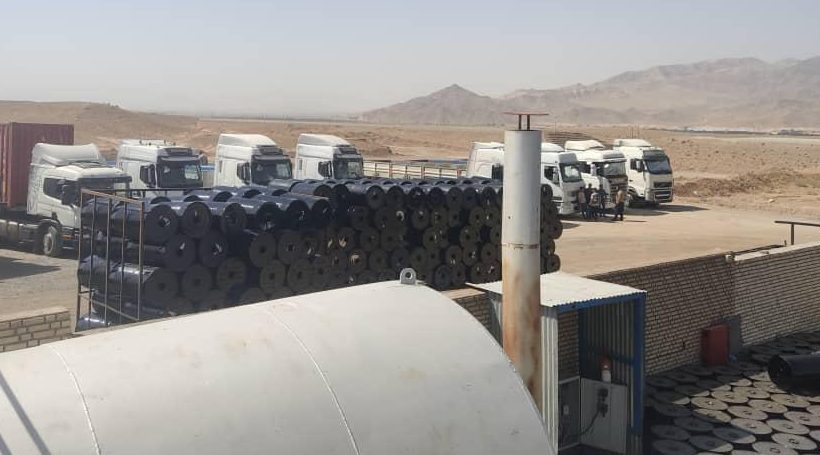
What advantages do Intermediate Bulk Containers (IBCs) bring to the supply chain?
IBCs, usually 1 000 L cubic containers with a steel cage and HDPE liner, are gaining traction for bulk moves between refineries and construction sites. Their stackable design reduces floor space, and the integrated valve system limits spillage, supporting Bitumen Steel Drum Packaging guide recommendations for safe handling.
PROS
- Reduced handling trips
- Reusable up to 1,500 cycles
- Improved leak control
CONS
- Higher upfront cost
- Requires specialized pallets
How do regional regulations shape packaging choices in the Middle East?
Gulf Cooperation Council (GCC) directives mandate fire‑resistance ratings for steel drums and enforce strict labeling of hazardous materials. These rules push operators toward certified steel or HDPE drums for high‑temperature grades, while encouraging recyclable bags for low‑viscosity formulations.
Which packaging formats are expected to dominate by the end of 2025?
Market analysts project the following share distribution across the region:
Projected share of each packaging type in the Gulf market.
Overall, the convergence of durability, handling ease, and eco‑friendly mandates is steering the industry toward a balanced portfolio of steel drums, HDPE drums, specialty bags, and increasingly, industrial bitumen containers that support sustainable logistics.
Why is Sustainable Bitumen Packaging Becoming Increasingly Important?
What environmental pressures are driving a shift away from traditional packaging?
Conventional bitumen drums and bags are typically made from steel or virgin plastic, materials that demand high energy input and generate persistent waste. Steel production releases significant CO₂, while single‑use plastics often end up in landfills or marine environments, contradicting global climate commitments. The mounting regulatory scrutiny and consumer demand for greener operations are compelling the industry to explore eco‑friendly bitumen packaging solutions that mitigate these impacts.

How do recycled and biodegradable options fit into the bitumen packaging solutions landscape?
Recycled plastics repurpose post‑consumer waste into sturdy containers, reducing the need for fresh resin. Biodegradable polymers, engineered to break down under controlled conditions, offer a cradle‑to‑grave approach that limits long‑term pollution. Meanwhile, returnable drums and intermediate bulk containers (IBCs) embody the circular economy, allowing multiple reuse cycles and dramatically lowering the material footprint.
What tangible benefits do sustainable packaging deliver?
- Reduced greenhouse‑gas emissions and lower landfill dependency.
- Enhanced brand reputation among environmentally conscious clients.
- Compliance with tightening regulations such as the EU Packaging Waste Directive.
Are the costs of switching to green alternatives prohibitive?
Initial outlays for reusable systems or high‑grade recycled materials can be higher than traditional options. However, lifecycle analyses reveal long‑term savings through decreased disposal fees, lower transportation weight, and fewer replacement purchases. Companies that invest early often reap financial rewards as market incentives and bulk‑ordering discounts emerge.
Comparison of carbon emissions across common bitumen packaging options.
How is Gulf Petro Vision championing circular‑economy principles in 2025?
Gulf Petro Vision collaborates with suppliers to certify recycled‑content drums, launches a nationwide return‑logistics network for IBCs, and publishes Bitumen Steel Drum Packaging: A Complete Guide to assist clients in meeting bitumen packaging safety guidelines. By embedding bitumen packaging trends 2025 into its strategy, the company positions itself as a leader in sustainable industrial bitumen containers and paves the way for a greener supply chain.
What are the primary hazards associated with handling bitumen?
Bitumen is typically stored at temperatures above 150 °C, creating burn and scald risks. Its high flash point makes it flammable under certain conditions, while the viscous nature can cause spills that are hard to contain. Workers must be aware of thermal burns, fire hazards, and environmental contamination before any transfer.
How do international regulations shape bitumen packaging safety guidelines?
Compliance starts with UN Model Regulations for the transport of dangerous goods, which classify bitumen as a Class 3 flammable liquid. Sea freight must also follow the IMDG Code, dictating container construction, segregation, and stowage. Regional standards, such as the Gulf Cooperation Council (GCC) safety directives, reinforce these requirements and specify testing for drums, bags, and IBCs.

Which labeling requirements must be met for bitumen packaging solutions?
Every container—whether a steel drum, flexible bag, or intermediate bulk container—must display the UN 2818 hazard identifier, the appropriate GHS pictograms (flame, hot surface), and handling instructions in both Arabic and English. Labels should be durable, resistant to heat, and placed where they remain visible during loading and unloading.
What best practices ensure safe loading, unloading, and transport?
Use heated loading bays and insulated pumps to maintain fluidity while minimizing splatter. Secure drums on proven rack systems, strap IBCs, and employ forklift attachments designed for high‑temperature loads. For each packaging format, follow a step‑by‑step checklist that includes temperature checks, leak inspections, and documentation of seal numbers.
How should emergencies be managed in case of spills or leaks?
Activate the site’s emergency response plan immediately. Contain the spill with heat‑resistant absorbent booms, neutralize any fire using Class B extinguishing agents, and report the incident to local authorities as required by the UN Hazardous Materials Regulations.
Why is employee training and PPE critical for compliance?
Workers must wear flame‑resistant coveralls, insulated gloves, face shields, and heat‑proof boots. Regular training refreshers on temperature monitoring, container inspection, and emergency drills keep safety awareness high.
Can custom bitumen packaging services enhance safety and compliance?
Specialized manufacturers can integrate thermal liners, secondary containment, and RFID tracking into drums, bags, and IBCs. These features ensure that each unit meets both UN standards and the latest Bitumen Steel Drum Packaging: A Complete Guide, reducing risk while supporting sustainable packaging trends.
Bar chart illustrating the impact of compliance and training on incident reduction.
PROS
- Enhanced worker safety
- Regulatory compliance
- Reduced environmental impact
CONS
- Higher upfront packaging cost
- Need for specialized training
Choosing the right bitumen packaging solutions is paramount for efficiency, safety, and environmental responsibility. Gulf Petro Vision L.L.C remains committed to providing clients with the most effective and sustainable options available. Explore our comprehensive range of bitumen grades and packaging services – contact us today to discuss your specific requirements and ensure a smooth, reliable supply chain.