Bitumen Steel Drum Packaging: A Complete Guide
Bitumen steel drum packaging is crucial for the safe and efficient transport of this vital petroleum product. At Gulf Petro Vision L.L.C, we understand the complexities involved in maintaining bitumen quality during shipping. This guide provides a comprehensive overview of current standards, emerging trends, and best practices for bitumen drum packaging, ensuring regulatory compliance and optimized logistics.
Transporting hot‑mix bitumen safely hinges on the drum’s ability to resist corrosion, contain high temperatures, and meet rigorous international regulations. Understanding the tapestry of standards that govern drum design, material thickness, internal coatings, and testing protocols is essential for importers, distributors, and logistics providers who seek both product integrity and regulatory compliance.
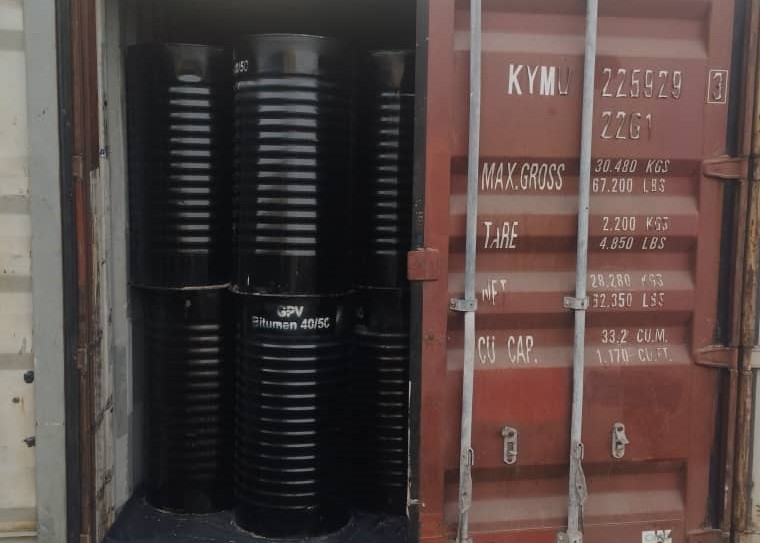
What are the key Bitumen steel drum packaging standards governing global trade?
Three bodies dominate the rule‑making landscape:
- ISO 9001/ISO 20844 – sets quality‑management requirements and outlines the performance criteria for steel drums used in the petroleum sector, including impact resistance and temperature limits.
- ASTM D4052 – specifies dimensions, minimum steel gauge (commonly 0.9 mm for 200 L drums), and the mandatory zinc‑rich inner coating to prevent bitumen adhesion.
- UN UN3373 and UN UN 1276 – define classification, packing group, and testing (hydrostatic, drop, and venting) for hazardous liquids, ensuring that drums can survive the rigors of sea, rail, and road transport.
These standards converge on a few critical specifications: a minimum steel thickness of 0.9 mm for standard 200 L drums, a corrosion‑resistant inner coating of at least 15 µm, and a venting system that complies with UN 3273 for temperature‑induced pressure build‑up. Compliance is proven through a Certificate of Conformity issued after third‑party testing, a cornerstone of quality control for industrial bitumen drum packaging solutions.
Average compliance percentages across major standards for 200 L steel drums.
How do ISO, ASTM, and UN specifications differ for drum construction and coating?
ISO focuses on systematic quality‑management and performance testing, requiring a hydrostatic test at 1.5 times the drum’s rated pressure. ASTM zeroes in on material properties, mandating a zinc‑rich coating with a minimum thickness of 15 µm to prevent bitumen seepage. UN regulations add a safety layer, dictating venting designs that accommodate pressure spikes up to 1.2 bar for temperatures reaching 180 °C, a typical range for heated bitumen grades such as 70/100 and 80/100.
For high‑grade polymer‑modified bitumen, the coating requirement may increase to 25 µm, and the drum’s steel gauge can be reinforced to 1.2 mm to meet the stricter UN drop‑test criteria (1.5 m from 1.2 m height). These nuanced differences guide manufacturers in delivering cost‑effective bitumen drum transport containers that align with the specific grade being shipped.
What are the consequences of non‑compliance for shipments in the Middle East and beyond?
Regions such as the Gulf Cooperation Council (GCC) adhere closely to both ISO and UN standards, incorporating additional local regulations that demand periodic drum inspection reports. Failure to meet these requirements can trigger:
- Immediate customs detention and hefty fines (often exceeding USD 10,000 per non‑conforming drum).
- Mandatory re‑packaging at the exporter’s expense, causing shipment delays of up to 14 days.
- Liability for environmental contamination if a coating failure leads to bitumen spillage, exposing companies to remediation costs and reputational damage.
Thus, rigorous quality control, third‑party certification, and adherence to the outlined bitumen steel drum packaging standards are not optional—they are the backbone of safe, reliable, and legally compliant bitumen logistics worldwide.

Why does Bitumen steel drum packaging matter for safe transport?
Choosing the right industrial bitumen drum packaging solution is not a cosmetic decision; it directly impacts product integrity, worker safety, and overall logistics cost. Bitumen is a temperature‑sensitive, viscous material that can become hazardous if exposed to temperature swings or mechanical shock. A well‑designed drum protects against leaks, corrosion, and contamination, ensuring that the end user receives a product that meets performance specifications.
How do bitumen grade and viscosity influence the choice of drum material?
Low‑grade bitumen (softening point below 60 °C) remains fluid at ambient temperatures, demanding drums with smooth interior finishes to prevent adhesion. High‑grade, heavily polymer‑modified bitumen often requires heaters during transport; therefore, drums must tolerate repeated hot‑fill cycles without warping. Viscosity determines whether a drum needs a larger aperture or a specialized pump, and it also dictates the type of inner lining needed to maintain flow characteristics.
Which drum material offers the best balance between strength and corrosion resistance?
| Cost‑effective | Higher upfront cost |
| Excellent tensile strength | Superior resistance to rust |
| Requires internal coating | Often usable bare‑metal |
Carbon steel drums are the workhorse of the industry; they provide high durability at a lower price point but rely on epoxy or zinc‑based internal coatings to stave off corrosion. Stainless steel drums eliminate the need for coatings, preserving bitumen purity, but they demand a larger capital investment and can be heavier, affecting freight economics.
What role do inner linings play in preventing corrosion and preserving purity?
PROS
- Barrier against moisture ingress
- Compatibility with a wide range of bitumen additives
- Extended drum lifespan, reducing replacement frequency
CONS
- Potential for coating degradation under repeated heating
- Additional inspection and maintenance requirements
Epoxy, phenolic, and fluoropolymer linings each offer varying degrees of chemical resistance. For hot‑applied bitumen, a high‑temperature epoxy that can endure 200 °C is preferred to avoid delamination, which could introduce particulate contamination.
How critical are secure closures and sealing mechanisms?
Threaded caps with PTFE gaskets, bolted drum lids with lock rings, and heat‑shrink seals are common. The chosen system must maintain integrity throughout temperature fluctuations, vibration, and potential impact during loading/unloading. A compromised seal not only creates safety hazards but also triggers regulatory non‑compliance under transport laws.
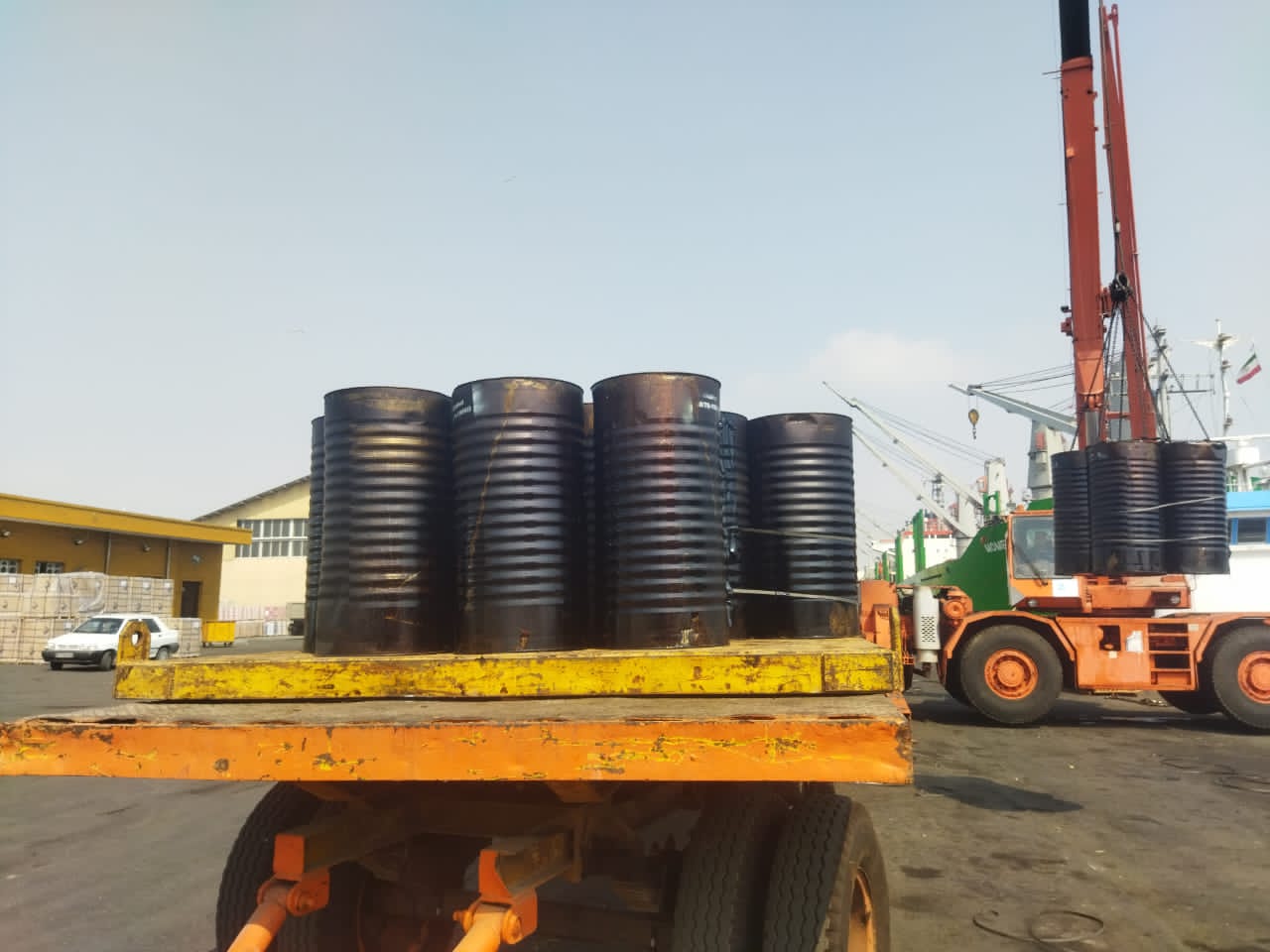
What are the cost‑benefit considerations for different packaging options?
Comparison of five‑year total cost including purchase, maintenance, and expected loss due to damage.
Carbon steel drums present the lowest initial outlay but incur recurring coating repairs, especially when hot‑filled. Stainless steel offers a higher upfront cost yet delivers a longer service life with minimal maintenance, improving the overall cost‑effectiveness for high‑value or environmentally sensitive shipments. Selecting a solution aligned with the specific bitumen grade, transport distance, and climatic exposure ensures compliance with bitumen steel drum packaging standards while optimizing the total cost of ownership.
How can you reduce freight costs while keeping Bitumen steel drum packaging safe?
Transporting hot‑mix bitumen in steel drums is inherently heavy, but the expense can be controlled through smart container choices and handling practices. By adopting returnable steel drums and aligning drum dimensions with container geometry, shippers trim both weight‑based surcharges and empty‑space penalties.
What role do returnable steel drums play in cost‑effective bitumen drum transport?
Returnable drums are designed for multiple trips, which eliminates the recurring price of single‑use containers. Their robust construction meets bitumen steel drum packaging standards and offers a predictable tare weight, allowing carriers to calculate freight more accurately. Moreover, reusable drums reduce waste‑disposal fees and support environmentally friendly bitumen drum packaging initiatives.
How does drum size and weight influence shipping expenses?
Most international freight charges are based on either gross weight or volumetric weight, whichever is higher. A standard 55 gal drum weighs roughly 30 kg when filled; larger 125 gal drums can exceed 70 kg. Selecting the smallest drum that still meets the required volume minimizes weight‑based fees. Additionally, standardizing drum sizes across a shipment simplifies stacking patterns, which maximizes container utilization.

Why should you palletize and secure drums for optimal container space?
Palletizing provides a stable base, reduces product shift, and speeds up loading/unloading. When drums are arranged on a single‑deck pallet, a typical 20‑ft container can hold 30‑40 drums, compared with 22–24 when drums are loaded loosely. Properly strapping and using edge protectors also prevents damage, avoiding costly claims.
What benefits do logistics providers bring to optimizing transport routes?
Specialized logistics firms use routing algorithms that balance distance, fuel consumption, and border‑crossing times. By consolidating shipments and selecting optimal ports of entry, they can lower transit times and reduce demurrage. Their expertise in customs documentation also prevents delays related to regulatory compliance for bitumen drum packaging.
Can bulk packaging options like IBCs outperform individual drums?
Intermediate Bulk Containers (IBCs) hold up to 1 000 L of bitumen, drastically reducing the number of handling points. Fewer units mean less labor and lower storage footprints. However, IBCs require compatible pumps and may involve higher upfront equipment costs. The decision hinges on a cost‑benefit analysis that weighs handling savings against initial investment.
Comparison of typical cost‑saving percentages for different packaging options.
How does proper documentation and labeling avoid penalties?
Accurate labeling—including UN numbers, hazard symbols, and the statement “Bitumen steel drum packaging”—ensures swift customs clearance. Incomplete paperwork can trigger inspections, leading to detention fees and shipment delays. Leveraging digital manifests also shortens turnaround times and supports compliance with the latest 2025 bitumen drum packaging trends.
By integrating returnable drums, standardizing sizes, palletizing efficiently, partnering with knowledgeable logistics providers, and considering bulk alternatives where appropriate, importers can achieve a lean, cost‑effective transport chain without compromising safety or regulatory adherence.

What are the 2025 bitumen drum packaging trends reshaping the industry?
Stakeholders across the supply chain are scanning the horizon for shifts that will redefine how bitumen is shipped. The most prominent currents include a surge in sustainability mandates, the rise of data‑driven smart packaging, tighter regulatory oversight, and the acceleration of automation. Together, these forces are forging a new baseline for cost‑effective bitumen drum transport containers that balance safety, compliance, and environmental stewardship.
How will environmentally friendly bitumen drum packaging drive material choices?
Clients are demanding solutions that reduce carbon footprints without compromising performance. Bio‑based epoxy coatings derived from renewable feedstocks are moving from pilot projects into mainstream environmentally friendly bitumen drum packaging. These coatings provide the same corrosion resistance as traditional petro‑chemical linings while offering up to a 30 % reduction in lifecycle emissions. At the same time, manufacturers are experimenting with high‑strength recycled steel alloys, allowing drums to be reclaimed and re‑rolled after a single‑use cycle.
Can smart packaging technologies transform Bitumen steel drum packaging?
Intelligent devices are turning ordinary drums into connected assets. RFID tags embedded in drum lids transmit location data to warehouse management systems, while temperature‑sensitive sensors monitor the viscosity of hot bitumen in real time. Data streams enable predictive alerts if a drum deviates from prescribed temperature windows, reducing the risk of premature solidification or overheating during transit. This visibility not only safeguards product quality but also streamlines customs inspections, aligning with regulatory compliance for bitumen drum packaging.

What regulatory pressures will tighten compliance for bitumen steel drum packaging?
Global authorities are revising standards to address hazardous material transport and waste reduction. New labeling clauses require explicit disclosure of coating composition, residual bitumen content, and recycling instructions. In regions adopting the updated bitumen steel drum packaging standards, non‑conforming drums may face shipment delays or fines. Companies that proactively embed compliance data into RFID records gain a decisive advantage, turning regulatory burdens into operational efficiencies.
Will automation and robotics redefine drum filling and handling?
Advanced robotic arms equipped with vision systems now handle drum positioning, seal application, and volume verification with sub‑millimeter precision. Integrated PLC controls synchronize filling pumps to maintain target temperatures, reducing human exposure to hot bitumen and minimizing spillage incidents. The shift toward fully automated lines promises higher throughput, consistent weight distribution, and lower labor costs, reinforcing the case for industrial bitumen drum packaging solutions that scale with demand.
How might geopolitical shifts affect packaging availability and pricing?
Trade tensions and raw‑material shortages can reverberate through the steel supply chain, inflating the cost of blank drums. Simultaneously, regional mandates encouraging domestic production of recyclable packaging materials may spur new suppliers, diversifying source options. Companies that diversify their drum inventory—balancing traditional steel with emerging composite alternatives—will be better positioned to absorb price volatility and sustain uninterrupted bitumen shipments.

How does Bitumen steel drum packaging become more sustainable?
Adopting environmentally friendly bitumen drum packaging solutions transforms a traditional logistics challenge into a strategic advantage. Recycled steel drums cut the demand for virgin ore, lowering the energy intensity of steel production by up to 40 %. This directly reduces the carbon footprint associated with manufacturing Bitumen steel drum packaging, helping companies meet stricter climate targets while preserving the structural integrity required for hot‑mix transport.
What role do recycled steel drums play in reducing carbon emissions?
When steel is reclaimed from end‑of‑life containers, the melting process consumes significantly less fuel than processing raw iron. A recent industry study showed a 30 % reduction in CO₂ emissions per tonne of drum produced when using ≥80 % recycled content. The environmental gain is reinforced by circular‑economy policies that encourage manufacturers to source scrap locally, minimizing transport emissions.
Carbon‑reduction potential of different steel sources for drum manufacturing.
Can bio‑based coatings replace traditional petroleum linings?
Emerging bio‑based polymers derived from starch, lignin, or algae offer comparable chemical resistance to conventional epoxy linings while eliminating fossil‑derived feedstocks. These coatings also exhibit lower volatile organic compound (VOC) emissions, easing compliance with occupational health regulations. Early adopters report improved drum lifespan, meaning fewer replacements and further waste reduction.

Why are reusable drum programs essential for long‑term cost savings?
Closed‑loop packaging systems encourage the return, inspection, and refurbishment of drums after each delivery. By integrating reusable drum programs, firms convert a single‑use expense into an amortized asset. Over a five‑year horizon, reuse can lower total logistics spend by 20–25 % compared with disposable drums, while dramatically curbing landfill waste.
PROS
- Reduced material acquisition costs
- Lower environmental impact and compliance risk
- Enhanced brand reputation among eco‑conscious customers
CONS
- Initial investment in tracking and cleaning infrastructure
- Need for rigorous inspection protocols to ensure safety
Which companies are leading the way in sustainable bitumen drum packaging?
Several industry players have set benchmarks for green practices. SteelCo’s “Eco‑Drum” line incorporates 90 % post‑consumer steel and offers a proprietary bio‑based inner coating. GreenSeal Logistics pairs reusable drums with a digital return‑tracking platform, achieving a 95 % drum recovery rate. These examples illustrate how aligning industrial bitumen drum packaging solutions with regulatory compliance for bitumen drum packaging can generate both environmental and economic dividends.
As consumer expectations and legislative pressure intensify, the transition toward environmentally friendly bitumen drum packaging is not merely a compliance checkbox—it is a strategic driver of long‑term value creation. By embracing recycled materials, bio‑based linings, and closed‑loop systems, businesses can secure cost‑effective bitumen drum transport containers while positioning themselves at the forefront of the 2025 bitumen drum packaging trends.

How does Bitumen steel drum packaging customization boost shipping efficiency?
Customizable steel drums give importers and distributors the flexibility to match drum dimensions, wall thickness, and interior coatings to the specific viscosity and temperature range of each bitumen grade. By selecting a drum diameter and height that aligns with the product volume, you minimize the amount of airspace inside each container, which reduces heat loss and the energy required to keep hot‑applied bitumen at the optimal temperature.
What options exist for tailoring drum size, shape, and coating to different bitumen grades?
Manufacturers can produce drums ranging from 20 L to 210 L, with tapered or straight sidewalls to accommodate bulk handling equipment. For polymer‑modified bitumen, a stainless‑steel or epoxy‑lined interior provides superior chemical resistance, while standard carbon steel with a zinc‑rich coating is sufficient for conventional grades. The ability to specify wall thickness—ranging from 2 mm to 5 mm—also enhances durability during long‑haul transport, directly supporting industrial bitumen drum packaging solutions.
Coating preferences among global bitumen shippers.
Why are custom labeling and branding important for product identification and marketing?
Printed barrel wraps, laser‑etched metal stamps, or RFID‑enabled labels can convey batch numbers, safety data sheets, and company branding in one glance. A distinctive visual identity not only speeds up warehouse sorting but also reinforces brand trust with end‑users, turning each drum into a mobile advertisement on the construction site.
How do specialized drum features like venting systems and pressure‑relief valves enhance safety?
Hot‑applied bitumen expands as it cools, generating internal pressure. Integrated vent plugs or calibrated pressure‑relief valves allow gases to escape without exposing workers to hazardous fumes. This feature is a cornerstone of regulatory compliance for bitumen drum packaging, ensuring that drums meet both UN 2075 and local occupational safety standards.
What is the typical process for working with a packaging manufacturer to design custom drums?
1. Submit a technical brief that outlines bitumen grade, target shipping temperature, and handling equipment.
2. Review engineering drawings and material specifications, adjusting dimensions or coating choices as needed.
3. Approve a prototype batch for field testing to verify thermal performance and venting efficiency.
4. Scale up production, incorporating custom graphics and RFID tags during the final stamping stage.

How does customizing drums relate to overall Bitumen steel drum packaging solutions?
When each drum is engineered for its specific cargo, the entire logistics chain becomes more cost‑effective. Optimized drum volume reduces the number of containers required, directly lowering freight costs for cost‑effective bitumen drum transport containers. At the same time, fewer empty‑space drums cut waste, supporting environmentally friendly bitumen drum packaging initiatives. The cumulative effect is a streamlined supply chain that complies with standards, safeguards personnel, and strengthens the brand’s market position.
Successfully navigating the world of bitumen steel drum packaging requires a thorough understanding of regulations, emerging trends, and available solutions. As we look towards 2025, prioritizing environmentally friendly options and customizable solutions will be key. Gulf Petro Vision L.L.C is dedicated to providing expert guidance and quality products. Contact us today to discuss your specific bitumen packaging needs.