African Bitumen Prices Surge as Iran Conflict Disrupts Supply Chains Across Key Markets
Rising Bitumen Prices Across Sub-Saharan Africa
Bitumen prices in Africa have climbed rapidly in recent weeks, reflecting the broader impact of global oil market instability. The combination of higher export prices, increased shipping costs, and logistical challenges has created a perfect storm for price escalation.
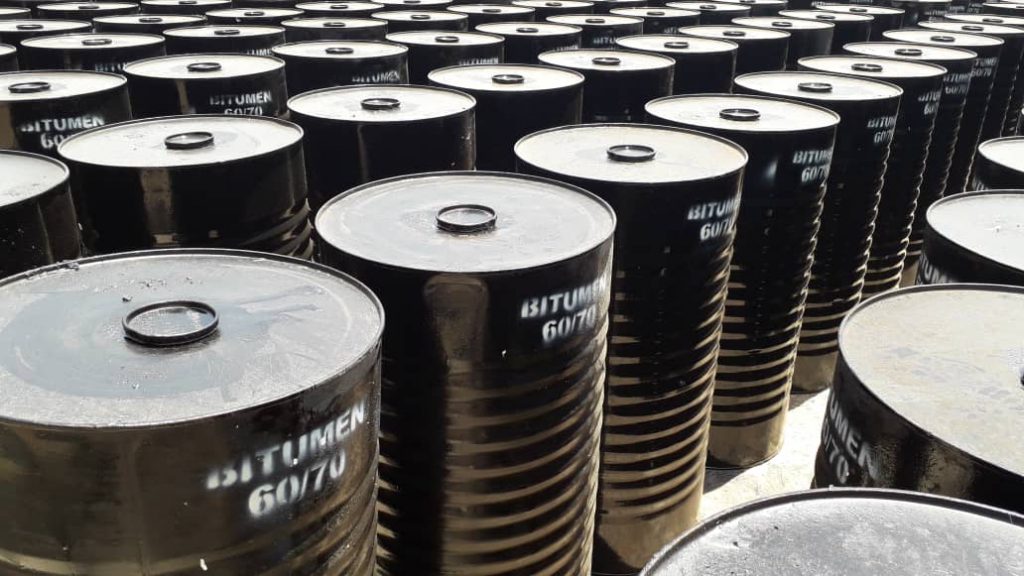
Countries such as Kenya and the Democratic Republic of the Congo are among the hardest hit. These nations rely heavily on imports from the Middle East Gulf, particularly from Iran, where bitumen is exported in drums, bulk shipments, and containers.
As a result, even small disruptions in supply routes have an amplified effect on local pricing structures. Construction companies, which depend on consistent bitumen supply for road projects, are now facing higher procurement costs.
East Africa Faces the Sharpest Price Increases
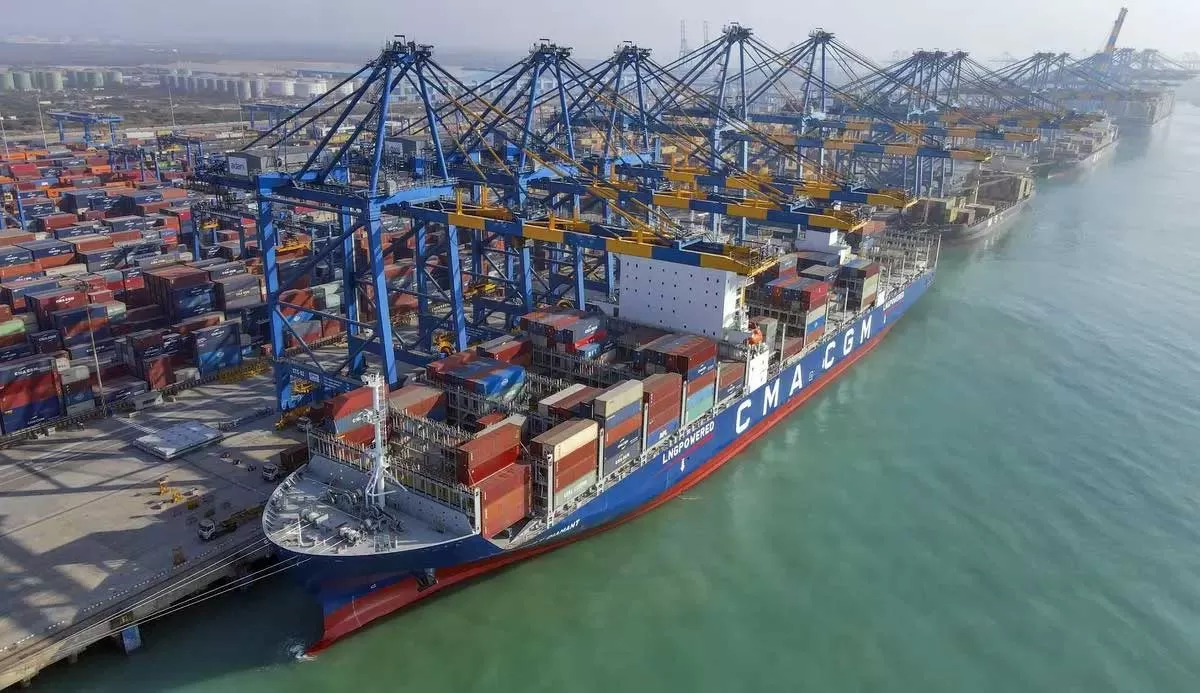
East Africa has seen some of the most dramatic price movements. In Mombasa, a key import hub, truck-delivered bitumen prices have surged by approximately 40% compared to levels recorded before the escalation of Middle East tensions in late February.
Prices have risen to between KSh150 and KSh170 per kilogram, equivalent to roughly $1,159–$1,313 per tonne. Meanwhile, in Nairobi, ex-works prices have climbed even higher, reaching KSh165–175/kg.
One of the main drivers behind this surge is the sharp increase in diesel prices. Since diesel is essential for transporting bitumen inland, rising fuel costs are directly impacting final delivery prices across East and Central Africa. Additionally, limited availability of cargo and delays in shipments have forced buyers to accept higher prices to secure supply.
Freight Costs Surge Due to War Risk Premiums
A major contributor to rising bitumen prices is the dramatic increase in freight costs. Shipping companies have introduced war risk surcharges following heightened tensions in the Middle East, particularly around key export routes.
Ports such as Bandar Abbas and Jebel Ali have seen shipping rates spike significantly. Freight costs for drummed bitumen shipments to African ports like Dar es Salaam and Djibouti have risen to around $230 per tonne.
This represents a sharp increase compared to late February, when rates ranged between $90 and $120 per tonne. Such a dramatic rise in logistics costs is feeding directly into higher market prices across the continent.

West Africa Shows Mixed Trends but Upward Momentum
In Nigeria, the impact has so far been more moderate compared to East Africa. This is largely because some suppliers are still distributing stock purchased before the conflict intensified.
However, prices are steadily increasing. Current ex-works prices have reached approximately 1.35 million naira per tone, with some transactions approaching 1.4 million naira. Just weeks earlier, prices were closer to 1.2–1.25 million naira per tone.
As older inventory is depleted and new, higher-cost imports enter the market, analysts expect a more pronounced increase in Nigerian prices in the coming weeks.
In other West African markets, the situation is already more severe. For example, shipments routed through Lomé in Togo have seen significant cost increases. Delivered prices for bitumen have reached $900–910 per tone when including inland transportation costs.
This sharp rise reflects both higher import prices and increased trucking expenses to landlocked regions.
Southern Africa Adjusts to New Supply Realities
In South Africa, bitumen prices are also on the rise, driven by changing supply dynamics. The country has traditionally sourced competitively priced cargoes from the Middle East Gulf. However, ongoing geopolitical tensions have disrupted these supply routes.
As a result, South Africa is increasingly relying on imports from the Mediterranean region, particularly from countries like Greece and Turkey.
These alternative supply routes are longer and more expensive, requiring shipments to travel around West Africa before reaching ports such as Durban and Cape Town.
Domestic truck prices have increased to around R12,500–13,000 per tonne, with some reports indicating levels as high as R14,500 per tonne. This marks a substantial rise compared to prices recorded in February.

Global Price Trends and Import Costs
The rise in African bitumen prices is closely linked to global market trends. Export prices from Greece, for example, have increased significantly, reaching $605–610 per tone compared to $386 per tonne in late February.
Once freight, handling, and storage costs are added, the total landed cost in South Africa is expected to approach $810 per tone. These higher import costs are being passed through the supply chain, ultimately impacting end-users such as construction companies.

Construction Sector Remains Resilient Despite Higher Costs
Despite rising prices, there has been little evidence of demand destruction across most African markets. Construction companies continue to purchase bitumen to maintain progress on infrastructure projects.
This resilience is largely due to the essential nature of road construction and maintenance. Governments and private contractors are often unable to delay projects, even in the face of rising material costs. However, sustained price increases could eventually lead to budget revisions or project delays, particularly in countries with limited financial flexibility.

Seasonal Factors May Ease Pressure in South Africa
Looking ahead, seasonal trends may provide some relief in certain markets. In South Africa, the upcoming winter months—typically from May to August—are associated with reduced construction activity.
During this period, bitumen demand often declines by as much as 50%, which could help stabilize prices temporarily. However, this seasonal slowdown is unlikely to fully offset the broader impact of global supply disruptions.

Outlook: Continued Volatility Expected
The outlook for African bitumen markets remains uncertain. Much will depend on how geopolitical tensions evolve, particularly in relation to Iran and key shipping routes.
If disruptions persist, freight costs and supply constraints are likely to continue driving prices higher. On the other hand, any easing of tensions could lead to a stabilization—or even a correction—in prices.
For now, market participants are preparing for continued volatility, with buyers adopting cautious procurement strategies and suppliers adjusting to rapidly changing conditions.

Conclusion
The sharp rise in African bitumen prices underscores how deeply global geopolitics can influence regional infrastructure markets. Disruptions linked to Iran have triggered higher freight costs, tighter supply, and shifting trade routes, all of which are pushing prices upward across East, West, and Southern Africa.
While demand has remained relatively resilient so far, continued volatility in supply chains and oil markets could place increasing pressure on construction budgets in the coming months. Market participants will need to stay flexible, closely monitor pricing trends, and secure reliable supply channels to navigate this uncertain environment. Gulf Petro Vision is emerging as a trusted bitumen supplier in Africa, offering a wide range of grades to meet diverse project requirements. With a strong focus on consistent quality, reliable delivery, and competitive pricing, the company supports contractors and distributors in maintaining stable operations despite market fluctuations.