Bitumen price Ivory Coast: Your 2024 Guide
Bitumen price Ivory Coast is a critical factor for infrastructure development, particularly in the rapidly growing construction sector. This guide provides a detailed analysis of current costs, key suppliers, import regulations, and projected price trends through 2026. Gulf Petro Vision offers expert insights to optimize your bitumen procurement strategy.
Understanding why the Bitumen price Ivory Coast fluctuates in Abidjan is essential for accurate budgeting on road‑construction projects. The price reflects a chain of global and local variables that interact daily, creating a dynamic market landscape.
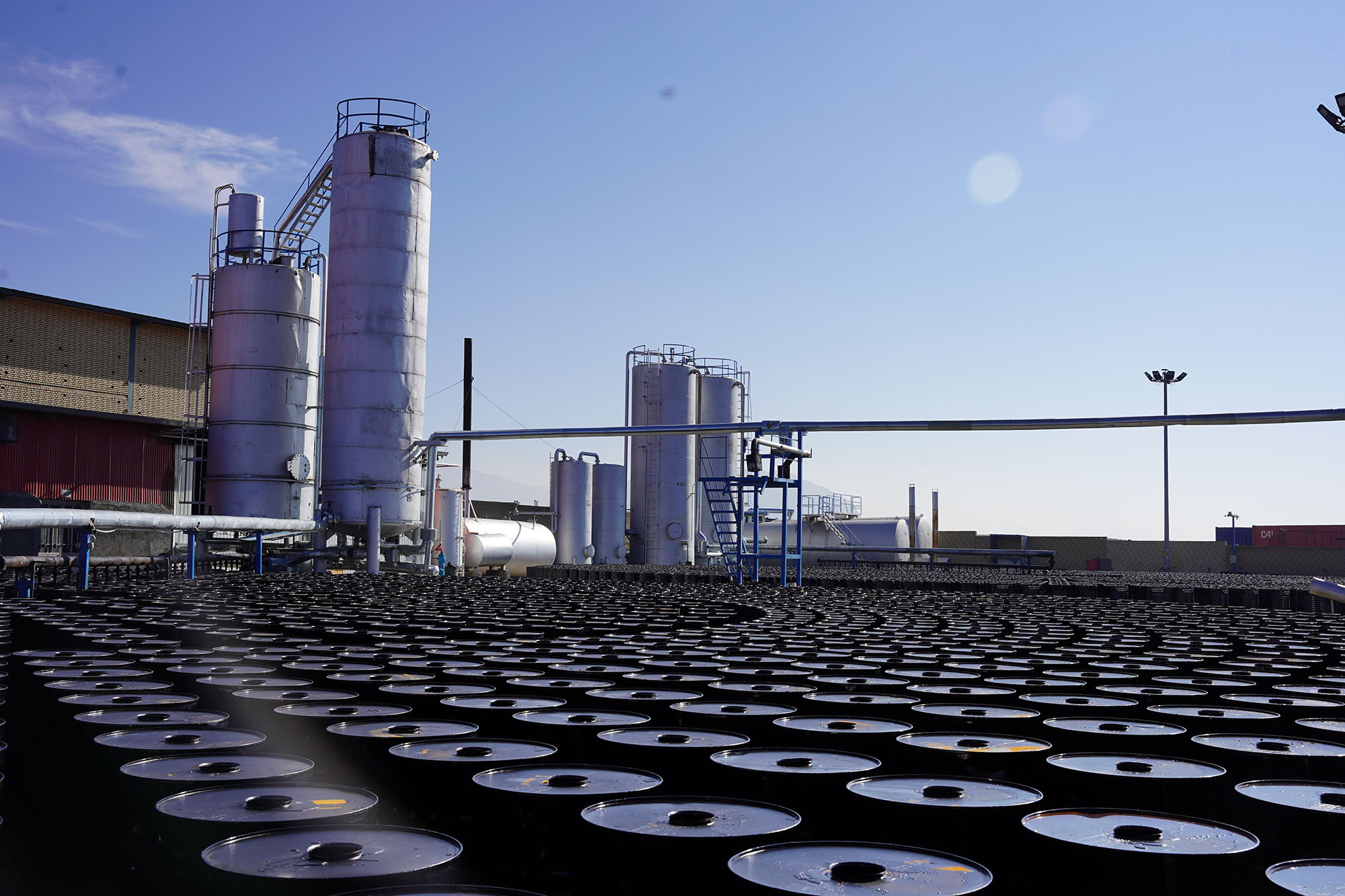
What drives the Bitumen price Ivory Coast in Abidjan?
Three macro‑factors dominate the price formation:
- Crude oil benchmarks: Bitumen is a heavy refinery product; when Brent or WTI moves, the base cost of imported bitumen shifts almost one‑for‑one.
- Refining and blending costs: Local refineries add value‑added processing fees that differ by grade (e.g., 70/100 vs. 180/240). Higher penetration of polymer modification raises the per‑ton cost.
- Transportation and port fees: Shipping from the Middle East or Europe to the Port of Abidjan incurs freight, bunker, and demurrage charges, which can rise sharply during seasonal storms.
Cost composition of standard 70/100 bitumen imported to Ivory Coast.
Local demand from the Ministry of Infrastructure’s road‑paving program intensifies price pressure during the rainy season, when project timelines compress. Simultaneously, government levies—customs duties, value‑added tax, and special road‑maintenance fees—add roughly 12 % to the landed cost.
Currency movements are a key driver; the XOF’s peg to the euro means that USD‑XOF shifts directly affect imported bitumen. Recent geopolitical tensions in the Red Sea have also disrupted shipping lanes, temporarily inflating freight rates.
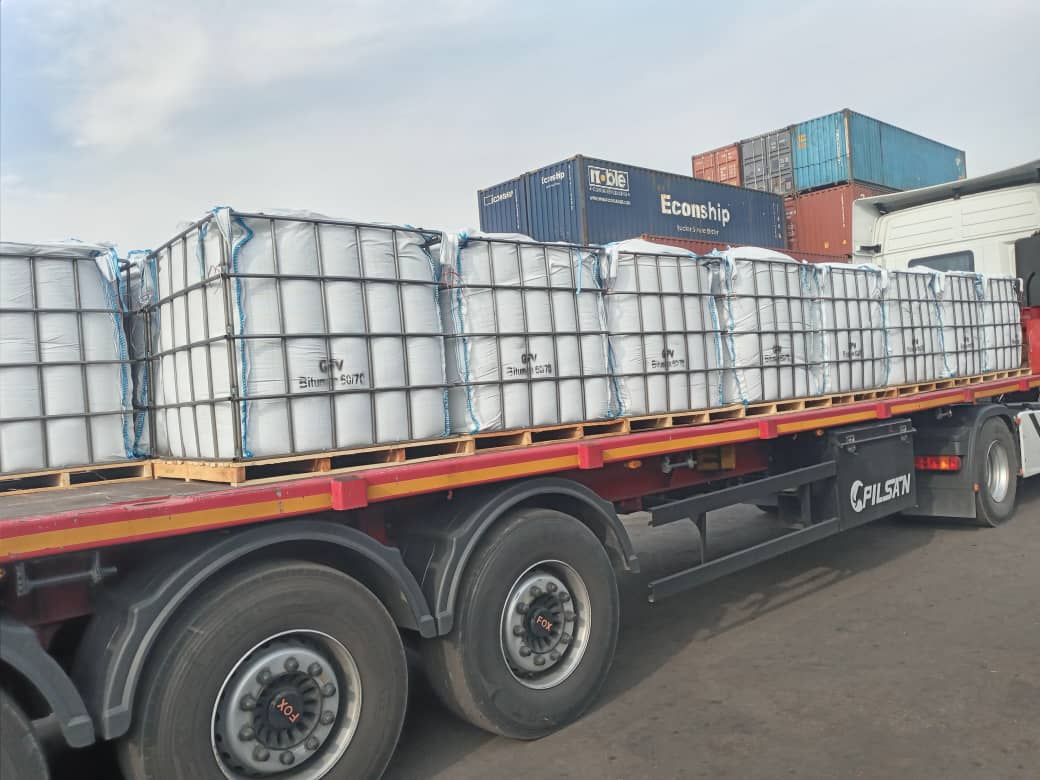
How have historical trends shaped current pricing?
Over the past five years, Abidjan’s bitumen price charted a 22 % rise, spiking in 2022 when global oil prices breached $100 /barrel. A modest correction in 2024 brought the average to USD 450‑460 per tonne. The current average asphalt price in Ivory Coast—approximately USD 520 per tonne—reflects the added aggregates, filler, and manufacturing margins, staying roughly 12‑15 % above the underlying bitumen cost.
Procurement teams can mitigate risk by locking in forward contracts, diversifying suppliers, and monitoring the comprehensive guide to bitumen suppliers in Ivory Coast for competitive offers.
Which suppliers shape the Bitumen price Ivory Coast landscape?
Local players such as Société Ivoirienne de Bitume (SIB) and Côte‑d’Ivoire Asphalt Co. dominate the domestic market, offering grades ranging from Penetration 50/70 to Viscosity 380 cSt. International traders—Gulf Petro Vision, TotalEnergies Trading, and Olam Resources—supply through Abidjan’s port, often with tighter price buffers thanks to bulk contracts. While SIB emphasizes proximity and quick truck deliveries, Gulf Petro Vision distinguishes itself with a certified 80/100 penetration grade, consistent quality audits, and a dedicated logistics team that can coordinate sea‑to‑site transfers within 48 hours.
Annual delivery volumes highlight the scale advantage of Gulf Petro Vision.
How do direct manufacturers compare with intermediaries for importing bitumen to Ivory Coast?
PROS
- Direct manufacturers often provide better bulk pricing and transparent grade specifications.
- Shorter contractual chains reduce paperwork and lower risk of mis‑shipment.
CONS
- Limited foreign exchange handling can delay payments for non‑local firms.
- Logistics expertise for port clearance may be less robust than that of seasoned intermediaries.
Importing bitumen to Ivory Coast requires a commercial invoice, certificate of origin, ASTM grade certificate, and a customs entry form. When sourcing via an intermediary, the trader often manages these documents, whereas direct procurement demands the buyer coordinate with the national customs agency and arrange local storage.
What strategies secure the best bitumen deals Ivory Coast?
Start by benchmarking offers against the comprehensive guide to bitumen suppliers in Ivory Coast, then negotiate based on volume commitments, payment terms (e.g., 30‑day LC versus cash in advance), and price‑adjustment clauses tied to the global Brent index. Leveraging a blended approach—locking a core quantity with a reputable manufacturer like Gulf Petro Vision while supplementing with local stock for short‑term spikes—mitigates the impact of bitumen price fluctuations Ivory Coast 2026. Maintaining a flexible schedule for road paving material costs also allows buyers to align procurement with periods of lower freight rates, ultimately delivering competitive bitumen pricing without compromising project timelines.
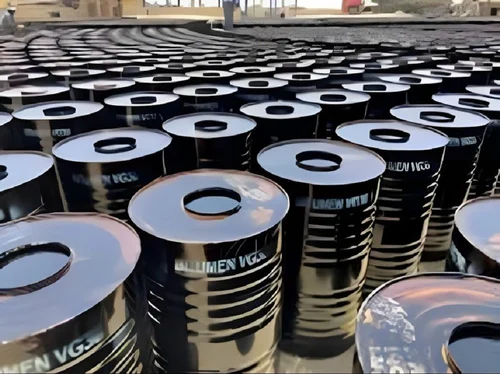
Why should you monitor Bitumen price Ivory Coast trends through 2026?
For contractors and asphalt producers, the cost of bitumen is the single biggest variable in road‑paving budgets. A shift of even a few percent can swing a project’s profitability, especially when large‑scale highway programs dominate the national construction pipeline. Staying ahead of price signals lets firms time purchases, negotiate better terms, and avoid last‑minute budget overruns.
How will increased infrastructure spending reshape Ivory Coast bitumen costs?
The government’s multi‑billion‑dollar highway plan is set to double the annual volume of asphalt needed by 2026. Higher demand typically lifts Ivory Coast bitumen costs, but it also spurs local blending capacity and may attract new entrants, creating competitive pressure that can temper price spikes. Understanding the balance between demand growth and supply expansion is essential for accurate cost forecasting.
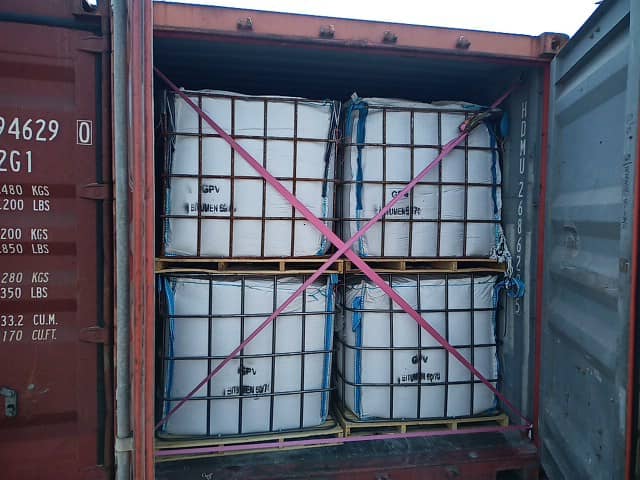
What role do global oil market forecasts play in bitumen price fluctuations Ivory Coast 2026?
Bitumen is a refined petroleum product; therefore, crude‑oil benchmarks and OPEC production decisions directly shape its price trajectory. Forecasts suggest a gradual recovery in crude prices after a 2023 dip, with occasional volatility linked to geopolitical tensions in the Gulf. Any supply disruption—such as refinery outages or shipping bottlenecks—can reverberate quickly through the Ivory Coast market, amplifying bitumen price fluctuations Ivory Coast 2026 and affecting the overall cost of road construction.
Projected demand growth index relative to the 2023 baseline.
Which procurement strategies can mitigate volatility for buying bitumen Ivory Coast?
Long‑term supply contracts with price‑adjustment clauses, combined with forward‑looking hedging on crude‑oil futures, offer a buffer against sudden spikes. Companies also explore alternative sourcing—such as regional blends or recycled asphalt— to diversify risk. Regularly reviewing the comprehensive bitumen supplier guide helps identify reputable partners and negotiate terms that reflect projected market dynamics.
Navigating the complexities of the bitumen market requires diligent research and a reliable partner. Understanding the factors influencing Bitumen price Ivory Coast, from global oil prices to local demand, is crucial for successful project budgeting. Gulf Petro Vision L.L.C provides the expertise and solutions you need. Contact us today for a competitive quote and streamlined procurement process.