Different Grades of Cutback Bitumen: Complete Guide to Types, Properties, and Applications
Introduction
Cutback bitumen plays a crucial role in modern road construction and maintenance, especially in regions where heating facilities are limited or ambient temperatures are relatively low. By modifying traditional bitumen with solvents, engineers can significantly improve its workability and application efficiency.
In this comprehensive guide, we will explore different types and grades of cutback bitumen, how they are classified, their viscosity ranges, applications, and key advantages. We will also discuss how reliable suppliers like Gulf Petro Vision support global infrastructure projects by providing high-quality cutback bitumen.
What is Cutback Bitumen?
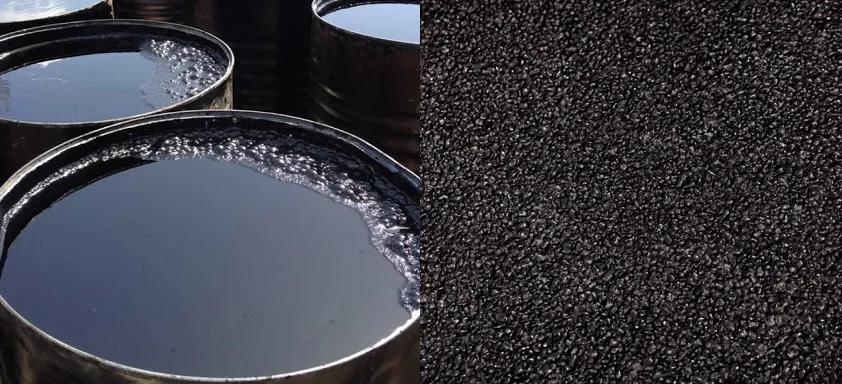
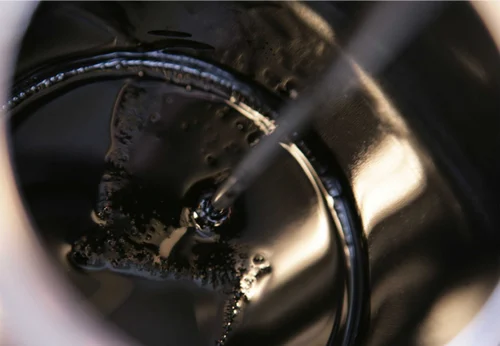
Cutback bitumen is a liquid form of bitumen produced by blending penetration-grade bitumen with petroleum-based solvents such as kerosene, gasoline, diesel, or fuel oil.
The primary purpose of adding these solvents is to reduce the viscosity of bitumen, allowing it to be applied at lower temperatures without the need for extensive heating.
Typically, cutback bitumen contains 10% to 50% solvent, depending on the desired fluidity and application requirements.

Why is Cutback Bitumen Used?
Traditional bitumen is highly viscous and requires heating before application. However, this process can be costly and energy-intensive. Cutback bitumen solves this problem by:
- Improving workability at ambient temperatures
- Eliminating the need for heavy heating equipment
- Enhancing penetration into aggregates
- Providing better coating properties
Because of these benefits, cutback bitumen is widely used in:
- Road construction
- Pavement maintenance
- Surface dressing
- Cold mix asphalt production
Companies like Gulf Petro Vision, as a trusted supplier and exporter, ensure consistent quality and performance for such applications across international markets.

Classification of Cutback Bitumen
Cutback bitumen is primarily classified based on the rate of solvent evaporation, also known as curing time.
There are three main types:
1. Rapid-Curing (RC)
Rapid-curing cutback bitumen is produced using highly volatile solvents, such as gasoline or naphtha. These solvents evaporate quickly at ambient temperatures.
Key Characteristics:
- Fast evaporation rate
- Quick setting time
- High initial adhesion
- Suitable for surface applications
Applications:
- Tack coats
- Chip seals
- Sand seals
Because of its fast curing nature, RC bitumen is ideal when quick traffic reopening is required.
2. Medium-Curing (MC)
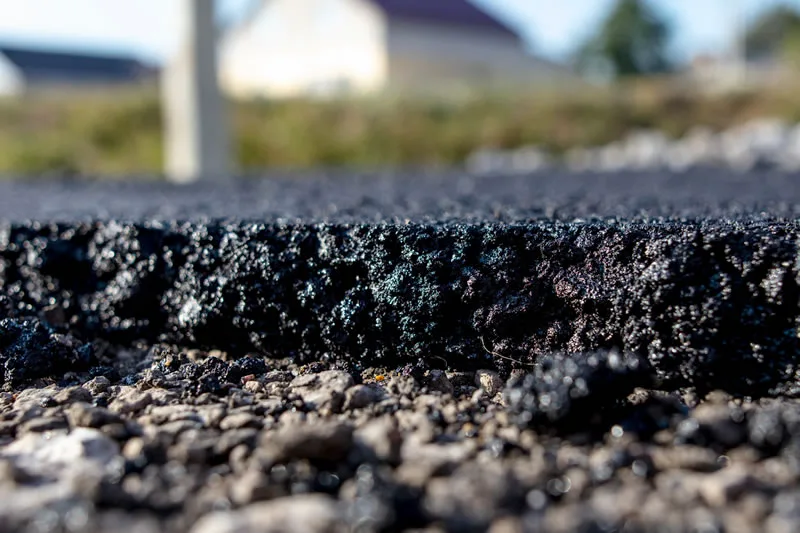
Medium-curing cutback bitumen is made using solvents with moderate volatility, typically kerosene.
Key Characteristics:
- Moderate evaporation rate
- Balanced workability and curing
- Better mixing properties with aggregates
Applications:
- Cold mix asphalt
- Base and binder courses
- Road patching
MC grades are widely used in construction because they allow sufficient time for mixing and compaction before curing begins.

3. Slow-Curing (SC)
Slow-curing cutback bitumen uses low-volatility solvents, such as diesel or fuel oil.
Key Characteristics:
- Slow evaporation rate
- Extended workability
- Deep penetration into surfaces
Applications:
- Dust control
- Prime coats
- Cold mix asphalt
SC bitumen is particularly useful in projects requiring deeper penetration and prolonged handling time.

Understanding Cutback Bitumen Grades
Beyond curing type, cutback bitumen is further classified into different grades based on viscosity, measured in centistokes (cSt).
What Determines the Grade?
The amount of solvent added to the bitumen determines its viscosity:
- More solvent → Lower viscosity → Higher fluidity
- Less solvent → Higher viscosity → Thicker consistency
This classification allows engineers to select the most suitable grade for specific environmental and project conditions.
Viscosity Measurement Standard
The viscosity of cutback bitumen is measured at 60°C using the ASTM D2170 standard method.
Each grade falls within a specific viscosity range, ensuring consistent performance across applications.
Cutback Bitumen Grades Table
Below is the standard classification of cutback bitumen grades:
| Viscosity Range (cSt) | Rapid Curing (RC) | Medium Curing (MC) | Slow Curing (SC) |
|---|---|---|---|
| 30 – 60 | RC-30 | MC-30 | SC-30 |
| 70 – 140 | RC-70 | MC-70 | SC-70 |
| 250 – 500 | RC-250 | MC-250 | SC-250 |
| 800 – 1600 | RC-800 | MC-800 | SC-800 |
| 3000 – 6000 | RC-3000 | MC-3000 | SC-3000 |
Detailed Analysis of Cutback Bitumen Grades
Let’s break down what these grades actually mean in practical terms.
Low Viscosity Grades (RC-30, MC-30, SC-30)
These grades have high solvent content, making them extremely fluid.
Features:
- Easy to apply at room temperature
- Excellent penetration into fine surfaces
- Minimal heating required
Uses:
- Light surface treatments
- Dust suppression
- Prime coats

Medium Viscosity Grades (RC-70, MC-70, SC-70)
These are among the most commonly used grades in construction.
Features:
- Balanced fluidity and strength
- Moderate evaporation rate
- Suitable for general applications
Uses:
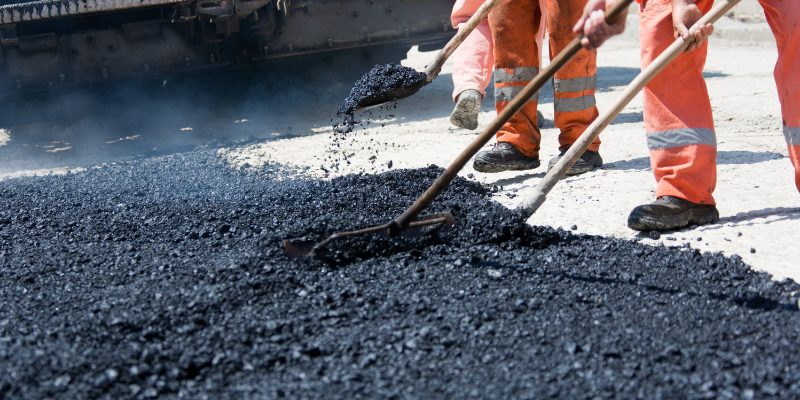
- Road maintenance
- Cold mix asphalt
- Surface dressing
For example, if a cutback bitumen has a viscosity of 83 cSt, it falls within the 70–140 range, making it MC-70.
High Viscosity Grades (RC-250, MC-250, SC-250)
These grades contain less solvent, making them thicker and stronger.
Features:
- Improved binding properties
- Requires slight heating
- Better durability
Uses:
- Base layers
- Binder applications
- Heavy-duty pavements
Very High Viscosity Grades (RC-800, MC-800, SC-800)
These grades are designed for more demanding conditions.
Features:
- High strength and cohesion
- Slower application
- Requires heating
Uses:
- Structural layers
- Industrial pavements
Ultra-High Viscosity Grades (RC-3000, MC-3000, SC-3000)
These are the thickest and strongest grades.
Features:
- Very low solvent content
- High durability
- Requires significant heating
Uses:
- Specialized engineering projects
- Heavy traffic roads
- High-load pavements
Factors to Consider When Choosing a Grade
Selecting the right cutback bitumen grade depends on several factors:
1. Climate Conditions
- Hot climates: Higher viscosity grades
- Cold climates: Lower viscosity grades
2. Application Type
- Surface dressing → RC grades
- Cold mix → MC grades
- Dust control → SC grades
3. Traffic Load
- Light traffic → Low viscosity
- Heavy traffic → High viscosity
4. Construction Method
- Manual application → Lower viscosity
- Mechanical application → Higher viscosity
Advantages of Cutback Bitumen
Cutback bitumen offers several advantages:
- Easy handling and application
- Reduced heating requirements
- Better penetration into aggregates
- Improved coating efficiency
- Suitable for remote construction sites
Environmental Considerations
Despite its benefits, cutback bitumen has some environmental drawbacks due to solvent evaporation:
- Release of volatile organic compounds (VOCs)
- Air pollution concerns
- Fire hazards during application
As a result, many regions are gradually shifting toward bitumen emulsions as a more environmentally friendly alternative.
However, cutback bitumen is still widely used where performance and practicality are prioritized.

Role of Gulf Petro Vision in Supplying Cutback Bitumen
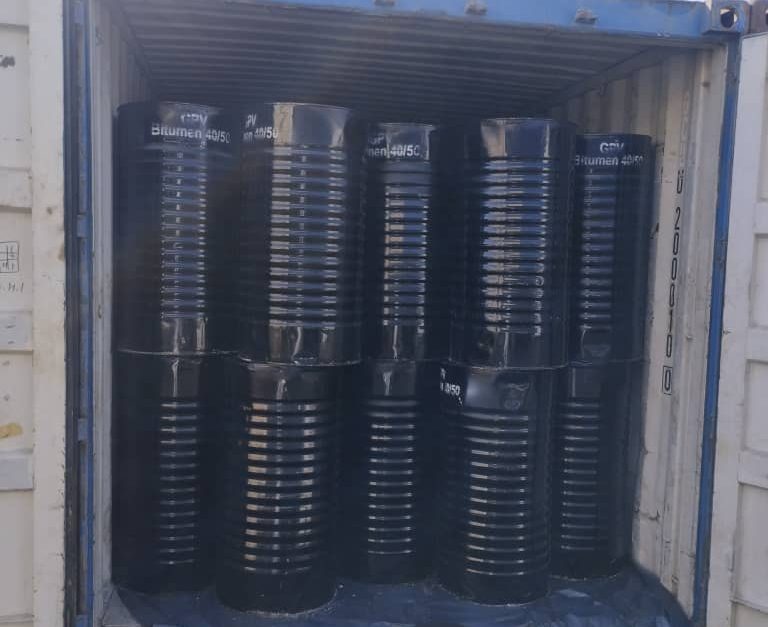
In the global bitumen market, reliability and consistency are critical. Gulf Petro Vision has established itself as a trusted supplier and exporter of cutback bitumen, offering a full range of RC, MC, and SC grades.
Why Choose Gulf Petro Vision?
- High-quality raw materials
- Compliance with international standards
- Wide range of viscosity grades
- Efficient logistics and export capabilities
- Competitive pricing
Whether for road construction in the Middle East, Africa, or Asia, Gulf Petro Vision ensures that clients receive tailored solutions based on project requirements.

Applications Across Industries
Cutback bitumen is used in various sectors:
Road Construction
- Prime coating
- Tack coating
- Surface dressing
Maintenance and Repair
- Pothole patching
- Crack sealing
- Overlay works
Industrial Uses
- Waterproofing
- Protective coatings

Future Outlook of Cutback Bitumen
While environmental concerns are pushing the industry toward emulsions, cutback bitumen continues to remain relevant due to:
- Ease of use
- Proven performance
- Cost-effectiveness
Innovations in solvent technology and emission control may further improve its sustainability in the future.
Suppliers like Gulf Petro Vision are already adapting to these changes by offering high-performance, compliant products that meet evolving regulations.
Understanding the different grades of cutback bitumen is essential for selecting the right material for any construction project. From low-viscosity grades like RC-30 to high-performance options like MC-3000, each grade serves a specific purpose.
The key factors—curing type, viscosity, solvent content, and application—must all be considered to ensure optimal performance.
With experienced suppliers such as Gulf Petro Vision, contractors and engineers can confidently source high-quality cutback bitumen tailored to their needs.