Different Grades of Oxidized Bitumen
Introduction
Oxidized bitumen, also known as blown bitumen, plays a vital role in modern construction, waterproofing systems, roofing solutions, and industrial applications. Due to its enhanced physical properties, oxidized bitumen is widely used in projects that require durability, weather resistance, and long-term performance.
Understanding the different grades of oxidized bitumen is essential for contractors, engineers, and buyers who want to select the right material for specific environmental and operational conditions. Each grade is designed to meet particular requirements, making it important to know how they differ.
In this comprehensive guide, we will explore oxidized bitumen grades, their specifications, key properties, applications, advantages, and how to choose the best grade for your project.
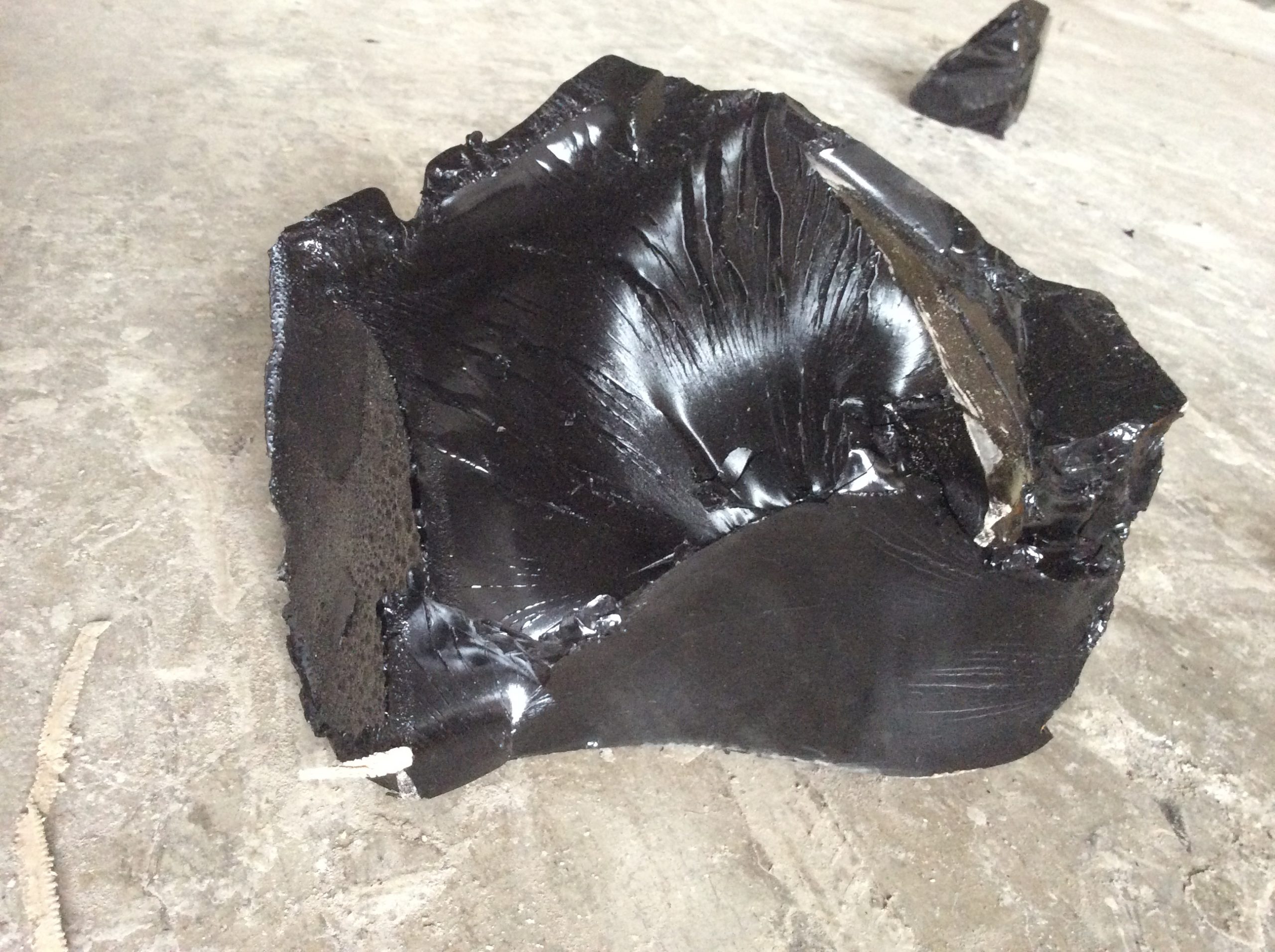
What is Oxidized Bitumen?
Oxidized bitumen is produced by blowing hot air through penetration-grade bitumen under controlled temperatures. This oxidation process changes the molecular structure of bitumen, resulting in a material that is harder, more elastic, and more resistant to environmental factors.
Compared to standard bitumen, oxidized bitumen offers improved thermal stability and resistance to deformation, especially under high temperatures.
Key Features of Oxidized Bitumen
- Higher softening point than penetration-grade bitumen
- Lower penetration value (increased hardness)
- Excellent waterproofing properties
- Strong adhesion to different surfaces
- High resistance to weathering and aging
These properties make oxidized bitumen an ideal solution for harsh climates and demanding industrial uses.
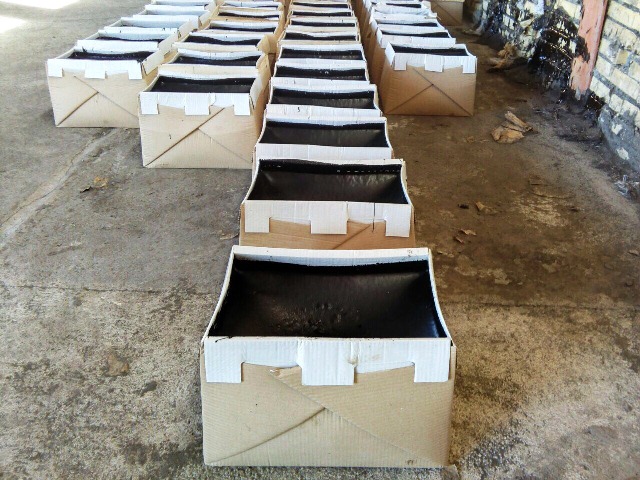
How Oxidized Bitumen Grades Are Classified
Oxidized bitumen grades are defined based on two important parameters:
1. Softening Point (°C)
This indicates the temperature at which the bitumen begins to soften. A higher softening point means better resistance to heat.
2. Penetration Value (dmm)
This measures the hardness of the bitumen. Lower penetration values indicate a harder material.
Grade Naming System
Grades are typically expressed in the format:
Softening Point / Penetration Value
For example:
- 85/25
- 90/15
- 115/15
This system allows buyers to quickly understand the performance characteristics of each grade.
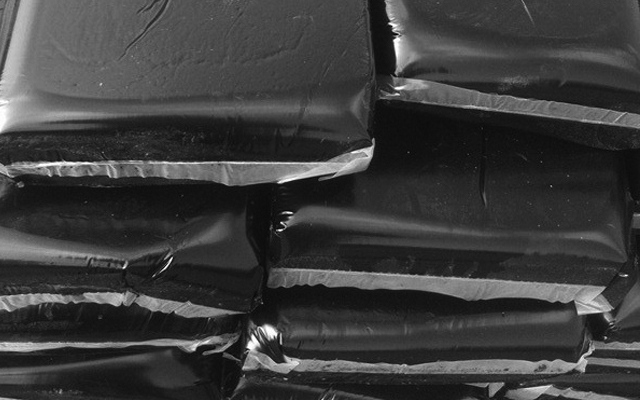
Detailed Overview of Oxidized Bitumen Grades
Oxidized Bitumen 85/25
Oxidized bitumen 85/25 is one of the most commonly used grades due to its balanced combination of flexibility and strength.
Properties:
- Moderate softening point
- Medium penetration
- Good workability
Applications:
- Roofing membranes
- Waterproofing layers
- Pipe coatings
- Insulation materials
Why Choose 85/25?
This grade is ideal for general-purpose applications where both flexibility and durability are required. It is also cost-effective, making it popular in large-scale construction projects.
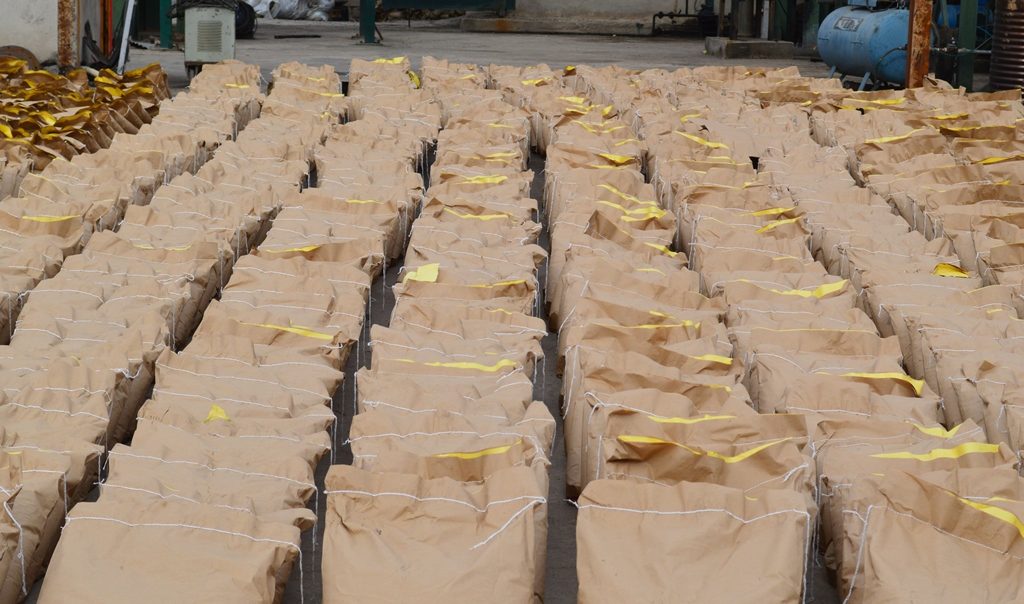
Oxidized Bitumen 90/15
Bitumen 90/15 is harder and more resistant to heat compared to 85/25.
Properties:
- Higher softening point
- Lower penetration
- Strong resistance to deformation
Applications:
- Industrial roofing systems
- Heavy-duty waterproofing
- Sealants and adhesives
Advantages:
This grade performs exceptionally well in hot climates where materials are exposed to high temperatures for extended periods.
Oxidized Bitumen 95/25
This grade offers a balance between hardness and flexibility, making it suitable for a wide range of applications.
Properties:
- Medium-high softening point
- Moderate penetration
- Strong adhesion
Applications:
- Roofing felt production
- Damp-proofing
- General construction
Benefits:
Its versatility allows it to be used in both residential and industrial projects.

Oxidized Bitumen 115/15
Bitumen 115/15 is considered a high-performance grade used in demanding environments.
Properties:
- Very high softening point
- Low penetration
- Excellent thermal stability
Applications:
- Roofing in hot regions
- Industrial coatings
- Protective membranes
Why It Stands Out:
This grade is ideal for projects requiring long-term performance under extreme heat and heavy stress conditions.

Oxidized Bitumen 150/5
This is one of the hardest and most specialized oxidized bitumen grades available.
Properties:
- Extremely high softening point
- Very low penetration
- High rigidity
Applications:
- Mastic asphalt
- Heavy-duty industrial uses
- Electrical insulation
Key Advantages:
Its exceptional strength and heat resistance make it suitable for extreme industrial environments.
Comparison Table of Oxidized Bitumen Grades
| Grade | Softening Point | Penetration | Flexibility | Best Use Case |
|---|---|---|---|---|
| 85/25 | Medium | Medium | High | General use |
| 90/15 | High | Low | Moderate | Roofing |
| 95/25 | Medium-High | Medium | Balanced | Multi-use |
| 115/15 | Very High | Low | Low | Hot climates |
| 150/5 | Extremely High | Very Low | Very Low | Industrial |
Key Advantages of Using Oxidized Bitumen
1. Long-Term Durability
Oxidized bitumen is designed to last for years without significant degradation.
2. Excellent Waterproofing
It provides a strong barrier against water, making it ideal for foundations and roofs.
3. High Temperature Resistance
It maintains its structure even under extreme heat conditions.
4. Chemical Resistance
Suitable for industrial environments where exposure to chemicals is common.
5. Versatility
Available in multiple grades for different applications.

Common Applications of Oxidized Bitumen
Roofing
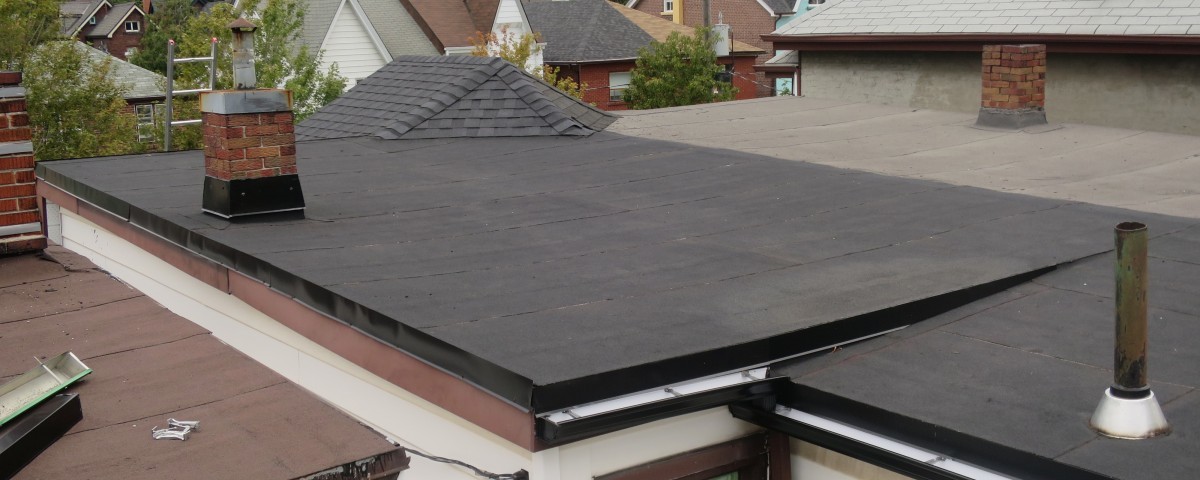
Widely used in roofing membranes due to its weather resistance and durability.
Waterproofing
Protects structures such as basements, bridges, and tunnels.
Pipe Coating
Prevents corrosion and extends the life of pipelines.
Industrial Uses
Used in adhesives, sealants, and insulation materials.
Road Construction
Applied in mastic asphalt for heavy-duty paving.
How to Choose the Right Oxidized Bitumen Grade
Choosing the correct grade depends on several important factors:
Climate Conditions
Hot climates require higher softening point grades such as 115/15 or 150/5.
Application Type
Different projects require different levels of flexibility and hardness.
Load and Stress
Areas with heavy loads need harder grades.
Budget Considerations
Some grades are more cost-effective for large-scale projects.

Storage and Handling Guidelines
Proper storage is essential to maintain product quality:
- Store in dry and cool environments
- Avoid direct sunlight exposure
- Maintain correct heating temperature during use
- Follow safety procedures during handling
Conclusion
Oxidized bitumen is an essential material in construction and industrial sectors due to its durability, waterproofing ability, and resistance to harsh conditions. Understanding the different grades of oxidized bitumen allows you to select the most suitable option for your project.
Each grade, from 85/25 to 150/5, offers unique benefits tailored to specific applications. By choosing the right grade, you can ensure long-lasting performance, cost efficiency, and structural reliability.
As a leading bitumen supplier in the Middle East, Gulf Petro Vision is committed to delivering high-quality oxidized bitumen grades tailored to meet diverse industrial and construction requirements. With a strong focus on reliability, competitive pricing, and international standards, the company serves clients across global markets with consistency and expertise. To get the latest prices, market insights, and professional consultation on selecting the right oxidized bitumen grade for your projects, contact Gulf Petro Vision today and stay ahead in a competitive market.