What is Oxidized Bitumen?
Gulf Petro Vision, a leading player in the bitumen industry, understands the importance of this specialized product in building robust infrastructure. From highways and urban streets to airport runways and racetracks, oxidized bitumen plays a pivotal role in modern road construction. In this blog, we will explore what oxidized bitumen is, its unique properties, applications, production process, and how it is shaping the future of sustainable and durable road infrastructure.
What is Oxidized Bitumen and How is it Made?
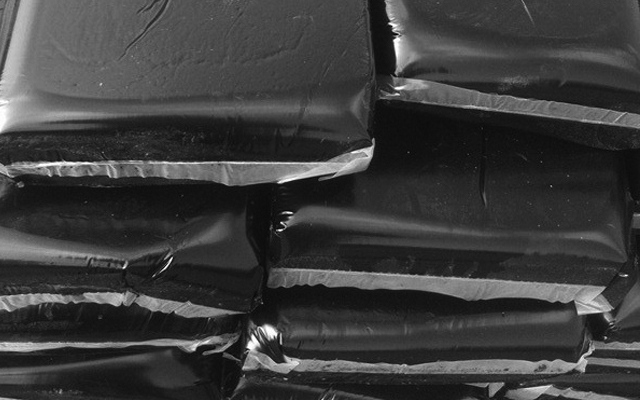
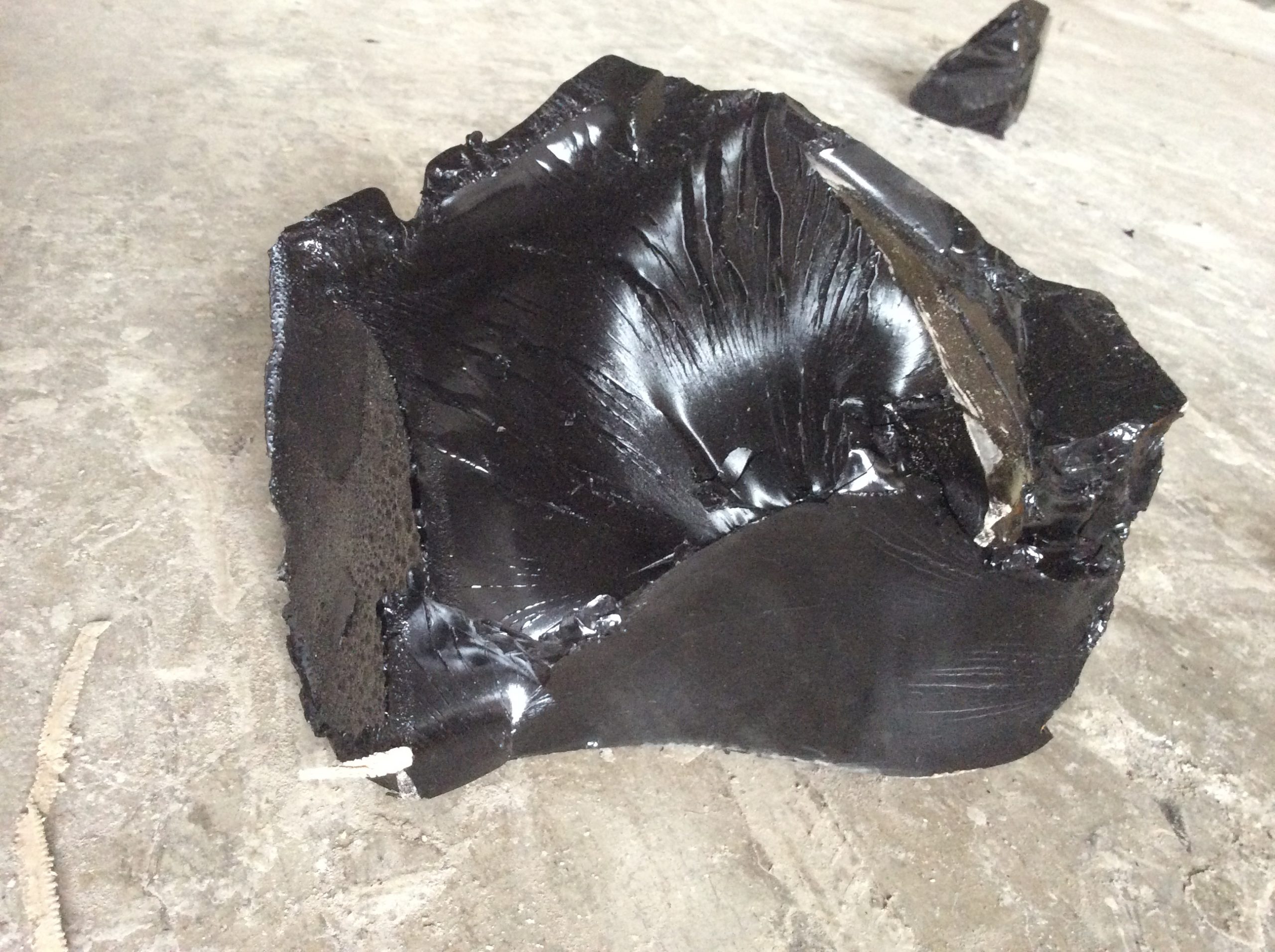
Oxidized Bitumen, also known as blown bitumen, is a modified form of standard bitumen. The key process that sets it apart is oxidation, which involves blowing air through hot bitumen. This controlled process changes the molecular structure, producing a material that is harder, stiffer, and more resistant to temperature variations than conventional bitumen.
Key Features of Oxidized Bitumen:
- Adjustable hardness: Different oxidation levels produce bitumen grades for diverse construction needs.
- High viscosity: Maintains shape under pressure and heavy traffic loads.
- Longevity: Provides superior performance, reducing the frequency of maintenance.
Oxidized Bitumen is particularly versatile, offering high performance in both hot and cold climates, making it a top choice for road construction worldwide.
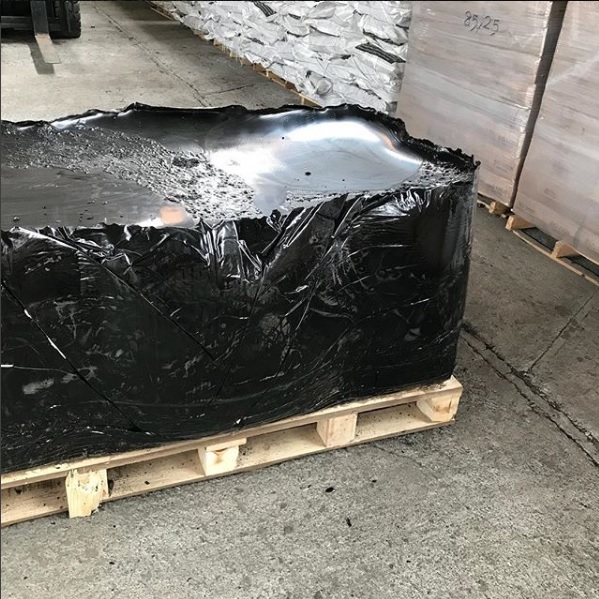
How is Oxidized Bitumen Produced? Everything About the Production Process
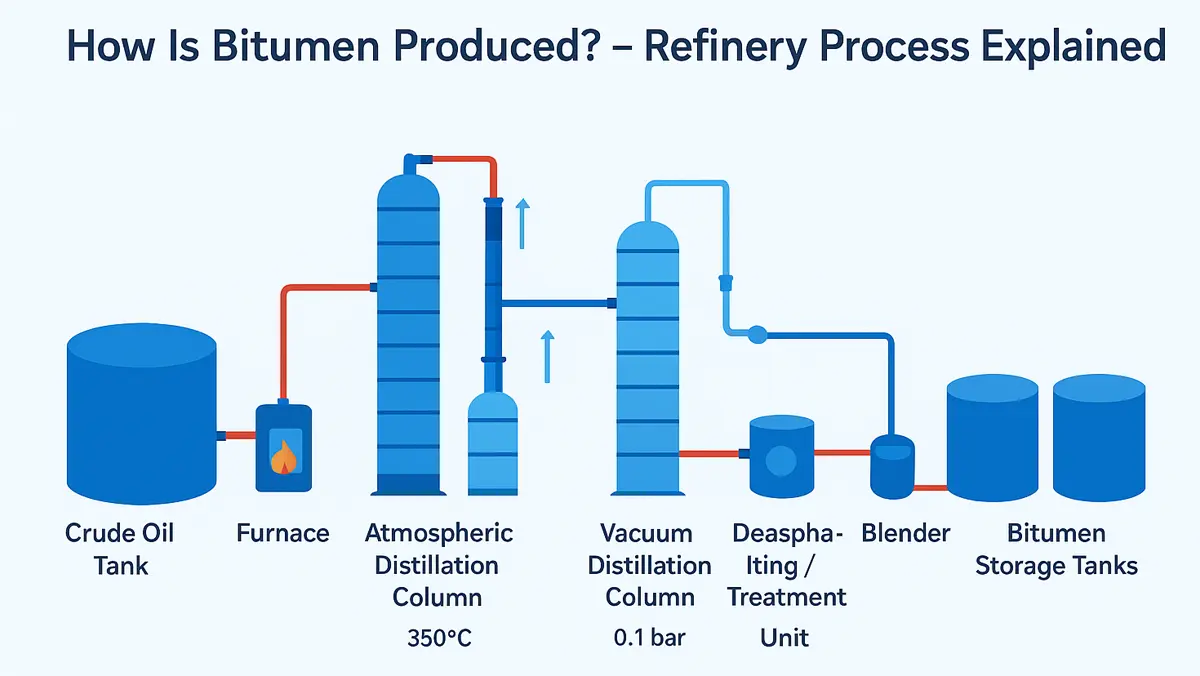
The production of Oxidized Bitumen is a highly controlled industrial process. It requires precision equipment, proper temperature management, and strict quality monitoring to ensure consistency and performance. Here’s an in-depth look at how oxidized bitumen is produced:
Step 1: Selection of Raw Bitumen
Production begins with raw bitumen for Oxidized bitumen sourced from crude oil refining. The quality of raw bitumen is critical, as impurities or inconsistent molecular structures can affect the final oxidized product.
- Vacuum residue is often preferred due to its high molecular weight and stability.
- Viscosity and softening point are checked before oxidation to ensure suitability.
Step 2: Heating and Preparation
The raw bitumen is heated to a high temperature, typically between 200°C to 260°C (392°F to 500°F), to reduce viscosity and prepare it for the oxidative process.
- Heating must be even and controlled to prevent localized overheating or degradation.
- Industrial-grade reactors or oxidation towers are used to ensure uniform heat distribution.
Step 3: Blowing Air into Bitumen to produce Oxidized bitumen
The core step of production is blowing air through the hot bitumen. This step introduces oxygen molecules, which react with the hydrocarbons in the bitumen.
- Oxidation alters the molecular structure, forming new bonds and creating higher molecular weight compounds.
- Reaction time and air flow rate are critical:
- Too little air → insufficient stiffness.
- Too much air → excessive brittleness.
Typically, the blowing process lasts 4–8 hours, depending on the desired grade of oxidized bitumen.
Step 4: Monitoring Key Parameters
During oxidation, continuous monitoring is essential to achieve the required specifications:
- Softening Point: Determines the temperature at which the bitumen softens. Higher softening points indicate better high-temperature performance.
- Penetration Value: Measures the hardness of the bitumen. Lower penetration values indicate higher stiffness.
- Viscosity: Ensures the material can be applied and handled during construction.
- Flash Point: Safety measure to prevent fire hazards during production and handling.
Advanced plants use automated systems to monitor temperature, air flow, and chemical reactions in real time.
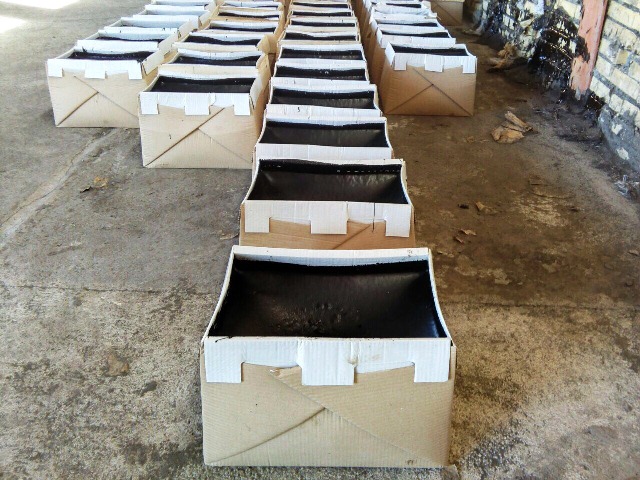
Step 5: Cooling and Storage
Step 6: Quality Control and Testing
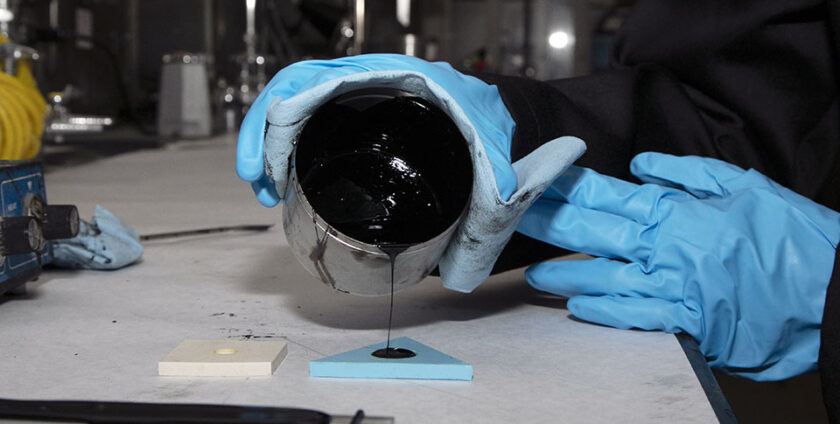
Before distribution, oxidized bitumen undergoes strict quality control tests:
- Penetration test for hardness
- Softening point test for temperature resistance
- Ductility test for low-temperature flexibility
- Viscosity measurement for application consistency
By maintaining high standards, manufacturers like Gulf Petro Vision ensure that the oxidized bitumen performs reliably in real-world construction projects.
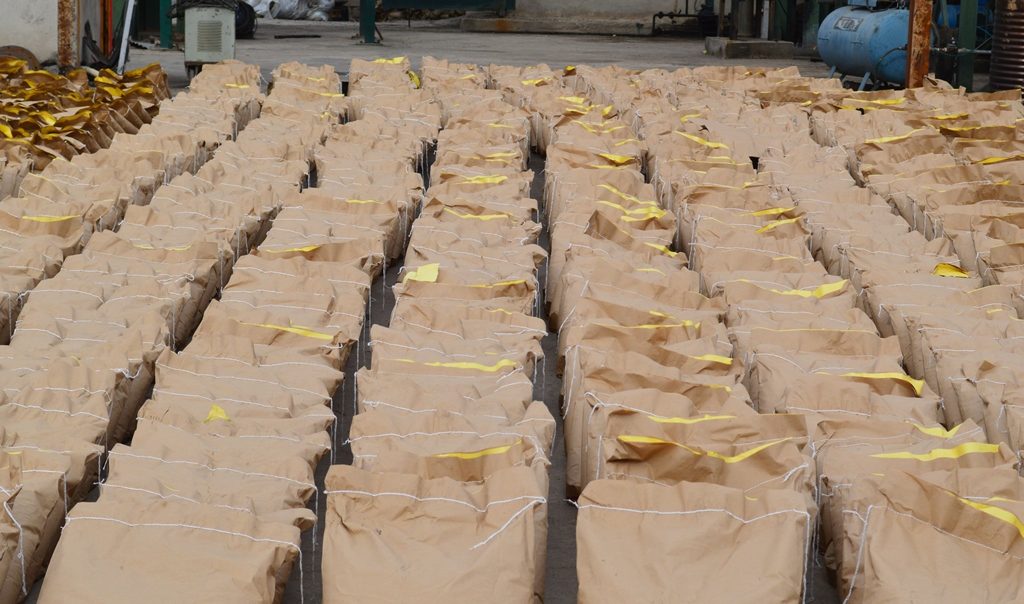
How Does Oxidized Bitumen Enhance Road Durability and Performance?
Durability is the cornerstone of road construction. Roads must support constant heavy traffic, while withstanding environmental stress. Oxidized Bitumen improves road durability in multiple ways:
- Resistance to Deformation: Roads resist rutting, potholes, and depressions, even under high traffic loads.
- Temperature Stability: Ensures stability during extreme heat and cold.
- Extended Lifespan: Reduces maintenance frequency, lowering costs and disruption.
Highways in regions with heavy commercial traffic, such as industrial corridors in the Middle East, often use oxidized bitumen to withstand daily wear from thousands of trucks.
How Does Oxidized Bitumen Protect Roads from Weather Damage?
Weather is a major factor in road deterioration. Roads face challenges like heavy rainfall, snow, frost, and UV exposure. This Bitumen protects against:
- Moisture Infiltration: Prevents water from seeping into the road base.
- Crack Prevention: Maintains flexibility to prevent cracking.
- UV Resistance: Resists degradation from sunlight exposure.
Research shows that roads with oxidized bitumen can reduce maintenance needs by up to 40%, saving significant repair costs and improving safety.
Why is Oxidized Bitumen Ideal for High-Temperature Conditions?
In hot regions, asphalt can soften, leading to rutting and deformation. This type of Bitumen maintains high-temperature stiffness, ensuring:
- Roads retain shape under heavy traffic
- Reduced surface fatigue
- Extended pavement life
This makes it essential for highways in desert regions, tropical climates, and industrial zones.
How Does Oxidized Bitumen Perform in Cold Climates?
This adaptability makes it a year-round solution for roads across the globe.
What Makes Oxidized Bitumen Versatile in Road Construction?
Its versatility allows application across:
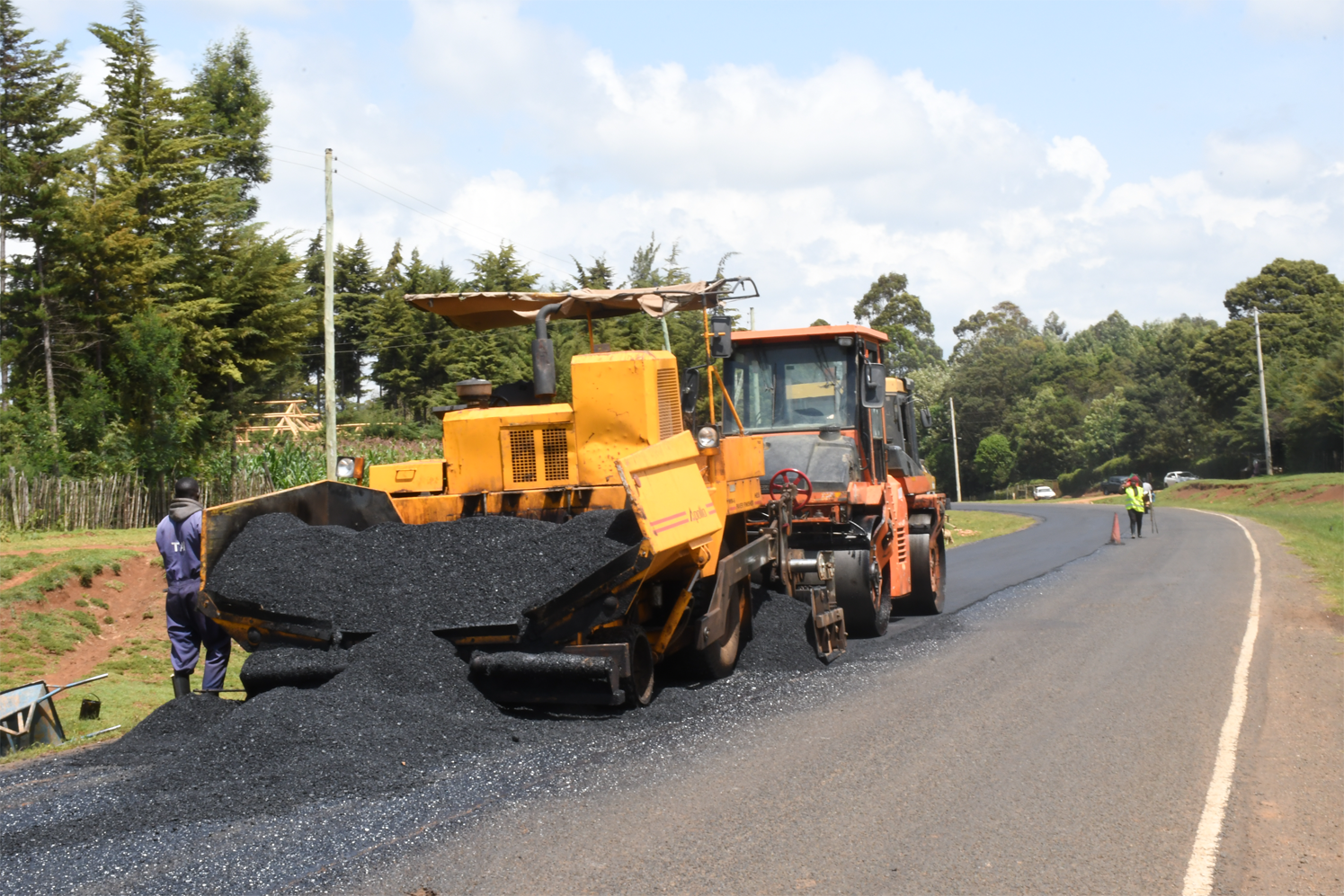
- Highways: Heavy traffic resistance
- Urban Roads: Long-lasting city streets
- Airport Runways: Aircraft weight handling
- Racetracks: Smooth, high-strength surfaces
Oxidized Bitumen can also be blended with polymers or modifiers to enhance performance for specialized applications.
How Does Oxidized Bitumen Support Sustainable Road Construction?
Sustainability is a core consideration in modern infrastructure:
- Longer Road Lifespan: Less frequent repairs conserve resources
- Lower Carbon Footprint: Fewer maintenance activities reduce fuel use
- Material Efficiency: Premium bitumen ensures maximum performance
Choosing oxi bitumen contributes to eco-friendly infrastructure development.
How Does Gulf Petro Vision Ensure Premium Quality Oxidized Bitumen?
Gulf Petro Vision is a trusted supplier known for:
- Consistency and Quality: Meeting strict international standards
- Tailored Grades: Suitable for specific construction needs
- Technical Support: Expert guidance for contractors
- Global Supply: Reliable logistics worldwide
Partnering with Gulf Petro Vision ensures durable, safe, and high-performing roads.

How Does Oxidized Bitumen Contribute to Economic Growth?
Durable roads support economic development by improving trade routes, thereby enabling smoother movement of goods; moreover, they reduce transport costs and support tourism and mobility; in addition, they facilitate industrial and agricultural growth. Consequently, by extending road lifespan, oxidized bitumen enhances connectivity and promotes regional prosperity.
What Are the Long-Term Benefits of Oxidized Bitumen in Road Projects?
Long-term benefits include:
- Durability: Roads last decades longer
- Weather Resistance: Performance in extreme conditions
- Reduced Maintenance Costs: Less frequent repairs
- Safety: Smooth, crack-free roads reduce accidents
- Sustainability: Lower resource consumption
Ultimately, these advantages, combined with long-term performance benefits, make bitumen the strategic choice for infrastructure projects worldwide.
How is Oxidized Bitumen Shaping the Future of Road Construction?
Oxidized bitumen is a game-changer due to:
- High Performance: Not only does it withstand extreme heat and cold, but it also offers excellent resistance to heavy traffic.
- Global Versatility: Furthermore, it is suitable for a wide range of climates.
- Sustainability: In addition, it supports environmentally responsible projects.
- Economic Impact: As a result, it enhances trade, mobility, and industrial growth.
Roads built with oxidized bitumen are investments in long-term infrastructure resilience and economic prosperity.

Conclusion: Why Oxidized Bitumen is the Backbone of Modern Roads
Gulf Petro Vision’s premium oxidized bitumen ensures that infrastructure projects achieve maximum durability, sustainability, and safety. As nations invest in robust infrastructure, oxidized bitumen remains a critical component in creating roads that connect communities, support economies, and withstand the test of time.
In short, oxidized bitumen is more than a construction material—it is the foundation for modern, sustainable, and resilient road networks.