Sinopec Announces Major Refinery Rate Cuts
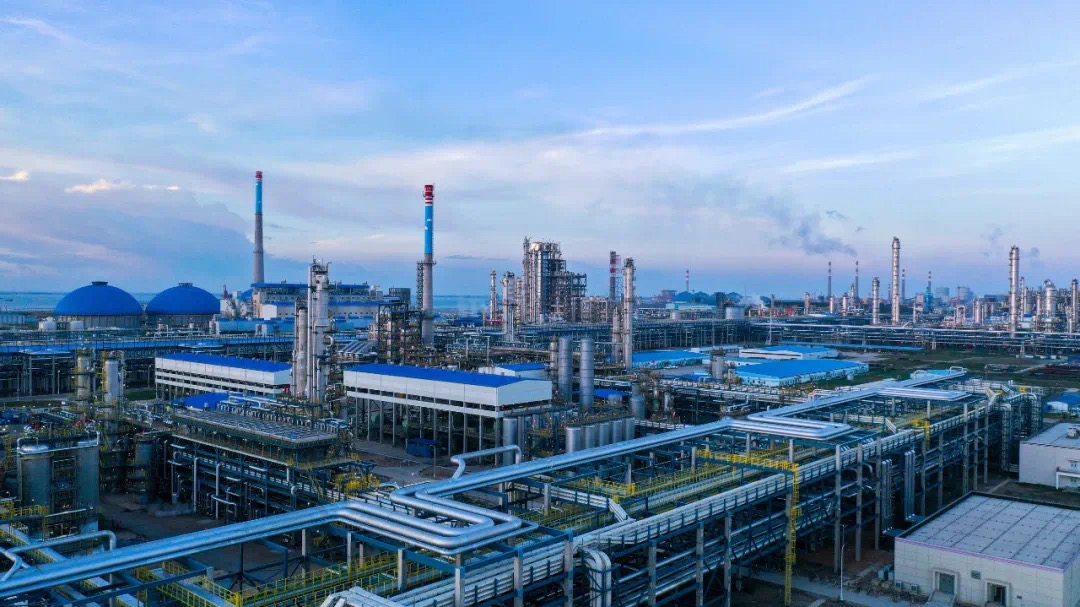
The escalating tensions in the Middle East are sending ripples through global energy markets, and China’s state-owned refining giant, Sinopec, is already reacting. The company is preparing to implement substantial refinery rate cuts as crude oil supplies become increasingly constrained.
Supply Shock Triggers Response
Sinopec, responsible for roughly a third of China’s total refining capacity, intends to lower its crude processing by 600,000 to 700,000 barrels per day in March. This represents an 11-13% reduction from initially planned levels of 5.2 million bpd. These adjustments don’t even factor in previously scheduled maintenance.
This move isn’t happening in isolation.
China is prioritizing domestic fuel security amid the growing crisis. Earlier this week, the nation enacted a ban on all fuel exports, signaling a clear intent to safeguard its own energy needs. The situation is particularly sensitive given Sinopec’s heavy reliance on Middle Eastern crude.
Middle East Dependency
Over half of Sinopec’s daily crude imports—approximately 2.4 million barrels—originate in the Middle East. Long-term contracts with Saudi Arabia, Iraq, Kuwait, and Qatar are central to their supply chain. One source familiar with Sinopec’s operations stated the company “has little option other than cutting runs, and immediately.”
The potential for wider disruptions is significant.
Analysts at Wood Mackenzie estimate that up to 6 million barrels per day of crude processing capacity across Asia could be impacted in April. This worst-case scenario assumes limited access to emergency stockpiles. Even with stockpile utilization, China could still see a 750,000 bpd reduction, while India might cut utilization by 8%, equating to a 400,000 bpd decrease.
Prioritizing Fuel Production
Sinopec isn’t simply reducing overall output. The company is strategically shifting its focus toward maximizing fuel production, even at the expense of petrochemicals. This decision aims to ensure sufficient fuel supply for the Chinese market and capitalize on currently high fuel crack spreads.
Readers seeking deeper insights can contact Gulf Petro Vision for industry guidance.
Global Market Tightening
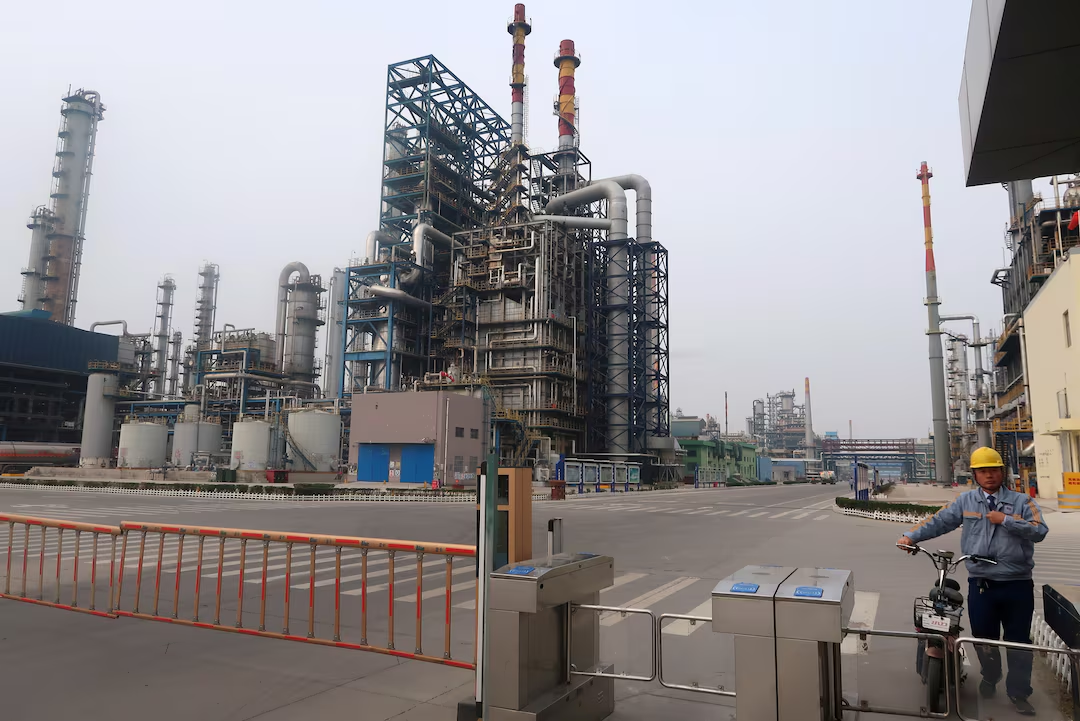
The combined effect of Asian export restrictions and reduced Middle Eastern supply is poised to tighten global fuel markets considerably. The International Energy Agency (IEA) reports that over 3 million barrels per day of refining capacity in the Middle East has already been taken offline. This is due to both direct attacks and the lack of secure export routes.
The IEA further notes that refining operations elsewhere will be increasingly limited by feedstock availability. This creates a challenging environment for refiners worldwide, forcing them to adapt to a new reality of constrained supply and heightened geopolitical risk. The current situation underscores the fragility of global energy supply chains.
Looking Ahead with Refinery Rate Cuts
The coming weeks will be critical in assessing the full extent of the disruption. The effectiveness of emergency stockpiles and the potential for de-escalation in the Middle East will be key factors. However, one thing is clear: the energy landscape is shifting rapidly, and the initial response from major players like Sinopec signals a period of increased volatility and potential price pressures.