China’s Fuel Export Halt Rattles Global Markets
China has unexpectedly moved to restrict all fuel exports. This decision comes as escalating tensions in the Strait of Hormuz threaten global supply routes. The immediate ban impacts gasoline, diesel, and jet fuel.
Immediate Impact on Global Supply
The restrictions, effective March 11th, apply to all outstanding fuel cargoes. This move signals a serious concern within Beijing about securing domestic energy needs. It also throws a wrench into established trade patterns across Asia.
China’s position as a major fuel exporter – ranking among the top three in Asia – is significant. The country has often undercut refining industries elsewhere on the continent. This sudden halt reverses that dynamic, potentially offering a short-term boost to competitors.
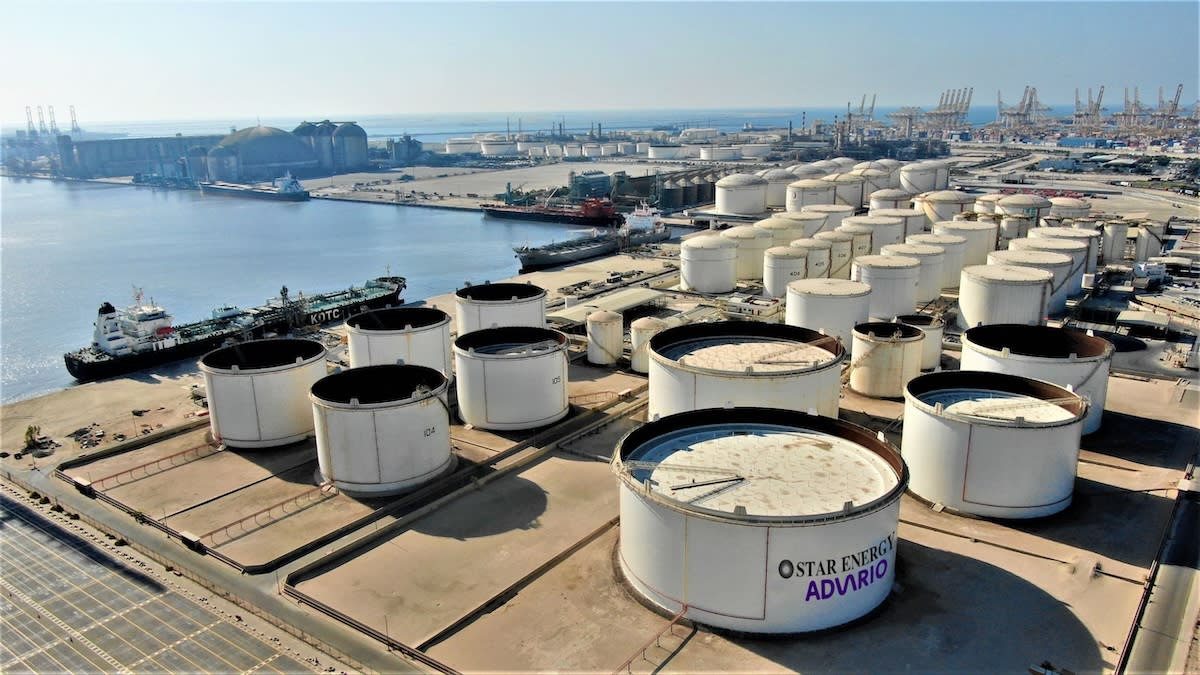
Strategic Stockpiles and Sanctioned Crude
However, the situation is complex. The export halt isn’t solely about boosting domestic industries. China is notably well-prepared for supply disruptions. Over the past year, the nation has been aggressively building up its crude oil reserves.
Furthermore, a substantial volume of sanctioned crude – estimated at 40 million barrels – is currently held on tankers off the Chinese coast. This includes oil from Russia, Iran, and Venezuela, according to recent reports from Kpler. These reserves provide a crucial buffer against external shocks.
A Shift in Export Expectations
Just weeks ago, traders anticipated a surge in Chinese fuel exports. They predicted monthly volumes of 2.2 to 2.3 million tons for the three major fuels. This would have represented a substantial increase of 300,000 to 400,000 tons compared to February estimates.
Those expectations have now been completely overturned. The shift highlights the speed at which geopolitical events can reshape energy markets. It also underscores the importance of proactive supply chain management.
Navigating the Crisis with Expertise
The current situation demands careful analysis and strategic planning for energy companies. Readers seeking deeper insights can contact Gulf Petro Vision for industry guidance. Their expertise can help navigate these turbulent times.
The Hormuz Chokepoint
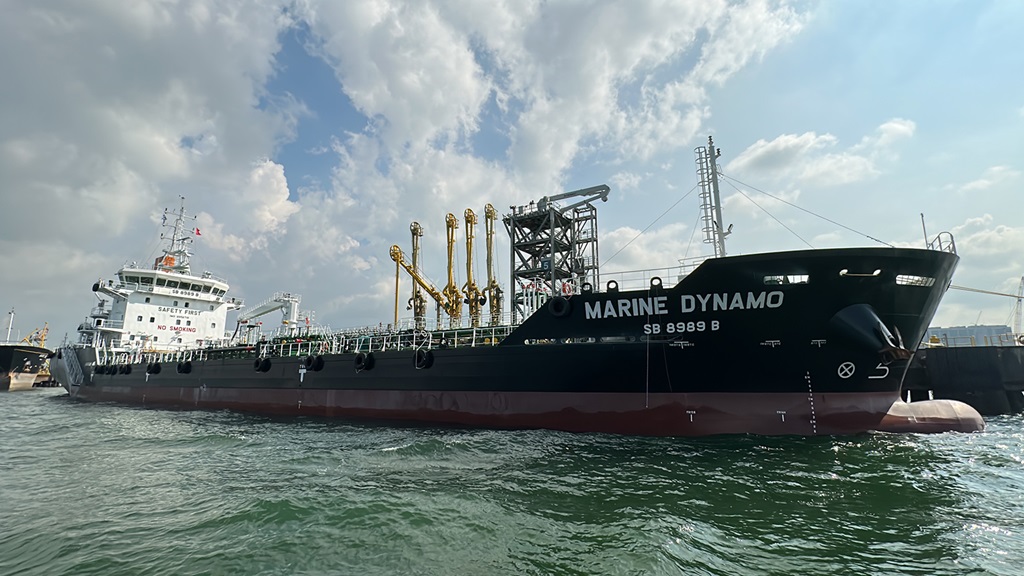
The root of the problem lies in the increasing instability around the Strait of Hormuz. This vital waterway is a critical chokepoint for global oil trade. Disruptions to tanker traffic, stemming from regional conflicts, are causing significant anxiety.
The situation is reminiscent of past crises in the region. However, the scale of potential disruption feels particularly acute this time. The combination of geopolitical tensions and China’s response is creating a volatile mix.
Looking Ahead: Fuel Export Halt Concerns
The long-term implications of China’s decision remain to be seen. It’s likely to exacerbate existing pressures on global fuel prices. It could also accelerate the search for alternative supply routes and energy sources.
This fuel export halt is a stark reminder of the interconnectedness of the global energy system. It demonstrates how quickly events in one region can ripple across the world. The coming weeks will be crucial in determining the extent of the impact.