Bitumen for Repairing Asphalt Paving
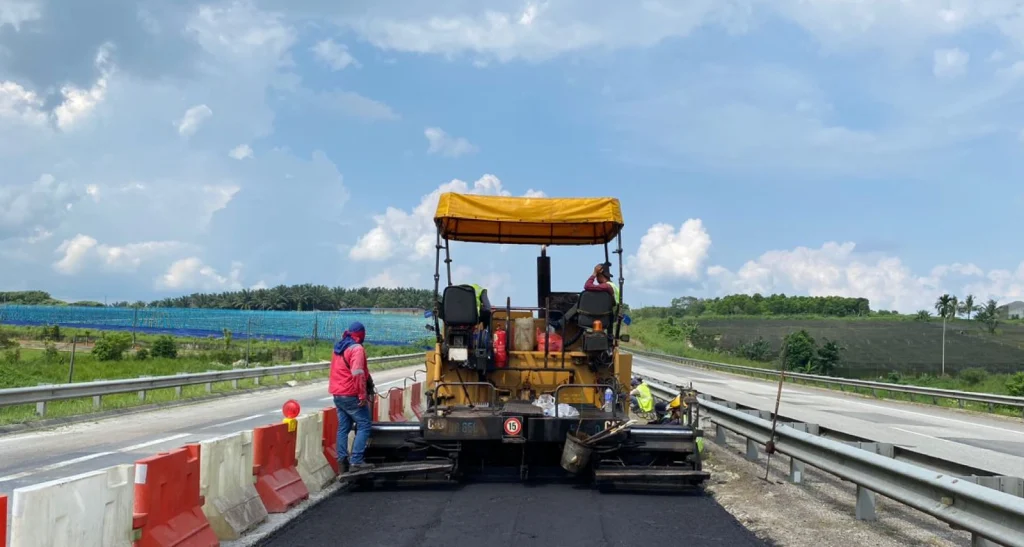
Repairing asphalt paving requires selecting the right type of bitumen. Bitumen is a sticky, black hydrocarbon that binds asphalt together, providing flexibility, durability, and waterproofing. Choosing the correct bitumen ensures that repairs last longer and withstand traffic and weather conditions. This guide explains key types, properties, application steps, maintenance tips, and new technologies in asphalt repair.
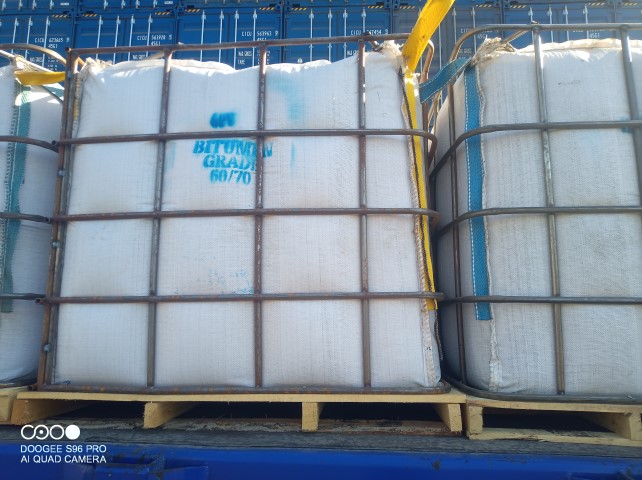
Types of Bitumen for Asphalt Repair
Oxidized Bitumen
-
Stiff and heat-resistant due to oxidation.
-
Ideal for areas with extreme temperatures.
-
Less likely to soften in hot weather.
Penetration Bitumen
-
Most common for road repair and construction.
-
Balanced hardness and flexibility.
-
Suitable for various climates and traffic levels.
Emulsion Bitumen
-
Water-based and eco-friendly.
-
Sets quickly and adheres well to existing asphalt.
-
Works in cold or wet conditions.
Performance Grade (PG) Bitumen
-
Engineered for specific climates and traffic.
-
Ensures long-lasting performance.
-
Good choice for busy roads.
Polymer Modified Bitumen (PMB)
-
Enhanced with polymers for elasticity and strength.
-
Resists deformation and cracking.
-
Perfect for heavy-duty roads and variable temperatures.
Crumb Rubber Modified Bitumen (CRMB)
-
Made with recycled tires.
-
Increases flexibility and reduces road noise.
-
Improves skid resistance and pavement lifespan.
Viscosity Grade Bitumen
-
Designed for proper flow at high temperatures.
-
Ensures easier mixing and stable pavement structure.
Cutback Bitumen
-
Thinned with solvents for easy application.
-
Suitable for cold climates or remote areas.
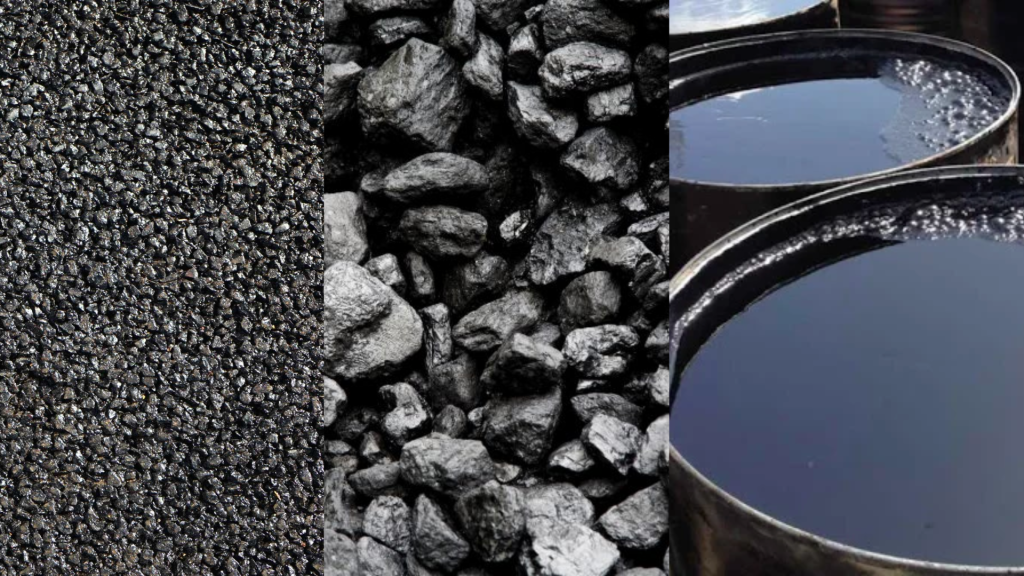
Factors to Consider When Choosing Bitumen
-
Climate: Use bitumen that withstands local temperatures.
-
Traffic: Heavy traffic needs durable types like PMB or PG bitumen.
-
Application: Consider ease of use; emulsion and cutback are simpler to apply.
-
Environment: Emulsion and CRMB reduce VOC emissions and recycle materials.
Choosing the right bitumen affects repair durability, performance, and cost.
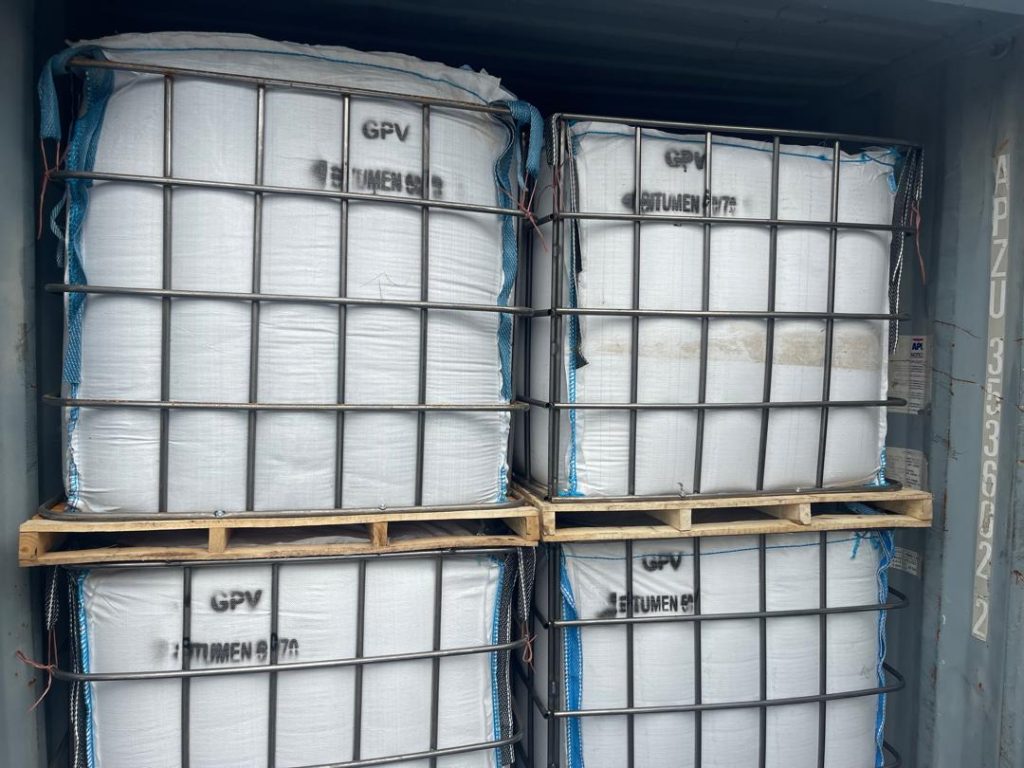
Advanced Bitumen Technologies
Modern bitumen technologies improve pavement performance and sustainability.
Polymer Modified Bitumen (PMB)
-
Blends polymers with bitumen for elasticity and strength.
-
Prevents rutting and cracking under heavy traffic.
-
Ideal for highways and high-stress areas.
Crumb Rubber Modified Bitumen (CRMB)
-
Uses recycled tire rubber.
-
Reduces road noise, resists cracking, and improves flexibility.
Bio-Based Bitumen
-
Made from renewable resources like vegetable oils.
-
Reduces fossil fuel use while performing similarly to conventional bitumen.
Warm Mix Asphalt (WMA)
-
Asphalt mixed and laid at lower temperatures.
-
Reduces energy use and emissions.
-
Extends paving season in cooler climates.
High Modulus Asphalt (HiMA)
-
Offers high stiffness for heavy traffic.
-
Resists rutting while maintaining fatigue resistance.
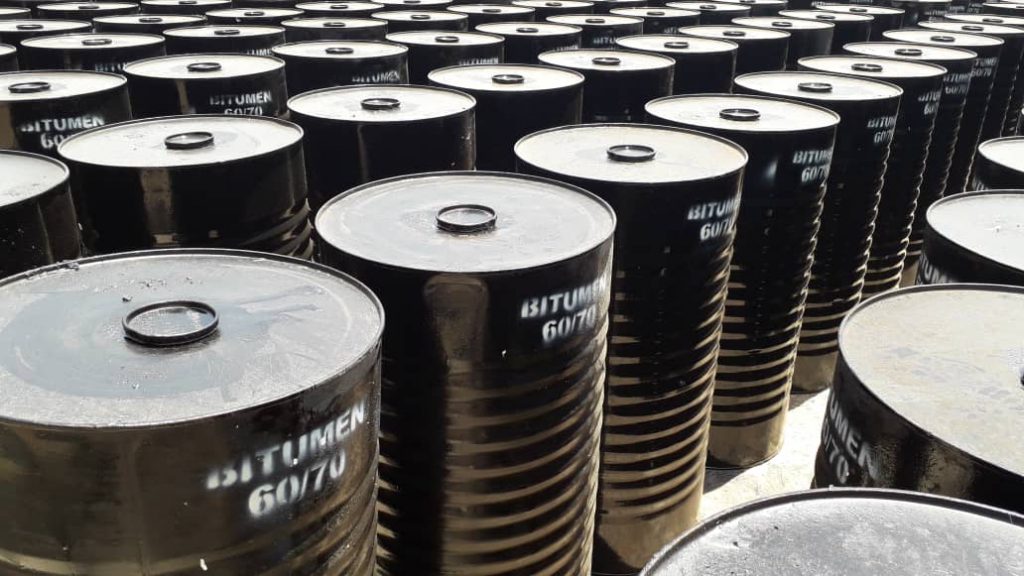
How to Apply Bitumen for Asphalt Repair
1. Prepare the Site
-
Clean: Remove debris, dust, and loose asphalt.
-
Trim Edges: Make repair area uniform for better bonding.
-
Prime: Apply bitumen primer for strong adhesion.
2. Select Bitumen
-
Choose based on traffic, climate, and repair type.
-
Options: hot mix asphalt, cold patch, emulsion, PMB.
3. Heat Bitumen
-
Heat hot mix asphalt to the recommended temperature.
-
Ensures proper flow and adhesion.
4. Fill the Area
-
Pour or place bitumen into the prepared area.
-
Slightly overfill to allow for compaction.
5. Compact
-
Use tamper, vibratory plate, or roller.
-
Ensure firm, even compaction to prevent sinking or water infiltration.
6. Seal and Cure
-
Apply sealant for waterproofing.
-
Allow curing time (usually 24 hours for hot mix).
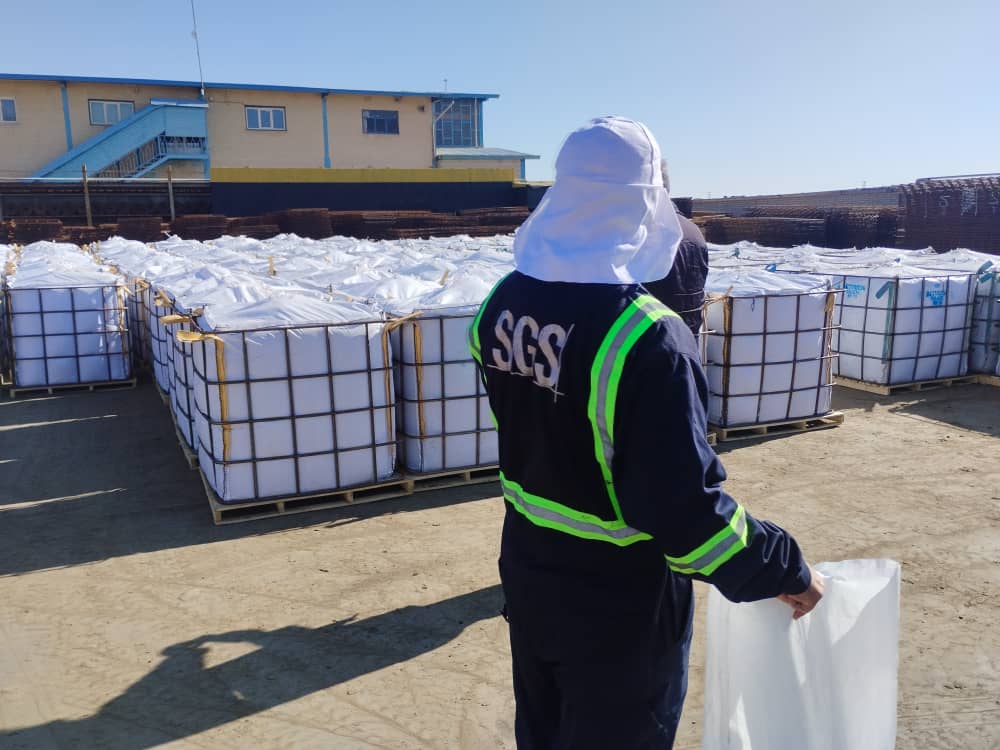
7. Quality Check
-
Inspect for cracks, uneven surfaces, or poor bonding.

Bitumen Grades Explained
Penetration Grade
-
Hardness measured by needle penetration.
-
Balanced flexibility and stiffness.
Viscosity Grade
-
Focused on flow at high temperatures.
-
Ensures proper mixing and compaction.
Performance Grade (PG)
-
Tailored for extreme climates.
-
Resists cracking, rutting, and fatigue.
PMB
-
Enhanced elasticity and strength.
-
Ideal for heavy traffic and high-stress areas.
CRMB
-
Uses recycled rubber for flexibility and noise reduction.
Oxidized & Cutback Bitumen
-
Oxidized: stiff, water-resistant, used for industrial purposes.
-
Cutback: diluted for easy application in cold areas.
Emulsion Bitumen
-
Water-based for quick repairs and lower temperature application.
Environmental Impact
Bitumen has environmental challenges but solutions exist:
-
Emissions & Energy: Hot mix asphalt releases CO₂ and VOCs.
-
Resource Depletion: Bitumen is petroleum-based.
-
Water Pollution: Improper handling can contaminate water.
Sustainable Practices:
-
WMA: Reduces energy and emissions.
-
Recycling: Reclaimed asphalt pavement (RAP) reuses materials.
-
Bio-Based Bitumen: Renewable alternatives reduce carbon footprint.
-
CRMB: Recycles tires, reduces landfill waste.
Cost-Effectiveness of Bitumen
| Bitumen Type | Initial Cost | Longevity | Cost-Effectiveness |
|---|---|---|---|
| Penetration | Low | Moderate | High for low traffic |
| Viscosity | Medium | Good | Balanced trade-off |
| PG | High | Excellent | Cost-effective long-term |
| PMB | High | Superior | Long-term savings |
| CRMB | High | Superior | Environmental + savings |
| WMA | Variable | Comparable | Saves energy |
| Bio-Based | Higher | Competitive | Sustainable alternative |
Future of Bitumen Repairs
-
Self-Healing Asphalt: Repairs minor cracks automatically.
-
Bio-Based Bitumen: Renewable and eco-friendly.
-
Nanotechnology: Enhances strength and durability.
-
Cool Pavements: Reflect heat to reduce urban heat island effect.
-
Smart Pavements: Sensors monitor damage and traffic for proactive maintenance.
Maintenance Tips for Bitumen Pavements
-
Inspect regularly for cracks and potholes.
-
Seal cracks promptly to prevent water damage.
-
Patch potholes with cold or hot mix asphalt.
-
Apply sealcoat every 2-3 years.
-
Ensure proper drainage to avoid water damage.
-
Control heavy loads and vegetation near edges.
-
Use safe de-icing chemicals in winter.
Conclusion
Choosing the right bitumen, applying it correctly, and maintaining asphalt pavements ensure long-lasting, durable roads. Modern technologies like PMB, CRMB, WMA, and bio-based bitumen improve performance and sustainability. Regular maintenance extends pavement life, saves costs, and enhances safety. By following these best practices, you can achieve high-quality asphalt repairs that stand the test of time.