Navigating the Bitumen Market in China: Best Grades and Packaging for Regional Road Projects
China’s rapid infrastructure development has kept the demand for bitumen high, particularly for regional road projects across the country. For contractors, engineers, and suppliers, understanding bitumen grades in China and the most efficient bitumen packaging options is critical for project success. This article explores the current trends in the Chinese bitumen market, the best grades for various road applications, and the ideal packaging solutions for smooth logistics.
Overview of the Bitumen Market in China
The Chinese bitumen market has witnessed steady growth over the past decade. Regional governments have prioritized road construction to connect rural areas, improve logistics, and enhance trade corridors. This infrastructure boom has created a robust demand for bitumen in China, particularly for projects requiring high-quality, durable paving materials.
Factors influencing the market include:
-
Government investment in highways and regional roads
-
Rising crude oil prices, affecting bitumen production costs
-
Export and import dynamics, especially in relation to Middle Eastern and Southeast Asian suppliers
Understanding these market dynamics helps suppliers and contractors choose the right bitumen grade in China for their projects.

Popular Bitumen Grades in China
Bitumen is categorized based on its physical properties, such as penetration grade, viscosity, and performance under varying temperatures. In China, the most widely used grades for regional road projects include:
1. Penetration Grade Bitumen
Penetration grade bitumen is commonly used in urban and regional roads. It is classified by penetration numbers, such as 60/70, 80/100, and 120/150. The choice depends on climatic conditions and expected traffic loads.
-
60/70 Penetration Grade: Ideal for high-temperature regions with heavy traffic roads. Offers excellent stability and durability.
-
80/100 Penetration Grade: Suitable for moderate traffic highways and regional roads. Provides a balance between flexibility and hardness.
-
200/300 Penetration Grade: Used mainly in low-traffic rural roads or in colder regions due to its softer consistency.
2. Modified Bitumen
For projects requiring enhanced performance, polymer-modified bitumen (PMB) is gaining popularity in China. PMB improves resistance to rutting, cracking, and aging, making it ideal for regions with high temperature variation or heavy vehicular loads.
3. Viscosity Grade Bitumen
Viscosity grade (VG) bitumen is specified for its flow characteristics at high temperatures. VG-30 and VG-40 are commonly used for regional roads, especially in provinces with warmer climates. VG bitumen ensures easier handling during hot mix asphalt production.

Choosing the Right Bitumen Grade for Regional Roads
Selecting the appropriate bitumen grade in China depends on several factors:
-
Climate Conditions: Northern regions with colder winters may require softer penetration grades, while southern provinces with hot summers benefit from harder grades or PMB.
-
Traffic Load: High-traffic roads need stronger, more durable grades like 60/70 penetration or PMB, whereas rural roads can use softer grades.
-
Construction Type: Hot mix asphalt (HMA) requires grades suitable for high-temperature mixing, whereas cold mix applications may need softer or emulsified bitumen.
Understanding local conditions ensures optimal road performance and longevity, preventing premature failures and costly repairs.
Efficient Bitumen Packaging for China
Packaging plays a vital role in bitumen logistics and storage. Suppliers must consider transport safety, ease of handling, and environmental protection. Popular bitumen packaging options in China include:
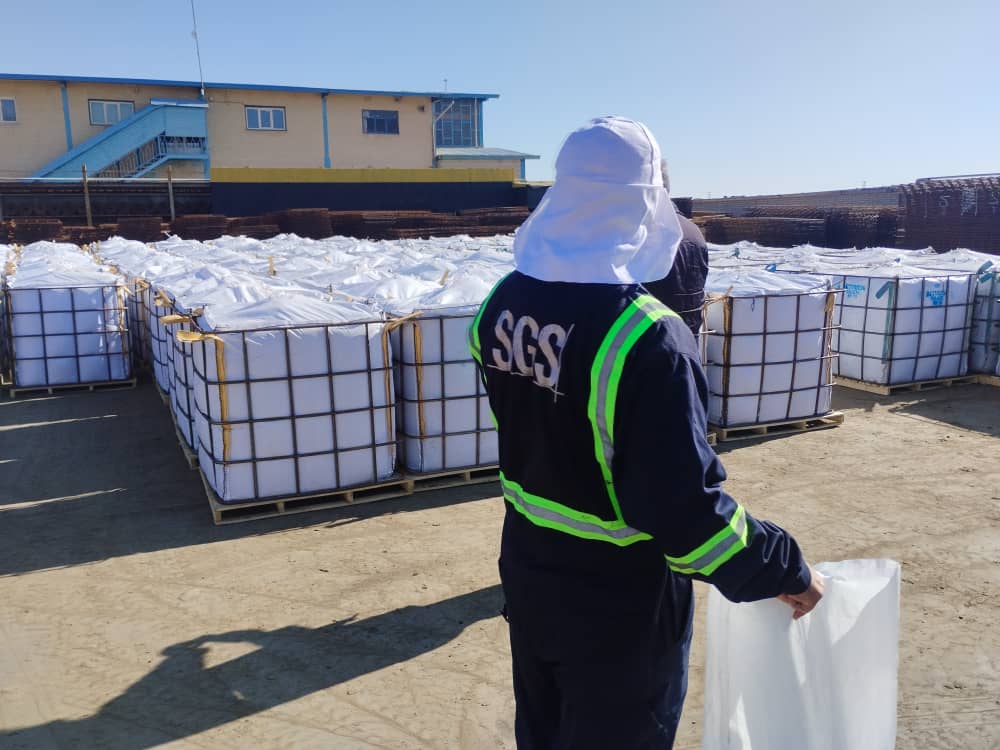
Jumbo Bags
-
Capacity: 500–1000 kg per bag
-
Advantages: Reduces handling time, suitable for large projects, allows bulk transport
-
Considerations: Requires careful handling to avoid damage or leakage
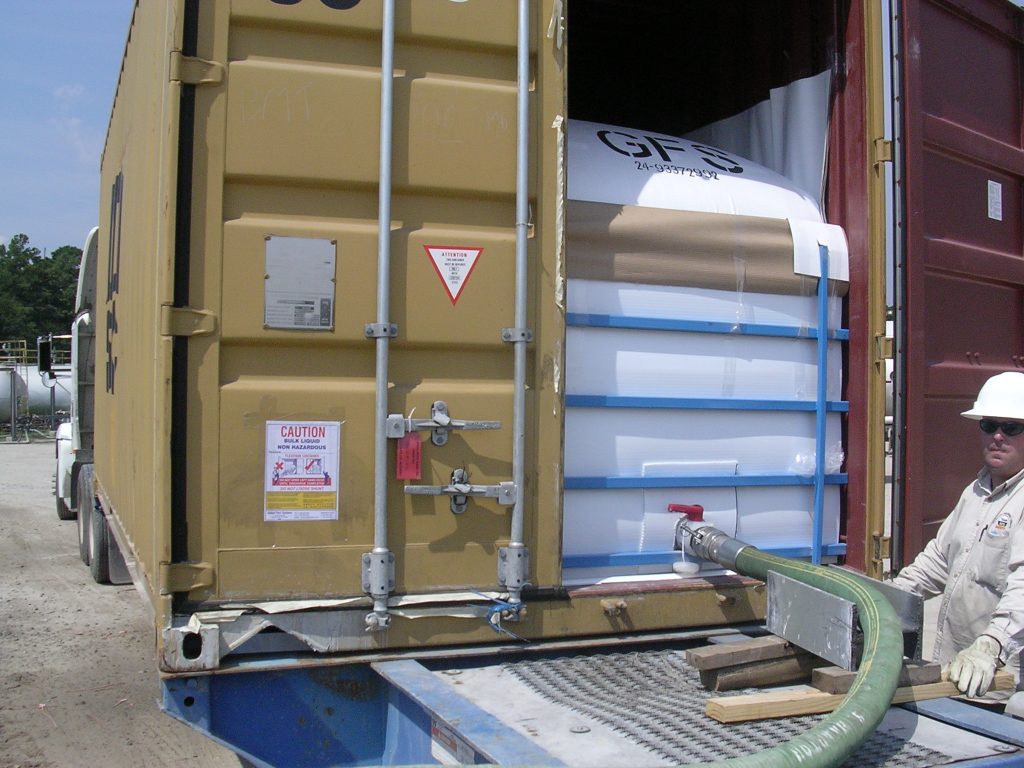
Flexi Tanks
-
Capacity: 10–25 tons per tank
-
Advantages: Ideal for very large projects or continuous supply contracts, reduces packaging waste, lightweight and easier to transport than rigid tanks
-
Considerations: Requires careful handling to avoid punctures, and proper storage during loading/unloading is essential
Trends in the Chinese Bitumen Market
Several trends are shaping the bitumen market in China today:
-
Shift Toward Polymer-Modified Bitumen: Increased infrastructure spending and road durability requirements are driving PMB adoption.
-
Focus on Sustainable Packaging: Eco-friendly packaging solutions, such as reusable drums or biodegradable liners, are gaining traction.
-
Regional Demand Variation: Coastal provinces often demand higher-quality PMB for highways, while inland regions focus on standard penetration grades.
-
Supply Chain Optimization: Efficient logistics and bulk transport options are increasingly important due to fluctuating crude oil prices and production constraints.
Tips for Contractors and Suppliers
To successfully navigate the Chinese bitumen market, consider these strategies:
-
Assess Regional Requirements: Evaluate local climate, road usage, and project scale before selecting bitumen grade and packaging.
-
Work with Reliable Suppliers: Choose suppliers who can guarantee consistent quality, timely delivery, and regulatory compliance.
-
Plan Logistics Carefully: Bulk orders can reduce costs, but proper storage and handling are essential to maintain bitumen quality.
-
Monitor Market Trends: Keep track of crude oil prices, government infrastructure plans, and regional demand fluctuations.
Conclusion
Navigating the bitumen market in China requires a clear understanding of the right grades and packaging options for regional road projects. From penetration and viscosity grades to polymer-modified bitumen, selecting the correct product ensures road durability and performance. Meanwhile, choosing the proper packaging—steel drums, jumbo bags, or bulk tankers—simplifies logistics and protects product quality.
By staying informed about market trends and regional requirements, contractors and suppliers can optimize costs, meet project deadlines, and ensure long-lasting road construction in China.