The Future of Sustainable Asphalt: Recycling, RAP, and Low-Carbon Roads
Road infrastructure is essential to economic growth, trade, mobility, and urban development. Yet building and maintaining roads requires large quantities of aggregates, bitumen, energy, and transportation. As governments and infrastructure owners focus increasingly on reducing carbon emissions and conserving natural resources, the asphalt industry is entering a new phase: the development of more sustainable, circular, and low-carbon roads.
Sustainable asphalt is no longer simply about using recycled materials. It involves a broader approach that considers the entire pavement life cycle—from raw material production and asphalt mixing to transportation, construction, maintenance, recycling, and eventual reuse.
One of the most important technologies driving this transition is Reclaimed Asphalt Pavement (RAP). By recovering valuable aggregates and aged asphalt binder from existing roads, RAP allows producers to replace part of the virgin materials traditionally required for new asphalt mixtures.
At the same time, technologies such as Warm Mix Asphalt (WMA), improved recycling agents, energy-efficient asphalt plants, optimized pavement design, and life-cycle assessment are helping the industry move toward lower-carbon road construction.
The future of sustainable asphalt will therefore depend not on a single technology, but on combining recycling, material efficiency, energy reduction, and long-term pavement performance.
What Is Sustainable Asphalt?
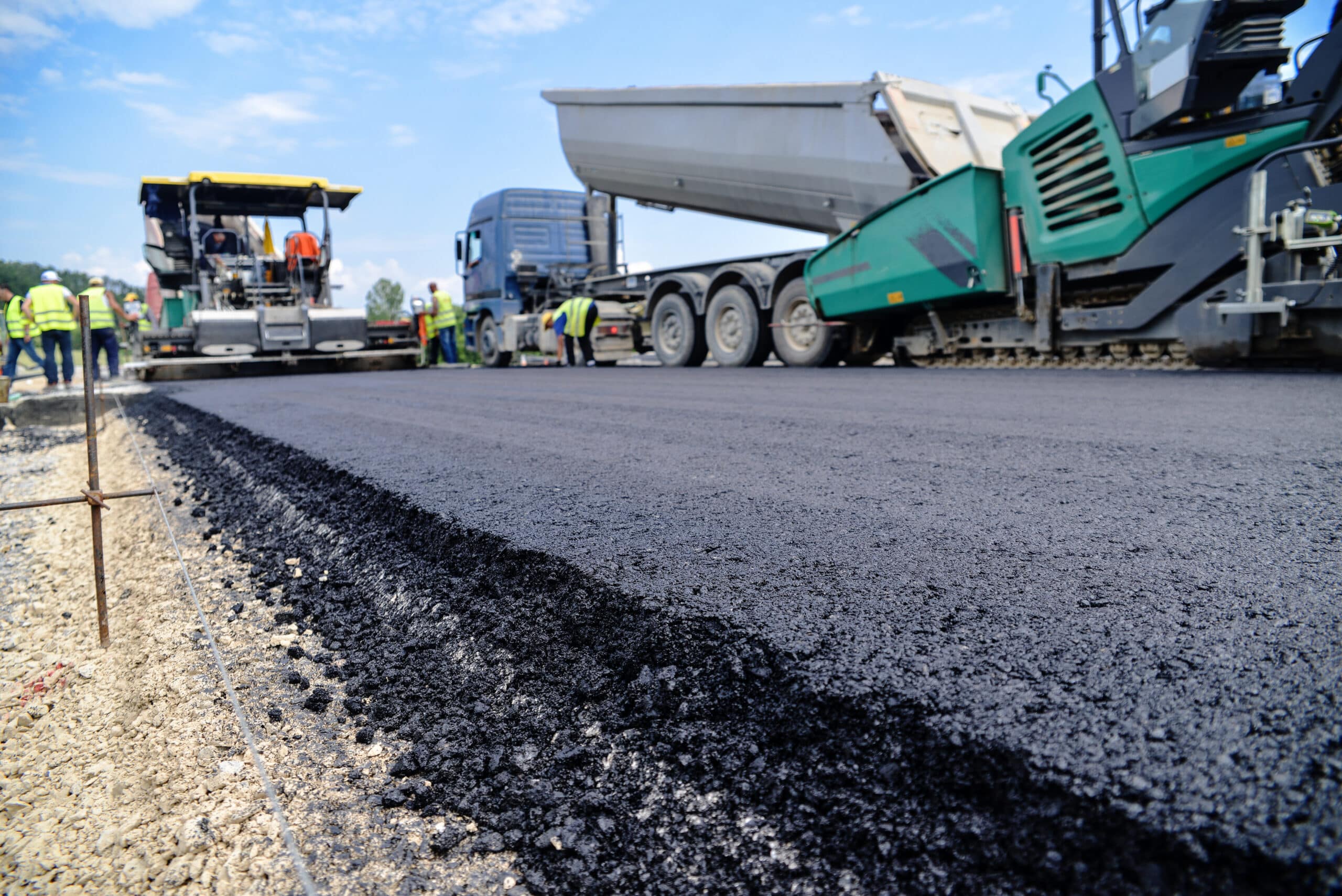
Sustainable asphalt refers to asphalt pavement solutions designed to reduce environmental impact while maintaining the durability, safety, and performance required for modern roads.
Traditional asphalt production requires virgin aggregates and asphalt binder, both of which involve extraction, processing, and transportation. Sustainable asphalt reduces the demand for these resources by incorporating recycled materials and using production methods that require less energy.
The main principles of sustainable asphalt include:
- Increasing the use of recycled asphalt materials
- Reducing consumption of virgin aggregates and bitumen
- Lowering energy use during asphalt production
- Reducing greenhouse gas emissions
- Extending pavement service life
- Improving material reuse at the end of a pavement’s life
- Minimizing construction and transportation impacts
This makes asphalt particularly suitable for a circular economy approach. Instead of treating an old road as waste, its materials can become valuable inputs for a new pavement.
The European Asphalt Pavement Association (EAPA) highlights asphalt’s high recyclability and reports that reclaimed asphalt is widely reused in new asphalt mixtures and recycled in other civil engineering applications across Europe.
What Is Reclaimed Asphalt Pavement (RAP)?
Reclaimed Asphalt Pavement, or RAP, is asphalt pavement that has been removed from existing roads through milling or full-depth removal and processed for reuse.
RAP contains two particularly valuable components:
- Aggregates
- Aged asphalt binder
When properly processed, RAP can become a raw material for producing new asphalt mixtures. Instead of sending removed pavement to landfill or using only virgin materials, asphalt producers can recover the existing aggregate and binder and incorporate them into new pavement.
According to the Federal Highway Administration (FHWA), RAP can be used in asphalt mixtures as well as in granular base, subbase, and other applications. FHWA also emphasizes that successful recycling must balance economic practicality, environmental responsibility, and pavement performance.
This is important because sustainable road construction cannot simply maximize recycled content without considering engineering performance. The objective is to use recycled materials at technically appropriate levels while producing durable pavement.

Why Is RAP Important for Sustainable Road Construction?
RAP is one of the most effective tools available for reducing the environmental footprint of asphalt production.
When RAP is incorporated into new asphalt mixtures, it can reduce the need for virgin aggregate and new asphalt binder. This means fewer raw materials need to be extracted, processed, and transported.
The environmental advantages include:
1. Reduced Virgin Material Consumption
Using RAP reduces demand for newly quarried aggregates and virgin asphalt binder.
Because RAP already contains both aggregate and asphalt binder, it allows existing road materials to remain within the construction cycle.
2. Lower Waste Generation
Milling an existing pavement can generate substantial quantities of reclaimed material. Recycling this material helps divert it from disposal and creates a useful feedstock for new pavement.
3. Conservation of Asphalt Binder
The aged binder contained in RAP still has value. Modern mix design and recycling technologies can account for the properties of this aged binder and determine how much additional virgin binder or recycling agent is required.
4. Potential Cost Savings
RAP can also provide economic benefits by reducing purchases of virgin aggregate and binder. In the United States, NAPA reported that 101.4 million tons of RAP were recycled into new asphalt mixtures during the 2024 construction season, alongside significant estimated savings in virgin materials and associated costs.
For infrastructure owners, the combination of environmental and economic benefits makes RAP an increasingly important component of sustainable pavement strategies.
How Does Asphalt Recycling Work?
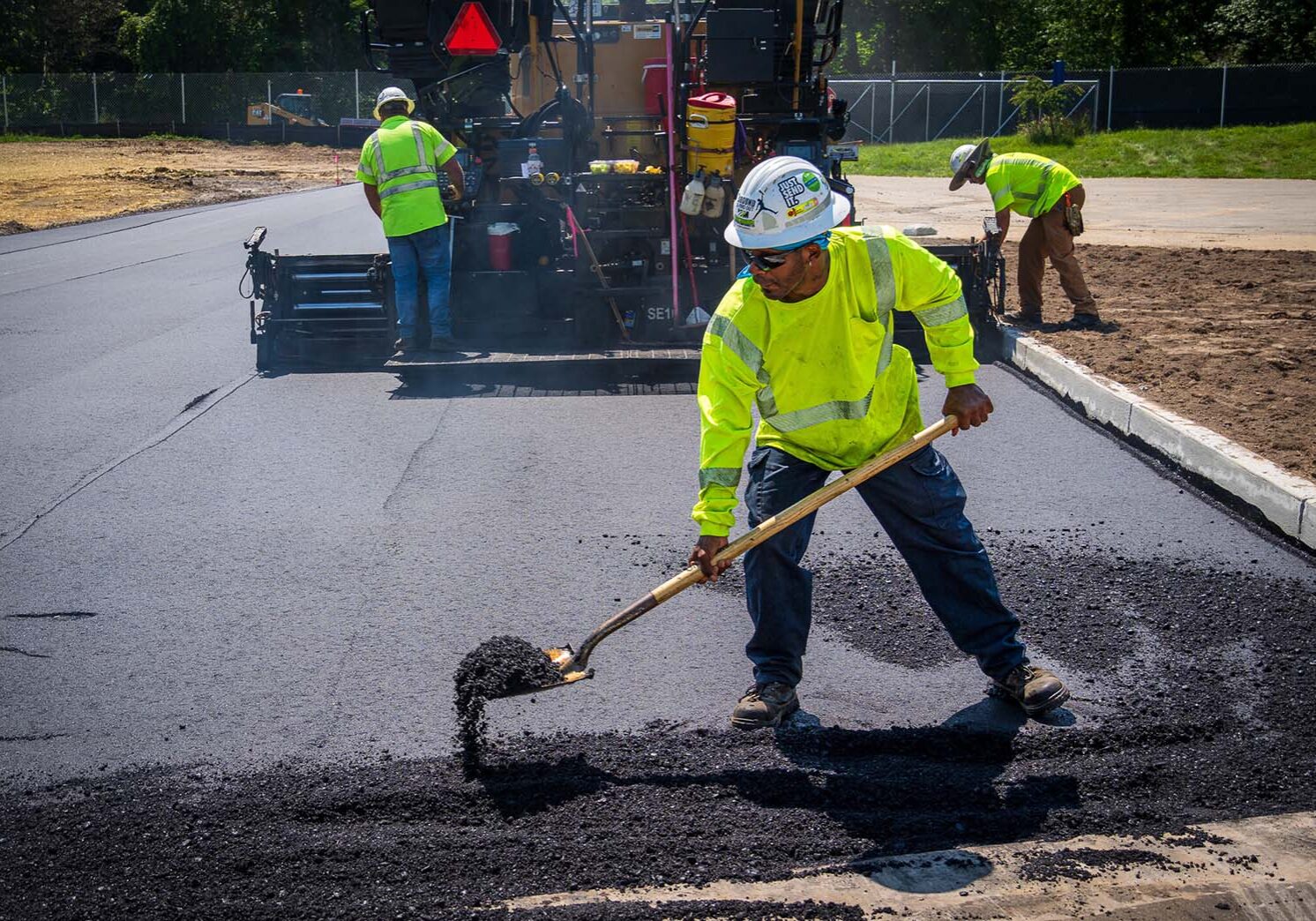
The asphalt recycling process generally begins when existing pavement is milled or removed.
The reclaimed material is then transported to a processing facility or asphalt plant, where it may be crushed, screened, and separated into appropriate sizes.
The processed RAP can then be incorporated into a new asphalt mixture along with:
- Virgin aggregates
- New asphalt binder
- Recycling agents or rejuvenators when required
- Other approved additives
The exact mix design depends on the RAP properties, desired performance, climate, traffic conditions, and project specifications.
There are also different recycling approaches, including hot recycling, cold recycling, hot in-place recycling, and cold in-place recycling. FHWA recognizes these technologies as important tools for pavement rehabilitation and material recovery.
Can High-RAP Asphalt Perform Well?
One of the biggest questions surrounding recycled asphalt is whether increasing RAP content compromises pavement performance.
The answer is not simply yes or no.
The performance of a high-RAP mixture depends on material quality, RAP processing, binder characteristics, mix design, recycling technology, production controls, and pavement conditions.
Modern research and field experience increasingly demonstrate that higher RAP contents can be successfully used when appropriate engineering and quality-control procedures are followed.
FHWA’s recent guidance notes that asphalt mixtures containing approximately 30–50% reclaimed binder content can perform well when properly designed and produced, making higher-RAP mixtures an important pathway toward pavement sustainability goals.
The key lesson is that RAP should not be viewed simply as a waste substitute. It is a valuable engineered material that requires proper characterization and quality control.
Warm Mix Asphalt: Another Path to Lower-Carbon Roads
Recycling is only one part of sustainable asphalt.
Another major development is Warm Mix Asphalt (WMA).
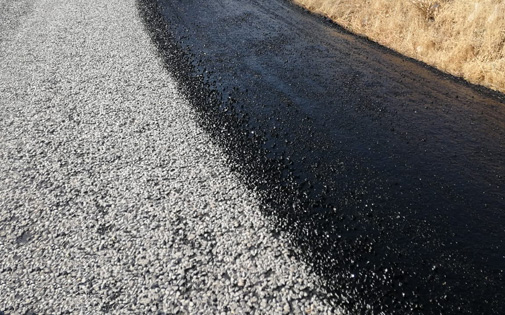
Traditional Hot Mix Asphalt is produced and placed at relatively high temperatures. Warm Mix Asphalt technologies allow asphalt mixtures to be produced and compacted at lower temperatures.
Lower production temperatures can reduce energy consumption and plant emissions while also creating potential benefits for workers and construction operations.
EAPA identifies reduced-temperature technologies, including Warm Mix Asphalt and Cold Mix Asphalt, as important tools for reducing production emissions and supporting the transition toward a more sustainable asphalt industry.
WMA can also work together with RAP.
This combination is particularly important because sustainable road construction does not need to rely on a single solution. A project may combine recycled asphalt, lower production temperatures, renewable energy, efficient transportation, and optimized pavement design to reduce its overall environmental impact.
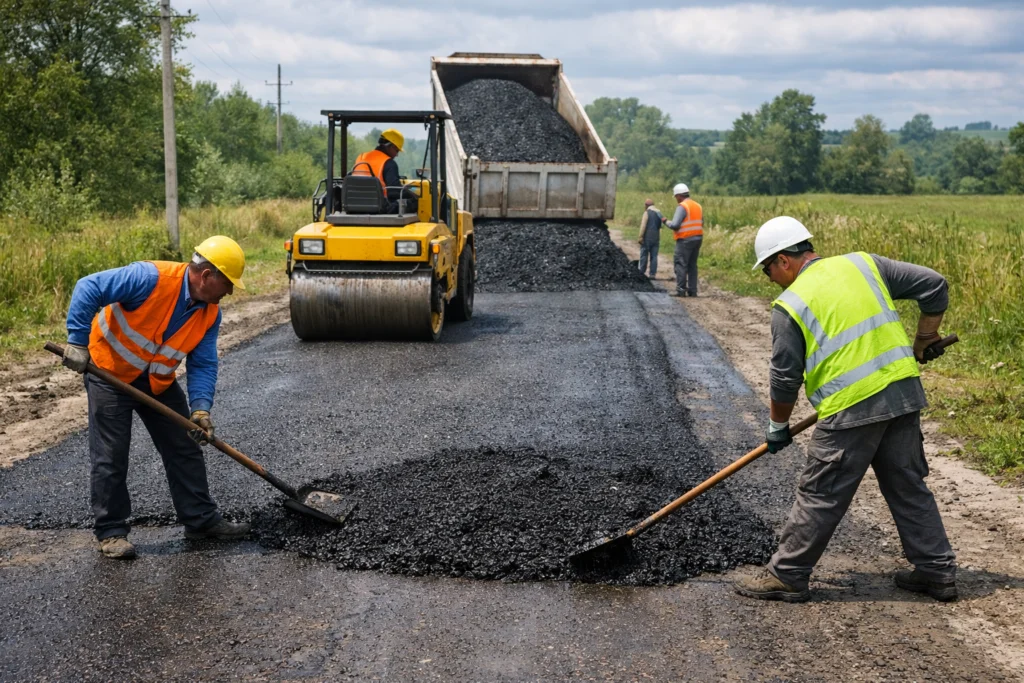
From Recycled Asphalt to Low-Carbon Roads
The next stage of sustainable pavement development is moving from recycled materials toward low-carbon pavement systems.
A low-carbon road considers emissions throughout its life cycle.
These emissions can come from:
- Extraction of aggregates
- Production of asphalt binder
- Asphalt mixing
- Fuel consumption
- Transportation
- Paving and compaction
- Pavement maintenance
- Reconstruction
This means that a pavement with recycled content is not automatically the lowest-carbon option in every situation.
The most sustainable solution is the one that delivers the required performance with the lowest practical life-cycle impact.
For example, a durable pavement that lasts significantly longer before major rehabilitation may reduce the environmental impact associated with repeated reconstruction. Similarly, producing asphalt closer to the project site can reduce transportation emissions.
This is why life-cycle assessment (LCA) is becoming increasingly important in sustainable pavement decisions.
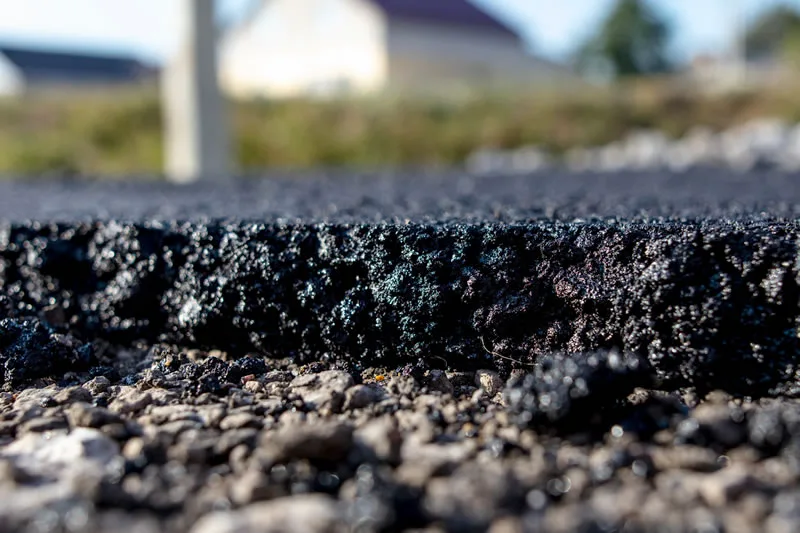
The Role of Bitumen in Sustainable Asphalt
Bitumen remains a critical component of asphalt pavement because it binds aggregate particles together and provides flexibility, waterproofing, and durability.
Asphalt sustainability therefore cannot be separated from developments in bitumen technology.
One important area is the efficient use of existing binder contained in RAP. Rather than treating aged bitumen as unusable, engineers can characterize its properties and determine how it can contribute to the new mixture.
Recycling agents and rejuvenators may also be used in appropriate applications to help restore desired binder characteristics.
At the same time, asphalt producers and researchers are investigating alternative binders, bio-based materials, polymer modification, and other technologies that may contribute to lower-carbon pavement systems.
However, sustainability should never come at the expense of road performance. The priority remains producing a pavement that can withstand traffic, climate, water, and aging over its intended service life.

What Will the Future of Sustainable Asphalt Look Like?
The future is likely to be based on integrated pavement solutions rather than one revolutionary material.
Several trends are expected to shape the industry:
Higher RAP Utilization
As recycling technologies and mix-design practices improve, more projects are likely to consider higher levels of RAP where technically appropriate.
Wider Use of Warm Mix Asphalt
Lower-temperature production can help reduce energy demand and plant emissions, making WMA an increasingly important sustainability tool.
Better RAP Processing
Improved stockpile management, screening, fractionation, binder characterization, and quality control will make higher-quality RAP more consistently available.
Digital and Data-Driven Pavement Design
Advanced testing, pavement modeling, sensors, and digital material tracking can help engineers optimize pavement performance while reducing unnecessary material use.
Life-Cycle Carbon Accounting
Environmental Product Declarations (EPDs) and life-cycle assessment methods are becoming increasingly relevant as infrastructure owners seek measurable evidence of environmental performance.
More Circular Road Infrastructure
Instead of designing roads around a linear model—extract, produce, construct, demolish—the industry is moving toward a circular model:
Extract → Produce → Build → Maintain → Reclaim → Reuse → Rebuild
The ultimate goal is to keep valuable pavement materials in circulation for as long as technically and economically possible.
Challenges to Wider Adoption of Sustainable Asphalt
Despite its potential, sustainable asphalt still faces several challenges.
RAP quality can vary depending on the source and history of the pavement. High RAP content may also require more sophisticated mix design, binder evaluation, production controls, and recycling technologies.
Regulations and project specifications can also limit the amount of recycled material allowed in certain applications.
Another challenge is the availability of reliable data. To compare different pavement technologies fairly, infrastructure owners need transparent information about material production, transportation, construction, maintenance, and end-of-life recycling.
Finally, sustainability targets must always be balanced with safety, durability, cost, and long-term pavement performance.
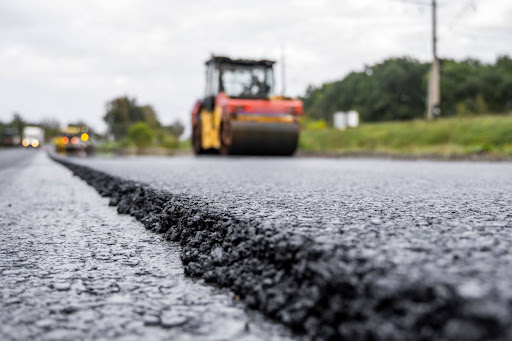
The Road Ahead
The future of sustainable asphalt is not about replacing asphalt with an entirely different pavement material.
It is about making asphalt smarter, more circular, more resource-efficient, and less carbon-intensive.
RAP recycling provides a practical way to recover valuable materials from existing roads. Warm Mix Asphalt can reduce energy requirements during production. Improved bitumen technologies can help optimize binder performance. Better pavement design can extend service life. And life-cycle assessment can help infrastructure owners make decisions based on total environmental and economic performance rather than initial construction alone.
The direction of the industry is clear: the road of the future will increasingly be built from the road of the past.
As recycling rates increase and low-carbon technologies mature, sustainable asphalt has the potential to become a central part of the global transition toward more circular and climate-conscious infrastructure. For asphalt producers, contractors, engineers, governments, and infrastructure developers, the opportunity is not simply to build greener roads. It is to build roads that use fewer resources, generate less waste, last longer, and remain valuable materials at the end of their service life. That is the future of sustainable asphalt.