Building Malaysia’s Roads to Success: The Ultimate Hot Mix Asphalt Guide That’s Transforming Infrastructure
Malaysia’s road network is getting stronger every day. The secret? Hot mix asphalt (HMA). This amazing material builds the highways, city streets, and airport runways that connect our nation.
If you work in construction or want to understand Malaysia’s infrastructure, this guide is for you. We’ll explore everything about hot mix asphalt in simple terms.
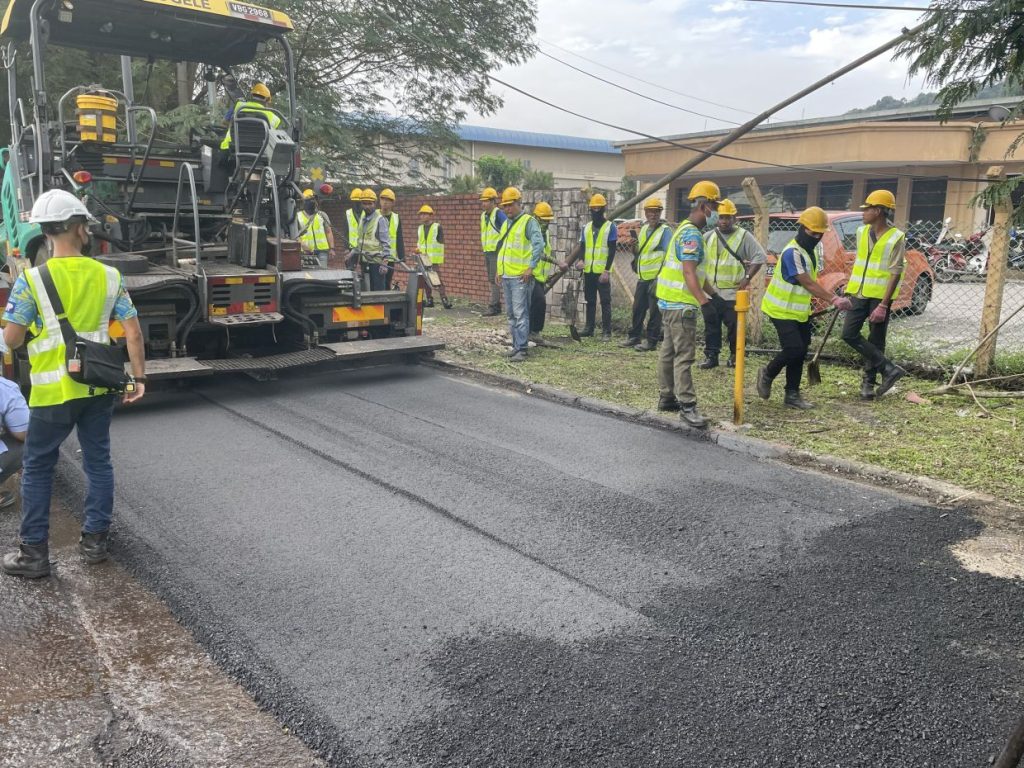
What Makes Hot Mix Asphalt So Special?
Hot mix asphalt is like a recipe for perfect roads. Think of it as mixing ingredients for a cake, but instead of flour and sugar, we use rocks and sticky tar-like material called bitumen.
Here’s how it works:
- Crushed stones and sand get heated to 140-180°C
- Hot bitumen coats every piece of rock
- The mixture becomes smooth and workable
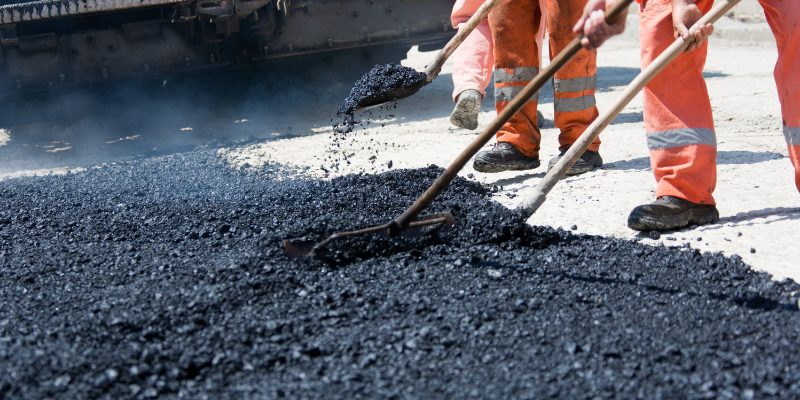
- Workers spread it on roads while it’s still hot
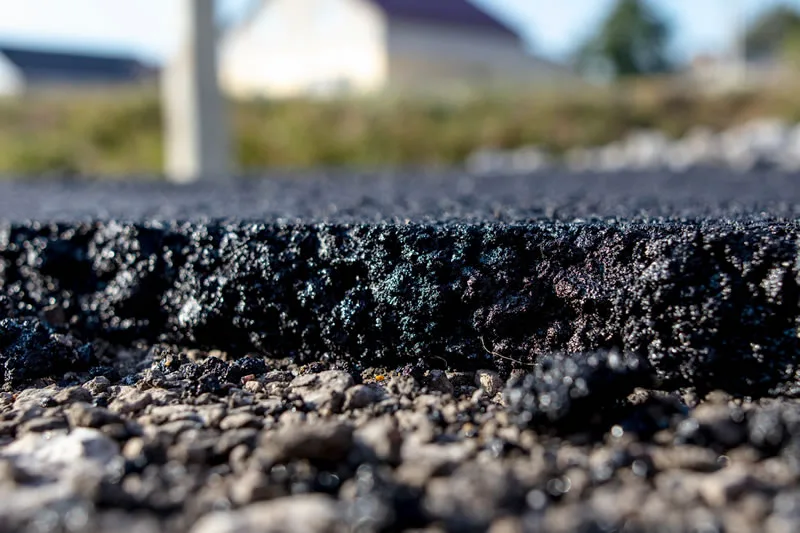
- It cools down and becomes super strong
This hot mixing process makes roads that last longer and handle Malaysia’s heavy traffic better.
Why Malaysia Chose Hot Mix Asphalt
Malaysia’s tropical weather is tough on roads. We get scorching sun, heavy rain, and high humidity all year round. Regular road materials often crack or wash away.
Hot mix asphalt solves these problems:
Fights the Heat: Malaysian roads face temperatures over 35°C daily. HMA stays flexible and won’t crack under extreme heat.
Handles Heavy Rain: Our monsoon seasons bring flooding. Quality HMA resists water damage and prevents potholes.
Supports Heavy Traffic: From buses in Kuala Lumpur to cargo trucks on highways, HMA distributes weight evenly.
Lasts Longer: While cheap alternatives need frequent repairs, good HMA roads serve Malaysia for decades.
Malaysian Standards: JKR Makes the Rules
The Public Works Department (JKR) sets strict rules for hot mix asphalt in Malaysia. These standards ensure every road meets high quality requirements.
JKR specifications cover everything:
- What rocks to use (size, strength, cleanliness)
- How much bitumen to add
- What temperature to maintain
- How thick to make road layers
- How to test quality at every step
These rules protect Malaysian drivers and taxpayers. When contractors follow JKR standards, roads last longer and cost less to maintain.
Types of Hot Mix Asphalt in Malaysia
Dense-Graded Asphalt Concrete (AC)
This is Malaysia’s most popular road surface. Dense-graded AC uses rocks of different sizes that fit together tightly, like pieces of a puzzle.
Common types include:
- AC 10: Fine mix for city streets and residential areas
- AC 14: Medium mix for main roads and commercial areas
- AC 20: Coarse mix for highways and heavy traffic zones
- AC 28: Extra coarse mix for airport runways and industrial roads
Stone Mastic Asphalt (SMA)
SMA is the premium choice for Malaysia’s busiest roads. It uses more large stones and extra bitumen to create incredibly strong surfaces.
Benefits of SMA:
- Resists truck tire damage (rutting)
- Handles extreme weight better
- Lasts longer than regular asphalt
- Provides smoother rides for vehicles
Open-Graded Friction Course (OGFC)
OGFC helps with Malaysia’s drainage challenges. This special mix has gaps that let rainwater flow through instead of pooling on the surface.
Perfect for:
- Areas with frequent flooding
- Highways during monsoon season
- Locations needing better grip for tires
- Reducing splash and spray from vehicles
Modified Asphalt Mixtures
Malaysia increasingly uses enhanced HMA with special additives:
Polymer-Modified: Adds flexibility and strength Crumb Rubber: Uses recycled tires for better performance
Warm Mix Technology: Reduces energy costs and emissions Fiber-Reinforced: Prevents cracking and extends life
Where Malaysia Uses Hot Mix Asphalt
Highway Networks
Malaysia’s major highways rely entirely on hot mix asphalt. The North-South Expressway, stretching over 700 kilometers, showcases HMA’s durability under constant heavy traffic.
These highways need special considerations:
- Multiple layers of different AC types
- Extra-thick construction for heavy trucks
- Regular maintenance schedules
- Advanced drainage systems
City and Town Roads
Urban areas present unique challenges for road construction. Hot mix asphalt handles stop-and-go traffic, bus stations, and frequent repairs without major disruption.
Urban HMA features:
- Noise reduction for residential areas
- Easy patching and maintenance
- Smooth surfaces for bicycles and motorcycles
- Integration with utilities and drainage
Airport Infrastructure
Malaysian airports like KLIA and Penang International use specialized HMA formulations. Aircraft create different stresses than cars and trucks.
Airport HMA requirements:
- Extreme load-bearing capacity
- Resistance to jet engine heat
- Smooth surfaces for safe takeoffs and landings
- Quick repair capabilities for minimal flight delays
Industrial and Commercial Areas
Ports, factories, and shopping centers need durable surfaces for heavy machinery and constant use. Hot mix asphalt provides cost-effective solutions.
Industrial applications include:
- Container terminal surfaces
- Factory loading docks
- Large parking facilities
- Warehouse access roads
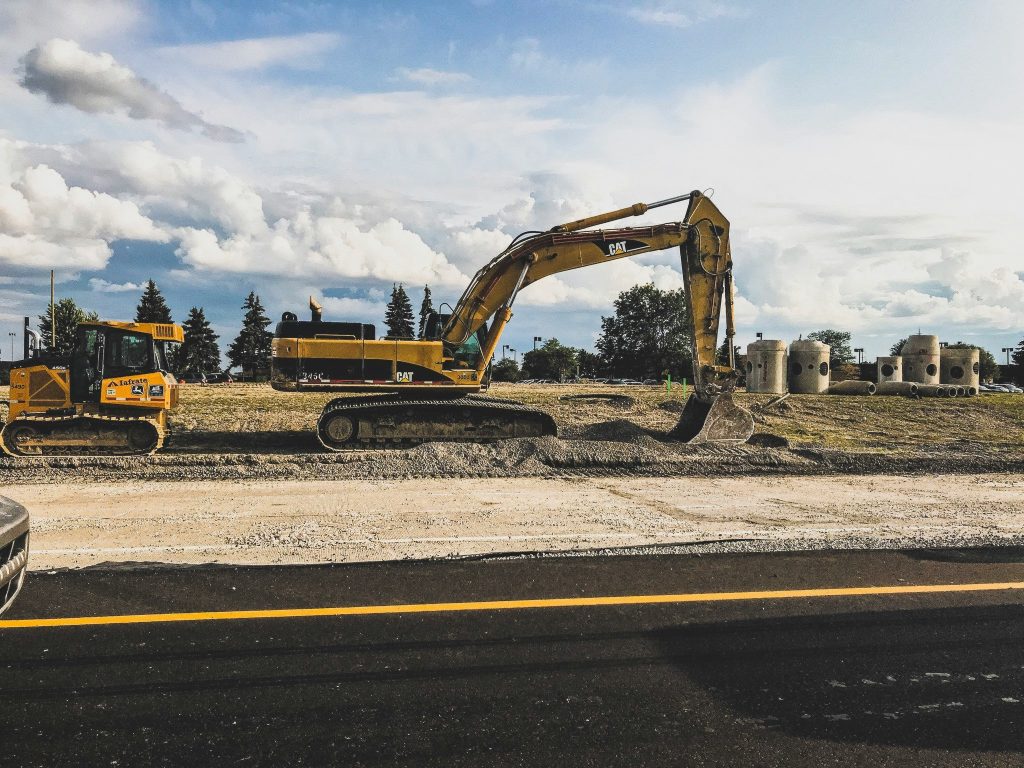
The Construction Process in Malaysia
Building roads with hot mix asphalt follows careful steps:
Step 1: Planning and Design
Engineers study traffic patterns, soil conditions, and climate factors. They design the road thickness and choose the right HMA type.
Step 2: Site Preparation
Workers clear the area, compact the soil, and build proper drainage. A strong foundation ensures the asphalt performs well.
Step 3: Asphalt Production
Local asphalt plants heat and mix materials according to JKR specifications. Quality control teams test every batch.
Step 4: Transportation and Placement
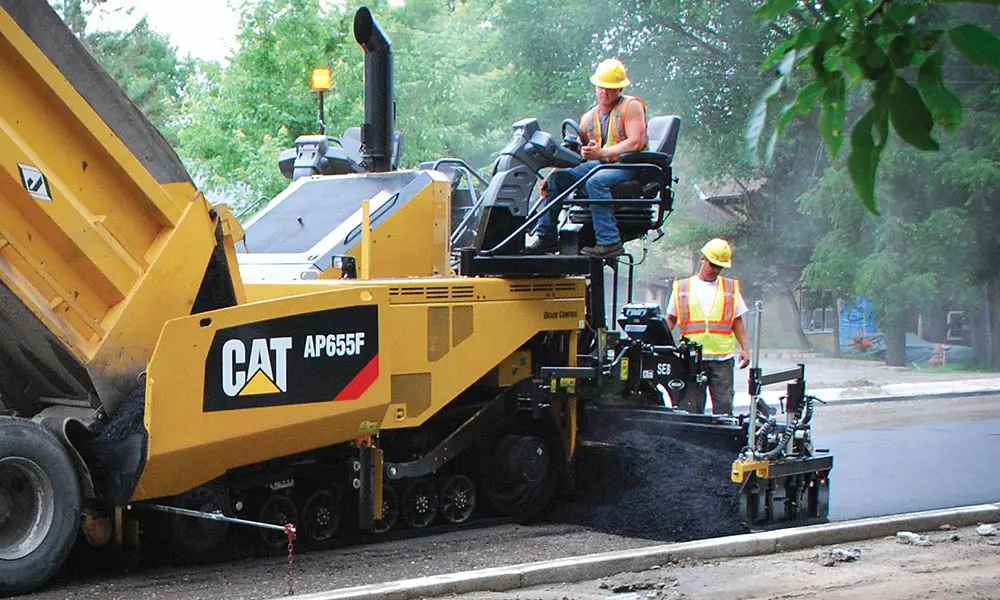
Heated trucks carry the hot mix to construction sites. Workers spread it evenly using special machines called pavers.
Step 5: Compaction
Heavy rollers compress the hot asphalt while it’s still warm. This removes air pockets and creates a smooth, dense surface.
Step 6: Quality Testing
Inspectors check thickness, density, and smoothness. They take samples to verify the finished road meets all standards.

Quality Control: Testing Every Step
Malaysian construction follows strict testing procedures:
Material Testing: Every load of rocks and bitumen gets checked before use.
Temperature Monitoring: Digital thermometers ensure proper mixing and placement temperatures.
Density Checks: Special equipment measures how well the asphalt compacted.
Core Sampling: Workers drill small samples from finished roads to verify quality.
Performance Monitoring: Engineers track how roads perform over time and weather conditions.
Environmental Benefits and Recycling
Modern Malaysian HMA production emphasizes sustainability:
Recycled Materials: Up to 30% of new asphalt can include recycled asphalt pavement (RAP) from old roads.
Energy Efficiency: Warm mix technologies reduce fuel consumption during production.
Local Materials: Using Malaysian aggregates and locally-produced bitumen reduces transportation costs and emissions.
Long Service Life: Quality HMA roads last 15-20 years, reducing the need for frequent reconstruction.
Challenges and Solutions in Malaysia
Climate Challenges
Malaysia’s weather tests every road material:
- High temperatures can soften asphalt
- Heavy rainfall can cause water damage
- Humidity affects material storage and handling
Solutions include modified binders, improved drainage design, and climate-specific mix formulations.
Traffic Growth
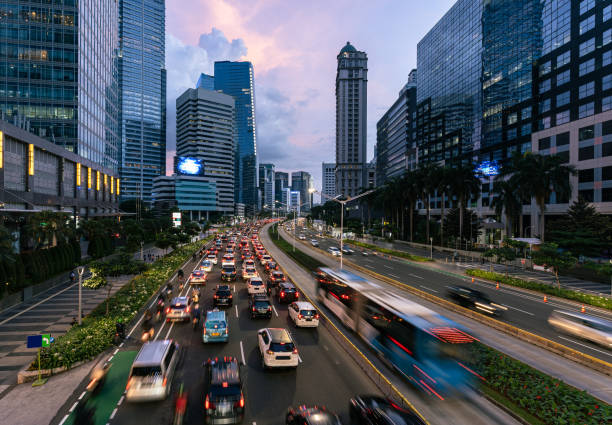
Malaysia’s economic growth means more vehicles every year. Roads must handle increasing loads without failing.
Strategies include:
- Upgrading existing roads with stronger HMA
- Building wider highways with multiple layers
- Using premium materials for high-traffic areas
- Implementing better maintenance programs
Cost Management
Balancing quality with affordability challenges every project. Smart approaches include:
- Bulk purchasing of materials
- Efficient logistics and scheduling
- Preventive maintenance to extend road life
- Using recycled materials where appropriate
Future of Hot Mix Asphalt in Malaysia
Malaysia’s HMA industry continues evolving with new technologies:
Smart Asphalt: Sensors embedded in roads provide real-time performance data.
Self-Healing Materials: Special additives help asphalt repair minor damage automatically.
Bio-Based Binders: Sustainable alternatives to petroleum-based bitumen.
3D Construction: Advanced equipment creates more precise and efficient road surfaces.
Digital Quality Control: AI and machine learning optimize mix designs and construction processes.
Making the Right Choice for Your Project
Whether you’re planning a small parking lot or major highway, choosing the right hot mix asphalt matters:
Consider Your Traffic: Heavy trucks need stronger mixes than passenger cars.
Think About Climate: Malaysian conditions require weather-resistant formulations.
Plan for Maintenance: Quality construction costs more upfront but saves money long-term.
Follow Standards: JKR specifications ensure safety and performance.
Work with Experts: Experienced contractors understand local conditions and requirements.
Conclusion: Building Malaysia’s Future
Hot mix asphalt continues transforming Malaysia’s infrastructure. From the bustling streets of Kuala Lumpur to remote highways connecting East and West Malaysia, HMA provides the foundation for economic growth and social connection.
The technology keeps improving. Environmental benefits increase. Quality standards get stricter. Construction methods become more efficient.
For construction professionals, understanding HMA technology and standards is essential. For everyday Malaysians, appreciating the engineering behind our roads helps us value the infrastructure that supports our daily lives.
Malaysia’s roads carry more than just vehicles. They carry our economy, our families, and our future. Hot mix asphalt makes sure they do it safely and reliably for generations to come.
Every smooth highway journey, every safe school commute, every successful business delivery depends on the hot mix asphalt beneath our wheels. That’s why getting it right matters so much.
As Malaysia continues growing and developing, hot mix asphalt will remain the foundation of our transportation network, connecting communities and building prosperity across our beautiful nation.