Transforming Asphalt in the Age of Climate Change and Infrastructure Pressure
Transforming Asphalt in the Age of Climate Change and Infrastructure Pressure
Asphalt plays a critical role in global infrastructure, forming the durable black surface that connects cities, supports trade routes, and enables daily transportation. It is the foundation of modern mobility, covering the vast majority of roads worldwide. However, in today’s rapidly changing climate and sustainability-driven economy, asphalt is no longer just a construction material—it has become a focal point of environmental adaptation and technological innovation.
The global road network, stretching across millions of kilometers, is now under increasing pressure from two major forces: rising infrastructure demand and accelerating climate change. These challenges are forcing governments, engineers, and construction industries to rethink how asphalt is produced, applied, and maintained.
This transformation is reshaping the entire sector, driving innovation in sustainable asphalt solutions, low-carbon road construction, recycled materials, and climate-resilient pavement technologies.
Climate Change Impacts on Asphalt Roads and Infrastructure
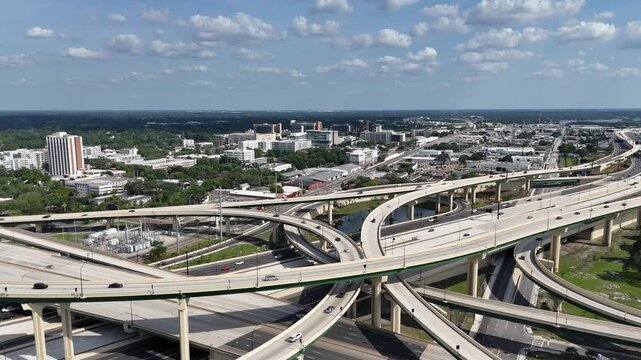
Extreme weather events are exposing serious weaknesses in traditional road systems. Asphalt roads, designed for relatively stable environmental conditions, are now facing unprecedented stress from heatwaves, flooding, and rapid temperature fluctuations.
In many regions, intense rainfall is overwhelming drainage systems, leading to road collapse, erosion, and infrastructure failure. At the same time, prolonged heatwaves are softening asphalt surfaces, causing deformation, rutting, and surface instability.
In hotter climates, asphalt temperatures can rise significantly above air temperature, intensifying damage to road surfaces. This leads to faster deterioration, increased maintenance costs, and reduced road safety.
In urban environments, the situation is even more complex. Large asphalt-covered areas contribute to the urban heat island effect, where cities become significantly hotter than surrounding rural regions. This increases energy consumption, raises cooling costs, and worsens air quality.
These combined impacts highlight the urgent need for climate-resilient road infrastructure design that can withstand extreme environmental conditions.

Innovative Climate-Resilient Asphalt Technologies
To address rising climate risks, engineers and city planners are adopting new asphalt technologies designed for resilience and performance.
Cool Pavement Technology for Heat Reduction
One of the most widely adopted solutions is cool pavement technology, which uses reflective coatings to reduce heat absorption. These lighter-colored surfaces reflect more sunlight, helping to lower road temperatures and reduce thermal stress on asphalt layers.
Cities implementing this approach have reported noticeable reductions in surface temperatures, improved road durability, and enhanced urban comfort levels. This technology also helps reduce strain on surrounding infrastructure by lowering ambient heat levels.
Permeable Asphalt for Flood Management
Another major innovation is permeable asphalt, a specially engineered material that allows water to pass through the surface into underground layers. This reduces surface runoff during heavy rainfall and helps prevent flooding.
Permeable asphalt acts as a natural drainage system, improving stormwater management, reducing hydroplaning risks, and supporting groundwater recharge. It is increasingly being used in urban planning as part of green infrastructure strategies.

Carbon Emissions and Environmental Impact of Asphalt
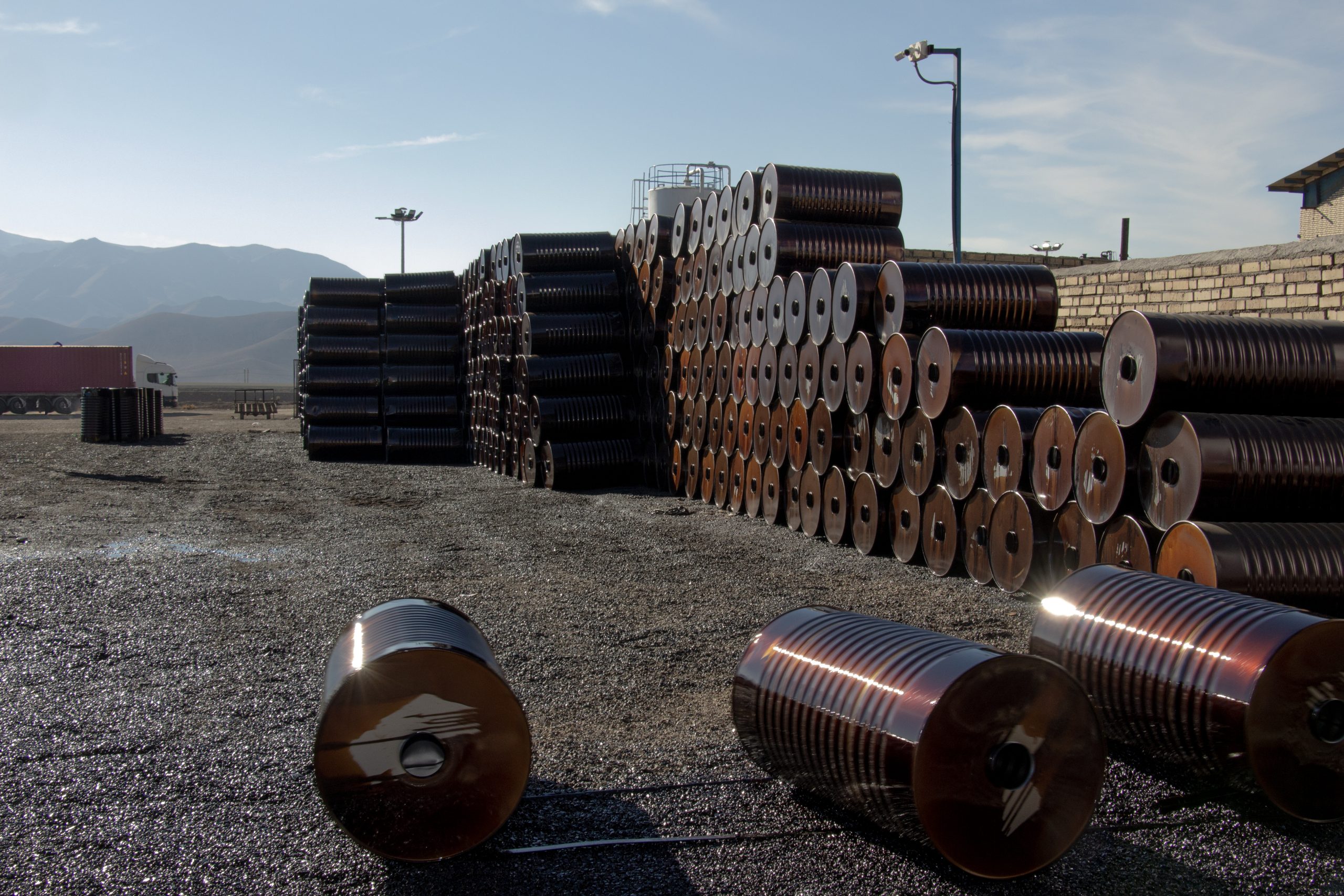
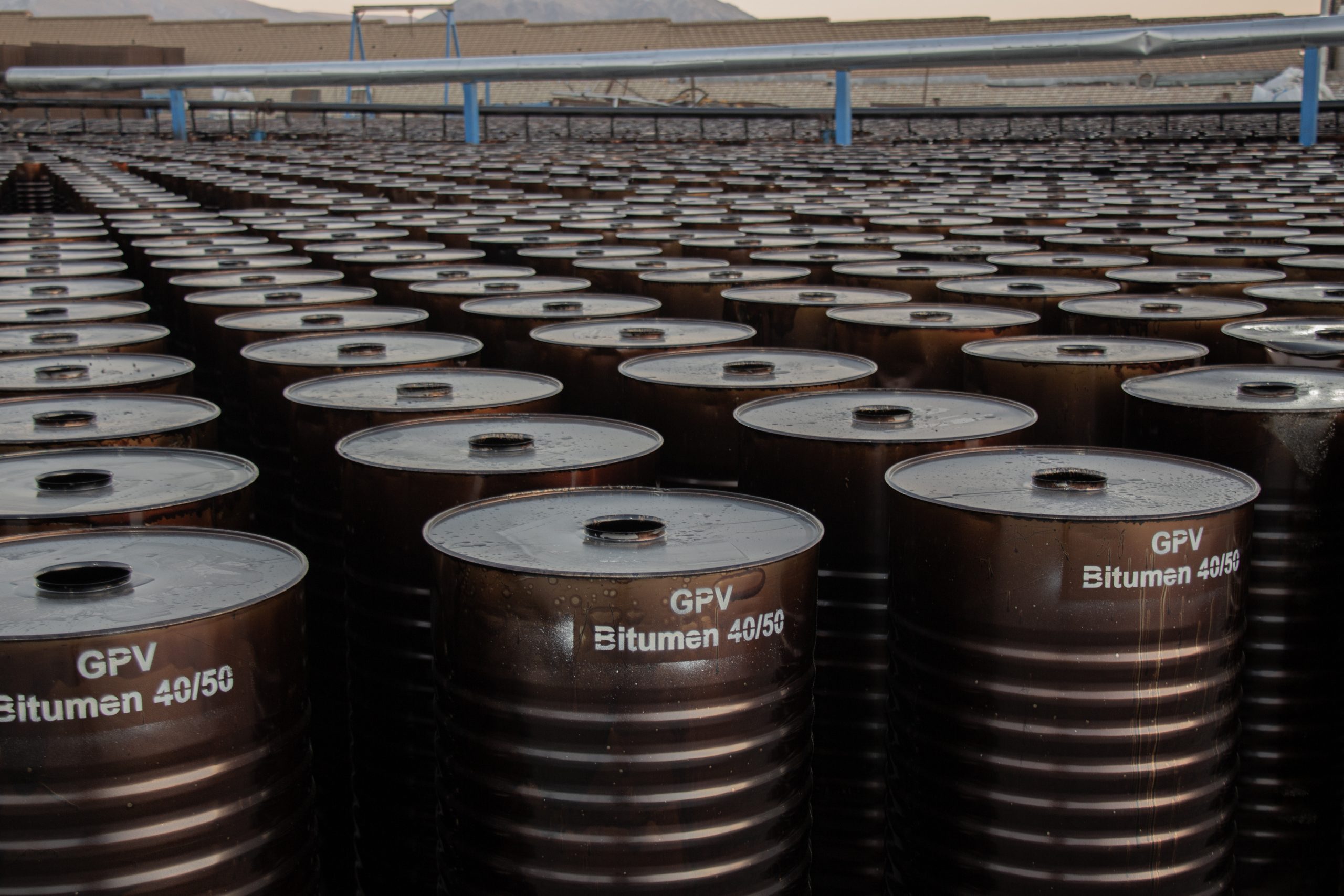
While asphalt is essential for infrastructure, it also contributes to environmental challenges due to its carbon-intensive production process. The material is primarily derived from petroleum-based bitumen, making it closely linked to fossil fuel consumption.
The production process involves heating aggregates and bitumen at high temperatures, which requires significant energy input and results in greenhouse gas emissions. In addition, transportation and installation further increase the carbon footprint of road construction.
Asphalt surfaces also absorb heat, contributing to rising urban temperatures and increasing energy demand for cooling buildings. This reinforces the importance of developing low-carbon asphalt technologies.
Despite these challenges, asphalt is often considered more environmentally efficient than alternatives like concrete, particularly when lifecycle emissions are taken into account. However, the industry is now focused on reducing emissions further through innovation and circular economy practices.
Recycling and Circular Economy in Asphalt Production
One of the most effective strategies for reducing environmental impact is asphalt recycling. Unlike many construction materials, asphalt can be reused multiple times without losing structural performance when properly processed.
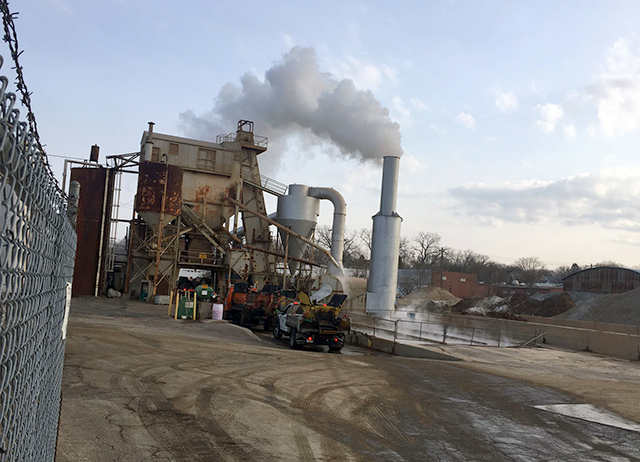
Old asphalt is milled, reheated, and reintegrated into new road mixtures as reclaimed asphalt material. This reduces the need for virgin raw materials and significantly lowers energy consumption.
In modern road construction, recycled asphalt content is steadily increasing. Many projects now incorporate a substantial percentage of reclaimed material, making asphalt one of the most recyclable construction materials in the world.
This approach supports the transition toward a circular economy in road infrastructure, where materials are continuously reused instead of discarded.
Low-Carbon Asphalt and Energy-Efficient Production
Another major innovation in sustainable road construction is warm-mix asphalt technology. This method allows asphalt to be produced and applied at lower temperatures compared to traditional hot-mix processes.
By reducing production temperatures, warm-mix asphalt significantly lowers fuel consumption and carbon emissions. It also improves working conditions and allows for faster project completion.
In addition to warm-mix technology, manufacturers are developing energy-efficient asphalt production systems that further reduce environmental impact across the supply chain.
These innovations are becoming essential components of low-carbon infrastructure development strategies worldwide.

Bio-Based Asphalt and Sustainable Materials Innovation
The industry is also exploring bio-based asphalt binders made from renewable resources such as plant oils, agricultural waste, and forestry by-products. These materials aim to replace or partially substitute petroleum-based bitumen.
Bio-asphalt technologies are still in development but show strong potential for reducing dependency on fossil fuels while maintaining road performance standards.
At the same time, alternative waste materials are being integrated into asphalt production. These include:
- Recycled plastic waste
- Crumb rubber from used tires
- Industrial by-products such as steel slag and fly ash
These materials improve durability, reduce landfill waste, and enhance sustainability performance.
This shift represents a growing trend toward resource-efficient road construction and waste-to-value infrastructure systems.

Smart Infrastructure and Future Road Technologies
Beyond materials, the future of asphalt is also shaped by smart infrastructure technologies. Researchers are developing self-healing asphalt, which can automatically repair cracks using embedded materials activated by heat or external energy sources.
Digital monitoring systems are also being introduced to track road performance in real time. These systems help predict maintenance needs, reduce repair costs, and extend pavement lifespan.
In the long term, roads may evolve into multifunctional infrastructure systems capable of generating energy, managing traffic data, and adapting to environmental conditions.
These innovations are part of a broader shift toward smart, connected, and sustainable transportation networks.
Government Policies Driving Sustainable Asphalt Adoption
Government policies play a crucial role in accelerating the transition toward sustainable asphalt solutions. Many countries are introducing regulations that promote low-carbon construction materials and environmentally friendly road design.
Public infrastructure funding is increasingly tied to sustainability criteria, encouraging the use of recycled materials, energy-efficient production methods, and emissions reporting systems.
In some regions, road construction projects must meet strict environmental performance standards, including requirements for reduced carbon emissions and higher recycled content.
International development programs are also supporting sustainable road construction in emerging economies, helping integrate climate resilience into infrastructure expansion.
These policies are creating strong market demand for green asphalt technologies and sustainable road construction practices.
Economic Benefits of Sustainable Asphalt Solutions
Sustainable asphalt is not only environmentally beneficial but also economically advantageous. Recycled materials reduce raw material costs, while longer-lasting roads lower maintenance expenses over time.
Energy-efficient production methods reduce operational costs for manufacturers, and improved road durability decreases disruption-related economic losses.
As carbon pricing and environmental regulations become more widespread, low-emission construction practices are expected to become even more cost-competitive.
This alignment between environmental responsibility and economic efficiency is accelerating the adoption of sustainable asphalt innovation in global infrastructure markets.
Conclusion: The Future of Sustainable Asphalt Infrastructure
The asphalt industry is undergoing a significant transformation driven by climate change, environmental policy, and technological innovation. Traditional road construction methods are being replaced with more sustainable, efficient, and resilient systems.
From recycled materials and bio-based binders to permeable surfaces and smart monitoring systems, the future of asphalt is increasingly aligned with sustainability goals.
As global infrastructure demand continues to rise, the need for low-carbon, climate-resilient, and recyclable road systems will only grow stronger. Asphalt is no longer just a passive construction material—it is becoming a key part of the solution to climate and infrastructure challenges.
The evolution of asphalt represents a major step toward a more sustainable built environment, where roads not only connect places but also contribute to environmental protection and climate adaptation.