Redefining Bitumen Export Routes in a Disrupted Gulf Environment
The prolonged disruption of maritime traffic through the Strait of Hormuz has forced a complete rethinking of export logistics across the Persian Gulf. What was once a highly efficient and predictable artery for global energy trade has become unreliable, pushing exporters to explore complex and costly alternatives. Tanker movements through the Strait have dropped sharply, transforming a vital corridor into a constrained passage and signaling a deeper structural shift in regional and global supply chains.
Beyond Oil Prices: A Supply Chain Crisis Unfolds
Although rising crude oil prices remain the most visible outcome of the disruption, the broader consequences are unfolding across industrial and infrastructure sectors. The interruption has extended into downstream markets, where access to petroleum-derived products has become increasingly uncertain. Bitumen export, a critical material used in road construction and maintenance, has been among the hardest hit.
Countries across Southeast Asia are now facing mounting pressure as supply shortages disrupt project timelines and inflate costs. In many cases, the issue is no longer simply higher prices but the inability to secure consistent shipments. Governments and contractors are being forced to reassess procurement strategies, often turning to distant suppliers that introduce additional logistical burdens.

Pipeline Diversions: Strategic but Limited Alternatives
To mitigate the impact of restricted maritime access, Gulf producers have intensified their reliance on inland pipeline infrastructure. Saudi Arabia, for instance, has increased throughput along its westbound pipeline network, redirecting crude oil toward Red Sea export terminals. This approach allows shipments to bypass the Strait of Hormuz entirely.
However, these pipeline routes offer only partial relief. While they help maintain a degree of export continuity, they do not possess the capacity to replace the massive volumes historically transported through the Strait. Moreover, cargoes departing from Red Sea ports must still navigate other sensitive maritime chokepoints, where security risks remain elevated. As a result, these alternatives shift the problem geographically rather than resolving it.
Expanding Informal Trade Channels
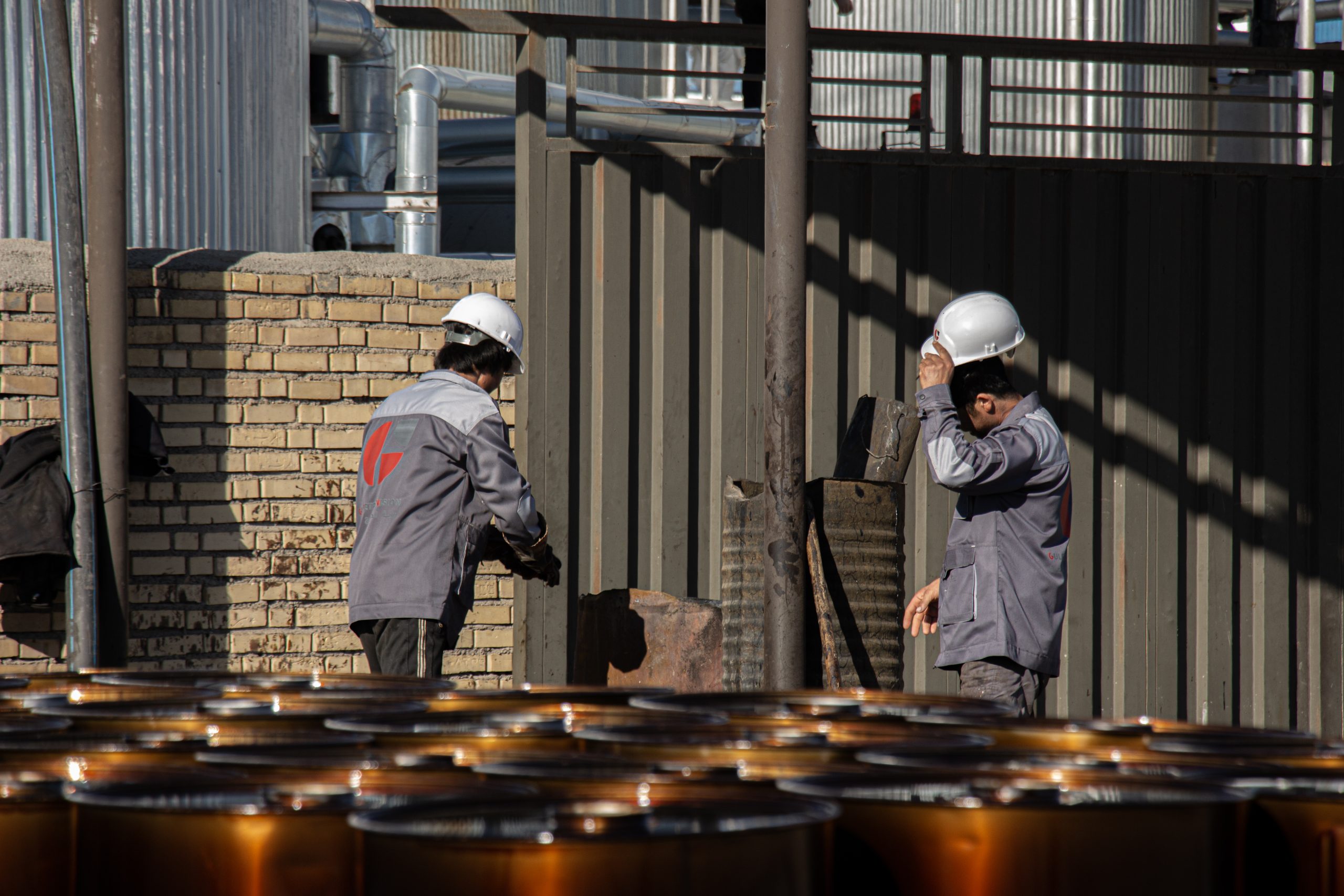
In parallel with formal export adjustments, a shadow network of trade has continued to operate under constrained conditions. Certain exporters have relied on unconventional methods to move cargo, including disabling vessel tracking systems and conducting ship-to-ship transfers in open waters. These tactics allow limited volumes to reach buyers but come with significant legal, financial, and operational risks.
This evolving dynamic has created a fragmented market structure. On one side, formal trade routes face restrictions, insurance challenges, and regulatory scrutiny. On the other, informal channels offer limited supply at discounted prices but with heightened uncertainty. Together, these parallel systems are reshaping pricing mechanisms and buyer behavior across the global market.
Multi-Stage Logistics Corridors Gain Importance
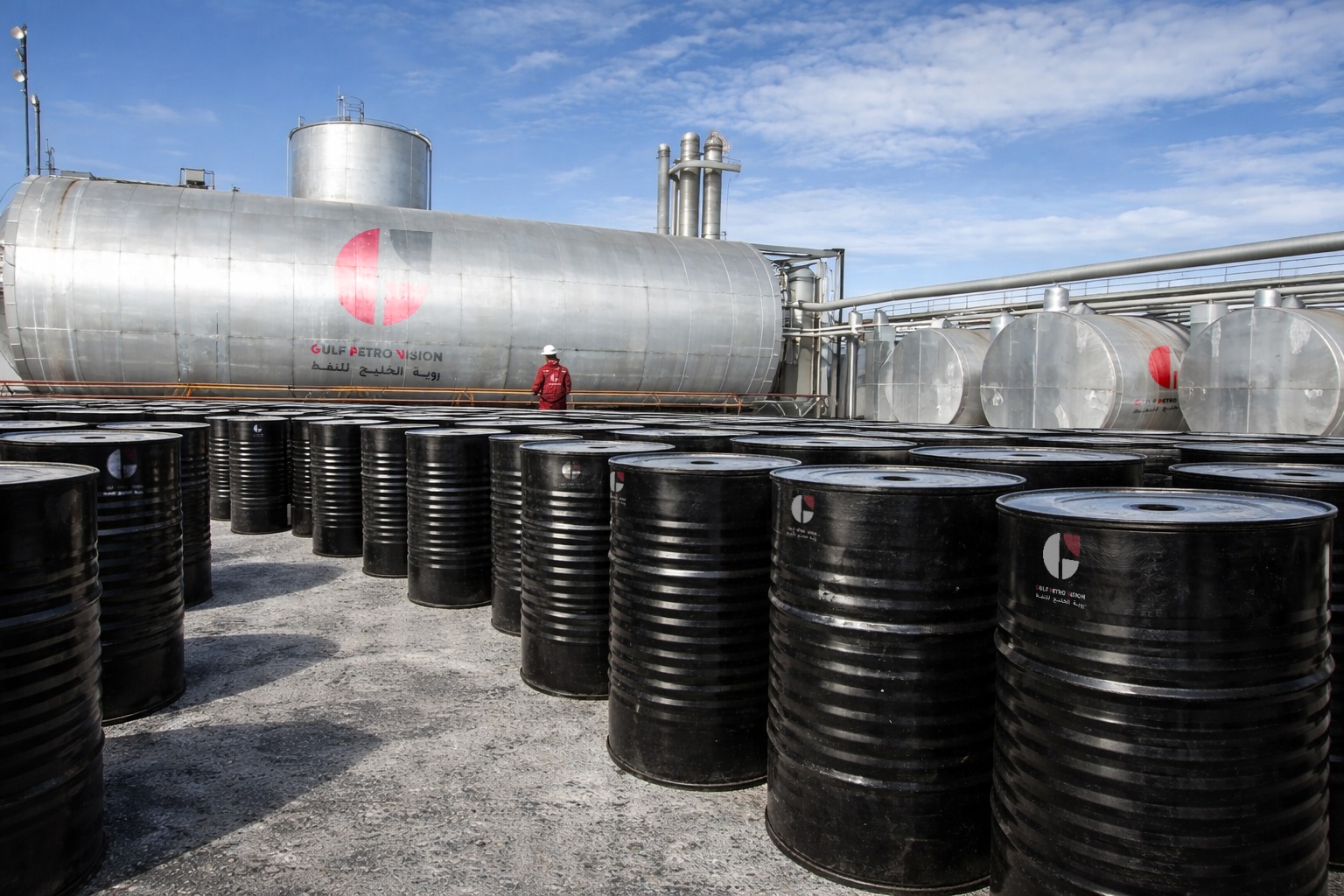
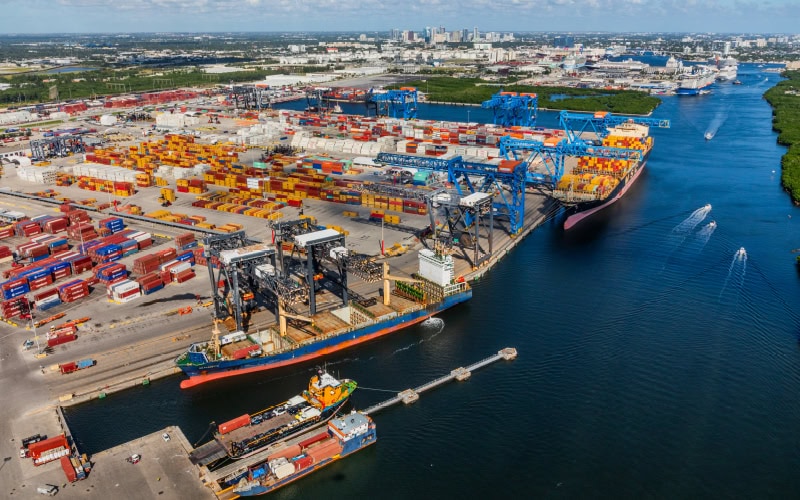
One of the most notable developments in response to the crisis is the emergence of multi-stage export routes that combine land and sea transport. In this model, cargo is first moved overland from production sites to regional logistics hubs such as Jebel Ali. From there, it is transferred across neighboring territories to connect with alternative export infrastructure, particularly on the Red Sea coast.
This approach enables exporters to bypass the Persian Gulf entirely, sending shipments toward international markets via longer maritime routes. However, the complexity of this system introduces new challenges. Each additional transfer point increases handling costs, coordination requirements, and the risk of delays. Transit times have expanded significantly, often stretching from weeks into months.
Despite these drawbacks, such corridors have become a necessary adaptation in an environment where traditional routes are no longer viable. They also reflect a growing willingness among regional players to cooperate operationally, even when broader geopolitical tensions persist.
Iraq’s Bitumen Export Limitations Highlight Systemic Constraints
The challenges faced by Iraq illustrate the structural limitations of current alternatives. With a heavy reliance on Gulf export routes prior to the disruption, the country has struggled to maintain output levels. Although northern pipelines connecting to Mediterranean ports have resumed operations, their capacity remains insufficient to offset lost volumes.
Attempts to supplement pipeline exports with trucking solutions have proven impractical at scale. The sheer volume of cargo that needs to be transported would require an enormous fleet operating continuously, often through areas with security concerns. This makes such solutions both economically inefficient and operationally risky.
Iraq’s situation underscores a broader reality: while alternative routes exist, they are not capable of sustaining the scale and efficiency required by modern energy markets.

Bitumen Export Market Under Severe Pressure
Among all petroleum products, bitumen export has been particularly vulnerable to the disruption. Its physical properties, including high density and temperature sensitivity, make it difficult and expensive to transport over long distances or through multiple handling stages. Additionally, its relatively low value compared to crude oil means that increased logistics costs have a disproportionate impact on overall pricing.
Suppliers are increasingly unable to meet contractual obligations, leading to frequent delays and force majeure declarations. Buyers, in turn, are seeking alternative sources from regions outside the Persian Gulf, including the Atlantic basin and parts of Northeast Asia. These options, however, come with significantly higher costs and longer delivery times.
The ripple effects are being felt across construction and infrastructure sectors worldwide. Delayed road projects, rising material costs, and strained budgets are becoming common challenges, particularly in rapidly developing economies.

A Structural Shift in Global Trade Dynamics
Looking ahead, it is becoming clear that the current disruption represents more than a temporary crisis. The limitations of existing alternatives, combined with the scale of demand, suggest that a full return to previous trade patterns is unlikely in the near term. Infrastructure projects designed to provide additional bitumen export flexibility remain incomplete and cannot yet deliver meaningful relief.
As a result, longer and more complex supply chains are becoming the new standard. Companies are being forced to hold larger inventories, allocate more capital to logistics, and build greater flexibility into their operations. Efficiency is no longer the sole priority; resilience has become equally important.
Conclusion: Adapting to a New Logistics Landscape
The disruption of the Strait of Hormuz has fundamentally altered the way energy products, including bitumen, move across global markets. In place of a single, efficient corridor, exporters must now navigate a patchwork of routes that combine pipelines, overland transport, and extended maritime journeys.
While these adaptations have allowed trade to continue at reduced levels, they come at a significant cost in terms of time, money, and operational complexity. For industries dependent on reliable supply chains, particularly construction and infrastructure, the impact is profound and far-reaching.
In this evolving environment, adaptability and strategic planning are critical. The shift toward multi-stage logistics is not simply a temporary workaround but a reflection of a deeper transformation in global trade. As the situation continues to develop, stakeholders across the energy and construction sectors must prepare for a future defined by uncertainty, higher costs, and the need for innovative solutions.
Gulf Petro Vision is specifically focused on bitumen supply and export solutions, providing reliable support for alternative route inquiries when conventional shipping channels are disrupted. Through its regional logistics network and operational capabilities, the company helps ensure continuous bitumen availability by identifying flexible, efficient, and secure export pathways under changing market and geopolitical conditions.