Bitumen Trade Under Volatility: Why FOB vs CFR Decisions Are More Critical Than Ever
Global Oil Market Turbulence Is Reshaping Bitumen Trading Dynamics
Volatility in global oil markets is no longer limited to crude benchmarks. Its impact is now clearly visible across downstream sectors, particularly in the bitumen industry. In regions such as the Middle East and South Asia—where infrastructure development drives demand—market uncertainty is forcing traders and buyers to rethink how they structure contracts.

How Bitumen Pricing Differs from Other Petroleum Products
Unlike gasoline, diesel, or jet fuel, bitumen does not trade on transparent, real-time pricing systems. Instead, it relies on negotiated contracts with fixed delivery schedules.
Delayed Price Reaction to Crude Oil
Bitumen prices typically lag behind crude oil movements, creating forecasting challenges.
Contract-Based Trading Structure
Deals are often tied to delivery windows, payment terms, and negotiated pricing rather than spot benchmarks.

FOB vs CFR Explained: Key Differences in Cost and Risk Allocation
At the center of today’s market dynamics is the distinction between FOB and CFR contracts.
FOB (Free on Board): Buyer Takes Control
Under FOB terms, the seller’s responsibility ends at the loading port, shifting freight and risk to the buyer.
CFR (Cost and Freight): Seller Manages Logistics
CFR contracts include freight in the price, giving buyers better visibility over total landed cost.
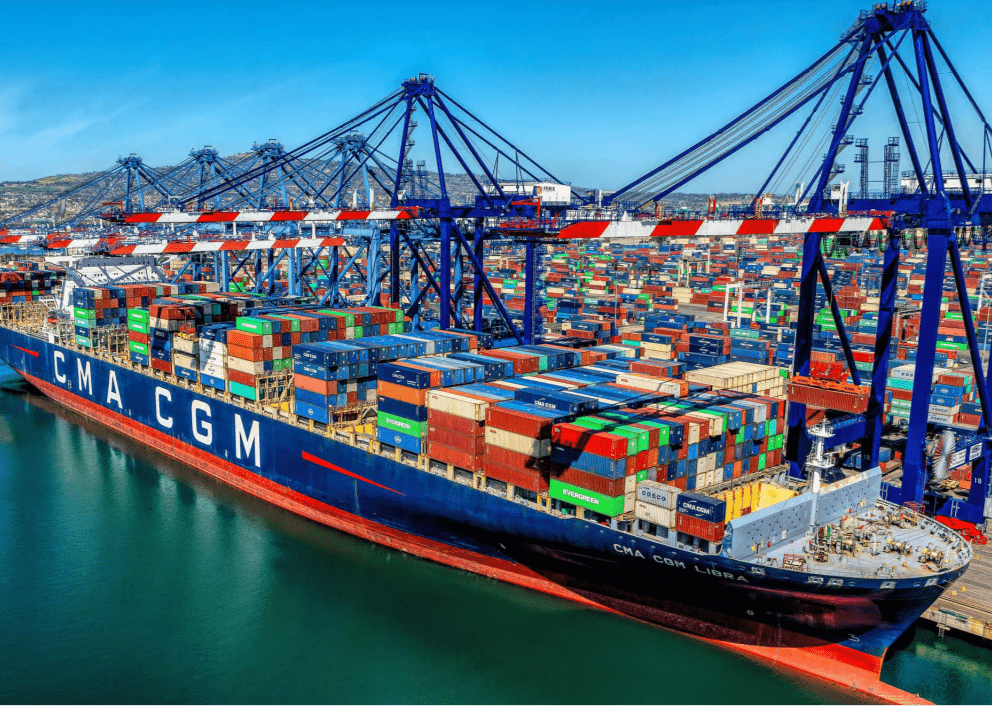
Rising Freight Costs Are Driving a Shift Toward CFR Contracts
Freight market instability is a major factor influencing contract preference.
Impact of Bunker Fuel Prices and Vessel Shortages
Shipping costs have become unpredictable due to fuel price increases and limited vessel availability.
Why Buyers Prefer Cost Certainty
CFR contracts allow buyers to lock in delivery costs, reducing exposure to freight volatility.
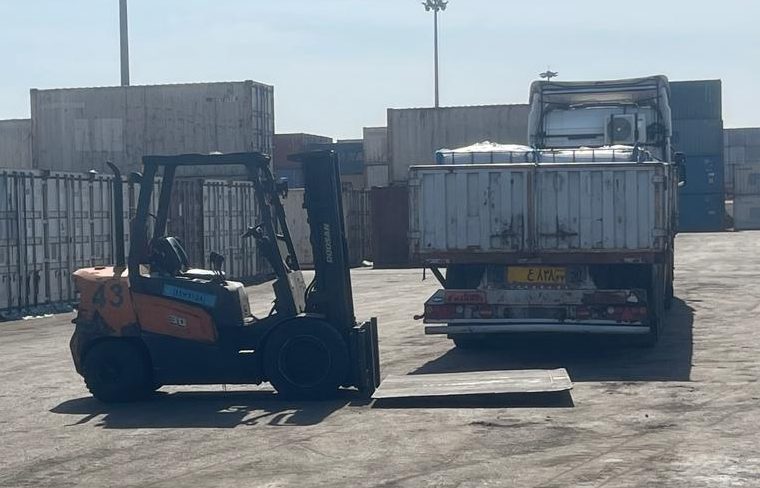
Middle East Export Hubs Facing Supply Chain Pressure
The Middle East remains a key supplier of bitumen to global markets.
Strategic Ports: Sohar, Fujairah, and Jebel Ali
These ports serve as major export hubs connecting to Asia and Africa.
Logistics Challenges and Freight Variability
Recent disruptions have caused delays, increased costs, and reduced reliability in shipping schedules.
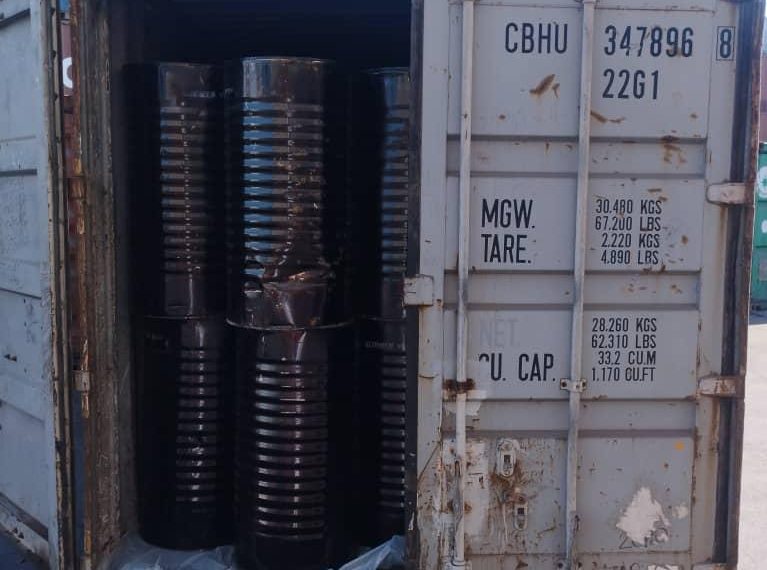
India’s Bitumen Import Strategy Is Rapidly Evolving
India’s procurement behavior highlights changing market trends.
FOB Risks: Rising Freight After Contract Signing
Importers have faced unexpected cost increases due to delayed vessel booking.
Shift Toward CFR for Budget Stability
Buyers are prioritizing predictable landed costs over lower initial prices.

Payment Terms and Prepayment Risks in Bitumen Trade
Financial exposure is a key concern in contract selection.
Advance Payments and Credit Limitations
Many transactions require upfront payments, especially with new suppliers.
Risk Management Through Secure Payment Methods
Tools like letters of credit and bank guarantees are increasingly used.
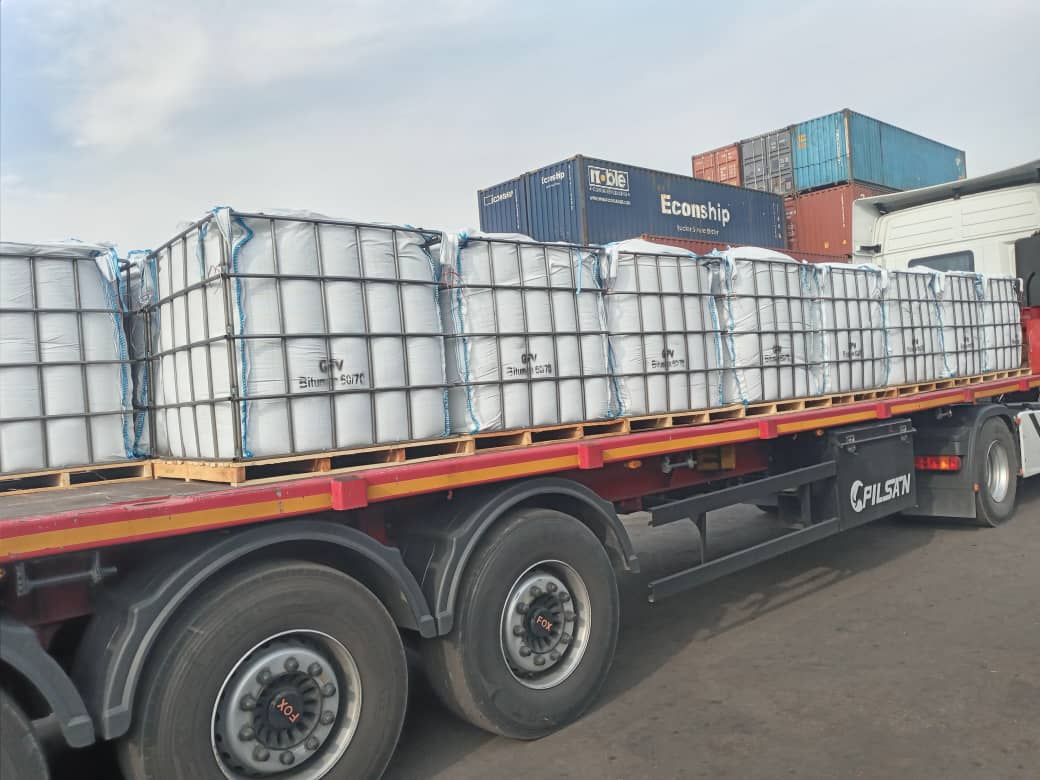
Delivery Delays and Their Impact on Project Execution
Supply chain disruptions are affecting delivery timelines.
Causes of Delays: Ports, Vessels, and Geopolitics
Congestion, shortages, and regional tensions are key factors.
Operational and Financial Consequences
Delays can lead to penalties, idle resources, and disrupted cash flow.
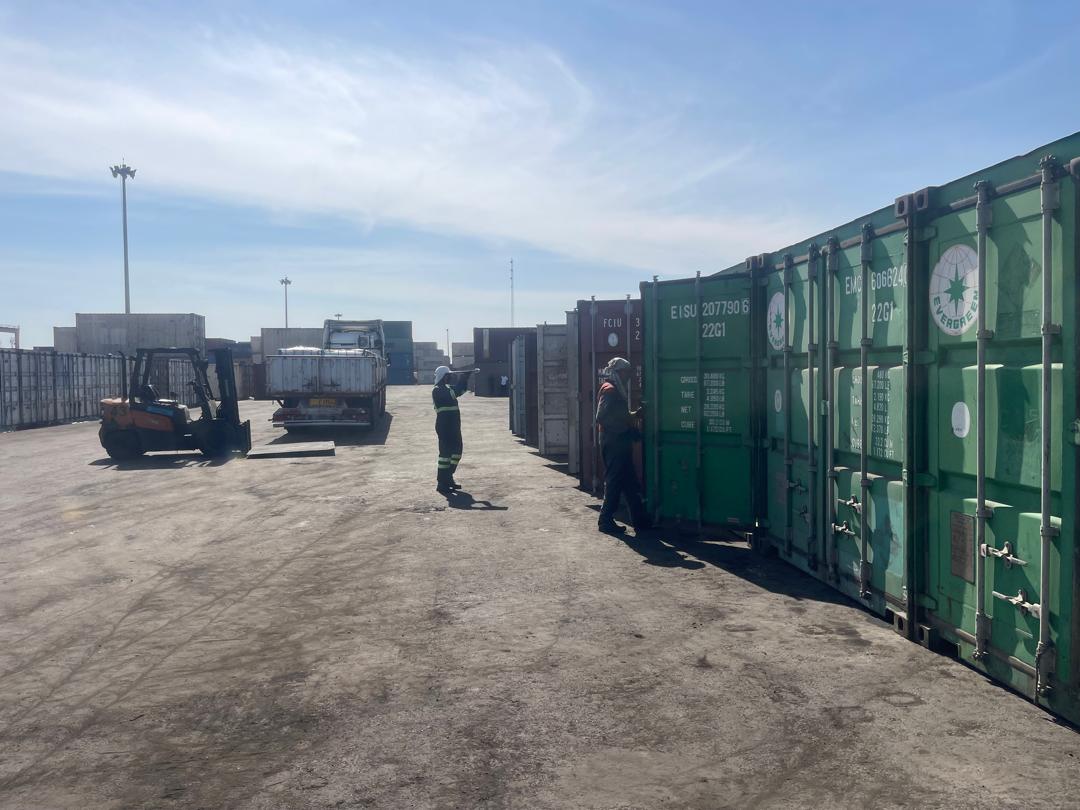
Price Volatility During Transit: A Hidden Risk Factor FOB vs CFR
Market fluctuations during shipping can alter deal outcomes.
FOB Exposure to Freight and Timing Risk
Buyers face uncertainty in both shipping cost and arrival timing.
CFR Stability vs Market Opportunity Loss
While freight is fixed, buyers may still lose if market prices decline.
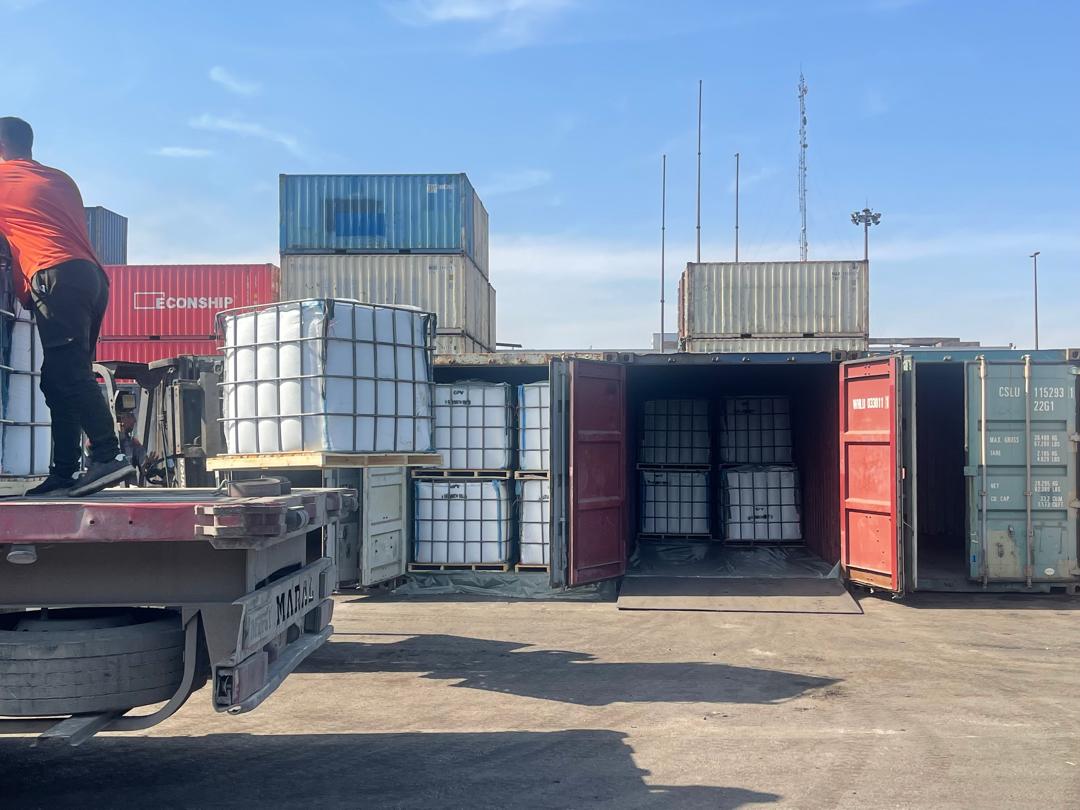
Insurance Responsibilities in FOB vs CFR Contracts
Insurance coverage varies depending on contract type.
Buyer Responsibility Under FOB
Buyers must arrange full marine insurance from the loading port.
Insurance Considerations in CFR Agreements
Coverage terms must be clearly defined to avoid gaps.
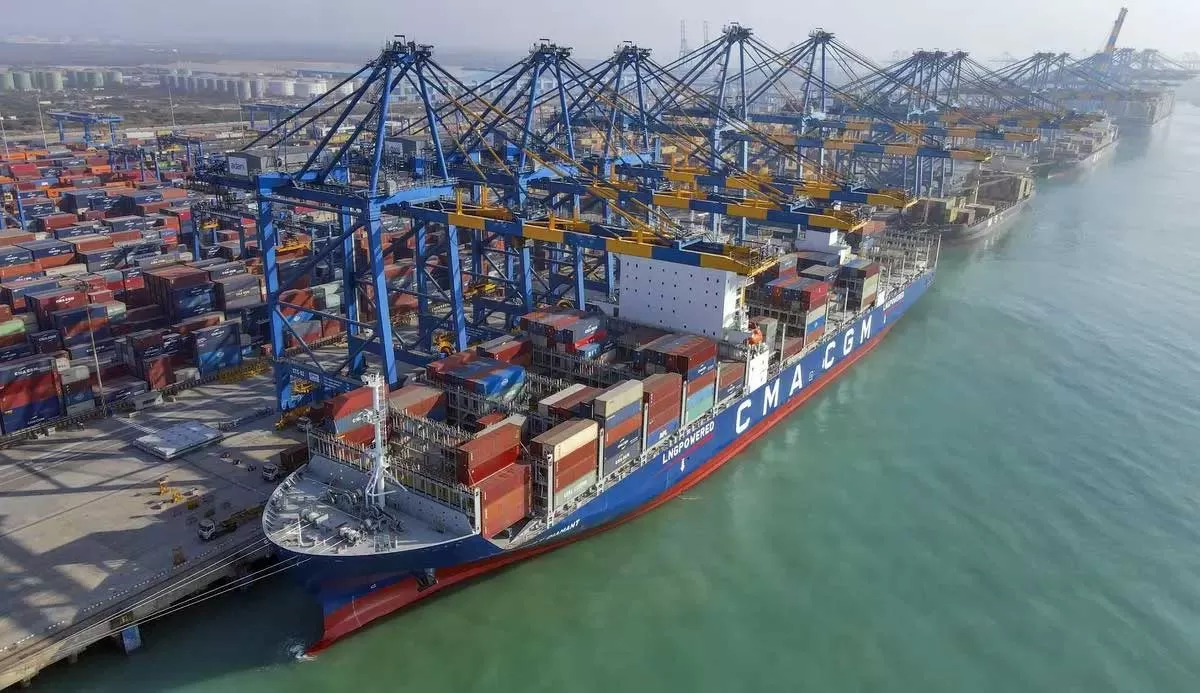
Currency Risk and Its Impact on Bitumen Pricing
Exchange rate fluctuations add another layer of uncertainty.
USD-Based Trading Challenges
Most contracts are priced in US dollars, impacting non-USD buyers.
Hedging Strategies and Cost Implications
Some companies use financial tools to reduce currency exposure.

Strategic Contract Selection in a Volatile Market
Choosing the right contract structure has become a competitive advantage.
FOB in Stable Markets
Preferred for flexibility and lower base pricing.
CFR in Uncertain Conditions
Favored for cost predictability and reduced logistical risk.
Hybrid Procurement Strategies
Many traders now use a mix of both (FOB vs CFR) to balance risk and efficiency.
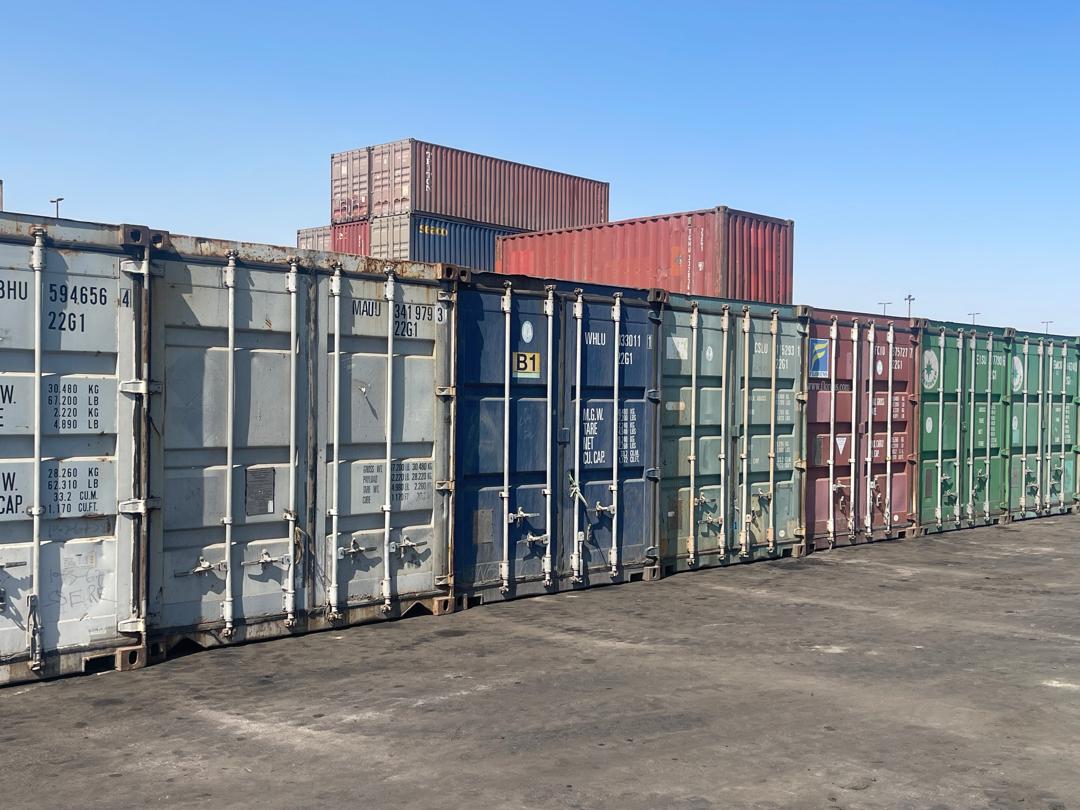
The Future of Bitumen Trading: Flexibility and Risk Management
Market participants are adapting to new realities.
Importance of Contract Clarity
Detailed clauses on demurrage, delivery, and force majeure are essential.
Increasing Role of Strategic Procurement
Long-term planning is becoming critical in volatile markets.
Conclusion: FOB vs CFR Is Now a Strategic Decision, Not Just a Contract Term
In today’s environment, the choice between FOB and CFR is no longer simple. It directly impacts profitability, risk exposure, and operational stability.
Companies that understand market conditions and adapt their contract strategies accordingly will be better positioned to navigate uncertainty and maintain a competitive edge.

Gulf Petro Vision: Supporting Clients in a Volatile Market
In the current environment of market uncertainty and logistical challenges, Gulf Petro Vision remains committed to supporting its clients with reliable and flexible solutions. By closely monitoring oil price movements, freight trends, and regional developments, the company strives to offer the most suitable contract structures—whether FOB or CFR—based on each client’s specific requirements. With a strong focus on transparency, risk management, and timely execution, Gulf Petro Vision aims to ensure consistent supply and provide the most efficient and cost-effective options, even in highly volatile market conditions.