Iraqi Bitumen Specifications: Grades, Tests and Buyer’s Guide
Iraqi bitumen is an essential component of infrastructure projects in Iraq and neighboring countries. Produced primarily from Basrah and Kirkuk crude residues, Iraqi bitumen is exported in a variety of grades including penetration (40/50, 60/70, 80/100), viscosity (VG), and performance-graded (PG) binders. Understanding its specifications, testing methods, and performance characteristics is critical for buyers, engineers, and contractors aiming for reliable pavement performance in diverse climates.
This comprehensive guide covers Iraqi bitumen grades, laboratory testing standards, climate considerations, packaging, and practical advice for sourcing high-quality binders from Iraq.

What Makes Iraqi Bitumen Unique?
Iraq refines a mix of medium-to-heavy sour crudes from Basrah and lighter crudes from Kirkuk. This blend creates vacuum residues with high asphaltene content, making them particularly suitable for hot-climate pavements after controlled air-blowing.
The Central Organization for Standardization and Quality Control (COSQC) oversees national standards, while public infrastructure projects follow the Roads & Bridges (SCRB R9) specifications. These specifications reference international standards such as ASTM D946 for penetration grades and AASHTO M320 for performance-graded binders.
Key Export Crude Slates
-
Basrah Heavy
-
Basrah Medium (introduced in 2021 for quality stability)
-
Basrah Light
-
Kirkuk
The Basrah Medium grade was introduced to standardize the consistency of export bitumen and ensure predictable performance in extreme climates.

Iraqi Bitumen Grades
Iraqi producers supply three main categories of bitumen, each suited to specific pavement conditions and traffic loads.
Penetration Grades
Penetration grades are classified by the ASTM D946 standard, and typical grades include:
-
40/50 – Harder binders for very hot, high-traffic pavements
-
60/70 – Most commonly used in urban and regional roads
-
80/100 – Softer binders for colder regions and low-traffic areas
Penetration grades are measured at 25°C, providing a standardized assessment of the binder’s hardness or softness.

Viscosity Grades (VG)
Viscosity grades such as VG-10, VG-30, and VG-40 are legacy specifications used by certain refineries. They are less commonly applied in modern Iraqi projects but remain relevant for legacy infrastructure and specific construction methods.
Performance-Graded (PG) Binders
Performance-graded binders predict pavement performance under real-world climate and traffic conditions. Common Iraqi PG binders include:
-
PG 64-16 – Standard traffic conditions
-
PG 70-22 – Heavy urban traffic and southern highways
-
PG 76-10/-22 – Extreme high-temperature corridors with heavy trucks
PG binders are tested according to AASHTO M320, often combined with MSCR tests for polymer-modified grades to improve rutting resistance.

When to Use Each Grade
Urban Arterials (Baghdad, Najaf)
-
Standard traffic: Pen 60/70 or PG 64-16
-
Heavy bus routes: PG 70-22
Expressways in Southern Iraq (Basrah, Maysan)
-
Summer pavement temperatures often exceed 70°C
-
Recommended: PG 70-22 or PG 76-10 for rutting resistance
Mountain Corridors (Erbil, Sulaymaniyah)
-
Temperatures drop significantly at night
-
Recommended: Pen 80/100 or PG 64-16 for low-temperature flexibility

Is PG Always Better Than Penetration Grades?
PG binders provide more predictive performance across varying climates and traffic loads. However, cost considerations may favor penetration grades in routine projects. A well-controlled 60/70 grade still performs adequately in moderate climates with standard traffic.
Iraqi Bitumen Testing Methods
Acceptance testing is crucial. Certificates of Analysis (CoA) should include all relevant test results. Standard tests include:
-
Penetration at 25°C – ASTM D5
-
Softening point (Ring-and-Ball) – ASTM D36
-
Ductility at 25°C – ASTM D113
-
Flash point (Cleveland Open Cup) – ASTM D92
-
Solubility in trichloroethylene – ASTM D2042 (≥99%)
-
Aging – TFOT / RTFO per ASTM D6 / D1754
For PG binders, additional tests include:
-
Dynamic Shear Rheometer (DSR) – high-temperature rutting
-
Bending Beam Rheometer (BBR) – low-temperature cracking
-
Multiple Stress Creep Recovery (MSCR) – polymer-modified binder performance

Typical Iraqi Bitumen Properties
| Property | 40/50 | 60/70 | 80/100 |
|---|---|---|---|
| Penetration (0.1 mm, ASTM D5) | 40–50 | 60–70 | 80–100 |
| Softening point (°C, ASTM D36) | 48–56 | 46–54 | 42–52 |
| Ductility (cm, ASTM D113) | ≥100 | ≥100 | ≥100 |
| Flash point (°C, ASTM D92) | ≥230 | ≥230 | ≥230 |
| Solubility (%) | ≥99 | ≥99 | ≥99 |
| Loss on heating (%) | ≤1.0 | ≤1.0 | ≤1.0 |
Ranges reflect common industry limits aligned with ASTM D946 and SCRB R9 acceptance tables.
Selecting the Right Bitumen
Bitumen selection depends on climate, traffic, and pavement design:
-
Southern Iraq: Extreme pavement temperatures; higher penetration or PG 70/76 recommended
-
Central Iraq: Hot with diurnal swings; PG 64/16 or 60/70 often sufficient
-
Northern Iraq: Cold nights; softer grades like 80/100 maintain flexibility
Example
-
Basra Ring Road: Heavy truck flow
-
Recommended binder: PG 76-10 or PG 70-10 with MSCR Jnr ≤ 2.0 kPa⁻¹
- Note: It is important to note that PG numbers indicate pavement temperature windows, rather than mixing or compaction temperatures.
Packaging, Logistics, and Documentation
Forms
-
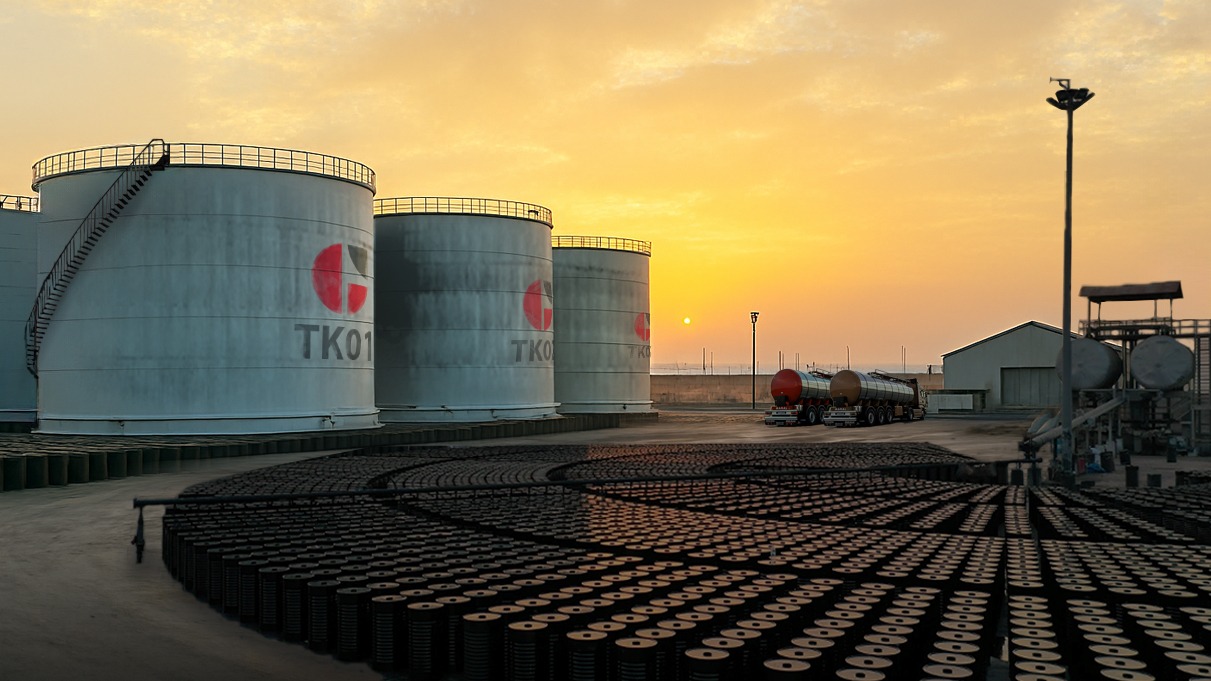
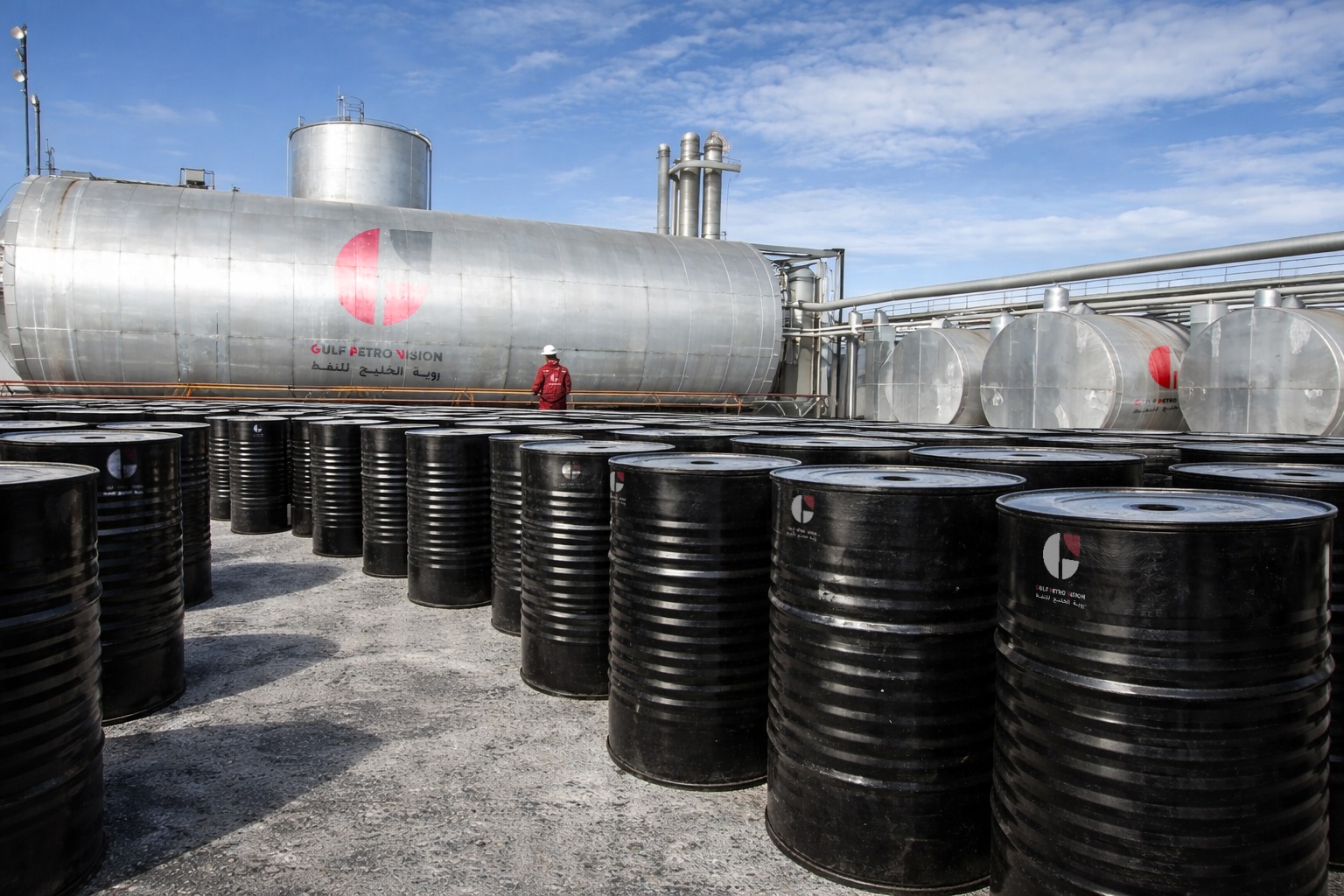
Steel drums – ~180 kg
-
Jumbo bags – Oxidized grades
Load Temperatures
-
Typically 150–170°C for paving grades
-
Record temperatures at manifold and truck
Required Documents
-
Certificate of Analysis (CoA)
-
Batch numbers
-
Sealed sample documentation
-
HS Code: 2713.20
Acceptance and Sampling Protocol
-
Choose specification: SCRB R9, ASTM D946, or AASHTO M320
-
Select grade: Pen 40/50, 60/70, 80/100, or PG
-
Declare numeric limits: penetration, softening point, ductility, flash, solubility, aging
-
Witness sampling by an independent inspector
-
Verify packaging and load temperatures
-
Retain sealed samples for potential disputes
-
Re-test penetration, softening, and ductility on arrival
Handling Deviations
-
Penetration drift >5 dmm: hold for retest
-
Check drum handling and transit heating logs

Frequently Asked Questions (FAQ)
1. What is the most common paving grade in Iraq?
-
60/70 penetration grade balances rutting resistance and flexibility.
2. When should 40/50 be used?
-
Very hot pavements or heavy slow traffic; higher stiffness reduces rutting.
3. Does higher softening point guarantee better performance?
-
No, it must be paired with ductility and aging results.
4. Are PG binders polymer-modified by default?
-
Not always; polymer modification is used for high-end grades.
5. What is the minimum flash point?
-
≥230°C (Cleveland Open Cup)
6. Why is solubility important?
-
≥99% ensures high purity and minimal contamination.
7. Can different penetration grades be blended?
-
Possible but must be retested due to non-linear effects.
8. Does drum transport affect binder quality?
-
Quality is maintained if drums are new, sealed, and reheated properly.
9. Are Iraqi specifications aligned with international standards?
-
Yes; public projects use SCRB R9, exports follow ASTM D946 or AASHTO M320.

Conclusion
Iraqi bitumen remains a reliable choice for infrastructure projects due to its robust asphaltene content, wide grade selection, and compliance with ASTM and AASHTO standards. Understanding grades, testing methods, and climate-appropriate selection is essential for buyers to ensure long-term pavement performance.
By following SCRB R9 and COSQC protocols, employing independent sampling, and monitoring load and arrival conditions, contractors can confidently source high-quality Iraqi bitumen for both domestic and export projects.