Chinese teapot refiners trim runs as Hormuz bottleneck slashes margins
The closure of the Strait of Hormuz has forced Chinese teapot refiners to curb production, chasing thin margins and a wobbling domestic market.
Operating rates in Shandong fell to roughly 50% this month, down from a modest 55% in April, according to unnamed industry insiders.
Why margins are evaporating
Crude prices have surged while tanker traffic stalls, leaving independent plants with costly feedstock and limited sales outlets.
Analysts estimate losses of $74‑$88 per ton for facilities that keep running at current levels.
Government pressure and quota risks
Beijing earlier instructed private refineries to maintain gasoline and diesel supplies, even if it meant operating at a loss.
Officials warned that any cut in run rates could trigger a reduction in future crude import quotas allocated on a quarterly basis.
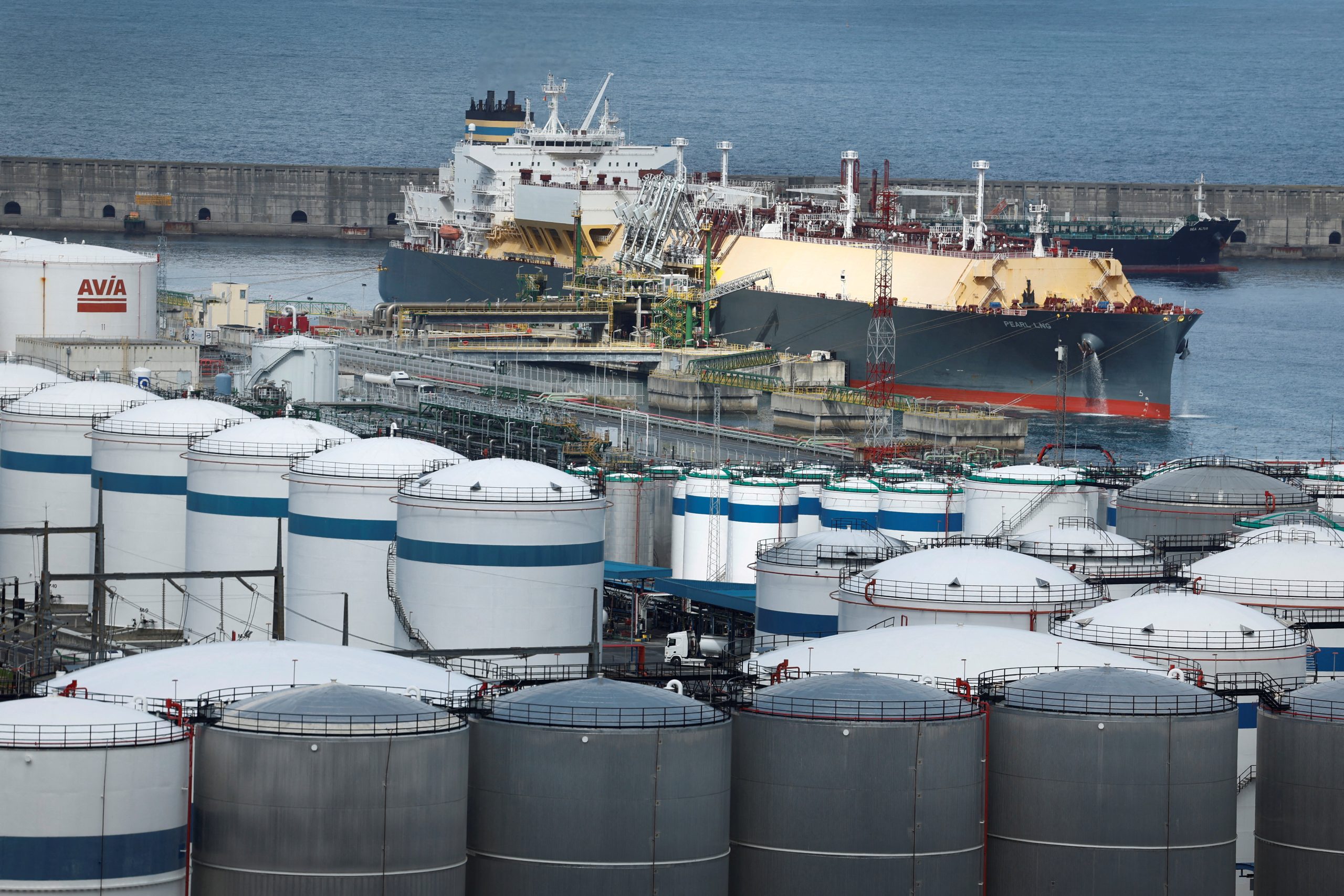
Balancing act with strategic reserves
China’s billion‑barrel stockpile bought during the pandemic offers a temporary buffer, but the reserve is far from infinite.
Refiners must now decide whether to preserve market supply or protect their bottom lines as the Hormuz impasse drags on.
Regional ripple effects
Asia, which consumes about 65% of its crude from the Middle East, may see up to 6 million barrels per day of capacity trimmed across the continent.
Neighbors with smaller stockpiles face sharper price spikes and tighter supply constraints.
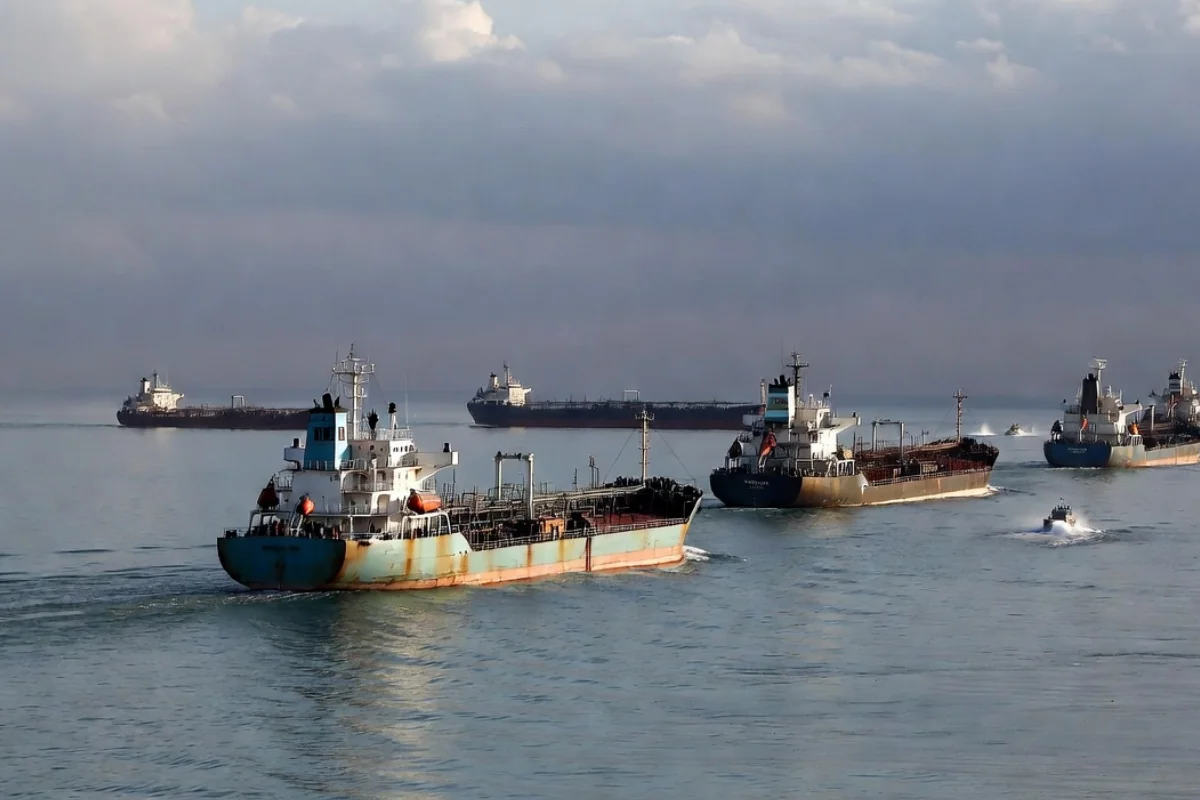
Industry perspective
“Running the plants any longer would be unsustainable,” one source told Reuters, highlighting the severe strain on profitability.
For those seeking deeper analysis, Gulf Petro Vision provides tailored consultancy on navigating these volatile market conditions.
Looking ahead
If the strait remains blocked, Chinese teapot refiners are likely to continue trimming output, hoping the market stabilizes before quotas are permanently altered.