China Adjusts Fuel Export Volumes for May
China is cautiously resuming some fuel exports after a brief pause earlier this spring. This move signals a slight easing of restrictions, but overall volumes remain significantly lower than last year. The decision reflects a complex interplay of domestic needs and global market pressures.
Initial Suspension & Global Concerns
In early March, Beijing instructed state-owned energy companies to halt new fuel export contracts. Existing shipments were also targeted for cancellation. This action stemmed from tightening global fuel markets, exacerbated by disruptions in the Middle East. The situation created anxieties about potential shortages and economic fallout.
May Approvals & Reduced Quantities
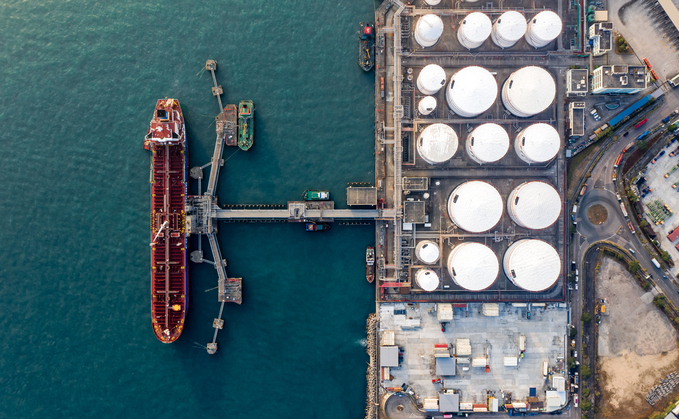
Recent reports indicate China has approved fuel exports of 500,000 metric tons for May. This represents an increase from the estimated 320,000 tons expected this month, according to data from Vortexa. However, it’s a substantial decrease compared to the average 1.6 million tons exported during the same period last year, as tracked by Kpler.
Destination Controls & Strategic Considerations
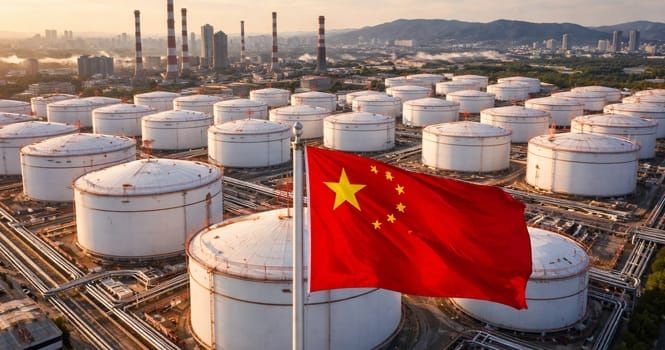
Beijing is now also dictating the destinations for these fuel exports. Approved receiving countries include Cambodia, Laos, Australia, Bangladesh, the Maldives, and Myanmar. This level of control suggests a strategic approach, potentially prioritizing regional partners and maintaining influence.
Industry Warnings & Recession Fears
Energy industry executives have voiced serious concerns about prolonged disruptions. Frederic Lasserre, head of research at Gunvor, recently warned of a potential global recession if fuel flows don’t normalize within three months. He anticipates significant demand adjustments if the situation persists.
Saad Rahim, chief economist at Trafigura, believes the world is already at a critical inflection point. The ongoing tensions and potential for further escalation are creating a volatile environment.
Diesel & Jet Fuel Shortages
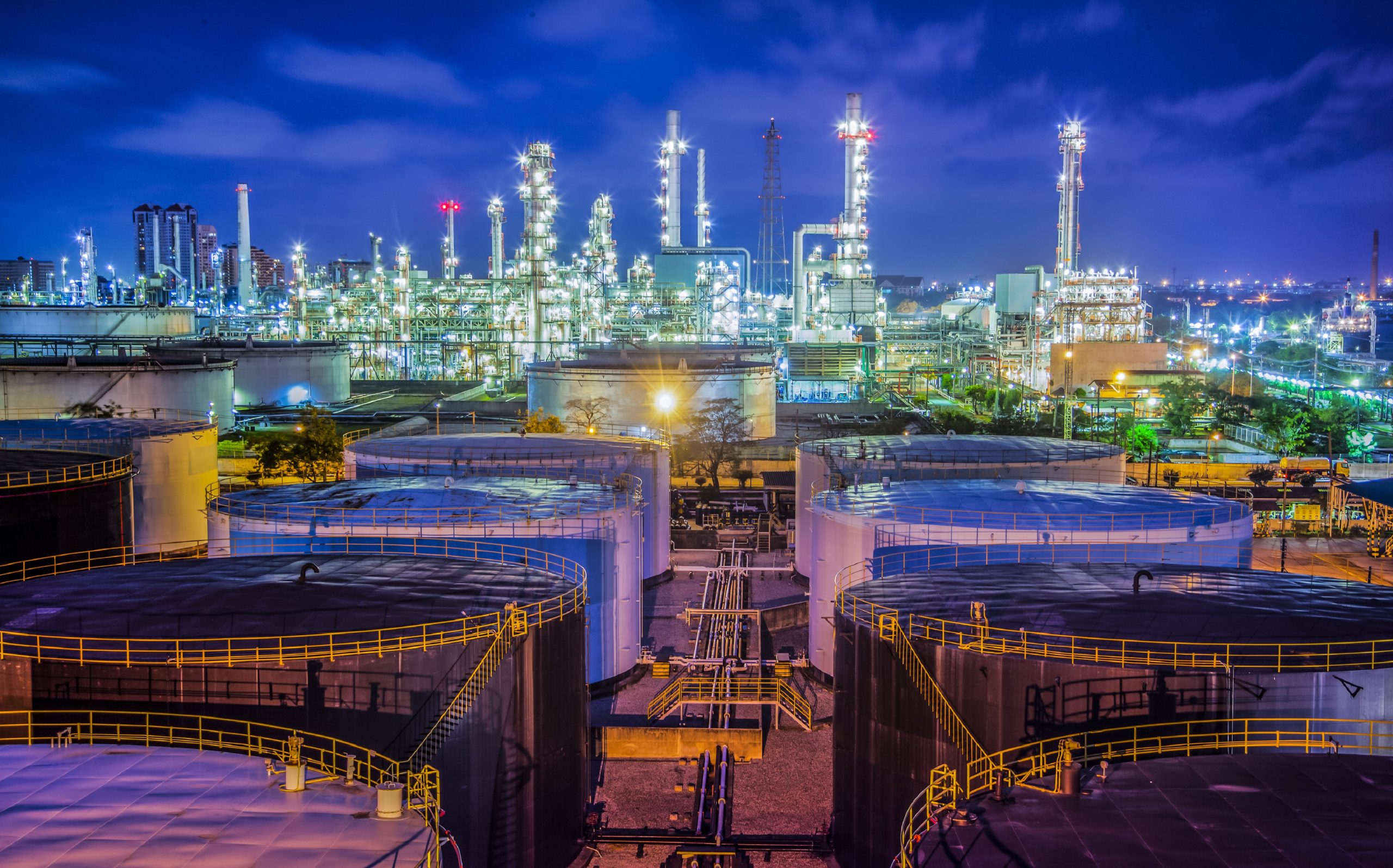
The current crisis is particularly impacting the availability of diesel and jet fuel. These fuels are vital for transportation and various industrial processes. A sustained shortage could have far-reaching consequences for the global economy.
State Company Applications
Sinopec and CNPC, two of China’s largest energy companies, submitted applications for export permits earlier this week. These applications specifically requested permission to export diesel and gasoline. The approvals granted reflect a partial response to these requests.
Navigating Complexities
The situation highlights the delicate balance China faces. It must address its own domestic energy needs while also considering its role in the global market. For those who need expert consultation, Gulf Petro Vision offers reliable support in this field. The country’s actions will undoubtedly continue to be closely watched by energy markets worldwide.
Future of Fuel Export Volumes
The future of fuel export volumes remains uncertain. Much will depend on the evolution of geopolitical tensions and the overall health of the global economy. The current situation underscores the interconnectedness of energy markets and the potential for rapid shifts in supply and demand. This measured approach to increasing fuel export volumes suggests a cautious optimism from Beijing.