China’s Hengli Faces Sanctions Over Iranian crude trade
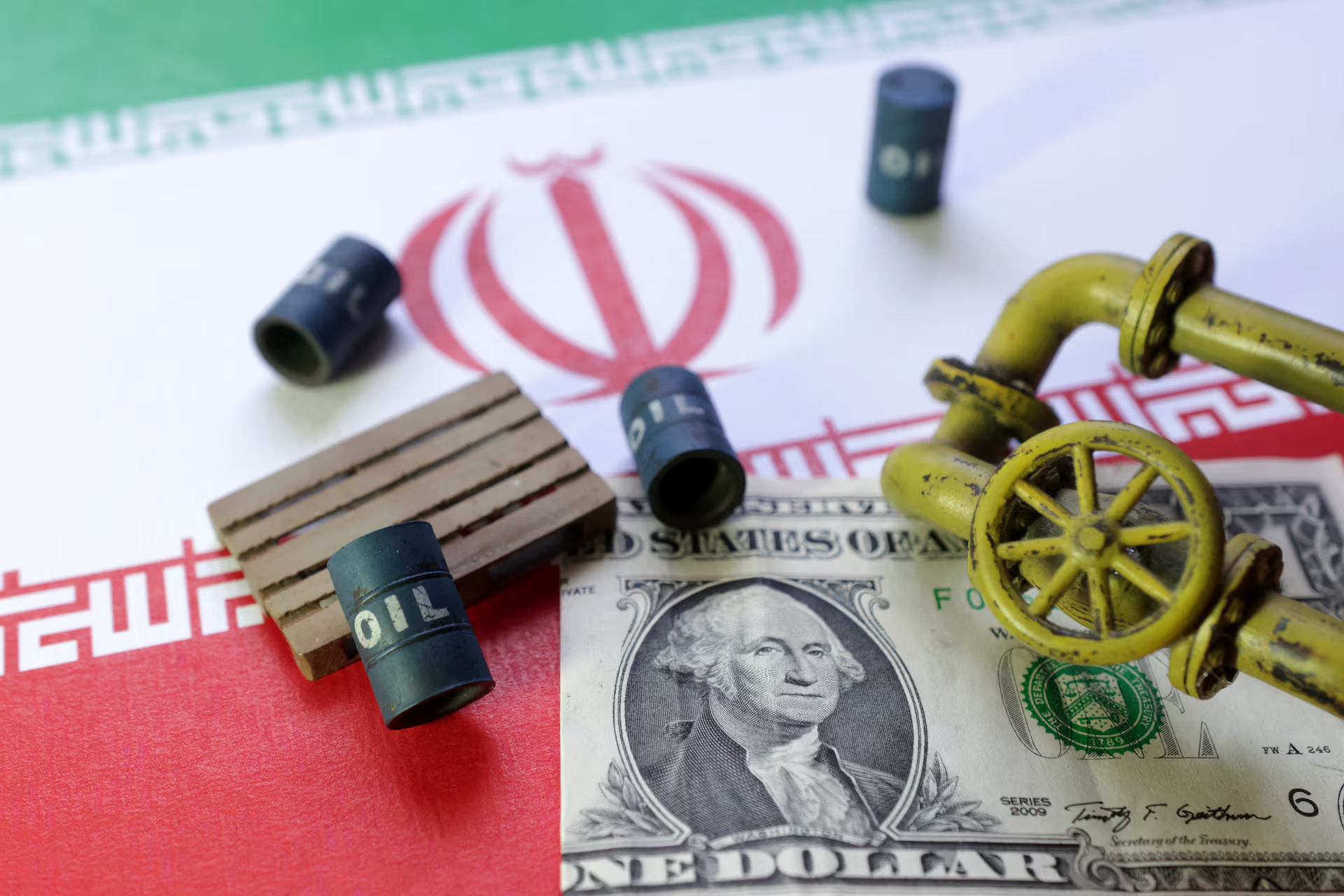
The United States has levied sanctions against Hengli Petrochemical, a major Chinese refining company. This action stems from allegations of purchasing crude oil from Iran, defying existing U.S. sanctions. The move sent Hengli’s shares tumbling 10% today.
Ripple Effects in China
Hengli Petrochemical vehemently denies the accusations. They claim to have never directly traded with Iran. The company insists its suppliers provided assurances regarding the oil’s origin.
Hengli maintains a robust three-month supply of oil. They state the sanctions haven’t disrupted their established supply network. The company believes the sanctions lack both factual and legal grounding. They intend to pursue their removal.
U.S. Treasury’s Stance
The U.S. Treasury Department identified Hengli as a significant purchaser of Iranian crude. This designation effectively cuts off Hengli’s access to the U.S. financial system. American businesses are now prohibited from engaging in transactions with the Chinese refiner.
Independent Chinese refiners, often called “teapots,” generally have less exposure to the U.S. banking system. This provides a degree of insulation from the full impact of U.S. sanctions compared to state-owned enterprises.

China’s Appetite for Iranian Oil
Last year, Chinese refiners processed approximately 80% of Iran’s total crude oil exports. A substantial portion of this volume was handled by these independent refiners. Demand has remained strong this year.
Refiners eagerly sought Iranian oil after receiving new import quotas from Beijing. They were even willing to pay a premium for Iranian crude. This occurred even when prices exceeded those of Brent crude earlier this month.
Navigating the Strait of Hormuz
Iranian tankers have largely been the only vessels permitted passage through the Strait of Hormuz. This is despite the U.S. attempting to enforce a blockade. The situation highlights the strategic importance of this waterway.
Readers seeking deeper insights can contact Gulf Petro Vision for industry guidance.
The Broader Context
This escalation arrives amidst heightened geopolitical tensions in the Middle East. Concerns about potential disruptions to global oil supplies are growing. The U.S. is attempting to restrict Iran’s oil revenue. This is a key component of its broader strategy.
The sanctions against Hengli signal a more assertive approach. Washington is clearly aiming to curtail China’s support for Iran’s oil exports. It remains to be seen how Beijing will respond.
Future Implications of Iranian crude trade
The situation underscores the complex interplay between energy markets and international politics. China’s continued demand for Iranian oil presents a challenge to U.S. sanctions enforcement. The future of this trade relationship will likely depend on broader diplomatic developments. This incident will undoubtedly be closely watched by energy markets worldwide.