Bitumen Penetration Grades Explained: Differences Between 60/70, 80/100, and 200/300
Bitumen penetration grades are fundamental to modern road construction, as they define the hardness or softness of bitumen and directly influence pavement durability, flexibility, and long-term performance. The penetration grading system measures how deeply a standard needle penetrates a bitumen sample under controlled conditions—typically at 25°C with a 100 g load applied for 5 seconds. The result, expressed in tenths of a millimeter (dmm), determines the grade classification. For example, a penetration value between 60 and 70 dmm corresponds to a 60/70 grade, indicating a relatively harder binder compared to higher penetration grades.
Understanding the differences between commonly used grades such as 60/70, 80/100, and 200/300 is essential for engineers, contractors, and procurement specialists. Each grade is designed for specific environmental and traffic conditions, and selecting the wrong type can lead to premature pavement failure, increased maintenance costs, and reduced service life.

What Are Bitumen Penetration Grades?
Bitumen penetration grades are standardized classifications that indicate the consistency of bitumen. This consistency determines how the material behaves under varying temperatures and loads. The grading system is widely used across Asia, the Middle East, and Africa due to its simplicity and practicality.
Penetration grading is based on a laboratory test defined by international standards such as ASTM D5 and EN 1426. According to these standards, the penetration value reflects the relative hardness of bitumen:
- Lower penetration values = harder bitumen
- Higher penetration values = softer bitumen
This property is critical because bitumen behaves as a thermoplastic material. It softens at high temperatures and becomes more rigid at low temperatures. Therefore, selecting the correct grade ensures optimal performance under local climate conditions.

Bitumen 60/70: Balanced Performance for Heavy-Duty Roads
Bitumen 60/70 is one of the most widely used penetration grades globally, particularly in regions with hot climates and high traffic volumes. Its relatively low penetration value indicates a harder material that provides excellent resistance to deformation.
Key Characteristics
- Moderate hardness
- High resistance to rutting
- Good adhesion to aggregates
- Stable performance under heavy traffic loads
Applications
Bitumen 60/70 is commonly used in:
- Highway construction
- Urban roads with heavy traffic
- Airport runways
- Industrial pavements
Its ability to withstand high temperatures makes it ideal for regions where asphalt surfaces are exposed to intense sunlight and heat. In such conditions, softer grades may become too fluid, leading to rutting and surface deformation.
Performance Advantages
The primary advantage of 60/70 bitumen is its structural strength. It maintains pavement integrity under heavy loads and minimizes permanent deformation. This makes it particularly suitable for high-speed roads and areas with significant truck traffic.

Bitumen 80/100: Flexibility for Moderate Climates
Bitumen 80/100 is softer than 60/70 and offers increased flexibility. This makes it suitable for regions with moderate climates, where temperature fluctuations require a balance between stiffness and elasticity.
Key Characteristics
- Softer consistency than 60/70
- Improved flexibility
- Better resistance to thermal cracking
- Moderate load-bearing capacity
Applications
Bitumen 80/100 is widely used in:
- Secondary roads
- Residential streets
- Medium-traffic highways
- Pavements in temperate climates
Performance Advantages
The increased flexibility of 80/100 allows pavements to expand and contract without cracking. This is especially important in regions where temperatures vary between seasons. While it may not offer the same rutting resistance as 60/70, it provides a balanced performance that suits a wide range of applications.
Bitumen 200/300: Maximum Flexibility for Cold Conditions
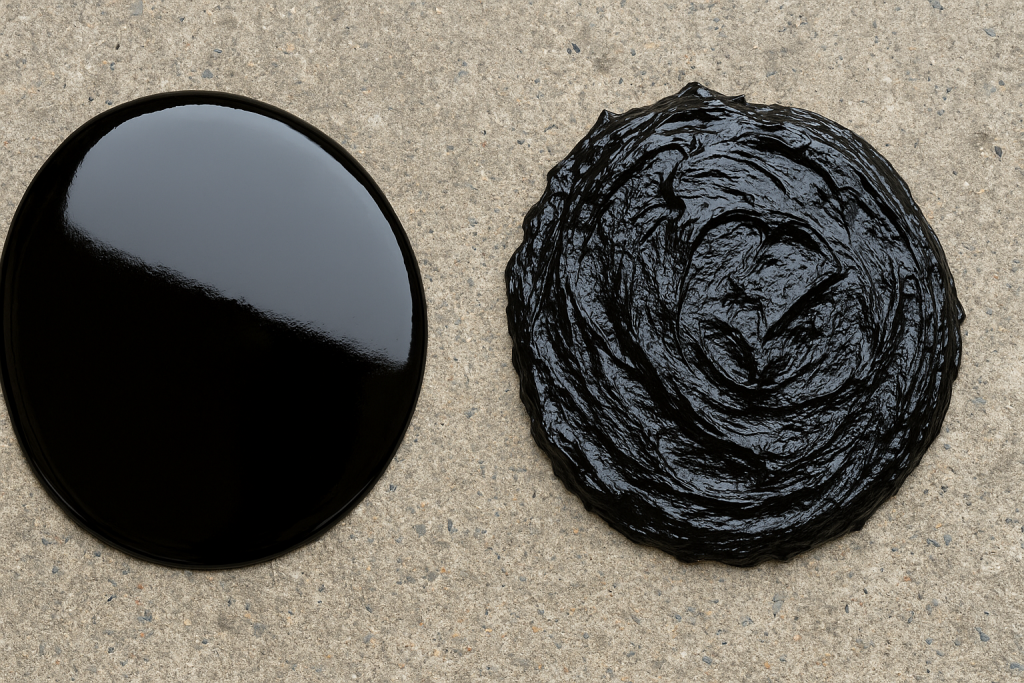
Bitumen 200/300 is a very soft grade with a high penetration value, making it ideal for cold climates and low-stress applications. Its softness allows it to remain flexible even at low temperatures, reducing the risk of cracking.
Key Characteristics
- Very soft consistency
- High flexibility
- Excellent low-temperature performance
- Lower resistance to heavy loads
Applications
Bitumen 200/300 is typically used in:
- Cold climate regions
- Low-traffic roads
- Surface dressing
- Temporary or light-duty pavements
Performance Advantages
The main advantage of 200/300 bitumen is its ability to resist thermal cracking. In cold environments, harder grades can become brittle and crack under stress. The softness of 200/300 ensures that the pavement remains intact even under extreme temperature drops.
Comparative Analysis of 60/70, 80/100, and 200/300
Understanding the differences between these grades helps in selecting the most suitable material for specific conditions.
1. Hardness and Penetration
- 60/70: Hardest among the three
- 80/100: Medium softness
- 200/300: Softest grade
2. Climate Suitability
- 60/70: Hot climates
- 80/100: Moderate climates
- 200/300: Cold climates
3. Traffic Load Capacity
- 60/70: High traffic
- 80/100: Medium traffic
- 200/300: Low traffic
4. Resistance to Deformation
- 60/70: Excellent
- 80/100: Moderate
- 200/300: Low
5. Resistance to Cracking
- 60/70: Moderate
- 80/100: Good
- 200/300: Excellent

Key Factors Influencing Grade Selection
Choosing the right bitumen grade involves evaluating several critical factors:
Climate Conditions
Temperature plays a major role in bitumen performance. In hot climates, harder grades are preferred to prevent rutting. In cold climates, softer grades are essential to avoid cracking.
Traffic Volume
Highways with heavy traffic require harder bitumen to maintain structural integrity. Conversely, low-traffic roads can perform well with softer grades.
Pavement Design
The thickness of the pavement and the type of aggregates used also influence the choice of bitumen grade.
Economic Considerations
While harder grades may have higher initial costs, they often reduce long-term maintenance expenses due to better durability.
Testing and Quality Control
To ensure consistent performance, bitumen must undergo rigorous testing. Key tests include:
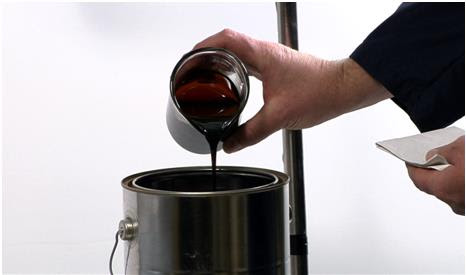
- Penetration Test (ASTM D5 / EN 1426): Measures hardness
- Softening Point Test (ASTM D36): Determines temperature susceptibility
- Ductility Test (ASTM D113): Evaluates flexibility
- Viscosity Test: Assesses flow characteristics
These tests ensure that the bitumen meets required specifications and performs as expected in real-world conditions.
Global Standards and Specifications
Bitumen penetration grades are governed by international standards such as:
- ASTM (American Society for Testing and Materials)
- EN (European Norms)
These standards ensure consistency in production and application, allowing engineers to confidently select materials for specific projects.
Advantages of Using the Correct Penetration Grade
Selecting the appropriate bitumen grade offers several benefits:
- Increased pavement lifespan
- Reduced maintenance costs
- Improved safety and performance
- Better resistance to environmental conditions
Incorrect selection, on the other hand, can lead to issues such as rutting, cracking, and premature failure.

Industry Trends and Modern Alternatives
While penetration grading remains widely used, many countries are transitioning to performance-based grading systems such as PG (Performance Grade). These systems consider a broader range of factors, including temperature extremes and traffic loading.
However, penetration grades like 60/70, 80/100, and 200/300 continue to dominate markets in developing regions due to their simplicity and cost-effectiveness.

Conclusion
Bitumen penetration grades play a critical role in road construction by determining the material’s hardness, flexibility, and overall performance. Grades 60/70, 80/100, and 200/300 each serve distinct purposes, ranging from heavy-duty highways in hot climates to flexible pavements in cold regions.
Understanding their differences allows engineers and decision-makers to optimize pavement design, improve durability, and reduce lifecycle costs. By carefully considering climate, traffic conditions, and project requirements, the right bitumen grade can be selected to ensure long-lasting and reliable road infrastructure.
For reliable supply and technical support, Gulf Petro Vision L.L.C stands out as a trusted partner in the bitumen industry, offering a full range of penetration grades including 60/70, 80/100, and 200/300 tailored to specific project requirements. As highlighted in industry sources, penetration-grade bitumen remains a critical material for road construction, with properties defined by standardized tests such as ASTM D5 and EN 1426 to ensure consistency and performance under different climatic conditions . Gulf Petro Vision aligns with these global standards while providing customized solutions based on climate, traffic load, and application type. Whether your project requires harder grades for high-temperature regions or softer grades for enhanced flexibility in cold environments, their team delivers both product and expertise. Clients can benefit from free consultation, up-to-date pricing, and real-time market insights, helping them make informed procurement decisions in a volatile market. By combining technical knowledge with a strong regional supply network, Gulf Petro Vision ensures consistent quality, competitive pricing, and reliable delivery for infrastructure projects across international markets.