Iran–Israel Conflict Triggers Bitumen Shortage, Disrupting Road Development in Himachal Pradesh
The escalating tensions involving Iran, Israel, and the United States are beginning to produce far-reaching economic consequences well beyond the immediate conflict zone. One of the most notable ripple effects is being felt in India’s northern state of Himachal Pradesh, where a critical shortage of bitumen is severely impacting road construction and maintenance activities. As global energy supply chains face disruptions, infrastructure projects in the region are slowing down, raising concerns among policymakers, contractors, and local communities alike.
Global Conflict, Local Consequences
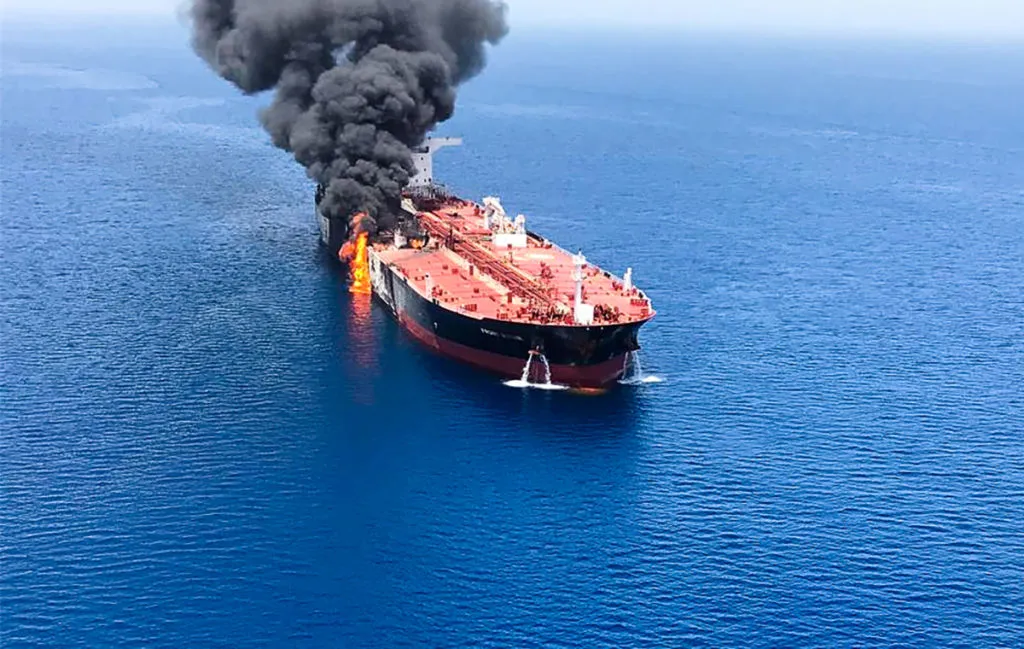
Geopolitical instability in West Asia has once again demonstrated how interconnected the global economy has become. Bitumen, a petroleum byproduct essential for road construction, is directly linked to crude oil refining processes. As tensions disrupt crude oil flows and refinery operations, the availability of bitumen declines, creating a supply bottleneck.
In recent weeks, supply chain interruptions have intensified due to logistical challenges, trade uncertainties, and rising freight costs. These disruptions are not limited to one country but are affecting multiple regions across Asia. However, states like Himachal Pradesh—where infrastructure development heavily relies on consistent material supply—are particularly vulnerable.
Supply Chain Disruptions and Price Volatility
One of the most immediate consequences of the crisis has been a sharp increase in bitumen prices. Industry sources indicate that costs have surged dramatically, nearly doubling within a short span. What was once available at approximately ₹44,000 per metric tonne has now climbed to nearly ₹88,000.
This steep rise is attributed to several interconnected factors. Reduced refinery output due to crude shortages, higher transportation expenses, and delays in shipment arrivals have all contributed to the upward price pressure. Additionally, uncertainties surrounding future supply have prompted suppliers to adopt cautious pricing strategies, further driving costs higher.
For contractors and construction firms, this volatility presents a serious challenge. Budget estimates prepared months in advance are no longer viable, forcing project managers to reassess financial planning and resource allocation.
Construction Activities Slow to a Crawl
The impact of the bitumen shortage is clearly visible on the ground. Across Himachal Pradesh, road construction and repair works have either slowed significantly or come to a complete halt. Thousands of kilometres of planned and ongoing projects are now facing delays, creating a backlog that could take months—if not years—to resolve.
Contractors are increasingly hesitant to participate in new tenders due to uncertainty surrounding raw material costs. Without price stability, bidding for long-term projects becomes a risky proposition. At the same time, those already engaged in construction work are struggling to secure timely deliveries of bitumen, leading to missed deadlines and potential financial penalties.
The situation has created a cycle of delays and hesitation, further compounding the challenges faced by the infrastructure sector.
A Critical Construction Window at Risk
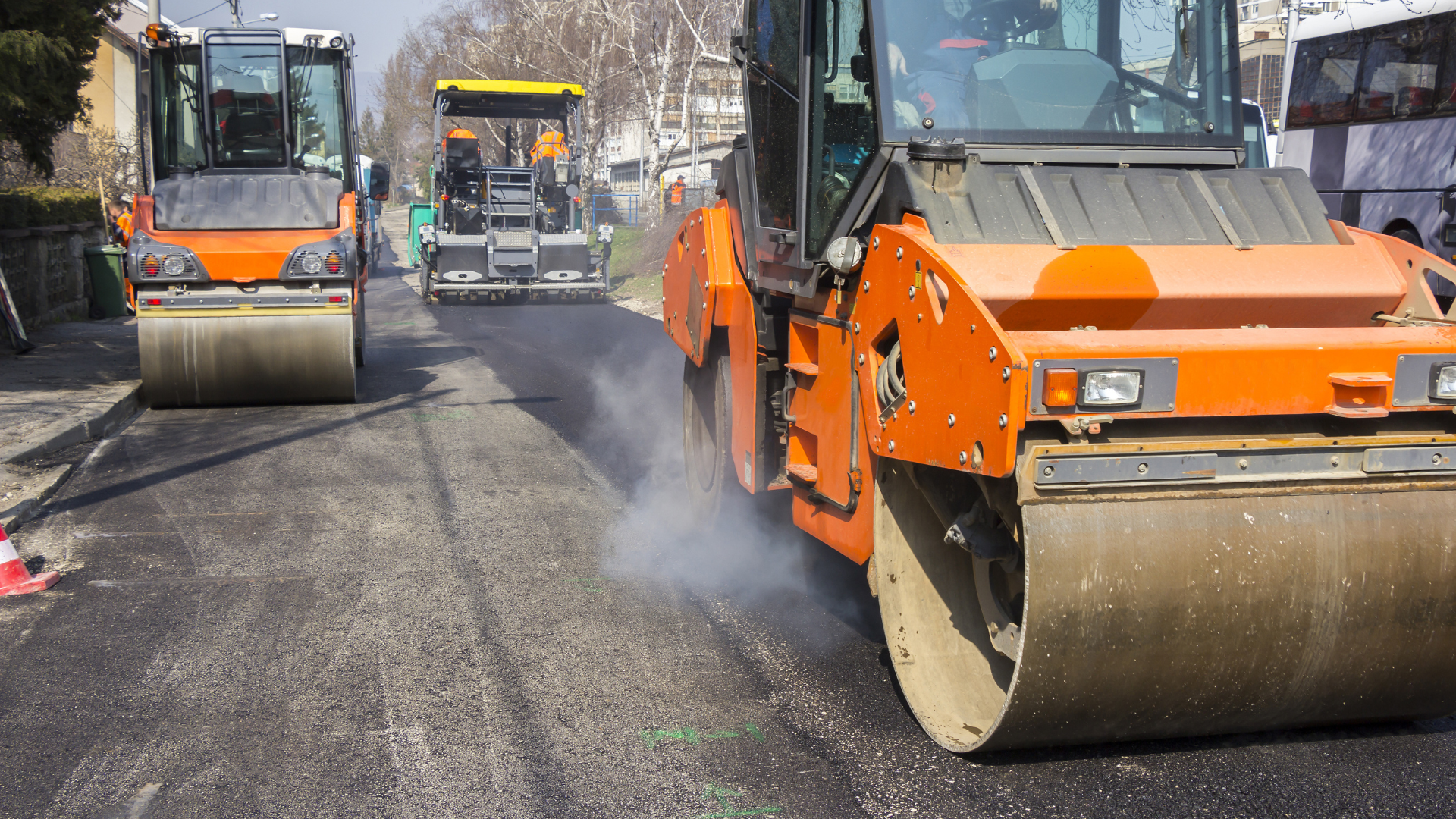
Timing plays a crucial role in road construction, particularly in hilly regions like Himachal Pradesh. The summer months are considered the most favorable period for laying asphalt, as dry weather conditions ensure better quality and durability. Once the monsoon season begins, heavy rainfall makes roadwork difficult and often impractical.
With the current supply shortages, this narrow construction window is rapidly closing. Delays during this period could have long-term consequences, as postponed projects may not resume until the following year. This not only increases costs but also affects road quality, leading to faster deterioration and higher maintenance requirements.
For a state that relies heavily on road connectivity due to its mountainous terrain, such setbacks can significantly disrupt daily life and economic activities.
Government Response and Institutional Challenges
Officials within the Public Works Department (PWD) have acknowledged the severity of the situation and have escalated the issue to higher authorities. Discussions are ongoing with both the state government and central ministries, particularly in relation to rural infrastructure programs.
Projects under major initiatives such as rural road development schemes are especially at risk. These programs aim to improve connectivity in remote areas, making reliable road infrastructure essential for economic growth and social development.
Engineers and field officers report that supply delays have extended to 10–15 days in many cases. Trucks transporting bitumen are often forced to wait at refineries due to limited stock availability. Such delays disrupt project timelines and create logistical challenges for contractors managing multiple sites.
While authorities are exploring potential solutions—including alternative sourcing and strategic stock management—the effectiveness of these measures remains uncertain given the global nature of the crisis.
Economic Impact Beyond Construction
The consequences of the bitumen shortage extend far beyond the construction sector. Himachal Pradesh’s economy is closely tied to industries that depend on efficient transportation networks. Among the most affected are tourism and horticulture—two key pillars of the state’s economic framework.
Tourism, which attracts millions of visitors annually, relies heavily on well-maintained roads for accessibility. Delays in road repairs and upgrades can deter travel, impacting local businesses such as hotels, restaurants, and transport services.
Similarly, the state’s horticulture sector—particularly apple farming—depends on reliable road connectivity to transport produce to markets. Any disruption in logistics can lead to delays, increased costs, and potential losses for farmers. Given that the apple industry plays a vital role in the region’s economy, prolonged infrastructure issues could have widespread repercussions.

The Role of Global Oil Markets
At the heart of the crisis lies the volatility of global oil markets. The ongoing conflict has heightened risks associated with key energy transit routes, leading to reduced supply and increased prices. Shipping constraints, insurance costs, and geopolitical uncertainties have all contributed to the current scenario.
Bitumen, being a derivative of crude oil, is directly impacted by these fluctuations. When crude supply tightens, refineries prioritize the production of high-demand fuels such as gasoline and diesel, often reducing output of secondary products like bitumen.
This shift in production priorities exacerbates shortages, particularly in regions heavily dependent on imports or external supply chains. As a result, local infrastructure projects become collateral damage in a broader global crisis.

Long-Term Implications for Infrastructure Development
If the current geopolitical tensions persist, the challenges faced by Himachal Pradesh may evolve into a long-term structural issue. Prolonged supply disruptions could lead to sustained high prices, forcing governments and contractors to rethink infrastructure strategies.
One potential outcome is the increased adoption of alternative materials and construction techniques. While bitumen remains the most widely used material for road construction, innovations in sustainable and cost-effective alternatives could gain traction in response to supply constraints.
Additionally, governments may consider building strategic reserves of essential construction materials to mitigate future risks. Diversifying supply sources and strengthening domestic production capabilities could also become key priorities.

Adapting to an Uncertain Future
The current crisis highlights the importance of resilience and adaptability in infrastructure planning. As global uncertainties continue to influence local economies, stakeholders must adopt proactive approaches to risk management.
For policymakers, this means developing contingency plans that account for supply chain disruptions and price volatility. For contractors, it involves flexible project management strategies and diversified sourcing options.
Collaboration between government agencies, private sector players, and international partners will be crucial in navigating the challenges ahead. By working together, stakeholders can identify innovative solutions and minimize the impact of external shocks on critical infrastructure projects.

Conclusion
The ongoing conflict in West Asia has underscored the vulnerability of interconnected global systems. What begins as a geopolitical issue can quickly translate into economic challenges thousands of kilometres away.
In Himachal Pradesh, the bitumen shortage serves as a stark reminder of this reality. Road construction delays, rising costs, and logistical hurdles are not just isolated problems—they are part of a larger narrative shaped by global events.
As the situation continues to evolve, the focus must remain on finding sustainable solutions that ensure the continuity of infrastructure development. Whether through policy interventions, technological innovation, or strategic planning, addressing these challenges will be essential for maintaining economic stability and supporting long-term growth.
The road ahead may be uncertain, but with the right strategies in place, it is possible to navigate these complexities and build a more resilient future.