Road construction bitumen Sudan: A 2026 Guide
Road construction bitumen Sudan is crucial for developing and maintaining the nation’s infrastructure. With ambitious road projects planned for 2026, understanding the optimal bitumen grades, sourcing reliable suppliers like those available through Gulf Petro Vision, and adhering to stringent testing standards are paramount. This guide provides a comprehensive overview for stakeholders involved in Sudanese road construction.
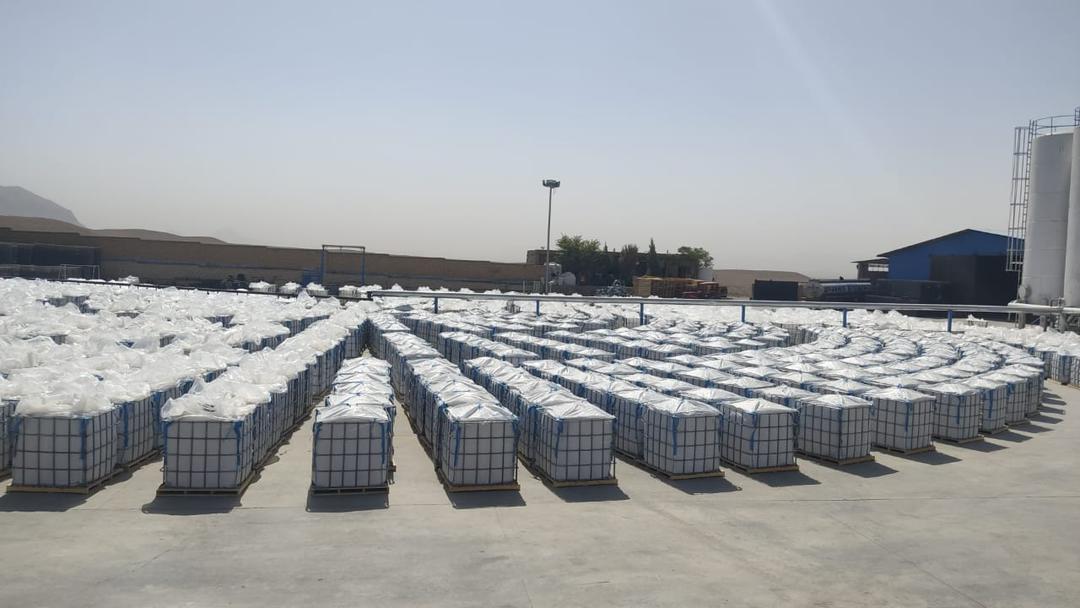
How does Road construction bitumen Sudan meet the country’s climate demands?
Sudan’s extreme temperature swings – scorching dry summers above 45 °C and occasional flood‑induced moisture in the rainy season – dictate a narrow set of bitumen properties for lasting road performance. The most widely used penetration grades are 80/100 for low‑traffic rural stretches and 60/70 for primary highways bearing heavier loads. These grades balance softness for high temperatures with sufficient stiffness to resist rutting.
Higher softening points help preserve shape during Sudan’s peak heat.
Viscosity at 60 °C, softening point, and ductility are the three performance pillars. A viscosity range of 200–350 cSt ensures workability during paving, while a softening point above 45 °C prevents premature flow. Ductility values exceeding 60 cm at 25 °C are critical to accommodate thermal contraction without cracking.
Which standards guarantee consistent quality for Sudan road maintenance?
Sudan aligns with ASTM D5 (penetration), ASTM D36 (softening point), and EN 12591 (viscosity). These specifications are cross‑referenced in the national “Sudan road maintenance bitumen specifications” document, ensuring that every batch meets the required performance envelope.
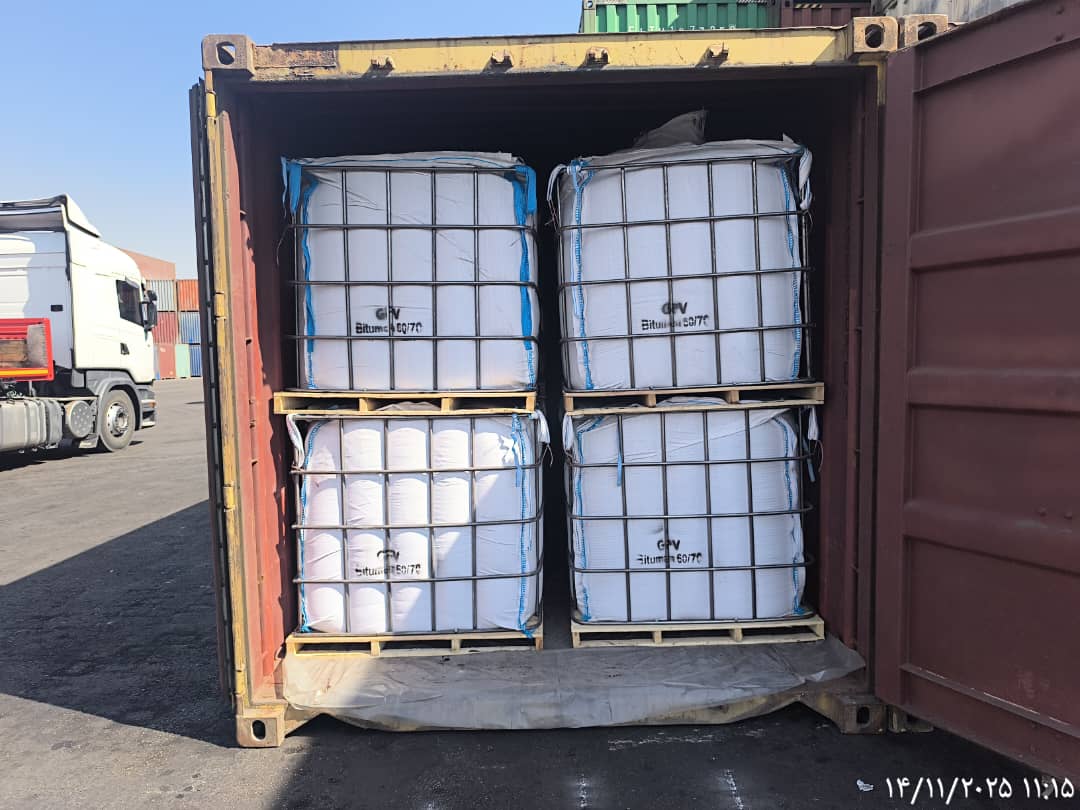
Can polymer modified bitumen Sudan improve durability?
Polymer‑modified binders (SBS or crumb‑rubber) raise the elastic recovery, allowing the pavement to flex under thermal stress and heavy traffic. Compared with conventional grades, they typically extend service life by 30–40 %.
PROS
- Higher temperature resistance
- Improved fatigue performance
CONS
- Higher initial cost
- Requires specialized mixing equipment
How do seasonal variations influence bitumen selection?
During the hot, dry months, a stiffer grade (e.g., 60/70) with a softening point above 45 °C prevents surface bleeding. In the rainy season, enhanced ductility and polymer modification mitigate moisture‑induced stripping and cracking.
For deeper guidance on sourcing and testing, see the comprehensive bitumen supplier guide, which outlines the latest bitumen testing standards Sudan roads and practical sourcing tips for infrastructure projects.
How Will Bitumen Sourcing & Costs Impact Sudan Road Projects in 2026?
What does the current supply chain for Road construction bitumen Sudan look like?
Sudan relies heavily on imported bitumen, with the majority arriving through Port Sudan and then distributed by a handful of experienced importers in Khartoum. Key regional players include Gulf‑based firms such as Gulf Petro Vision L.L.C, which operate storage terminals near the capital, and local aggregators that manage inland trucking to construction sites. Seasonal weather patterns and limited rail capacity can delay deliveries, especially during the rainy months when road conditions deteriorate.
Share of bitumen sources feeding Sudan’s road network in 2026.
Which factors will drive the cost of bitumen for Sudanese road projects?
Three dominant variables shape the cost structure:
- Global crude oil price trends, which affect the base price of refined bitumen.
- Transportation expenses, including maritime freight to Port Sudan and inland haulage to Khartoum.
- Import duties and VAT applied by Sudan’s customs authority.
When crude oil prices rise, refiners may pass a portion of the increase to buyers, while higher freight rates can add a noticeable premium. Policy shifts in duty structures can either cushion or amplify these effects.
How will Sudan road project bitumen requirements influence market pricing?
Large‑scale highway upgrades and new arterial links are expected to boost annual demand by roughly 20 % in 2026. This surge puts upward pressure on spot prices, especially for high‑grade polymer modified bitumen used in desert stretches. However, coordinated procurement—such as joint tendering among regional authorities—can create economies of scale that dampen price spikes.
What procurement strategies can minimise project budgets?
Project managers should consider:
PROS
- Long‑term supply agreements lock in price ceilings.
- Bulk storage at Khartoum reduces last‑minute logistics costs.
CONS
- Up‑front capital outlay for storage facilities.
- Risk of over‑stocking if project scopes change.
Linking with reliable partners such as those highlighted in the comprehensive Sudan bitumen guide ensures that supply continuity aligns with strict Sudan road maintenance bitumen specifications, keeping project timelines on track.

Successfully executing Sudan’s road infrastructure plans relies heavily on informed decisions regarding road construction bitumen Sudan. From selecting the appropriate grade for the climate to understanding cost projections for 2026, a thorough approach is essential. Gulf Petro Vision L.L.C is committed to providing quality bitumen solutions. Contact us today to discuss your project requirements and ensure a durable, cost-effective road network.