Iran Halts Petrochemical Exports to Safeguard Domestic Supply Amid Rising Geopolitical Pressures
Iran has taken a decisive step in its energy and industrial policy by suspending petrochemical exports, aiming to stabilize domestic supply after recent geopolitical disruptions. The move comes in response to reduced production capacity and growing concerns over shortages within the country’s downstream industries.
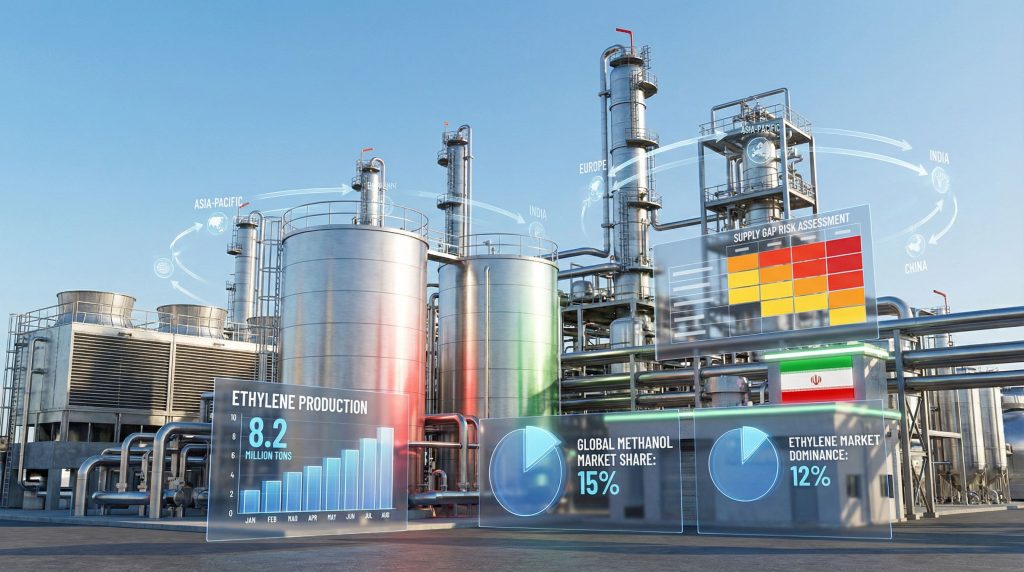
Domestic Priorities Take Center Stage
Facing mounting pressure on its internal supply chain, Iran has chosen to prioritize its domestic market over international trade. Authorities have temporarily stopped outbound shipments of petrochemical products to ensure that local manufacturers, factories, and essential industries continue to receive adequate raw materials.
This policy shift reflects a broader strategy to shield the national economy from external shocks. With production levels affected and logistics becoming increasingly complicated, maintaining internal balance has become more critical than sustaining export revenues.
Impact of Recent Attacks on Production Capacity
Earlier this month, several of Iran’s major petrochemical facilities experienced significant disruptions following targeted strikes. Key industrial zones, including major hubs responsible for a large portion of the country’s output, were directly or indirectly affected.
Among the most critical sites impacted were facilities located in the Mahshahr region and the large-scale petrochemical complexes in Asaluyeh. These areas are central to Iran’s production network, with Asaluyeh alone contributing nearly half of the country’s total petrochemical output.
Damage to infrastructure—particularly power lines and feedstock supply systems—forced partial shutdowns across multiple plants. As a result, production levels dropped, creating a ripple effect across the entire supply chain.
Strategic Export Suspension
In response to these challenges, Iran’s petrochemical authorities issued a directive to halt exports indefinitely. The decision is not tied to a fixed timeline but will remain in place until production stability is restored and domestic demand is fully secured.
This export suspension is designed to prevent a potential shortage of essential materials used by local industries. Petrochemical derivatives are critical inputs for sectors such as construction, manufacturing, packaging, and agriculture. Any disruption in supply could have widespread economic consequences.
By redirecting available output to the domestic market, the government aims to avoid bottlenecks and ensure continuity in industrial operations.
Economic Trade-Offs and Revenue Pressure
While the decision strengthens domestic resilience, it comes at a significant financial cost. Iran’s petrochemical exports represent a major source of foreign currency income, with annual volumes reaching tens of millions of tons and generating billions of dollars in revenue.
The halt in exports will likely intensify existing economic pressures, particularly as the country is already dealing with external restrictions affecting its oil and shipping sectors. Reduced export earnings could impact government budgets and limit access to international markets.
However, policymakers appear willing to accept short-term financial losses in exchange for long-term economic stability. Ensuring that domestic industries remain operational is seen as a higher priority under current conditions.

Price Controls to Support Local Industries
Despite rising global prices for petrochemical products, Iranian authorities have opted to maintain stable pricing within the domestic market. By keeping prices at pre-crisis levels, the government aims to protect local businesses and consumers from inflationary pressures.
This approach is intended to support production continuity and prevent cost escalation across supply chains. Lower input costs can help manufacturers maintain output levels, preserve jobs, and avoid passing higher expenses onto end consumers.
However, price controls also present challenges, particularly if production remains constrained. Balancing affordability with supply availability will require careful management in the coming weeks.
Challenges in Logistics and Maritime Operations
In addition to production issues, Iran is also navigating increasing complications in its export logistics. Maritime activity in key shipping routes has become more complex due to heightened monitoring and enforcement measures in strategic waterways.
Restrictions affecting vessel movement near critical transit points have added another layer of difficulty for Iranian exports. As a result, shipping operations have become less predictable and more costly.
To adapt, some operators have reportedly adopted unconventional navigation practices, including limiting vessel visibility and altering tracking signals. These tactics are aimed at maintaining operational flexibility, though they also increase risks and uncertainties.

Broader Implications for Global Markets
Iran’s decision to suspend petrochemical exports is likely to have ripple effects across regional and global markets. As a significant supplier, any reduction in its export volume can tighten supply conditions, particularly in markets that rely heavily on Middle Eastern production.
Buyers in Asia, Africa, and other regions may need to seek alternative sources, potentially driving up prices and increasing competition among suppliers. This shift could create opportunities for other exporting countries to expand their market share.
At the same time, the situation adds to existing volatility in global energy and petrochemical markets, where geopolitical tensions continue to influence supply dynamics.
Downstream Industry Protection
A key objective behind the export halt is to protect Iran’s downstream sectors. These industries depend heavily on consistent access to petrochemical feedstocks to produce goods ranging from plastics to fertilizers.
Any disruption in supply could lead to reduced output, factory shutdowns, and economic slowdown. By securing raw materials for domestic use, the government is attempting to maintain industrial stability and prevent broader economic fallout.
This strategy highlights the interconnected nature of the petrochemical sector, where upstream disruptions can quickly impact downstream operations.

Future Outlook and Uncertainty
The duration of the export suspension remains uncertain and will largely depend on how quickly damaged infrastructure can be repaired and production levels restored. If recovery efforts progress smoothly, exports may resume sooner than expected.
However, ongoing geopolitical tensions and logistical challenges could prolong the situation. Market participants will be closely monitoring developments, particularly regarding facility repairs and changes in regional dynamics.
In the meantime, Iran’s focus will likely remain on internal stability, ensuring that its industries continue to function despite external pressures.
Conclusion
Iran’s decision to halt petrochemical exports underscores the growing impact of geopolitical events on energy and industrial markets. By prioritizing domestic supply, the country aims to safeguard its economy against immediate disruptions, even at the expense of export revenues.
This move reflects a broader shift toward resilience and self-sufficiency in times of crisis. While the long-term consequences remain to be seen, the immediate goal is clear: maintain stability at home while navigating an increasingly complex global landscape.
As the situation evolves, both regional players and global markets will need to adapt to the changing dynamics, with supply chains, pricing, and trade flows all likely to be affected in the months ahead.