Singapore Bitumen Prices Reach Record Levels Amid Supply Shortage
Market Overview
Singapore’s bitumen market is experiencing a sharp and unprecedented تحول, driven by a combination of supply shortages, geopolitical disruptions, and shifting demand patterns. Prices have surged to record levels, reflecting the growing imbalance between limited availability and cautious buying activity across Asia.
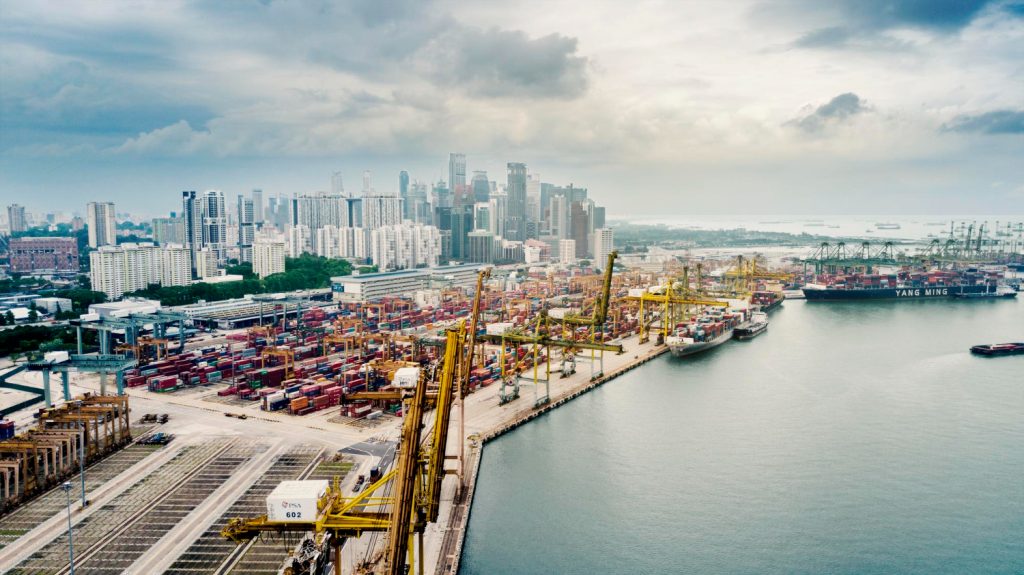
As one of the region’s key trading hubs, Singapore plays a central role in supplying bitumen to Southeast Asia and beyond. Therefore, any disruption in its production or export capacity quickly affects regional pricing and trade flows.
Supply Disruptions Trigger Market Tightness
The recent rally in prices has been largely fueled by a significant reduction in feedstock availability. Bitumen production depends heavily on the steady supply of crude derivatives, which has been disrupted in recent weeks.
Several major refiners in Singapore have declared force majeure on bitumen exports. This means they are unable to meet contractual obligations due to circumstances beyond their control. As a result, long-term buyers have been notified of reduced cargo volumes.
At the same time, spot market activity has weakened. A third refinery is reportedly offering only minimal cargoes for April loading, further tightening supply in the market.
Looking ahead, availability for May shipments also appears limited. The situation is unlikely to improve quickly, as feedstock shortages persist across the region.

Impact of the Strait of Hormuz
One of the key factors behind the supply disruption is reduced shipping activity through the Strait of Hormuz. This critical maritime route handles a significant portion of global oil flows.
Lower transit volumes through the strait have restricted the movement of crude and feedstock materials into Asia. As a result, refiners in Singapore are struggling to maintain normal production levels.
This bottleneck highlights the vulnerability of global energy supply chains. Even localized geopolitical tensions can have far-reaching effects on downstream markets such as bitumen.
Prices Surge to Historic Levels
With supply tightening rapidly, prices have responded accordingly. Singapore’s ABX1 bitumen benchmark reached $700 per tonne FOB on April 7. This represents an increase of more than 88% compared to levels seen before the conflict.
Such a steep rise in a short period is highly unusual and underscores the severity of the current supply crunch.
In addition, the spread between bitumen and 3.5% 380cst high-sulphur fuel oil (HSFO) has narrowed significantly. The price gap has dropped to just $17.25 per tonne, indicating that bitumen is becoming relatively more valuable within the refining slate.

Refiners Shift Focus to Higher-Value Products
Despite the strong price environment, refiners are not rushing to increase bitumen production. Instead, they are prioritizing more profitable products such as gasoline, gasoil, and marine fuels.
This strategy is largely driven by ongoing feedstock constraints. With limited raw materials available, refiners must allocate resources carefully to maximize returns.
As a result, bitumen output is expected to remain restricted in the near term. This will likely keep prices elevated, even if demand weakens.
Chinese Exports Help Fill Supply Gaps
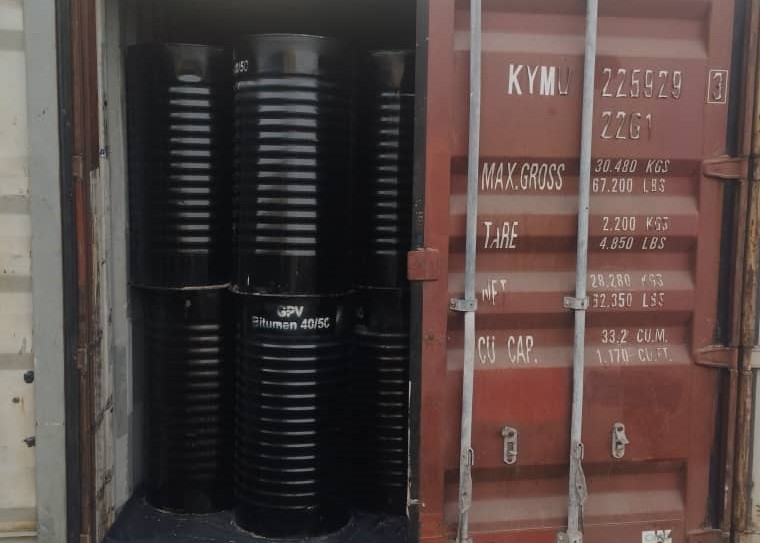
To address the shortfall, additional cargoes from China have entered the Southeast Asian market. Refiners in southern China have supplied bitumen to buyers in countries such as Vietnam and Thailand.
These cargoes have been traded at prices between $670 and $680 per tonne FOB for April loading. While this provides some राहत to the market, the volumes are not sufficient to fully offset the supply deficit from Singapore.
Nevertheless, Chinese exports are playing an important role in stabilizing regional supply chains, at least temporarily.
Demand Weakens Under Cost Pressure
While supply remains tight, demand is showing clear signs of weakening. Rising prices are putting pressure on buyers, particularly in emerging markets where budgets are limited.
In countries like Vietnam and Indonesia, infrastructure projects are being delayed or reconsidered. Many of these projects were planned when bitumen prices were significantly lower.
Now, with costs rising sharply, contractors are struggling to stay within budget. Governments may need to revise funding plans, but there is still uncertainty about whether additional financial support will be provided.
Buyer Resistance Increases
As prices continue to rise, buyers are becoming more cautious. Many importers are reluctant to commit to expensive cargoes from Singapore.
This is especially true when domestic trucked bitumen is available at lower prices. As a result, buying interest for April shipments has been capped at around $660 per tonne FOB on a netback basis.
This growing resistance suggests that the market may be approaching a demand ceiling. If prices continue to rise, demand could weaken further.

Australia Maintains Cautious Buying Strategy
In Australia, demand remains relatively stable but cautious. Some contractors are still purchasing bitumen as they rush to complete projects before seasonal slowdowns.
However, most buyers are avoiding large inventory builds. There is concern that prices could correct sharply in the near future, leaving companies with high-cost stock.
This cautious approach reflects broader uncertainty in the global market.
Rising Operating Costs Add Further Pressure
Beyond bitumen prices, contractors are also facing higher operating costs. The price of gasoil, which is essential for transportation and machinery, has increased significantly.
Higher fuel costs make it more expensive to run equipment, transport materials, and maintain operations. This adds another layer of financial strain on construction companies.
As a result, some projects may be delayed or scaled back, further reducing demand for bitumen.
Government Spending Priorities Shift
Another important factor affecting demand is government spending. In many countries, budgets are being redirected toward more urgent needs.
For example, rising fuel prices are prompting governments to allocate funds for subsidies. This leaves less money available for infrastructure and road construction projects.
In the short term, this shift in priorities is likely to limit demand growth in the bitumen market.
Outlook: Tight Supply Meets Uncertain Demand
Looking ahead, the Singapore bitumen market is expected to remain volatile. Supply constraints are likely to persist due to ongoing feedstock shortages and geopolitical risks.
At the same time, demand may remain subdued as buyers resist high prices and face financial constraints.
The balance between these opposing forces will determine the direction of the market in the coming weeks. If supply disruptions continue, prices could remain elevated. However, if demand weakens further, a price correction may occur.

Conclusion
The current situation highlights the complex dynamics shaping the global bitumen market. Supply disruptions, geopolitical tensions, and economic pressures are all playing a role.
Singapore, as a key export hub, remains at the center of these developments. Any changes in its production or export capacity will continue to influence regional and global markets.
For now, market participants must navigate a challenging environment characterized by high prices, limited supply, and uncertain demand. Careful planning and strategic decision-making will be essential in the weeks ahead.