Asia Bitumen Market 2026: In-Depth Analysis of Prices, Demand, and Infrastructure Trends
The Asia bitumen market in 2026 is navigating a landscape of rapid transformation. Driven by aggressive infrastructure mandates, fluctuating energy costs, and a fundamental shift in regional supply chains, the market has become a focal point for global energy traders and construction conglomerates alike.
From the industrial powerhouses of East Asia to the rapidly urbanizing corridors of South and Southeast Asia, bitumen—the literal “glue” of modern connectivity—is in higher demand than ever. This comprehensive report breaks down the pricing mechanisms, regional shifts, and logistics hurdles defining the market this year.
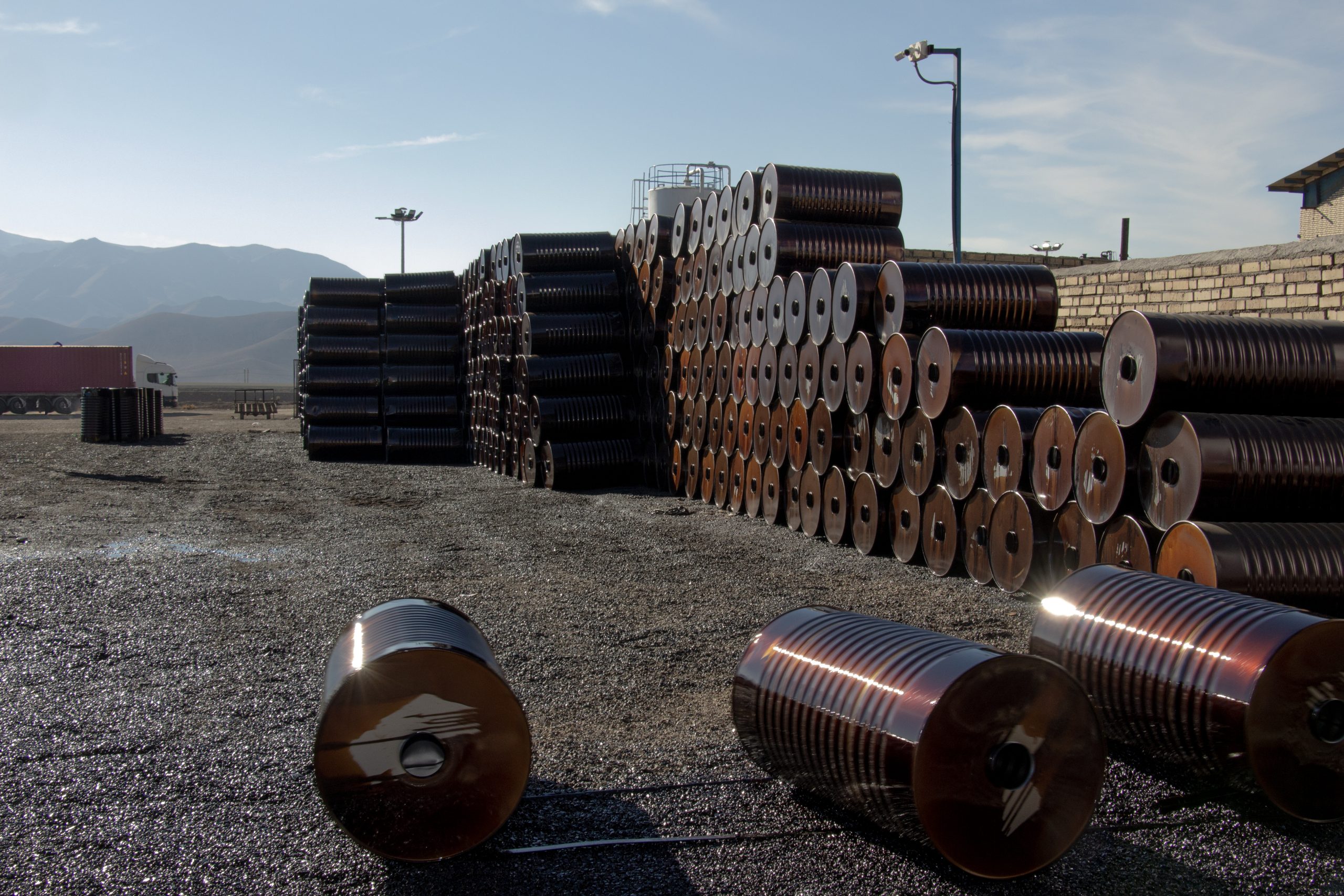
1. Bitumen Price Trends in Asia: Navigating Volatility in 2026
As we move through 2026, bitumen prices in Asia have faced upward pressure, diverging from the relative stability of previous years. Several macroeconomic and industry-specific factors are contributing to this trend.
Drivers of Price Appreciation
-
Crude Oil Feedstock Costs: With global Brent prices experiencing volatility due to geopolitical shifts, the cost of vacuum residue (the primary feedstock for bitumen) has risen.
-
Refinery Optimization: Many refineries in Singapore and South Korea have shifted focus toward lighter distillates and sustainable aviation fuels (SAF), inadvertently tightening the supply of heavy bottom-of-the-barrel products like bitumen.
-
Environmental Compliance: New regulations regarding carbon emissions in refining processes have added a “green premium” to production costs.
-
Freight and Logistics: Increased insurance premiums for shipping through key maritime chokepoints have padded the “landed cost” for importers.
Regional Pricing Dynamics
The Asian market is not monolithic. In 2026, we see a distinct “pricing triangle”:
-
High-Premium Zones (India/Indonesia): Driven by massive consumption that outpaces local production.
-
Stable Zones (China/South Korea): Supported by massive internal refining capacities.
-
Variable Zones (Vietnam/Bangladesh): Highly sensitive to spot-market fluctuations and container availability.


2. East Asia: The Manufacturing and Supply Engine
East Asia remains the gravitational center of the Asia bitumen market 2026, acting as both a massive consumer and the region’s primary exporter.
China: Self-Sufficiency and Domestic Stimulus
China continues to dominate the regional landscape. By 2026, the Chinese government has doubled down on “New Infrastructure” projects. While China was once a massive importer, its expanded refining capacity now allows it to meet most of its domestic demand, which hovers around 35–40 million tonnes annually. This self-sufficiency acts as a price stabilizer for the rest of the region.
South Korea: The Export Powerhouse
South Korea remains the “refinery of Asia.” With sophisticated plants capable of producing high-grade PG (Performance Grade) bitumen, Korean exporters are the preferred partners for high-spec highway projects in Australia and Southeast Asia. Their ability to pivot between bulk and drum exports gives them a competitive edge in 2026.

3. Southeast Asia: The High-Growth Frontier
Southeast Asia is currently the most dynamic sub-region for asphalt demand, fueled by the “Master Plan on ASEAN Connectivity.”
Indonesia: Bridging the Islands
Indonesia’s demand for bitumen in 2026 is at an all-time high. The completion of various segments of the Trans-Sumatra Toll Road and the ongoing development of the new capital, Nusantara (IKN), have created a supply vacuum.
-
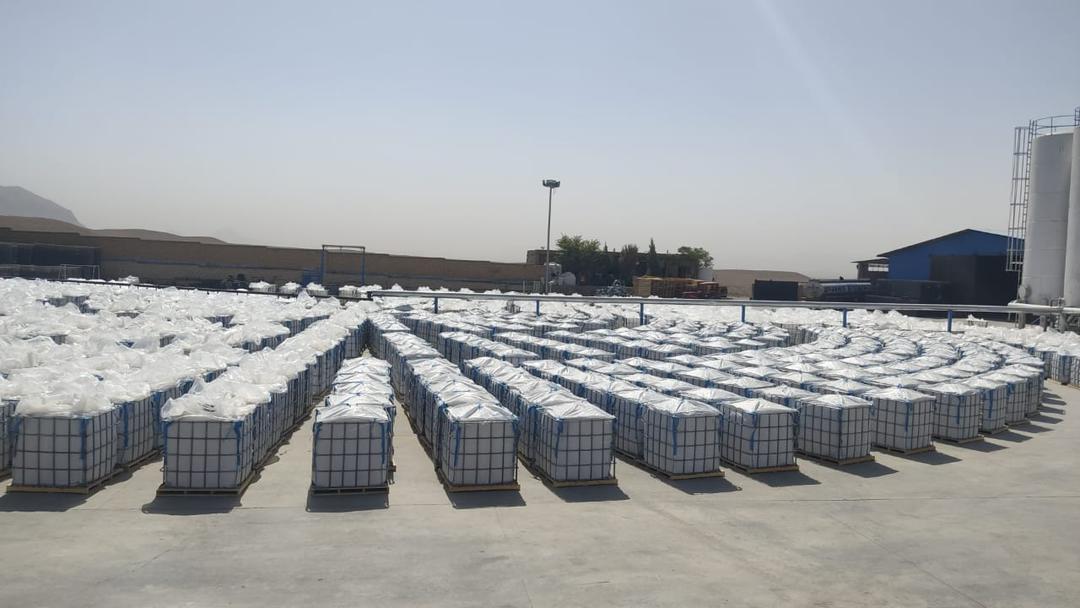
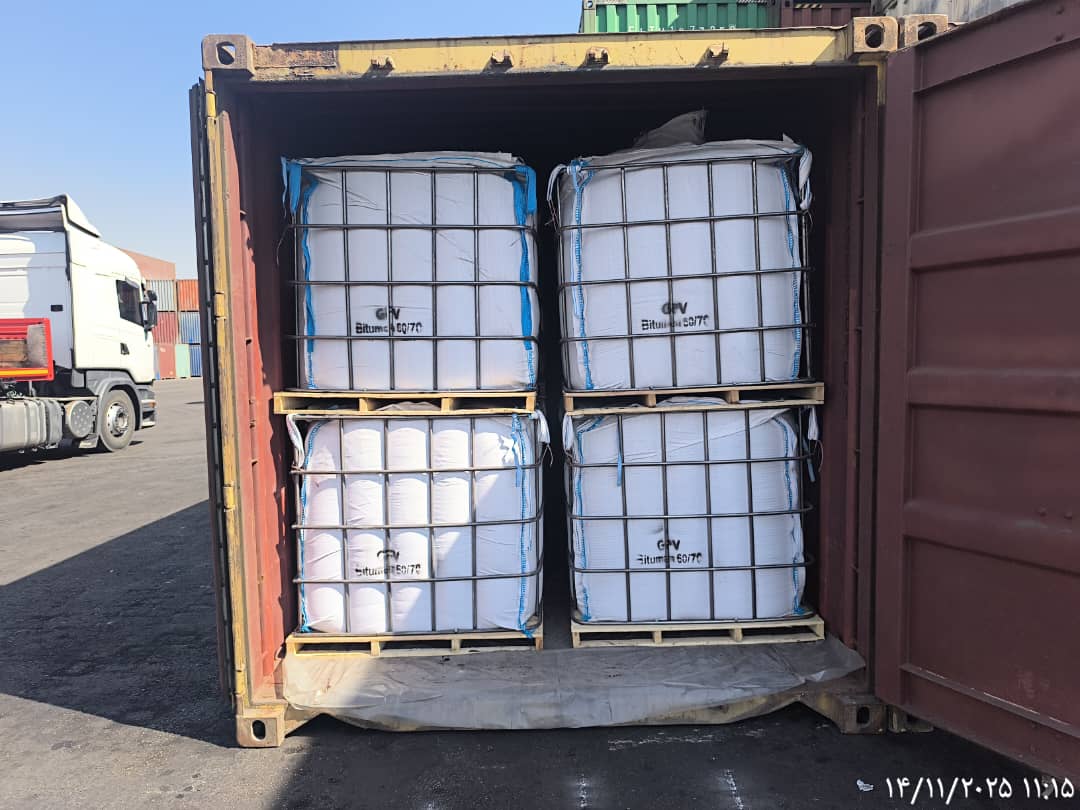
Trend: Shift toward Jumbo Bag (1MT) packaging to facilitate easier transport to remote island project sites.
-
Challenge: Limited domestic production forces a 60% reliance on imports from Singapore and Malaysia.
Vietnam and Thailand: Modernizing Networks
Vietnam’s industrial zones are expanding, requiring heavy-duty road networks. The market here is moving away from standard 60/70 penetration grade bitumen toward modified binders (PMB) to handle the tropical climate and increasing heavy-vehicle traffic.
4. South Asia: The Epicenter of Demand Growth
If East Asia is the supplier, South Asia is the hungriest consumer in 2026.
India: A Market in Overdrive
India has emerged as the fastest-growing bitumen market globally. Under various “Bharatmala” phases, the country is adding thousands of kilometers of national highways annually.
-
The Mix: India relies on a strategic mix of Public Sector Undertaking (PSU) refineries and private imports from the Middle East to bridge a 2-3 million tonne annual deficit.
-
2026 Outlook: Focus on “Green Highways” is driving demand for cold-mix bitumen and emulsion products.
Bangladesh: Rapid Urbanization
Bangladesh is transitioning from a rural economy to an industrial hub. The demand for high-quality bitumen for bridge approaches and polder roads (to combat flooding) is a significant trend in 2026.

5. Logistics and Supply Chain: The 2026 Hurdle
Logistics remains the biggest “invisible cost” in the bitumen trade. In 2026, the industry is grappling with two main fronts:
Maritime Disruptions
The Strait of Hormuz and the Malacca Strait remain critical bottlenecks. Any geopolitical tension in these areas immediately triggers:
-
War Risk Surcharges: Adding $10–$25 per metric tonne to the price.
-
Vessel Scarcity: A shortage of specialized bitutainers and asphalt tankers has led traders to rely more on drummed cargo, despite the higher handling costs.
The “Last Mile” Challenge
In countries like India and Indonesia, the port-to-site journey is often more expensive than the sea freight.
-
Solution: The rise of Bitumen Terminals. Private players are investing in coastal storage terminals to decouple supply from shipping schedules, ensuring a “just-in-time” delivery model for contractors.
6. Seasonal Demand and Weather Patterns
Understanding the “Bitumen Calendar” is essential for buyers in 2026.
| Region | Peak Demand Period | Slowdown Period | Reason |
| South Asia | October – May | June – September | Monsoon rains halt paving |
| Southeast Asia | Varied (Dry Spells) | November – February | Heavy tropical rain cycles |
| East Asia | April – November | December – February | Winter freezing prevents laying |
Pro-tip for 2026: Savvy buyers are “stocking up” during the monsoon/off-season when prices historically dip by 5-8% due to lower immediate demand.
7. The Future Outlook: 2027 and Beyond
Looking past 2026, the Asia bitumen market is moving toward Specialization and Sustainability.
-
Bio-Bitumen: Research into lignin-based binders is gaining traction in Singapore and Japan to reduce the carbon footprint of road construction.
-
Digitalization: Blockchain-based tracking of bitumen quality and origin is becoming a standard requirement for government tenders to prevent adulteration.
-
Recycling: Reclaimed Asphalt Pavement (RAP) technology is seeing a 15% year-on-year growth, slightly dampening the demand for “virgin” bitumen in mature markets like Singapore and Taiwan.
8. Summary Checklist for Traders and Buyers
To succeed in the Asia Bitumen Market 2026, stakeholders must monitor these key indicators:
-
Monitor Brent Crude: Every $5 movement in crude typically impacts bitumen by $15–$20/MT.
-
Diversify Sourcing: Don’t rely solely on one hub; balance between Middle Eastern imports and East Asian supply.
-
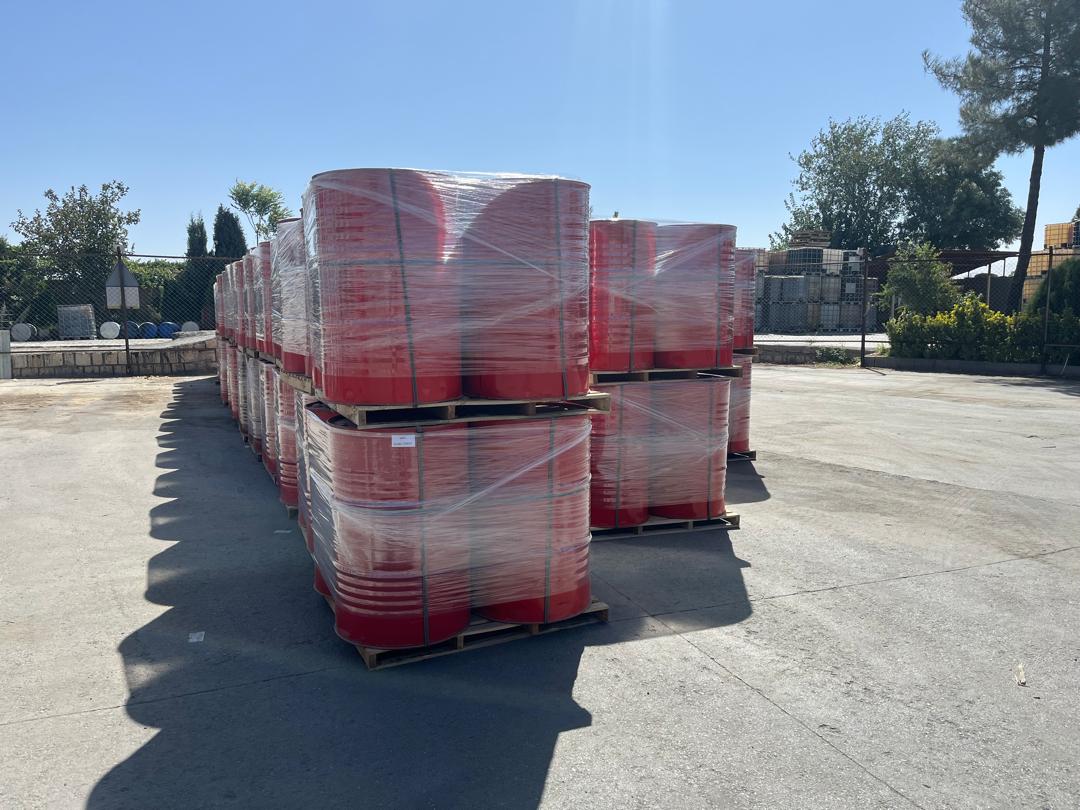
Packaging Strategy: Evaluate if Bulk, Drums, or Jumbo Bags are most cost-effective for your specific project location.
-
Inventory Management: Hedge against seasonal price spikes by securing volumes at least 60 days in advance.

Conclusion: Securing Your Position in 2026
The Asia Bitumen Market 2026 is a land of opportunity for those who can navigate its complexities. While the “era of cheap bitumen” may be behind us, the sheer volume of infrastructure work ensures that the market remains robust. Success in this environment requires more than just buying a product; it requires a partnership with a supplier who understands the nuances of regional logistics and quality standards.
Why Partner with Gulf Petro Vision?
In a market defined by volatility, Gulf Petro Vision stands as a beacon of reliability. We provide:
-
Guaranteed Quality: Sourcing directly from top-tier refineries in the Middle East and East Asia.
-
Logistics Mastery: Expertise in navigating the shipping challenges of 2026 to ensure your project never stops.
-
Flexible Solutions: From standard 60/70 grades to specialized PMB, delivered in the packaging that fits your site needs.
Ready to secure your 2026 supply? > [Contact Gulf Petro Vision Today] for a custom quote and market consultation. Let’s build the future of Asia together.