PMB vs Penetration Grade
Indonesia’s rapidly expanding infrastructure sector faces unique challenges in selecting the right bitumen for tropical construction projects. With temperatures consistently above 30°C and high humidity levels, choosing between Polymer Modified Bitumen (PMB) and traditional penetration grade bitumen becomes crucial for project success.
This comprehensive guide examines the key differences between PMB and penetration grade bitumen, helping contractors and suppliers make informed decisions for Indonesia’s demanding climate conditions.
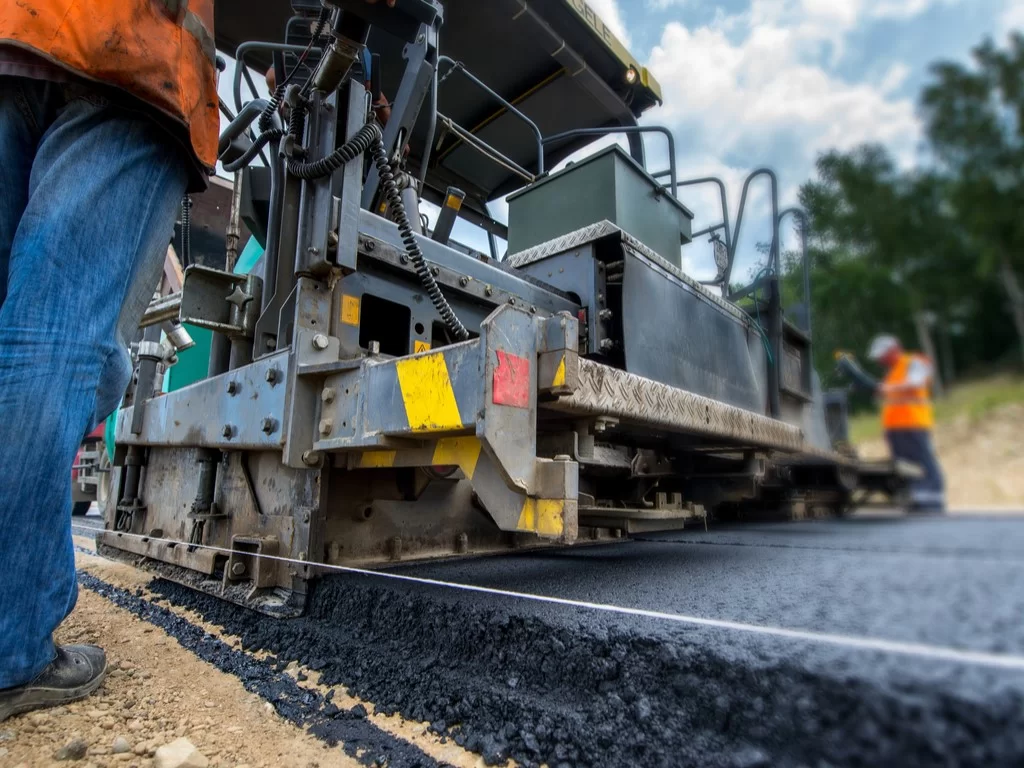
Understanding Penetration Grade Bitumen in Indonesia’s Market
Penetration grade bitumen serves as the foundation of Indonesia’s road construction industry. This conventional binder gets its classification from penetration testing, which measures material hardness under specific conditions.
Why Bitumen 60/70 Indonesia Dominates the Market
The bitumen 60/70 Indonesia grade has become the industry standard for several compelling reasons:
Climate Compatibility: Indonesia’s tropical weather requires bitumen that remains stable at high temperatures while maintaining workability. The 60/70 grade offers optimal consistency for ambient temperatures ranging from 25°C to 35°C.
Economic Advantages: Large-scale infrastructure projects benefit from the cost-effectiveness of penetration grade bitumen. Government initiatives like the Trans-Java toll road extensively use this grade due to budget constraints and proven performance.
Local Availability: Domestic refineries and importers maintain consistent supply chains for 60/70 grade, ensuring project continuity and competitive pricing.
Proven Performance: Over two decades of successful application in Indonesian roads demonstrates the reliability of this bitumen grade under tropical conditions.

Polymer Modified Bitumen: Advanced Solution for Modern Infrastructure
Polymer Modified Bitumen (PMB) represents the next generation of road construction materials. By incorporating polymers like SBS (Styrene-Butadiene-Styrene) or EVA (Ethylene Vinyl Acetate), PMB delivers enhanced performance characteristics essential for demanding applications.
Key Benefits of PMB in Tropical Climates
Superior Temperature Stability: PMB maintains structural integrity at temperatures exceeding 40°C, crucial for Indonesia’s hottest regions like Jakarta and Surabaya.
Extended Service Life: Roads constructed with PMB typically last 25-30% longer than conventional bitumen roads, reducing lifecycle costs significantly.
Traffic Load Resistance: Heavy commercial vehicles and increasing traffic density require materials that resist rutting and deformation. PMB excels in these high-stress applications.
Weather Resilience: Indonesia’s monsoon seasons create temperature fluctuations and moisture exposure. PMB’s improved elasticity prevents cracking during thermal cycling.

Comprehensive Comparison: PMB vs Penetration Grade Indonesia
Understanding the technical differences helps stakeholders make informed material selections:
Performance Characteristics
Temperature Range:
- Penetration Grade 60/70: Effective between 20°C to 35°C
- PMB: Maintains performance from 10°C to 45°C
Elasticity and Recovery:
- Penetration Grade: Limited elastic recovery (10-15%)
- PMB: Superior elastic recovery (60-80%)
Durability Factors:
- Penetration Grade: 8-12 years typical service life
- PMB: 12-18 years extended service life
Lifecycle Value: While PMB requires higher upfront investment, reduced maintenance costs and extended service life often result in better long-term value, particularly for high-traffic infrastructure.
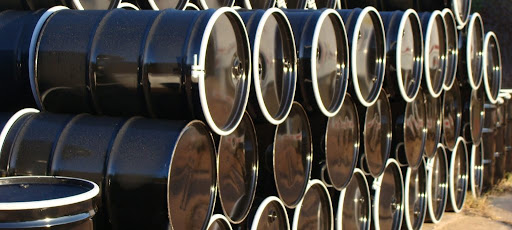
Strategic Applications in Indonesian Infrastructure
When to Choose Penetration Grade 60/70
Urban Secondary Roads: Residential areas and low-traffic municipal roads benefit from the cost-effectiveness of penetration grade bitumen.
Rural Infrastructure: Village access roads and agricultural transport routes where traffic loads remain moderate.
Budget-Constrained Projects: Government initiatives prioritizing coverage over premium performance often specify penetration grade materials.
PMB Applications for Critical Infrastructure
Highway Networks: The Trans-Sumatra highway project increasingly specifies PMB for mainline sections experiencing heavy truck traffic.
Airport Infrastructure: Runway construction requires PMB’s superior load-bearing capacity and temperature resistance.
Industrial Access Roads: Ports, manufacturing zones, and logistics hubs benefit from PMB’s durability under constant heavy vehicle traffic.
Bridge Deck Surfacing: Thermal expansion and contraction make PMB essential for bridge applications.

Bitumen Packaging Solutions for Indonesian Markets
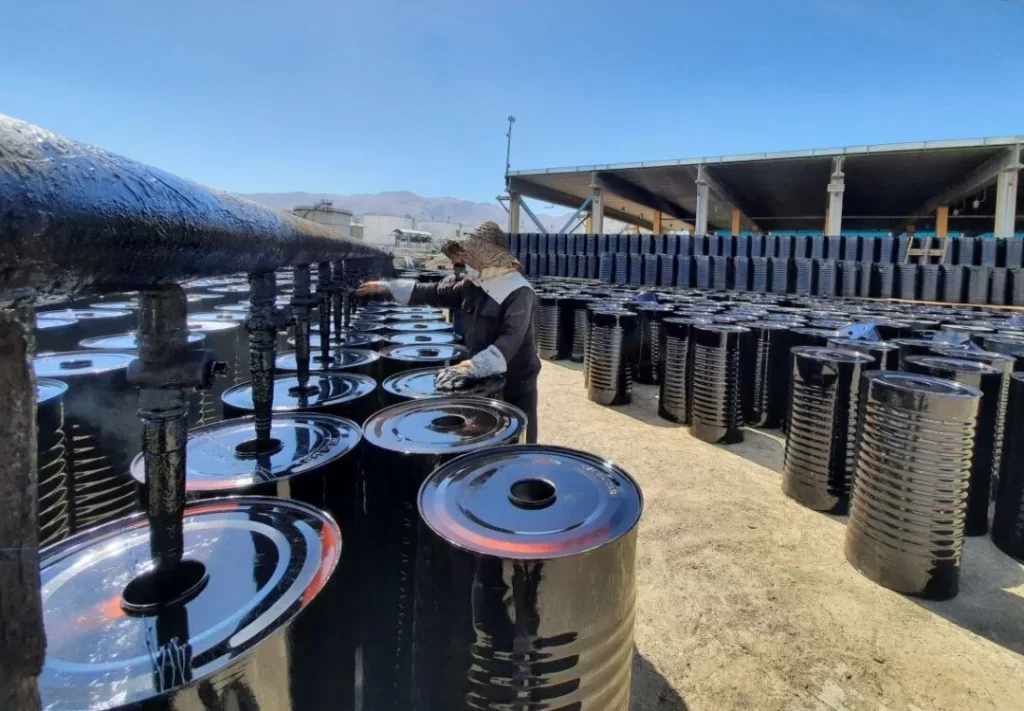
Proper bitumen drum packaging Indonesia ensures material quality throughout the supply chain. Packaging selection impacts handling efficiency, storage costs, and application quality.
Packaging Options and Applications
Steel Drums :
- Ideal for remote project locations
- Easier handling with standard equipment
- Suitable for smaller contractors and specialty applications
Jumbo Bags :
- Efficient for medium-scale projects
- Reduced packaging waste
- Compatible with most heating equipment
Bulk :
- Most economical for large projects
- Direct site delivery minimizes handling
- Requires specialized heating and pumping equipment
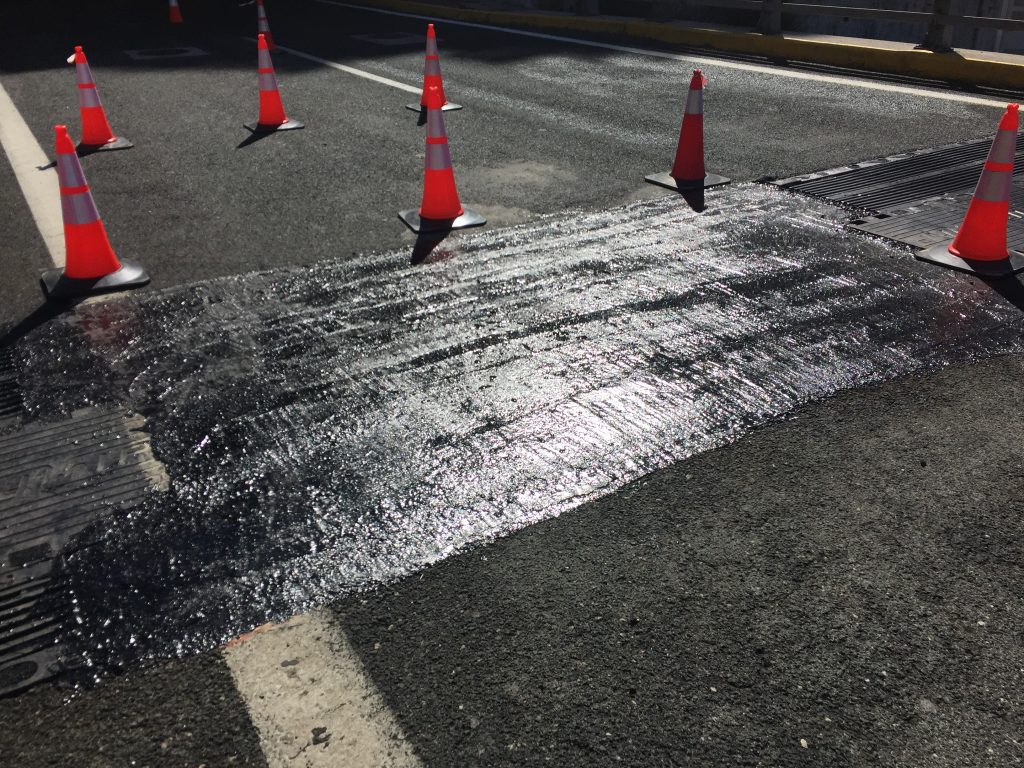
Supply Chain Considerations for Bitumen Import
Companies looking to export bitumen to Indonesia must understand local market requirements and logistics infrastructure.
Market Entry Requirements
Quality Standards: Indonesian National Standards (SNI) specify performance criteria for both penetration grade and PMB materials.
Documentation: Import permits, quality certificates, and environmental compliance documentation are mandatory.
Local Partnerships: Successful market entry often requires partnerships with established Indonesian distributors or contractors.
Logistics Optimization
Port Infrastructure: Major ports in Jakarta, Surabaya, Medan, and Makassar offer specialized bitumen handling facilities.
Storage Facilities: Temperature-controlled storage prevents material degradation in tropical conditions.
Transportation Networks: Indonesia’s island geography requires efficient inter-island shipping capabilities.

Future Trends in Indonesian Bitumen Markets
The Indonesian bitumen industry continues evolving with infrastructure development and environmental awareness.
Emerging Technologies
Warm Mix Asphalt: Technologies reducing mixing temperatures gain popularity for environmental and energy efficiency benefits.
Recycled Materials: Increased use of reclaimed asphalt pavement (RAP) in new construction promotes sustainability.
Bio-Based Modifiers: Research into renewable polymer sources aligns with Indonesia’s environmental commitments.
Market Projections
Indonesia’s National Medium-Term Development Plan (RPJMN) 2020-2024 allocates significant funding for infrastructure development, driving bitumen demand growth of 6-8% annually.
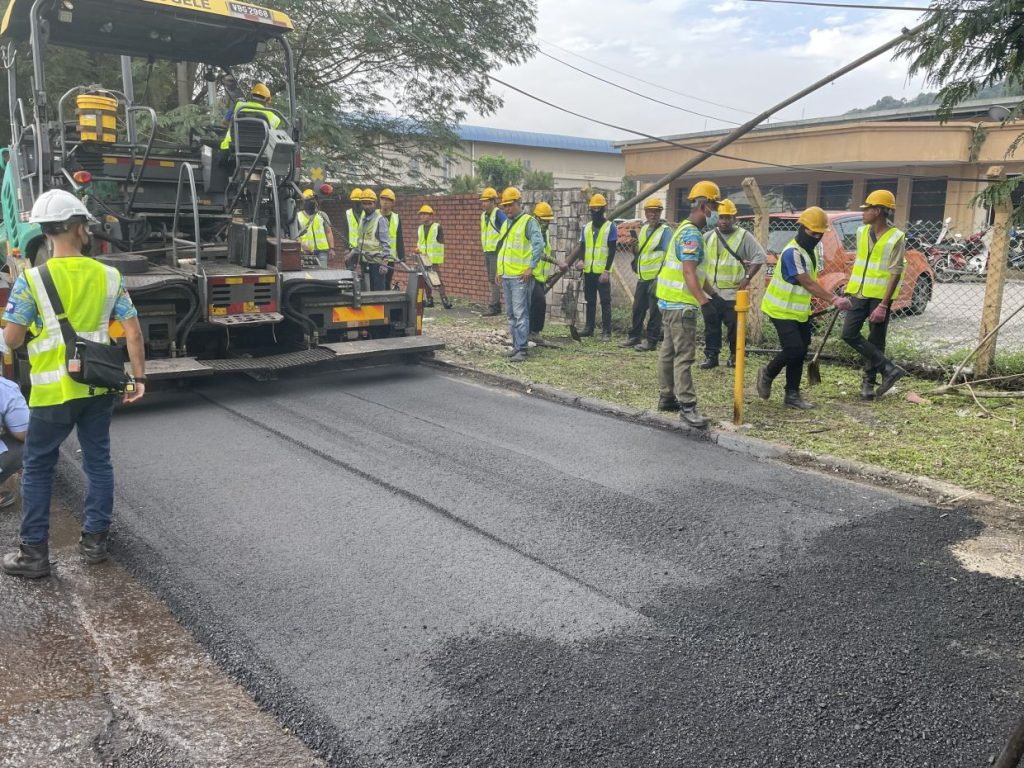
Making the Right Choice: PMB vs Penetration Grade Indonesia
Successful bitumen selection requires balancing performance requirements, budget constraints, and long-term value considerations.
Decision Framework
Traffic Analysis: High-volume, heavy-traffic routes justify PMB investment, while moderate traffic allows penetration grade use.
Climate Assessment: Extreme temperature locations benefit from PMB’s enhanced stability.
Budget Evaluation: Calculate lifecycle costs including maintenance, traffic disruption, and replacement frequency.
Project Timeline: Critical infrastructure requiring minimal downtime favors PMB’s extended service life.
Conclusion
The choice between PMB vs penetration grade Indonesia depends on specific project requirements, climate conditions, and economic factors. While bitumen 60/70 Indonesia remains the backbone of road construction due to its proven performance and cost-effectiveness, PMB increasingly serves critical infrastructure requiring enhanced durability.
Understanding proper bitumen drum packaging Indonesia and supply chain logistics ensures successful project implementation regardless of material choice. As Indonesia continues its infrastructure development journey, both bitumen types will play essential roles in building resilient, long-lasting transportation networks suitable for tropical conditions.
Contractors and suppliers who understand these technical differences and market dynamics will successfully navigate Indonesia’s dynamic bitumen marketplace while delivering superior infrastructure solutions.