The Philippines Bitumen Market Faces Weather and Trade Flow Challenges
The Philippines bitumen market is experiencing unprecedented turbulence in 2025, as unpredictable weather patterns and evolving global trade dynamics create a perfect storm of challenges for industry stakeholders. This vital construction material, essential for road infrastructure and development projects across the archipelago, finds itself at the center of supply chain disruptions that threaten to impact the nation’s economic growth trajectory.
Weather Disruptions Create Supply Chain Bottlenecks
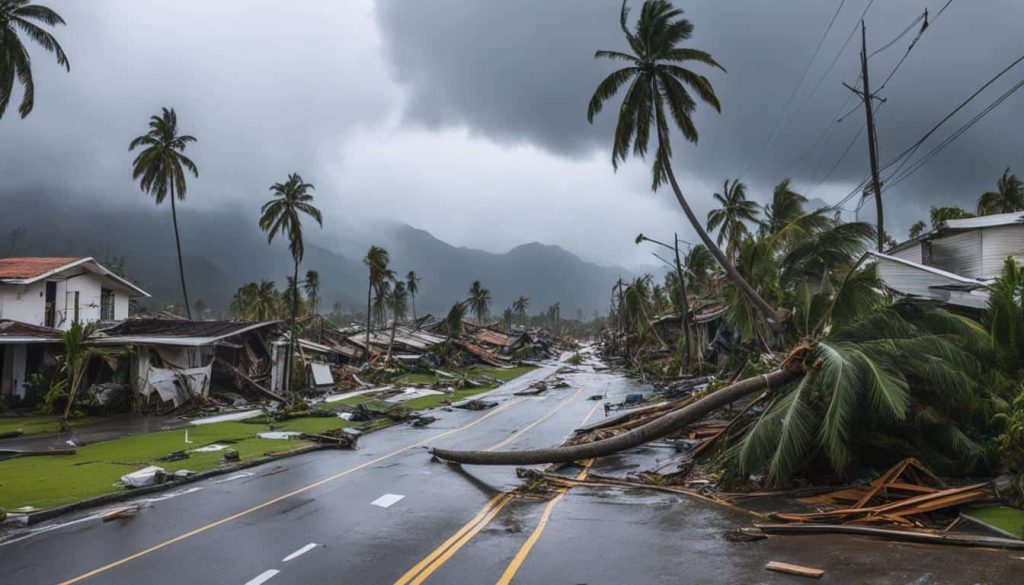
The Philippine archipelago’s geographic location makes it particularly vulnerable to extreme weather events that significantly disrupt bitumen supply chains. Monsoon seasons, stretching from June through November, bring heavy rainfall and widespread flooding that render transportation routes impassable for extended periods. These weather-induced disruptions create cascading effects throughout the supply chain, forcing construction companies to delay projects and seek costly alternative logistics solutions.
Typhoons present an even greater threat to market stability. These powerful storms can devastate storage facilities, damage port infrastructure, and disrupt maritime shipping routes that are crucial for bitumen imports. The unpredictable nature of typhoon seasons makes it nearly impossible for companies to develop comprehensive contingency plans, leading to reactive rather than proactive supply management strategies.
Storage facilities across the country face particular vulnerabilities during extreme weather events. Many existing bitumen storage tanks and terminals lack the structural resilience needed to withstand Category 4 and 5 typhoons, resulting in product losses and extended supply interruptions. This infrastructure vulnerability amplifies price volatility and creates uncertainty for long-term construction planning.
Transportation networks, already strained by the country’s island geography, become even more challenging to navigate during adverse weather conditions. Road networks connecting major ports to construction sites frequently experience flooding, while inter-island shipping faces delays and cancellations during storm systems. These logistical challenges force companies to maintain higher inventory levels, increasing working capital requirements and storage costs.

Shifting Global Trade Flows Reshape Market Dynamics
The Philippines imported $17.4 million worth of petroleum bitumen in 2024, establishing it as the 869th most imported product in the country’s trade portfolio. However, the landscape of international bitumen trade is undergoing significant transformation as geopolitical tensions and policy changes reshape traditional supplier relationships.
China, the United Arab Emirates, and Malaysia have historically served as primary bitumen suppliers to the Philippines market. These established trade relationships developed over decades of consistent supply agreements and favorable pricing arrangements. However, recent geopolitical developments and trade policy modifications are prompting Filipino importers to reconsider their sourcing strategies and explore alternative supplier networks.
Regional trade agreements and diplomatic relationships increasingly influence bitumen procurement decisions. The Association of Southeast Asian Nations framework provides opportunities for enhanced regional cooperation, while bilateral trade agreements with Middle Eastern suppliers offer potential cost advantages. These evolving trade dynamics require companies to balance supply security with cost optimization in their sourcing strategies.
Export opportunities have emerged as an unexpected bright spot in the market landscape. The Philippines experienced an extraordinary 11,000% surge in bitumen exports in 2018, indicating growing recognition of the country’s potential as a regional supplier. This dramatic increase suggests that local refining capacity may be expanding beyond domestic demand requirements, creating opportunities for revenue generation through international sales.
The development of export capabilities presents both opportunities and challenges for market participants. While export growth can provide additional revenue streams and economies of scale, it also creates competition for domestic supply, potentially affecting local pricing and availability during peak construction seasons.
Price Volatility Driven by Global Factors
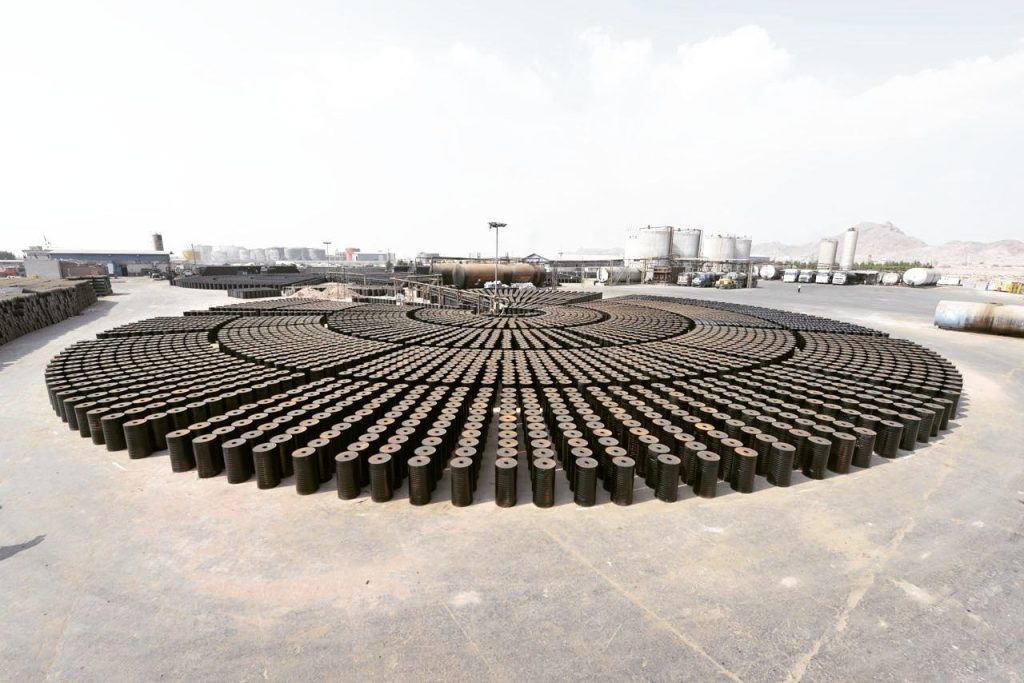
Bitumen pricing in the Philippines remains closely tied to global crude oil markets, as petroleum bitumen represents a direct byproduct of crude oil refining processes. International oil price fluctuations, driven by OPEC production decisions, geopolitical events, and global economic conditions, create immediate impacts on Philippine bitumen costs.
Recent years have witnessed significant crude oil price volatility, with factors ranging from Middle Eastern geopolitical tensions to global economic uncertainty affecting market stability. When crude oil prices increase, refinery production costs rise correspondingly, leading to higher bitumen prices that affect construction project economics across the Philippines.
Local market dynamics add additional complexity to pricing structures. Philippine suppliers must balance global price pressures with domestic market conditions, competitive positioning, and customer relationship management. This balancing act often results in pricing strategies that may not immediately reflect international market movements, creating opportunities for arbitrage but also increasing market unpredictability.
Currency exchange rate fluctuations further complicate pricing dynamics. As bitumen imports are typically denominated in US dollars, peso weakness against the dollar increases import costs for Philippine companies, while peso strength can provide cost advantages. These currency movements can significantly impact project budgets and construction company profitability.

Strategic Responses and Market Adaptation
Industry stakeholders are implementing various strategies to address these multifaceted challenges and build market resilience. Supply source diversification has emerged as a primary risk mitigation strategy, with companies actively exploring new supplier relationships across different geographic regions to reduce dependence on any single source country.
Infrastructure investment represents another critical adaptation strategy. Companies are upgrading storage facilities to meet higher weather resistance standards, implementing backup power systems, and improving inventory management capabilities. These infrastructure enhancements require significant capital investment but provide long-term operational stability and cost savings.
Technology adoption is accelerating across the sector as companies seek to improve supply chain visibility and operational efficiency. Digital logistics platforms enable real-time shipment tracking, while predictive analytics help companies anticipate supply disruptions and optimize inventory levels. Advanced weather monitoring systems provide early warning capabilities that allow for proactive supply chain adjustments.
Strategic partnerships are becoming increasingly important for market success. Companies are developing closer relationships with suppliers, logistics providers, and construction customers to create more resilient supply networks. These partnerships often involve long-term supply agreements, shared risk arrangements, and collaborative planning processes that benefit all participants.
Future Market Outlook
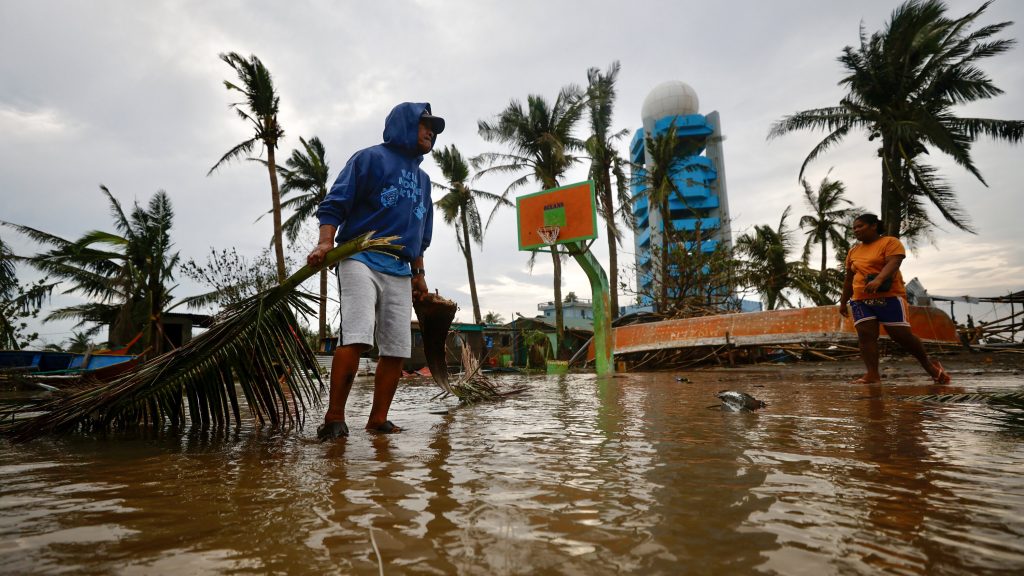
The Philippine bitumen market outlook depends heavily on successful adaptation to these ongoing challenges. Companies that invest in infrastructure resilience, diversify supply sources, and embrace technological solutions are better positioned to thrive in this evolving environment. Government support for infrastructure development and disaster preparedness will also play a crucial role in market stability.
Climate change considerations are becoming increasingly important in long-term planning, as weather patterns become more unpredictable and extreme events more frequent. Market participants must develop adaptive strategies that account for these environmental realities while maintaining operational efficiency and cost competitiveness.
The continued growth of export capabilities presents opportunities for market expansion and revenue diversification. However, success in export markets requires consistent quality, competitive pricing, and reliable delivery capabilities that can withstand domestic supply chain challenges.
Market consolidation may emerge as smaller players struggle to invest in necessary infrastructure upgrades and risk management capabilities. This consolidation could lead to more stable supply arrangements but might also reduce competitive pricing pressure in some market segments.

Conclusion
The Philippines bitumen market faces a complex array of challenges stemming from weather-related disruptions and shifting global trade patterns. Success in this environment requires proactive risk management, strategic investment in infrastructure resilience, and adaptive supply chain strategies. Companies that embrace these challenges as opportunities for competitive differentiation while building robust operational capabilities will be best positioned to serve the growing infrastructure development needs of the Philippine economy. The market’s evolution will ultimately depend on stakeholders’ ability to balance cost efficiency with supply security in an increasingly uncertain global environment.