Kenya’s rapid infrastructure development, including major highway projects and urban road expansions, has created a growing demand for reliable and high-quality paving materials. Among various grades of road bitumen, Bitumen 80/100 has emerged as one of the most preferred types in the country. But why is Bitumen 80/100 so well-suited for Kenyan road construction?
In this comprehensive article, we explore:
-
The properties of Bitumen 80/100
-
Why it fits Kenya’s road climate and traffic needs
-
Packaging options preferred in Kenya
-
How suppliers are meeting growing demand
-
Import trends and sourcing destinations
Let’s dive into the reasons why Bitumen 80/100 is the ideal choice for Kenyan roads.
What is Bitumen 80/100?
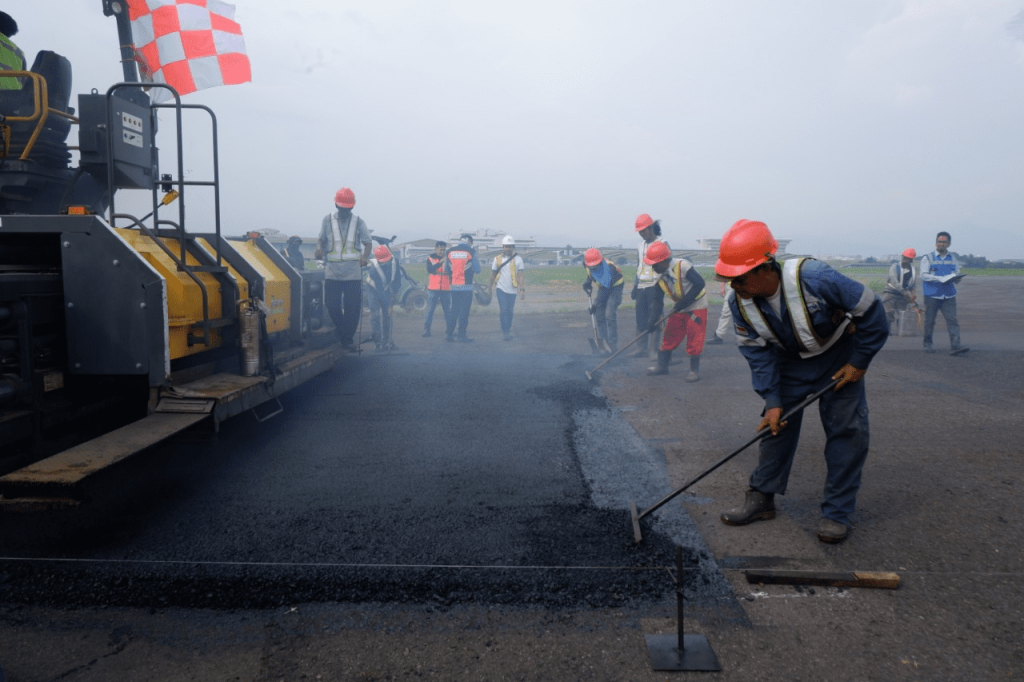
Bitumen 80/100 is a penetration grade bitumen commonly used for road construction and asphalt paving. The numbers 80 and 100 refer to the penetration value, which indicates the hardness or softness of the bitumen. A penetration of 80 to 100 (measured in 1/10th of a millimeter) means that it is moderately soft, making it suitable for temperate climates like Kenya.
Key Characteristics:
-
Penetration Value: 80 to 100
-
Softening Point: Around 45–52°C
-
Viscosity: Ideal for hot mix asphalt
-
Color: Black and shiny
-
Form: Solid at ambient temperature, liquid at high heat

Why Bitumen 80/100 is Suitable for Kenya’s Road Infrastructure
Kenya’s road network spans urban, suburban, and rural areas, with varying traffic intensity and environmental conditions. The country’s tropical climate features moderate to high temperatures but not extreme cold. This makes Bitumen 80/100 particularly well-suited for the following reasons:
Weather Compatibility
Kenya has a tropical climate, particularly along the coast and in the western parts. Nairobi and central regions see mild variations in temperature. Bitumen 80/100 maintains flexibility under such temperature ranges, preventing cracks in cooler seasons and rutting during heat waves.
Traffic Load Resistance
Many Kenyan highways such as the Nairobi-Mombasa Highway and the Nairobi-Nakuru route are heavily trafficked by freight trucks and buses. Bitumen 80/100 provides the right balance of stiffness and flexibility to absorb load without permanent deformation.
Cost-Effectiveness
Compared to harder grades like Bitumen 60/70 or performance-grade modified binders, 80/100 is more cost-effective and widely available. This makes it ideal for government-funded rural and county-level projects with budget constraints.
Ease of Application
Due to its moderate viscosity and softening point, Bitumen 80/100 is easier to mix, transport, and apply in paving operations. This helps contractors in Kenya maintain quality even with limited infrastructure or mobile plants.
Packaging Options for Bitumen 80/100 in Kenya
Efficient packaging is essential for the transportation, handling, and storage of bitumen. In Kenya, the most widely used packaging options for Bitumen 80/100 are:
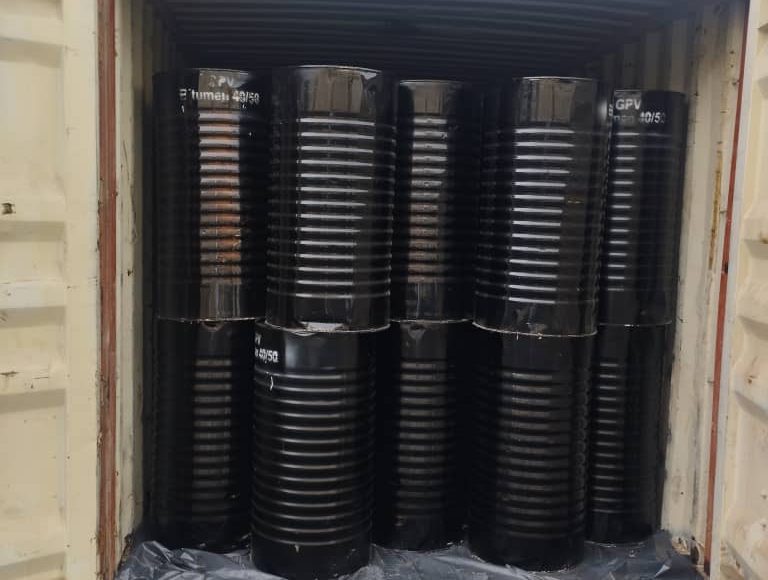
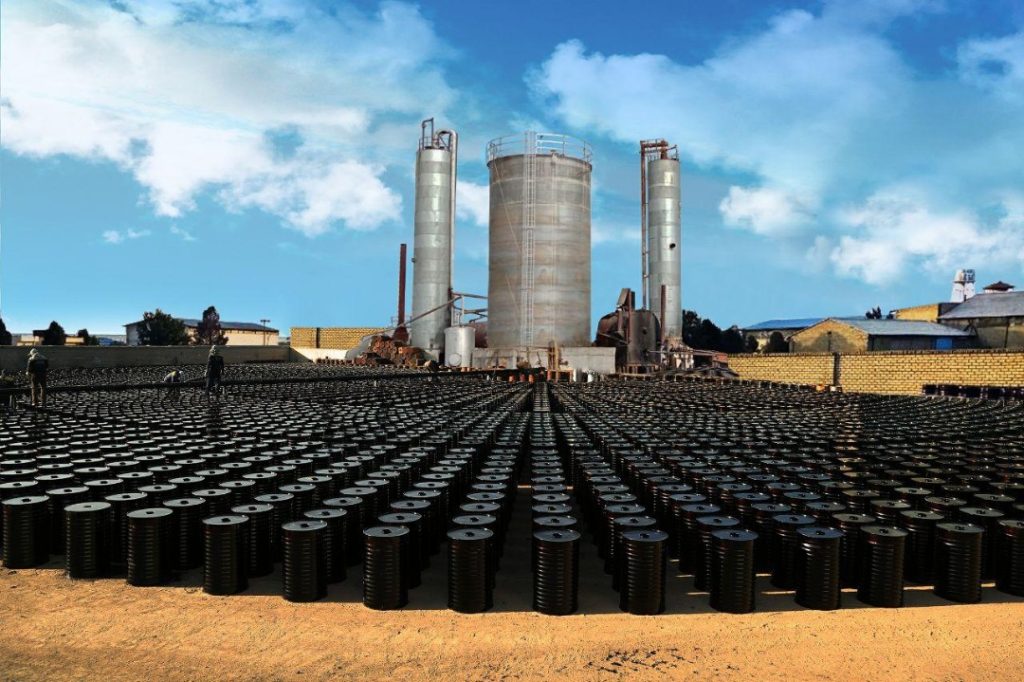
1. New Steel Drums (180–200 kg)
-
Most common format
-
Suitable for manual handling in remote construction sites
-
Resistant to leaks and external contamination
-
Can be stored outdoors
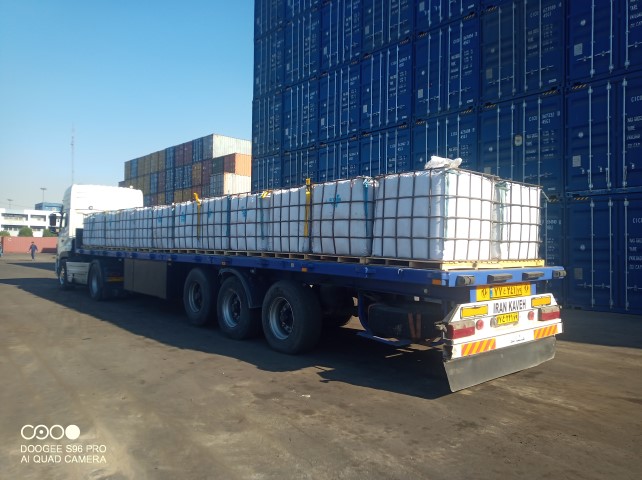
2. Jumbo Bags (Big Bags)
-
Typically 1 MT (metric ton) capacity
-
Increasingly popular for large-scale infrastructure projects
-
Lower packaging cost per MT
-
Easier to load/unload using forklifts or cranes
3. Bulk Bitumen (ISO Tankers / Road Tankers)
-
Preferred for large, continuous projects near main ports like Mombasa
-
Requires special unloading equipment and heated storage tanks
-
Lowest per-ton delivery cost
4. Poly Bags or Bitubags (less common)
-
Lightweight and meltable
-
Mainly used for high-tech or international project specifications
-
Limited local adoption in Kenya
Leading Supply Routes: How Bitumen 80/100 Reaches Kenya
Kenya does not produce bitumen locally at a commercial scale. All of its road bitumen is imported, primarily through the Port of Mombasa. The most important suppliers and supply routes include:
1. Iranian Bitumen
-
Offers Bitumen 80/100 in drums and jumbo bags
-
Competitive pricing and reliable volume availability
-
Popular among private contractors and resellers
2. United Arab Emirates (UAE)
-
Quick lead times from Jebel Ali Port
-
Offers high-purity refinery-grade bitumen
-
Strong presence of UAE-based traders in the East African corridor
3. India
-
Increasing supply of bulk bitumen through Indian oil companies
-
Used primarily for mega government road projects
4. Bahrain and Saudi Arabia
-
Limited but growing volumes
-
Typically bulk shipments
Bitumen Supply Chain in Kenya
The bitumen import and distribution system in Kenya follows a well-organized chain:
Importers and Wholesalers:
- Operate near Port of Mombasa
- Buy in bulk and store in depots
Transporters:
- Deliver bitumen in drums or tankers to interior towns (Nairobi, Kisumu, Nakuru, Eldoret)
Distributors and Dealers:
- Handle regional sales and small-scale supply to contractors
Construction Contractors:
- Final users who apply bitumen in roads, airports, and parking areas
- Government Regulations & Standards for Bitumen in Kenya
- The Kenya Urban Roads Authority (KURA) and Kenya National Highways Authority (KeNHA) enforce strict guidelines for bitumen quality:
KEBS Certification required
- Imported bitumen must meet ASTM D946 or BS EN 12591 standards
- Batch samples often tested for penetration, ductility, and flashpoint
- These regulations ensure that Bitumen 80/100 supplied in Kenya is safe and performance-compliant, further solidifying its popularity among contractors.

Bitumen 80/100 Demand Forecast in Kenya. According to recent infrastructure projections:
- Kenya plans to build or upgrade over 10,000 kilometers of roads by 2030
- Urbanization is driving demand for high-traffic roads and parking lots
- The Lamu Port–South Sudan–Ethiopia Transport (LAPSSET) corridor project is creating major bitumen demand
- This is expected to boost bitumen consumption by 6–8% annually, with Bitumen 80/100 continuing to dominate due to its affordability and wide application.
Advantages of Bitumen 80/100 in Summary
| Feature | Benefit for Kenyan Roads |
|---|---|
| Moderate penetration | Ideal for warm-to-temperate climate |
| Flexibility | Reduces cracking and fatigue |
| Affordability | Fits public budgets and private tenders |
| Availability | Sourced easily from Iran, UAE, and India |
| Packaging versatility | Drums and jumbo bags for all scales |
| Local familiarity | Contractors are trained and equipped to use it |
Final Thoughts: Why Bitumen 80/100 is the Top Choice
Bitumen 80/100 is a trusted, tested, and economical choice for Kenyan road infrastructure. Its performance under local conditions, combined with cost efficiency and global supply availability, makes it the go-to option for:
- Highway paving
- Rural roads
- Urban access routes
- Airport tarmacs
- Industrial site roads
As Kenya continues its ambitious journey toward a world-class transport network, Bitumen 80/100 will play a foundational role in ensuring smooth, durable, and sustainable roads across the nation.