Oil Market Volatility Persists After Ceasefire as Supply Risks and Logistics Disruptions Continue
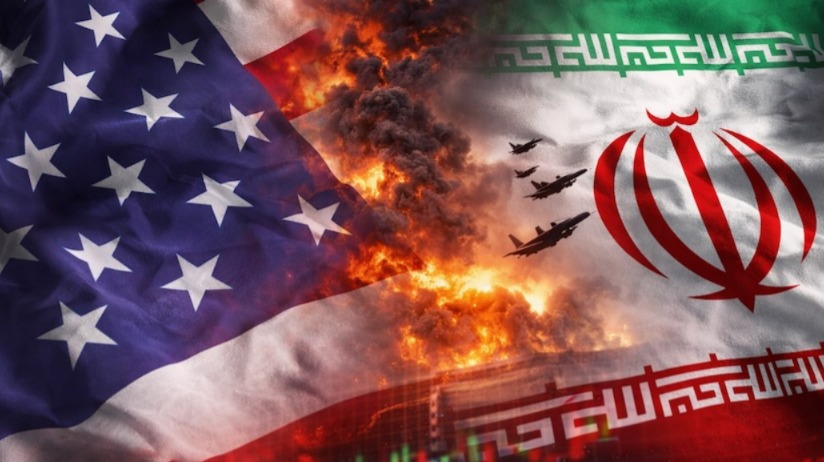
Oil markets reacted quickly to the recent ceasefire between the United States and Iran, but underlying risks continue to keep traders and buyers cautious. While crude prices dropped sharply following the announcement, physical supply chains remain under pressure, preventing a full market recovery.
The current situation highlights a critical divide: financial markets have adjusted rapidly to reduced geopolitical tension, yet real-world oil flows are still constrained by operational, logistical, and security challenges.
Oil Prices Fall, But Market Stability Remains Fragile
Crude prices slipped below $100 per barrel after news of a temporary ceasefire, easing fears of immediate supply disruption. However, the decline does not signal a return to normal conditions.
Analysts note that while futures markets quickly reflect reduced risk expectations, physical oil availability takes much longer to stabilize. Disruptions to shipping routes, delays in cargo movement, and uncertainty among market participants continue to limit supply recovery.
As a result, oil prices remain supported by a lingering risk premium tied to ongoing uncertainty in the region.
Supply Chains Still Strained Despite Reduced Tensions
Even with military activity paused, oil supply chains have not returned to pre-conflict efficiency. The reopening of key transit routes, particularly in the Gulf region, is happening gradually rather than instantly.
Tanker movements remain cautious, and shipping schedules are still affected by earlier disruptions. Delays in cargo loading and unloading are creating bottlenecks that will take weeks — not days — to resolve.
This slow normalization process means that physical oil shortages may persist in the near term, especially in regions heavily dependent on Gulf supplies.

Gap Between Futures and Physical Markets Widens
One of the most notable developments in the current environment is the growing disconnect between paper markets and physical oil trading.
- Futures prices have dropped quickly, reflecting optimism about reduced geopolitical risk.
- Physical crude markets, however, remain tight, with higher premiums and limited availability.
This divergence shows that while sentiment can shift rapidly, actual supply conditions take longer to adjust. Traders are pricing in relief, but refiners and buyers are still dealing with constrained access to barrels.
Cautious Buying Could Tighten Supply Further
Refiners now face a difficult decision: buy immediately at current prices or wait for further declines. Some buyers are delaying purchases in anticipation of lower prices, but this strategy carries risks.
If too many refiners postpone buying while supply remains limited, shortages of refined products could intensify. This could eventually push prices higher again, reversing some of the recent decline.
The timing of procurement decisions is therefore becoming a key factor in shaping short-term market dynamics.
Shipping Risks and Insurance Concerns Persist
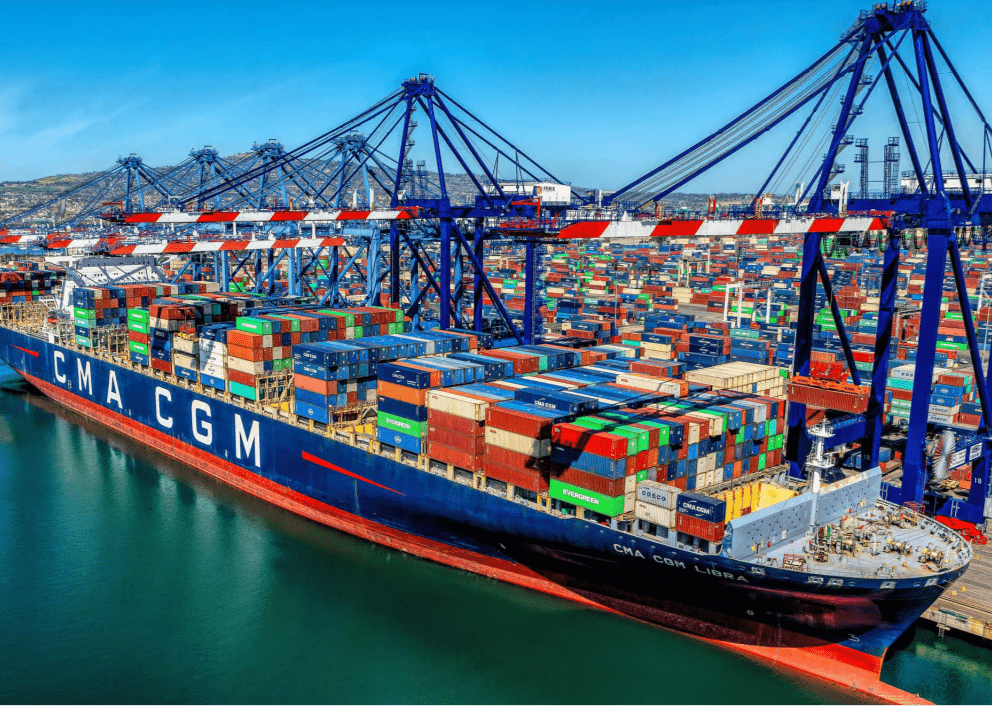
Although the ceasefire has reduced immediate conflict risks, the shipping industry remains cautious. Tanker operators, insurers, and crews are still assessing the safety of routes through key maritime corridors.
Concerns include:
- Potential damage to vessels from previous military activity
- Uncertainty around navigation safety
- Elevated insurance premiums for high-risk zones
Until shipping companies see clear evidence that risks have significantly decreased, activity is expected to recover gradually rather than all at once.
Transit Restrictions and Fees Add New Market Complexity
Another emerging factor is the possibility of controlled access and transit fees in strategic waterways. Market participants are increasingly factoring in scenarios where passage depends on approvals or additional costs.
This creates a more complex trading environment, where access to routes is no longer guaranteed and may involve higher operational expenses.
Such developments reinforce the idea that geopolitical influence over infrastructure can shape oil markets just as much as production levels.

Freight Costs and Physical Premiums Stay Elevated
Even as benchmark crude prices decline, other cost components remain high:
- Tanker freight rates continue to rise due to limited vessel availability and higher risk
- Physical crude premiums remain strong due to tight supply
- Regional price differences reflect uneven access to oil
This combination means that buyers may not fully benefit from lower headline oil prices, as total acquisition costs remain elevated.
Asia Faces Ongoing Supply Challenges
Asian importers are among the most affected by the current disruptions. Many refiners rely heavily on medium-sour crude grades typically sourced from the Gulf region.
However, several challenges persist:
- Delayed shipments from traditional suppliers
- Limited availability of alternative crude grades
- High costs for sourcing oil from distant regions
In addition, cargoes from alternative sources require longer transit times, often taking several weeks to reach Asian markets. This delay prevents immediate relief, even as geopolitical tensions ease.
As a result, Asian buyers are caught between expensive alternatives and disrupted supply lines.
Global Trade Flows Remain Disrupted
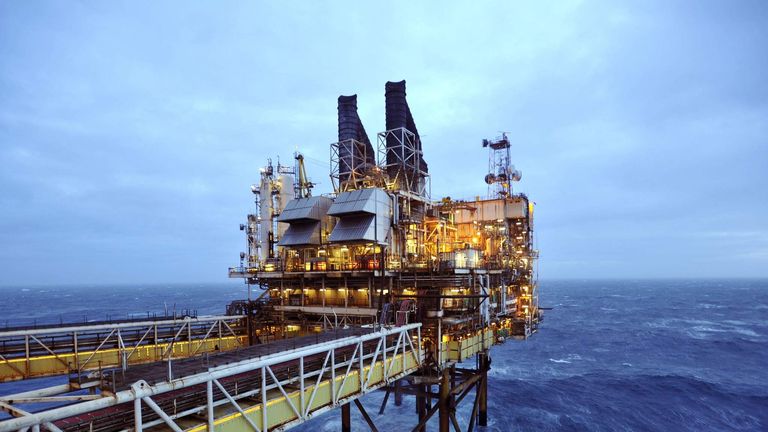
The imbalance between regions is also affecting global crude trade patterns. Price spreads between different benchmarks have widened, making long-distance shipments less economically viable.
This has led to:
- Reduced arbitrage opportunities between regions
- Unsold cargoes in some exporting regions
- Slower overall movement of crude across global markets
Until price relationships normalize, these disruptions are likely to persist.
Short-Term Outlook: Gradual Recovery, Not Immediate Rebound
Looking ahead, oil markets are expected to stabilize slowly rather than rebound quickly. Several factors will determine the pace of recovery:
- Restoration of safe and reliable shipping routes
- Confidence among tanker operators and insurers
- Consistent flow of crude from key producing regions
- Buyer behavior in response to price movements
If these elements improve, supply conditions could gradually ease over the coming weeks. However, any renewed tensions or logistical setbacks could quickly reverse progress.
Conclusion: Risk Premium Remains Despite Ceasefire
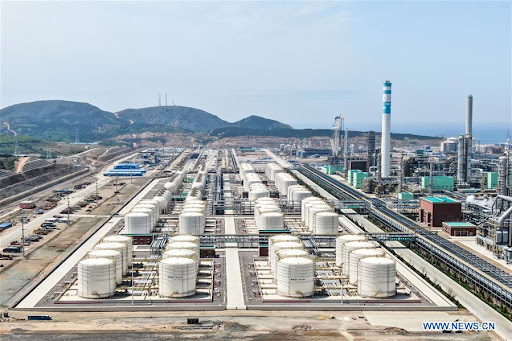
The recent ceasefire has reduced immediate fears of escalation, but it has not eliminated the deeper structural challenges facing oil markets.
Prices may have fallen, but supply chains remain fragile, logistics are still disrupted, and market participants continue to operate with caution.
The key takeaway is clear:
Geopolitical risk can fade quickly in financial markets, but operational risks in physical oil supply take much longer to resolve.
Until shipping flows normalize and confidence returns across the supply chain, oil markets are likely to remain volatile — even in a period of relative calm.