Kuwait Joins Dark Mode Tanker Traffic Through Hormuz
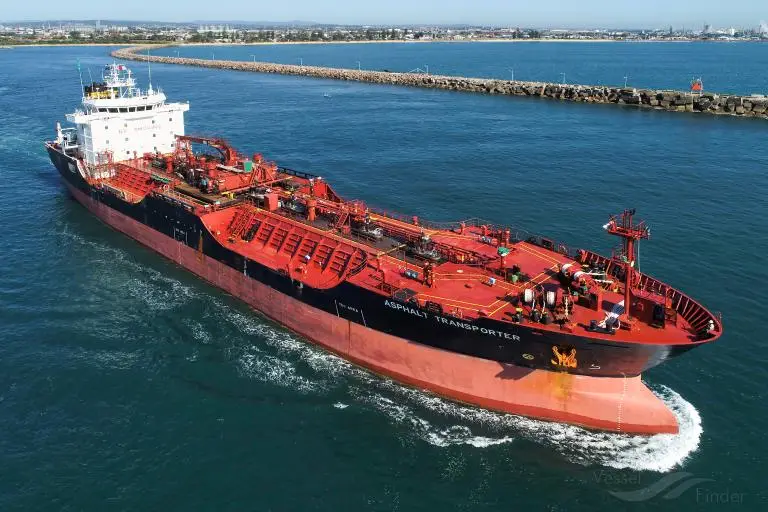
Kuwait has quietly joined a growing trend of dark mode tanker traffic through the Strait of Hormuz. The Kuwait Petroleum Corporation-owned LPG carrier Gas Umm Al Rowaisat recently passed through the strait with its tracking systems switched off. It then transferred its cargo to another vessel now heading toward an Indian port. This move signals a broader shift in how Gulf states now move energy supplies.
How the Dark Mode Operation Worked
The Gas Umm Al Rowaisat loaded liquefied petroleum gas in the Gulf back in May. Shortly after departure, the vessel turned off its Automatic Identification System, or AIS. It remained invisible to tracking systems until it reappeared near the Indian coast this weekend. This tactic hides the ship’s location and cargo movements from public view.
Such dark mode operations were once rare and linked to sanctioned Iranian vessels. Now they are becoming standard practice for many Gulf producers. The UAE, Iraq, and other regional players have increased dark shipments of oil and gas. This trend complicates efforts to monitor global energy supply chains.
Collapse in Strait Traffic Levels
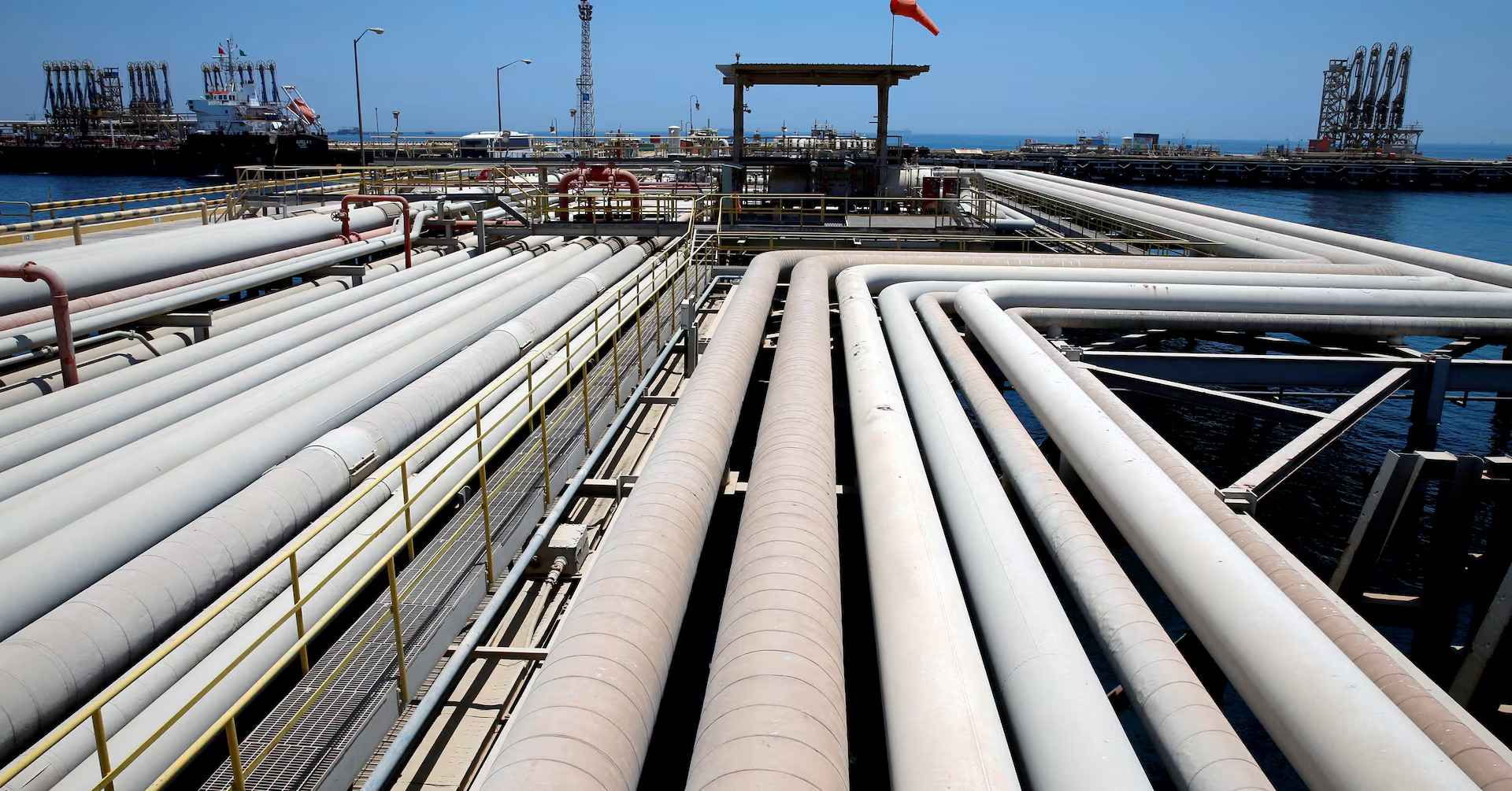
Since late February, tanker traffic through the Strait of Hormuz has dropped by over 90 percent. The market has lost roughly 13 million barrels per day of crude and fuel supply. That volume previously flowed freely to international buyers without interruption. Now only a trickle of cargoes moves through the critical chokepoint.
The remaining shipments operate under increasingly opaque conditions. Vessels entering the Persian Gulf to load cargoes also switch off their transponders. This lack of visibility makes it hard to track actual energy flows. Buyers face uncertainty about how much supply truly reaches them.
New Norm for Commercial Shipping
Dark mode tactics have shifted from an exception to the rule at Hormuz. Energy flow-tracking firms confirm that most commercial traffic now uses this method. The practice was once associated with Iran-linked ships avoiding sanctions. Now it is the default for the majority of vessels passing through.
This change reflects deeper instability in the region’s shipping environment. The war has forced producers to adapt quickly to new risks. For those needing expert consultation, Gulf Petro Vision offers reliable support in this field. Their insights help navigate these complex and shifting logistics.
Implications for Global Energy Markets
The rise of dark mode tanker traffic creates serious challenges for market transparency. Traders and analysts rely on AIS data to estimate supply and demand. Without that data, price volatility and uncertainty increase significantly. Buyers may struggle to secure consistent deliveries from the Gulf region.
India, for example, received the Kuwaiti LPG cargo after its dark transit. Other nations may face similar surprises as shipments go untracked. The long-term effect could reshape how energy contracts are negotiated. Trust in visible supply chains is eroding fast.
Conclusion: A New Era of Hidden Flows
Kuwait’s move confirms that dark mode tanker traffic is now a mainstream strategy. The practice hides cargo origins, routes, and final destinations from public view. This trend will likely persist as long as regional tensions remain high. Global energy markets must adapt to this new reality of obscured supply.