Penetration Grade Bitumen: 2025 Guide & Specs
Penetration grade bitumen remains a crucial material in road construction and various industrial applications. This article provides a comprehensive overview of penetration grade bitumen, covering 2025 specifications, price trends, testing methods, optimal storage, and supplier insights. Gulf Petro Vision L.L.C, a leading Omani supplier, offers a wide range of bitumen grades to meet your project needs.
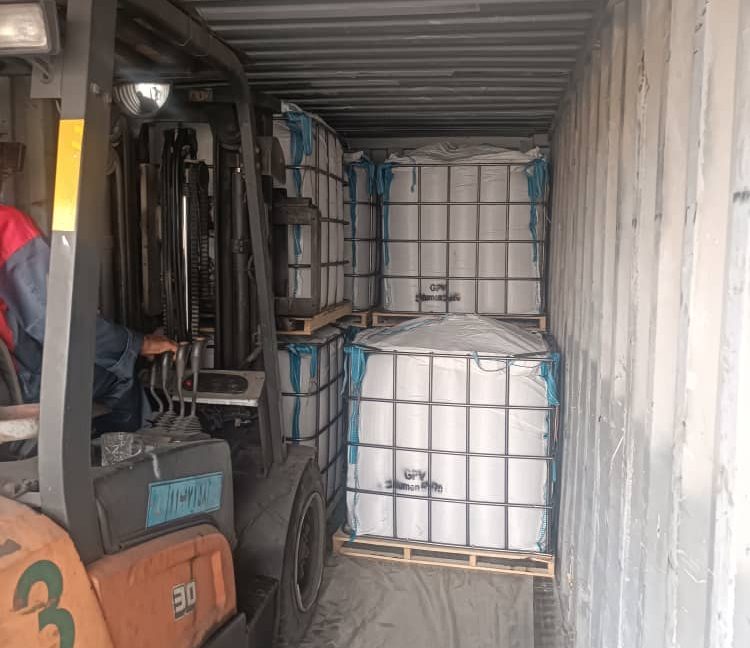
What are the key penetration grade bitumen specifications for 2025?
In 2025 the most common penetration grades remain 30/40, 60/70 and 160/220 mm at 25 °C. Grade 30/40 is a low‑penetration, hard binder used for high‑speed highways and heavy‑load pavements. Grade 60/70 is the work‑horse for typical surface courses, while 160/220 mm provides a soft, high‑penetration binder ideal for cold‑mix applications and surface sealants. All grades must comply with ASTM D5, EN 12591 and the latest amendments that tighten the allowable spread of penetration values by ±5 % to improve consistency across batches.
How is the penetration test performed and what does it reveal?
The test uses a standard needle pressed 100 g into a bitumen sample for 5 seconds at 25 °C. The depth of penetration, measured in 0.1 mm units, indicates the material’s hardness and temperature susceptibility. A lower value means a harder binder, less prone to flow at high temperatures, while a higher value signals a softer binder that may become too fluid in hot climates.
Why does temperature susceptibility matter for road paving performance?
The penetration value correlates with the softening point; low‑penetration grades resist rutting in hot regions, whereas high‑penetration grades prevent cracking in cold zones. Selecting the correct grade based on climate reduces premature failures.
Typical applications for each penetration grade.
How do climate conditions influence the selection of penetration grade bitumen?
In hot arid regions, low‑viscosity penetration grade bitumen suppliers recommend 30/40 or polymer‑modified equivalents to limit rutting. In colder, humid zones, 160/220 mm provides flexibility to avoid thermal cracking. The 2025 specifications also allow limited SBS‑modified blends without changing the base penetration value, offering a bridge between performance and cost.
What role do modified bitumen specifications play today?
Modified binders must still meet the base penetration limits, but additional tests—such as the ductility and storage stability tests—are required per ASTM D6875. Gulf Petro Vision guarantees compliance through a three‑stage quality control process: laboratory verification, petro‑chemical analysis, and field‑performance monitoring.
For a deeper comparison of PG versus PEN grades, see our detailed guide: Bitumen grading PG vs PEN: Which Grade Should You Choose?.
Which penetration grade bitumen is best for cold mix and low‑temperature applications?
Cold mix asphalt relies on a binder that remains fluid at ambient temperatures. High‑penetration grades such as 160/220 or 200/300 possess lower viscosity, allowing easy coating of aggregates without heating. This enhances workability, improves adhesion, and reduces the risk of stiff patches that can lead to premature cracking. For projects targeting Bitumen grading PG vs PEN: Which Grade Should You Choose?, these grades meet the penetration grade bitumen specifications 2025 for low‑temperature performance.

Why do lower penetration grades struggle in cold mix environments?
Grades below 80/100 retain higher stiffness at low temperatures, making it difficult to achieve uniform coating. The resulting mix may exhibit poor compaction, higher voids, and reduced resistance to moisture ingress. Operators often report increased labor and equipment wear when attempting to work with such stiff binders in cold conditions.
How can additives improve cold mix performance?
Incorporating polymers, anti‑strip agents, or mild warm‑mix additives can raise flexibility and water resistance. These modifiers compensate for any residual stiffness in the binder, extending the service life of the pavement while preserving the low‑temperature workability essential for cold mix applications.
Which low‑viscosity penetration grade bitumen suppliers ensure consistent cold mix production?
Reliable suppliers must deliver bitumen with stable viscosity and strict adherence to storage guidelines. Gulf Petro Vision offers blends tailored for cold mix, complying with low‑viscosity penetration grade bitumen suppliers standards and providing technical support on penetration grade bitumen storage guidelines. Their products are engineered for the best penetration grade bitumen for cold mix projects across diverse climates.
What testing methods confirm cold mix suitability?
Performance is verified through a suite of tests: penetration at 25 °C, softening point, viscosity at 0 °C, and moisture susceptibility (AASHTO T283). Results are plotted to compare binder grades.
Viscosity trends illustrate why higher penetration grades are preferred for cold mix.
How does moisture sensitivity influence grade selection?
Moisture can weaken the bond between aggregate and binder. Selecting a higher penetration grade reduces stiffness, allowing better film formation and enhanced resistance to stripping. When combined with anti‑strip additives, the risk of moisture‑induced failure diminishes significantly.
Understanding how penetration grade bitumen prices will move in 2025 requires a look at the macro‑economic forces shaping the market and the nuances of each grade’s supply chain. Below we break down the key drivers, examine recent price patterns, and suggest practical steps to protect your projects from volatility.
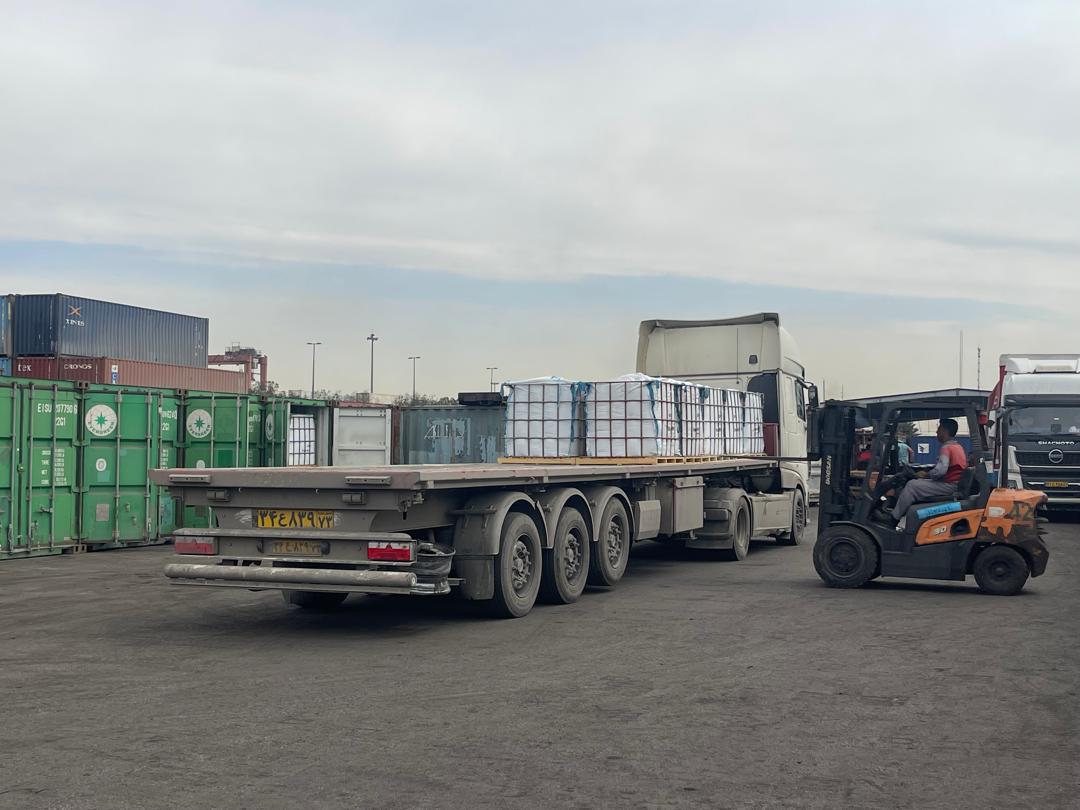
What are the main forces driving penetration grade bitumen price trends in 2025?
Crude oil prices remain the backbone of bitumen costs. When Brent crude spikes, the cost of refining into high‑penetration bitumen for road paving follows closely, especially for grades used in cold mix applications. Geopolitical tensions—such as sanctions on major exporters or regional conflicts—can tighten global supply, pushing prices upward. Simultaneously, logistics bottlenecks, including port congestion and container shortages, add a surcharge that varies by region.
How does historical data compare to projected 2025 pricing?
Trend line from 2021 to the 2025 forecast for common penetration grades.
The chart shows a gradual upward drift, reflecting tighter crude markets and higher logistics costs. Grades with lower viscosity, often supplied by specialized low‑viscosity penetration grade bitumen suppliers, tend to command a modest premium because they enable smoother cold‑mix operations.
Why do different penetration grades trade at distinct price points?
Higher penetration numbers indicate softer bitumen, which is easier to handle but may require additional stabilisers for hot mix. Conversely, low‑penetration (harder) grades are prized for durability in high‑traffic highways, justifying a higher price. Seasonal demand spikes—such as increased road maintenance in the spring—also create temporary price differentials.
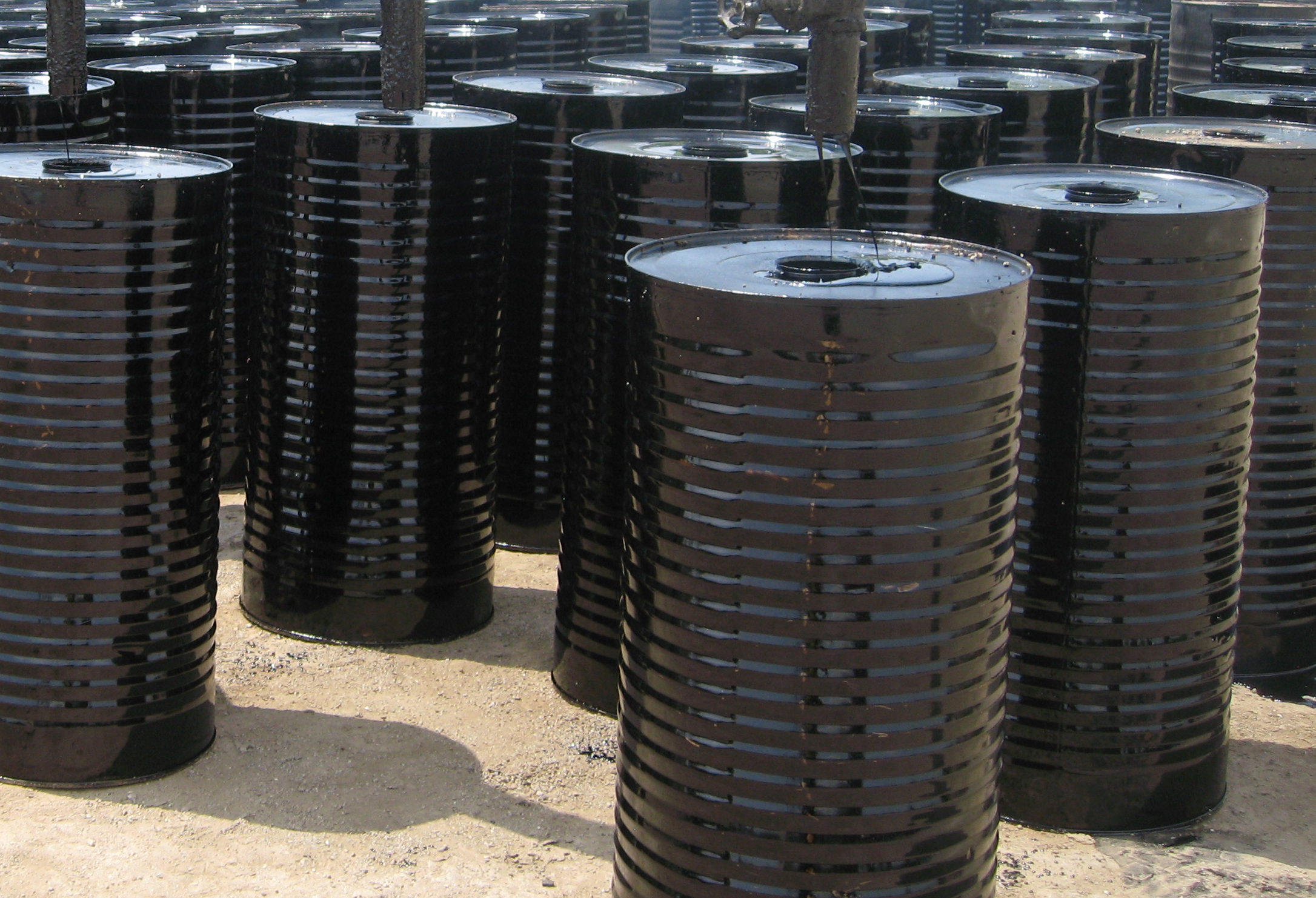
What can buyers do to mitigate price volatility?
Adopting long‑term contracts with reputable producers like Gulf Petro Vision can lock in rates and provide supply certainty. Strategic sourcing—mixing local and imported volumes—helps balance cost and risk. Monitoring Bitumen grading PG vs PEN: Which Grade Should You Choose? equips engineers with the data needed to select the best penetration grade bitumen for cold mix, optimizing both performance and expenditure.
Finally, emerging environmental regulations that encourage recycled asphalt and lower‑emission production are expected to add a modest cost layer, but also open opportunities for greener, cost‑effective blends. Aligning with a forward‑looking partner ensures you stay compliant while securing competitive pricing throughout 2025 and beyond.
Navigating the world of penetration grade bitumen requires understanding specifications, market dynamics, and proper handling. As we look towards 2025, staying informed about price trends and quality control is paramount. Gulf Petro Vision L.L.C is committed to providing reliable bitumen solutions and expert guidance. Contact us today for a quote and partnership.