Bitumen grading PG vs PEN: Which Grade Should You Choose?
Bitumen grading PG vs PEN represents a critical decision in road construction and asphalt paving. Understanding the differences between Performance Grade (PG) and Penetration (PEN) bitumen is essential for ensuring pavement longevity and performance. Gulf Petro Vision L.L.C, a leading Omani bitumen supplier, provides a detailed overview to help importers, traders, and contractors navigate these classifications effectively.
What are the fundamental differences between PG and PEN bitumen grading?
Understanding the core distinctions between Performance Grade (PG) and Penetration (PEN) grading systems is essential for anyone involved in asphalt paving or highway construction. The PEN system, introduced in the mid‑20th century, classifies bitumen by how deep a standard needle penetrates the material under controlled temperature and load. This method captures a snapshot of hardness at a single temperature, usually 25 °C, and has historically served as the reference for road‑building specifications.
The PG system emerged in the early 2000s as a response to the limitations of PEN, shifting the focus from static hardness to performance across a temperature range. PG grades are defined by a minimum high‑temperature performance (e.g., -10 °C for PG 58‑10) and a maximum low‑temperature performance (e.g., +20 °C for the same grade). This temperature susceptibility approach directly ties the grade to real‑world pavement behavior under seasonal extremes.
| Aspect | vs | Aspect |
|---|---|---|
| Measurement Basis | Penetration depth (0.1 mm) at 25 °C | |
| Performance Grade (PG) temperature range | ||
| Key Properties Assessed | Penetration, softening point, ductility | |
| Viscosity, stiffness modulus, thermal susceptibility | ||
| Climate Suitability | Fixed hardness, less adaptable | |
| Tailored to hot and cold climates | ||
| Standard Evolution | Based on historic British Standards | |
| Aligned with ASTM D 6373 and EN 12591 |
The table above highlights the principal differences that engineers and traders encounter when selecting a grade. While PEN provides a simple, quick‑read metric, PG offers a nuanced view that aligns more closely with pavement performance under varying environmental conditions.
How does Bitumen grading PG vs PEN influence material selection?
In hot climates, a PG‑70‑22 grade maintains sufficient stiffness to resist rutting, whereas a PEN‑70 / 100 may soften excessively, leading to premature deformation. Conversely, in colder regions, PG‑58‑10 retains flexibility at –10 °C, reducing cracking risk—a capability that PEN grades cannot guarantee without extensive additive use.
Comparative performance scores illustrate why PG grades often outperform PEN grades across critical pavement criteria.
Why is the PG system becoming the global standard?
Adoption of PG grades has accelerated worldwide because the system directly addresses the performance gaps identified in long‑term pavement monitoring programs. International specifications—such as the “Bitumen grading standards and specifications 2025”—mandate PG labeling for new highway projects in Europe, North America, and the Middle East. The benefits are clear: reduced maintenance cycles, improved rider comfort, and better alignment with sustainable construction goals.
PROS
- Temperature‑responsive performance
- Enhanced durability in extreme climates
- Compatibility with modern additive technologies
CONS
- Requires more detailed testing
- Higher initial specification complexity
For importers and traders, the transition means aligning supply chains with PG‑based contracts, ensuring that the bitumen they source meets the performance criteria demanded by contemporary highway specifications. The “Bitumen grade comparison PG and PEN” is therefore not merely academic—it dictates market competitiveness and project success in an era where pavement resilience is paramount.
How does climate dictate the choice of PG‑graded bitumen?
In modern highway construction the ambient temperature range a pavement will encounter over its design life is the decisive factor for selecting a bitumen grade. The PG (Performance‑Grade) system encodes this information directly into the product name, ensuring that the binder will retain sufficient stiffness at high summer temperatures while remaining flexible enough in winter lows. When engineers evaluate the climate profile of a corridor, they compare the projected extreme temperatures with the PG rating to guarantee long‑term durability.

What do the two numbers in a PG rating like PG 64‑22 really mean?
A PG rating consists of two figures: the first denotes the maximum pavement temperature (in °C) the binder can resist without rutting, and the second indicates the minimum pavement temperature it can endure without cracking. For example, PG 64‑22 is engineered to perform up to 64 °C in summer and down to –22 °C in winter. This dual‑temperature specification aligns with the Superpave testing protocol, which subjects the binder to a series of laboratory evaluations (creep, fatigue, and flow‑number tests) at the defined temperature limits. The results of these tests establish the acceptable performance envelope, forming the basis of the Bitumen grading standards and specifications 2025 that will be adopted globally.
Which PG grades suit hot, temperate and cold regions?
Below is a quick reference that matches typical climate zones with the most suitable PG grades. The chart is generated from regional temperature data and reflects commonly used selections in the Gulf Petro Vision portfolio.
Typical high‑temperature limits for PG grades across climatic zones.
Why does Bitumen grading PG vs PEN matter for climate‑sensitive projects?
While the PEN (Penetration) system provides a single softening point, it does not capture low‑temperature performance. In regions where temperature swings are extreme—or where future climate change is projected to raise summer peaks by 2‑4 °C and increase freeze‑thaw frequency—relying on PEN values alone can lead to premature cracking or rutting. Selecting a PG‑graded binder equips designers with a clear, dual‑temperature capability, directly addressing both current and anticipated climate stresses. This forward‑thinking approach aligns with the emerging 2025 guidelines that encourage incorporating climate‑projection models into material specifications.
How does Superpave testing verify that a PG grade will meet those climate demands?
Superpave (Superior Performing Asphalt Pavement) testing subjects bitumen to a suite of performance‑based examinations at the temperatures identified by the PG rating. The key tests include:
- Dynamic shear rheometer (DSR) for high‑temperature rutting resistance.
- Repeated load fatigue test (RLFT) for intermediate‑temperature cracking.
- Bending beam rheometer (BBR) for low‑temperature stiffness.
The outcomes generate the numerical limits that appear in the PG designation. By adhering to the Superpave methodology, contractors and importers can demonstrate compliance with the 2025 standards and provide confidence that the selected binder will perform as forecasted under both present and future climatic conditions.
In summary, climate considerations are embedded at the heart of the PG grading system. Understanding the dual‑temperature notation, leveraging Superpave test data, and anticipating climate trends empower engineers to make informed choices—whether they are How to choose between PG and PEN bitumen grades for a new highway or planning a 30‑year infrastructure investment that must endure a warming world.

Why is PEN grading still used in many markets?
Even though the Performance Grade (PG) system has become the global benchmark, PEN grading remains entrenched in regions where legacy specifications prevail, such as parts of the Middle East, Africa, and Eastern Europe. Local standards, long‑standing contracts, and the inertia of established testing laboratories mean that suppliers and purchasers continue to reference PEN values. For traders, ignoring this reality can lead to specification mismatches, rejected shipments, and costly re‑testing.
How does the PEN grading scale relate to bitumen consistency?
PEN (penetration) measures the depth (in tenths of a millimetre) that a standard needle penetrates a bitumen sample under a fixed load of 100 g at 25 °C. A lower PEN number indicates a harder, less penetrable binder, while a higher number denotes a softer material. The scale typically runs from PEN 10 (very hard) to PEN 80 (very soft), guiding users on the expected stiffness at moderate temperatures. This single‑point assessment, however, does not capture how the binder will behave across the full range of service temperatures.
What are the limitations of PEN compared to modern PG grading?
The primary shortcoming of PEN grading is its inability to express temperature susceptibility. While PEN tells you how a binder performs at 25 °C, it says nothing about low‑temperature cracking resistance or high‑temperature rutting potential. PG grading, by contrast, defines a performance window (e.g., PG 64‑22) that specifies the maximum and minimum operating temperatures the binder can safely withstand. Consequently, PG provides a more comprehensive risk assessment for highway construction and heavy‑traffic pavements.
How can traders convert between PEN and PG grades?
Conversion relies on empirically derived correlations that link PEN values to the softening point and viscosity required for a given PG grade. A common approach uses the following simplified table:
| PEN Grade | vs | Approximate PG Grade |
|---|---|---|
| PEN 30‑40 | PG 58‑28 | |
| PEN 50‑60 | PG 64‑22 | |
| PEN 70‑80 | PG 70‑16 |
Traders should verify these correlations with laboratory testing, especially when dealing with modified binders or unusual crude sources. Documentation of the conversion method in contracts can pre‑empt disputes.
How does Bitumen grading PG vs PEN influence contract negotiations?
Understanding both systems enables importers and traders to draft specifications that satisfy diverse buyer requirements. When a buyer insists on a PEN grade but the supplier offers only PG‑graded material, the trader can present a conversion chart, highlight compliance with the Bitumen grade selection for importers and traders best practices, and propose a performance‑based clause that guarantees the required temperature range.
Regional adoption rates illustrate why PEN grading remains relevant in certain markets.
In summary, while the Bitumen grading PG vs PEN debate leans toward PG for its comprehensive performance framework, PEN grading still plays a vital role in legacy markets. Traders who master both systems, understand conversion nuances, and communicate clearly with stakeholders will navigate the mixed‑specification landscape with confidence and minimize supply chain disruptions.
Which Bitumen Grade is Best for Highway Construction: PG or PEN?
When a contractor selects a binder for a major highway, the decision hinges on more than just price. The Bitumen grading PG vs PEN debate brings performance, climate resilience, and long‑term maintenance costs into focus. This chapter dissects those factors, offering a clear pathway for engineers and decision‑makers.
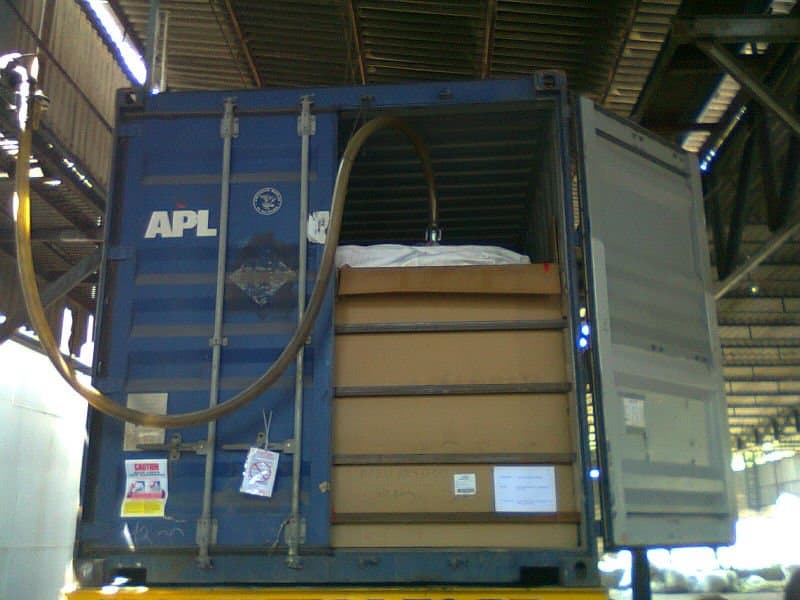
How does PG grading improve pavement performance on busy highways?
Performance‑Grade (PG) bitumen is engineered to meet specific temperature thresholds – the “high” and “low” numbers that denote the maximum summer and minimum winter temperatures it can safely handle. By aligning the binder’s viscosity curve with the expected climate, PG‑graded mixes deliver:
PROS
- Superior rutting resistance under heavy traffic loads.
- Enhanced flexibility that mitigates low‑temperature cracking.
- Predictable ageing behavior, simplifying life‑cycle budgeting.
CONS
- Higher initial material cost compared with PEN.
- Requires precise temperature control during mixing and laying.
These benefits translate into smoother rides, lower maintenance intervals, and ultimately a longer service life for the road.
What are the key differences between PG and PEN in extreme climates?
PEN (Penetration) grades are defined by the depth a standard needle penetrates the binder at 25 °C. While this method has served the industry for decades, it does not directly address the binder’s response to temperature extremes. In regions where summer highs exceed 45 °C or winter lows dip below –15 °C, PG grades provide a clear performance envelope, whereas PEN grades can lead to unexpected softening or brittleness.
Single penetration value onlyDesigned for high traffic volume
Less suited for heavy loadsBetter long‑term durability
Higher susceptibility to age‑related cracking
Where does PG grading shine in highway construction scenarios?
Consider a four‑lane arterial road serving 80,000 vehicles per day in a desert climate. The mix must withstand high‑temperature rutting while remaining flexible enough to handle occasional cold snaps. PG 70‑22, for example, is tailored for 70 °C peak summer temperatures and –22 °C winter lows, delivering a balanced modulus that resists permanent deformation.
Similarly, in mountainous regions where freeze‑thaw cycles dominate, a PG 55‑10 binder maintains enough elasticity to avoid thermal cracking, a frequent failure mode for PEN‑based surfaces.
Performance comparison of PG‑graded versus PEN‑graded bitumen on key highway metrics.
What are the cost implications of choosing PG over PEN?
While PG‑graded bitumen carries a higher upfront price, the long‑term savings from reduced rutting repairs, fewer crack sealing operations, and extended reconstruction intervals often outweigh the initial expense. A life‑cycle cost analysis for a 20‑year design horizon typically shows a 12‑15 % net reduction in total ownership cost when PG is specified for high‑traffic corridors.
How does Gulf Petro Vision support highway projects with PG‑graded solutions?
Gulf Petro Vision leverages decades of expertise in producing consistent, high‑quality PG binders that meet the latest Bitumen grading standards and specifications 2025. Our logistics network ensures timely delivery to remote construction sites, while our technical team provides mix‑design assistance and on‑site performance monitoring. Contractors who partner with us gain confidence that the binder will perform as engineered, reducing risk and enhancing project reputation.
In summary, for highways subject to heavy loads, extreme temperatures, or long‑term service expectations, PG grading offers tangible Benefits of using PG or PEN graded bitumen in highway construction. By aligning binder selection with climatic realities and traffic demands, engineers can deliver safer, smoother, and more durable roadways.
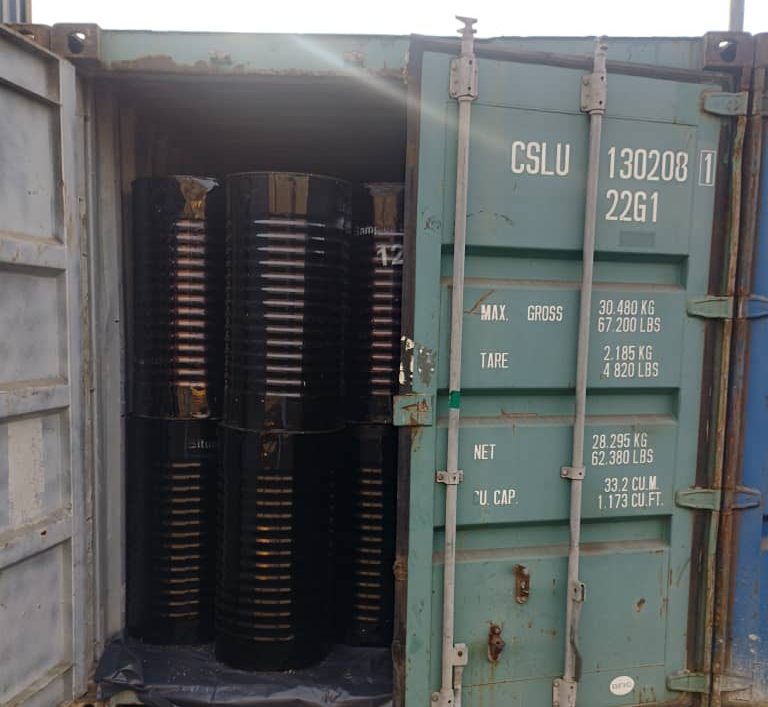
What are the newest Bitumen grading standards and specifications for 2025?
In 2025 the global asphalt industry converges around three flagship codifications: ASTM D 6375 (performance‑grade, PG), AASHTO M 331 (pen‑based, PEN) and EN 12591 (European performance classification). All three have been revised to tighten low‑temperature cracking limits, raise high‑temperature rutting thresholds and embed sustainability metrics such as recycled‑oil content and life‑cycle carbon accounting. Gulf Petro Vision’s laboratories have already aligned test protocols with these updates, ensuring that every shipment meets the tighter 2025 tolerances.
How does the 2025 ASTM PG revision impact high‑speed highway projects?
ASTM D 6375 now defines PG grades by a three‑parameter matrix: minimum service temperature, maximum service temperature, and a newly introduced “sustainability factor.” The sustainability factor caps the use of virgin binder at 30 % for PG‑70, 58, 46 and 34, encouraging the adoption of polymer‑modified bitumen (PMB) and bio‑based modifiers. The revised high‑temperature limit for PG‑70, for example, rises from +70 °C to +76 °C, directly benefiting long‑haul highway construction where surface temperatures regularly exceed 70 °C.
Why is AASHTO’s PEN series being updated for 2025 and what does it mean for contractors?
AASHTO M 331 introduces a more granular viscosity grading, adding PEN 50/70 ± 5 cSt alongside the traditional PEN 40/60. The change reflects field experience that intermediate viscosities better accommodate warm‑mix asphalt (WMA) technologies while reducing thermal cracking risk. Moreover, the 2025 edition requires a mandatory “modified‑binder clause,” obligating at least 15 % polymer content for any PEN > 60, aligning the series with the global push toward higher performance and lower emissions.
What updates are coming from the European EN standards?
EN 12591 is moving toward a unified “EN‑Performance‑Grade” (EPG) system that mirrors the PG concept but incorporates a stricter “recycled‑content quota” of 20 % for all grades above EPG‑55. The new EPG‑70/80 categories also introduce a mandatory laboratory ageing test (Rolling Thin Film Oven Test, RTFO) at 10 % higher temperatures, ensuring binders maintain stiffness under extreme summer conditions.
Comparison of 2025 revision intensity across ASTM, AASHTO, and EN standards.
How are laboratory testing and quality control evolving to meet the new grades?
Testing labs now run a combined suite: Dynamic Shear Rheometer (DSR) testing across the full temperature range, Superpave gyratory compactor (SGC) performance grading, and a mandatory life‑cycle assessment (LCA) model that quantifies CO₂ footprint per tonne of binder. Real‑time viscosity monitoring during blending has also been mandated for all PEN and PG deliveries, providing traceability from refinery to paving site.
What do the 2025 standards mean for bitumen importers and exporters?
Importers must secure certification that each batch complies with the destination country’s prevailing standard—ASTM PG, AASHTO PEN, or EN EPG. Exporters are now required to include a “Standard Compliance Certificate” with every shipment, detailing viscosity, polymer content, and recycled‑material percentages. Regional variations remain: the Gulf states still favour PG grades for desert climates, while North‑American markets increasingly demand PEN 50/70 for WMA projects. Aligning logistics, documentation, and testing protocols with these divergent requirements is now a competitive advantage.
Understanding the nuanced differences between PG and PEN classifications—and how they intersect with the 2025 specifications—empowers contractors, traders, and engineers to select the optimal binder for any climate, traffic load, and sustainability target.

Why does the choice of Bitumen grading PG vs PEN matter for long‑term pavement performance?
The grade of bitumen determines how the binder reacts to seasonal temperature swings and traffic loads. A correctly matched grade maintains stiffness in hot weather—preventing rutting—while staying flexible in cold weather, reducing thermal cracking. Selecting a grade that does not suit the climatic envelope accelerates distresses, shortens fatigue life, and inflates lifecycle costs.
What happens when an unsuitable grade leads to rutting, cracking, or raveling?
When traffic heat exceeds the softening point of an under‑graded binder, the mixture loses shear strength, producing permanent deformations (rutting). Conversely, an over‑graded binder stays too stiff in low temperatures, creating tensile stresses that manifest as longitudinal or block cracking. Both conditions expose the aggregate matrix, causing raveling and loss of surface texture.
Chart compares rutting progression for a correctly graded PG binder versus an underspecified PEN binder.
How does fatigue life relate to the chosen bitumen class?
Fatigue life is the number of load repetitions a pavement can sustain before micro‑cracks coalesce into visible fractures. The binder’s viscoelastic properties, defined by its temperature‑grade, control strain accumulation. A PG‑graded binder that retains enough low‑temperature flexibility distributes stresses more evenly, extending fatigue cycles. Conversely, a PEN binder that is too stiff in the same environment accelerates strain hardening, cutting fatigue life by up to 40 %.
What role does aging and oxidation play in pavement deterioration?
Over years, oxygen and UV radiation harden the bitumen—a process known as oxidative aging. The hardened binder loses its ability to relieve tensile stresses, making cracks more likely. Grading standards such as Bitumen grading standards and specifications 2025 incorporate an aging factor in the performance grades, ensuring the selected binder can tolerate the expected loss of ductility over the design life. Ignoring this factor leads to earlier onset of cracking and higher maintenance frequency.
Can polymer‑modified bitumen improve long‑term durability?
Polymer modification (e.g., SBS, crumb rubber) raises the high‑temperature grade without sacrificing low‑temperature flexibility. This hybrid performance mirrors the best traits of both PG and PEN classifications, delivering superior resistance to rutting and fatigue while moderating oxidative stiffening. For high‑traffic highways, the Benefits of using PG or PEN graded bitumen in highway construction are amplified when a polymer‑modified binder is employed, often resulting in a 25 % reduction in life‑cycle cost.
PROS
- Enhanced temperature resilience
- Extended fatigue life
- Reduced maintenance intervals
CONS
- Higher initial material cost
- Requires careful mixing temperature control
How should contractors monitor performance and plan maintenance?
Implement a routine visual inspection program complemented by non‑destructive testing (e.g., Falling Weight Deflectometer) every 2‑3 years. Track rut depth, crack width, and surface roughness to detect trends early. When data indicate accelerating distress, initiate preventive surface rejuvenation or overlay strategies before the pavement reaches critical failure thresholds.
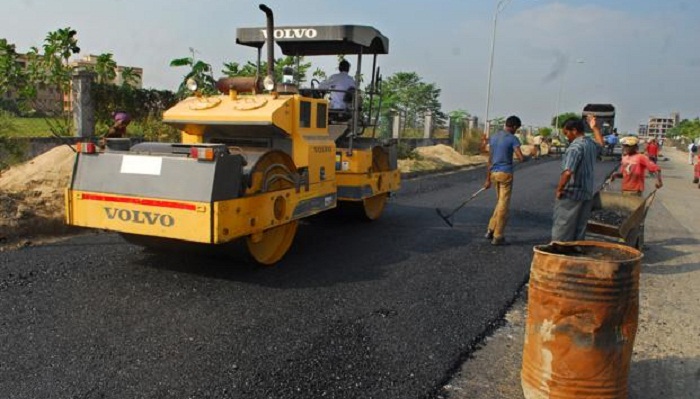
What are the economic implications of choosing the right grade?
Although a higher‑graded PG or polymer‑modified binder may entail a modest upfront premium, the reduction in rutting, cracking, and associated rehabilitation can translate into savings of up to 30 % over a 20‑year design horizon. Accurate How to choose between PG and PEN bitumen grades therefore becomes a strategic investment, delivering lower total‑ownership cost and higher serviceability for highways.
In summary, the long‑term health of asphalt pavements hinges on a disciplined Bitumen grade comparison PG and PEN, aligned with climate, traffic, and aging considerations. Selecting the appropriate grade—potentially enhanced with polymers—maximizes fatigue life, curtails premature failures, and safeguards economic viability.
Successfully navigating Bitumen grading PG vs PEN requires a thorough understanding of performance characteristics and project-specific needs. Choosing the right grade impacts durability, cost-effectiveness, and overall project success. Gulf Petro Vision L.L.C is dedicated to providing high-quality bitumen and expert guidance. Contact us today to discuss your specific requirements and ensure a smooth, successful project.