Iran Warns of Rising Risks in the Strait of Hormuz Amid U.S. Naval Pressure and Oil Market Tensions
Growing Tensions Impact Global Energy Markets
Global energy markets are once again under pressure as geopolitical tensions intensify in the Middle East. Iran has issued a strong warning regarding maritime security in the Strait of Hormuz, a vital corridor for global oil transportation. This development comes amid ongoing friction with the United States over sanctions that continue to restrict Iranian oil exports. As a result, concerns about supply disruptions, oil price volatility, and broader economic instability are rapidly increasing.
In recent years, energy markets have become highly sensitive to geopolitical signals. Even minor developments in key oil-producing regions can lead to immediate reactions in crude prices. The current situation is no exception. With tensions rising, traders, investors, and governments are closely monitoring the region for any signs of escalation that could disrupt oil flows.
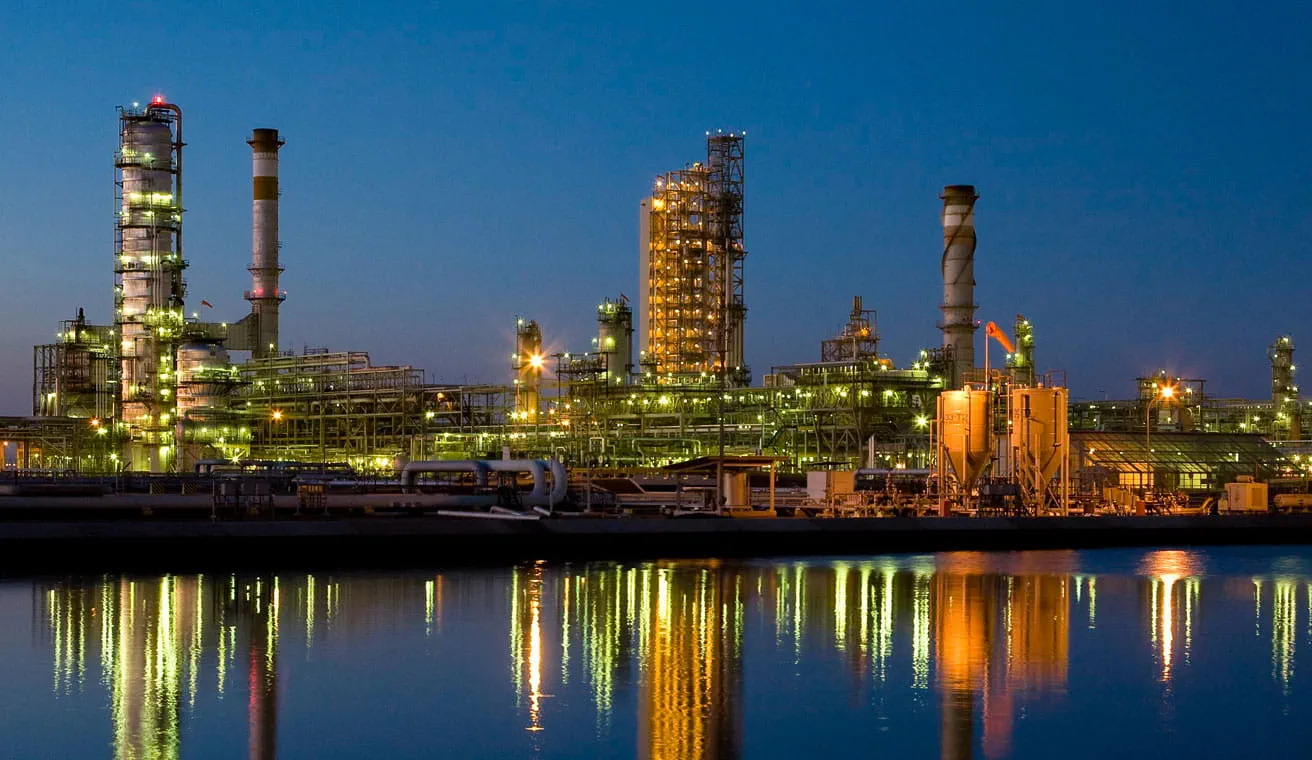
Iran Links Maritime Security to Oil Sanctions
Iran’s First Vice President, Mohammad-Reza Aref, has made it clear that maritime security cannot be separated from economic conditions. According to his remarks, ensuring safe passage through the Strait of Hormuz requires cooperation and fairness among all stakeholders. He stressed that it is unrealistic to expect Iran to guarantee the safety of international shipping while its own oil exports remain restricted by external pressures.
This position reflects a broader strategy by Iran to link regional security to economic policy. By doing so, Tehran is sending a message that sanctions and military presence in the region are directly contributing to instability. The implication is clear: without changes to current policies, risks to global shipping and energy markets will continue to grow.
A Clear Message to Global Markets
Iran’s warning delivers a direct message to global energy markets. The country is effectively presenting a choice: either maintain open and fair access to oil markets for all producers or face increasing uncertainty and higher costs. This stance underscores the interconnected nature of geopolitics and energy economics.
Market participants understand that disruptions in the Strait of Hormuz can have immediate consequences. Therefore, Iran’s statements are not just political—they carry real economic weight that can influence trading behavior and investment decisions worldwide.
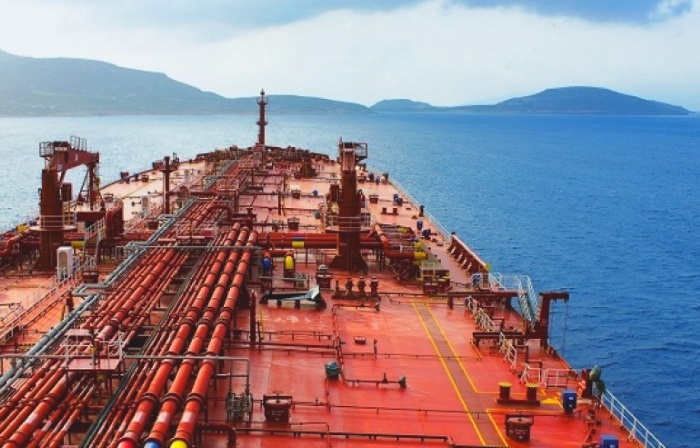
Why the Strait of Hormuz Matters
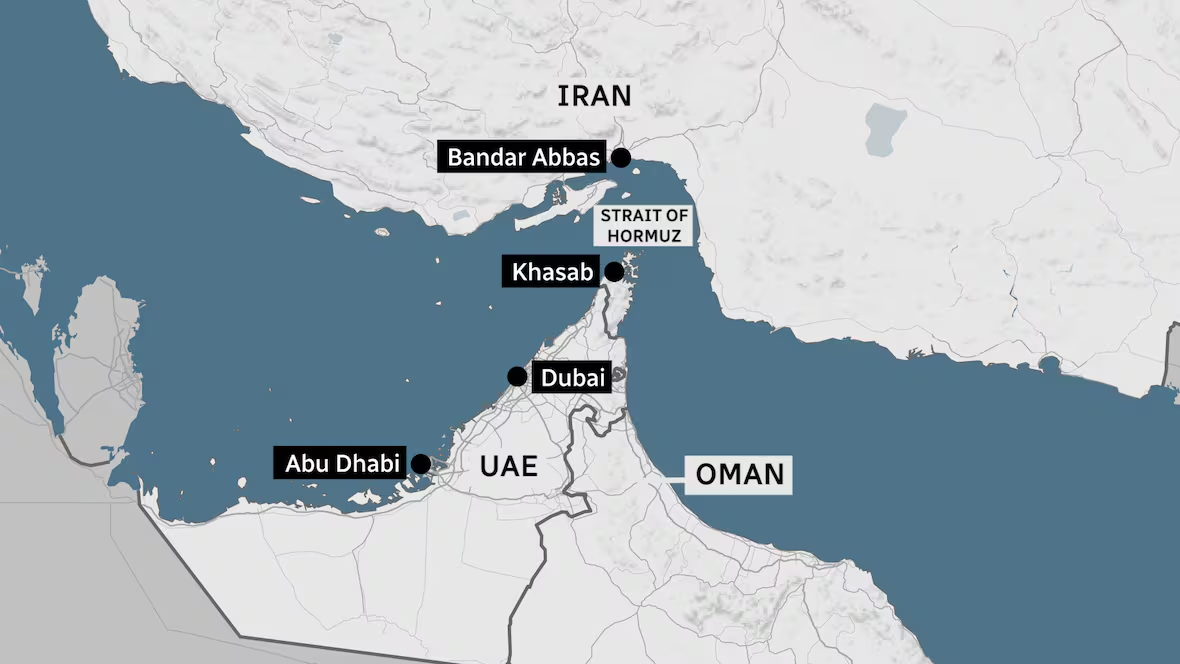
The Strait of Hormuz is one of the most strategically important waterways in the world. It serves as a critical gateway for oil exports from major producers such as Saudi Arabia, Iraq, the United Arab Emirates, and Kuwait. A significant portion of the world’s daily crude oil supply passes through this narrow channel, making it essential for maintaining global energy stability.
Because of its importance, any disruption in the strait can quickly impact global markets. Even the threat of closure or instability can lead to price spikes, as traders factor in the risk of reduced supply. This makes the strait a focal point for geopolitical tensions and a key driver of oil market dynamics.
Immediate Impact on Oil Prices
Oil prices are highly responsive to developments in the Strait of Hormuz. Recent events have demonstrated how quickly market sentiment can shift. After a brief decline driven by optimism about easing tensions, prices rebounded sharply following renewed instability.
Such volatility highlights the fragile balance between supply and demand in global energy markets. When supply routes are threatened, even temporarily, the impact on prices can be significant. This creates uncertainty for businesses, governments, and consumers alike.
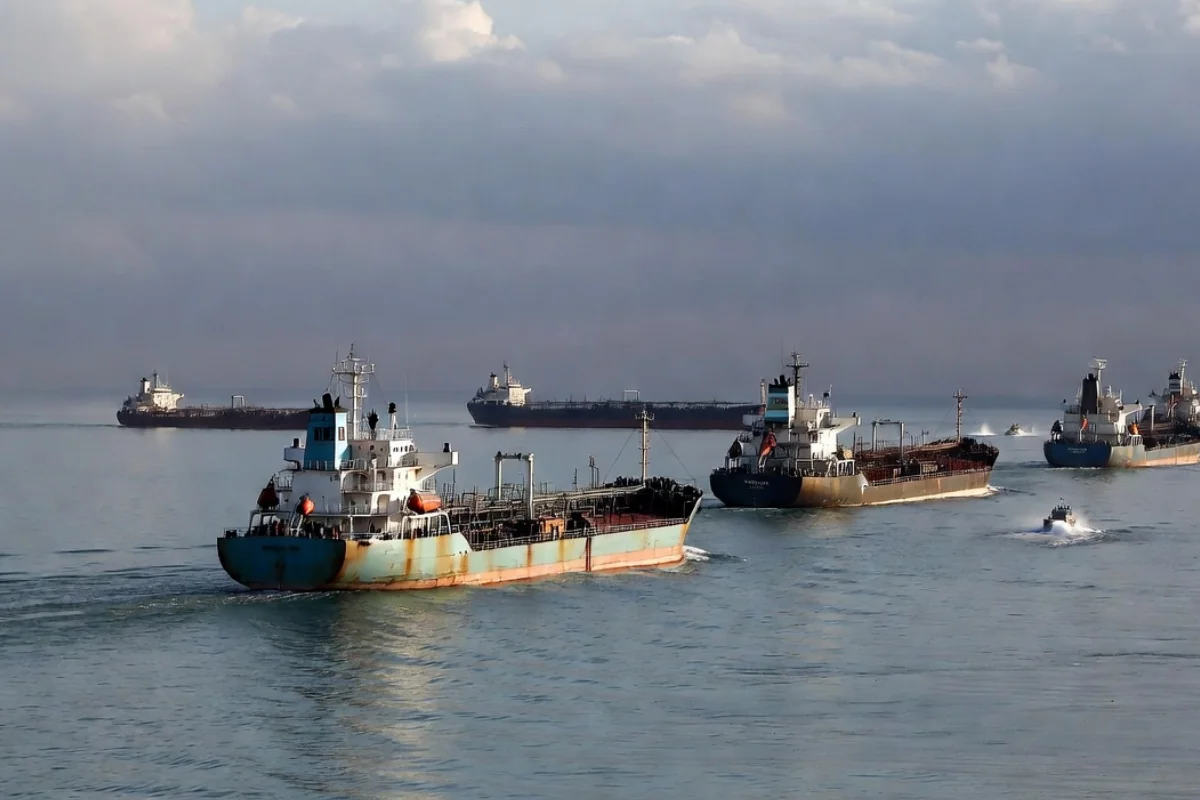
Escalation After Brief Calm
The situation in the region has been marked by rapid changes. A short period of relative calm led to speculation that the Strait of Hormuz might reopen fully. However, this optimism was short-lived. Tensions quickly escalated again, driven by disagreements over military presence and economic restrictions.
Iran reportedly linked the reopening of the strait to the removal of U.S. naval forces operating nearby. This move highlights how access to critical infrastructure is being used as leverage in broader geopolitical negotiations. It also underscores the complexity of the situation, where military, economic, and political factors are deeply intertwined.
Vessel Interception Raises Concerns
The interception of an Iranian vessel by U.S. forces further intensified the situation. The United States claimed that the vessel was attempting to bypass restrictions, while Iran viewed the action as an escalation. This incident added to market uncertainty and contributed to rising oil prices.
Such events demonstrate how quickly tensions can escalate in the region. Each new development increases the risk of miscalculation, which could lead to further disruptions in global oil supply.
Shipping Risks and Market Reactions
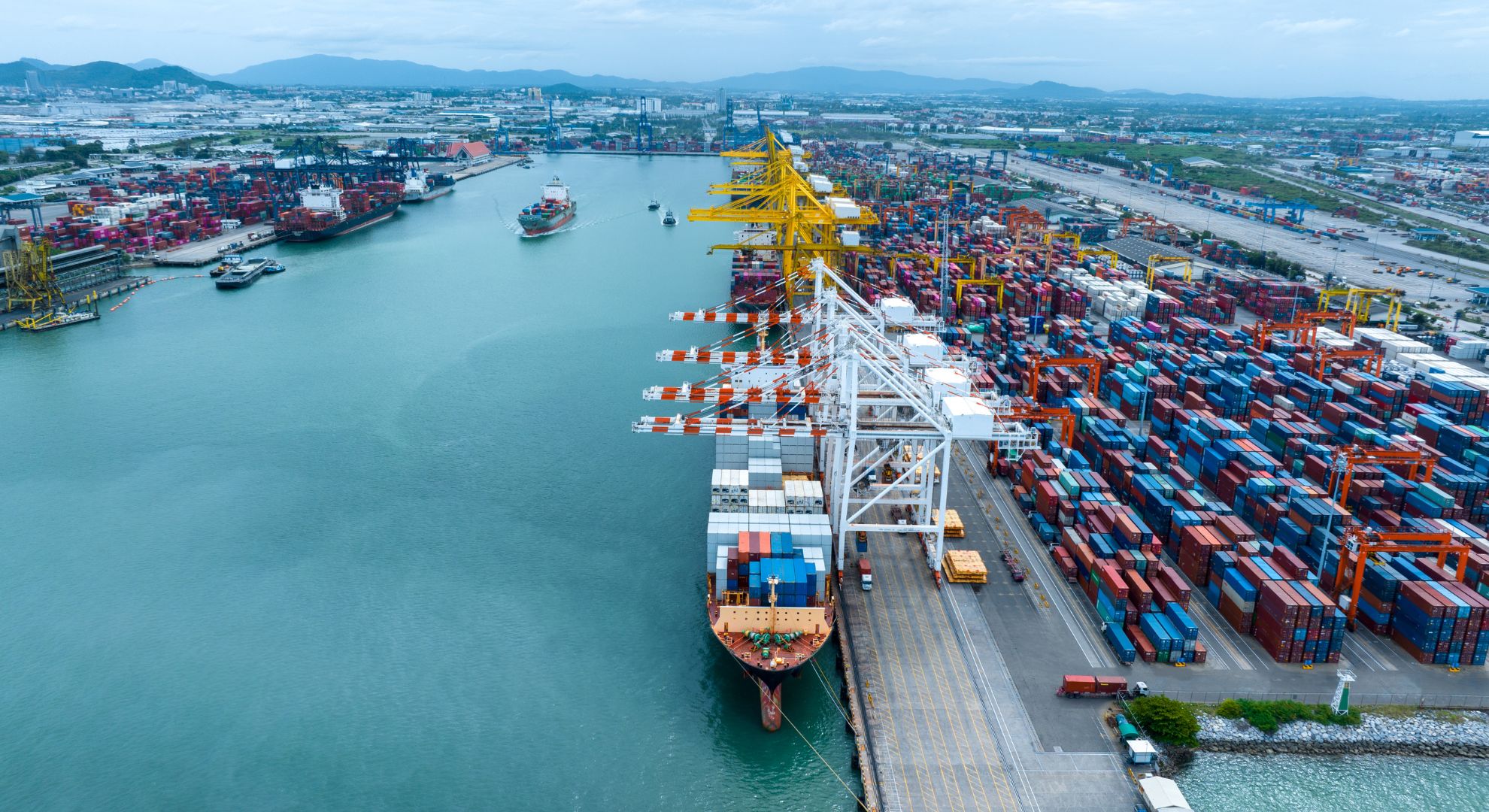
Maritime safety in the region has deteriorated significantly, according to Windward. Their analysis points to several concerning trends, including rerouting of vessels, increased risk of attacks, and a general decline in shipping activity.
Shipping companies are becoming more cautious, adjusting their routes to avoid high-risk areas. While this helps reduce immediate danger, it also increases transportation costs and delivery times. These additional costs are often passed on to consumers, contributing to higher prices for goods and services.
Declining Confidence in Maritime Security
The reduction in shipping activity reflects a broader loss of confidence in the region’s security. When companies perceive higher risks, they are less likely to operate in affected areas. This can lead to supply chain disruptions and reduced availability of essential resources.
For global energy markets, this trend is particularly concerning. Reduced shipping activity in key transit routes can limit the flow of oil, tightening supply and driving up prices.
Threats to Alternative Oil Routes
The risks are not limited to the Strait of Hormuz. Iran-aligned groups have also threatened to disrupt the Bab el-Mandeb Strait, another crucial shipping lane connecting the Red Sea to global markets. This route serves as an important alternative for oil shipments, particularly for exports heading toward Europe.
If both routes were to face disruptions simultaneously, the impact on global energy supply would be severe. Such a scenario would leave limited options for rerouting shipments, increasing the likelihood of significant price spikes.
Global Economic Implications
The implications of these developments extend far beyond the energy sector. Oil prices play a central role in the global economy, influencing transportation costs, manufacturing expenses, and inflation rates. As prices rise, the effects are felt across multiple industries.
Increased energy costs can slow economic growth, particularly in countries that rely heavily on imported oil. At the same time, higher prices can strain household budgets, reducing consumer spending and affecting overall economic stability.
The Need for Stability and Cooperation
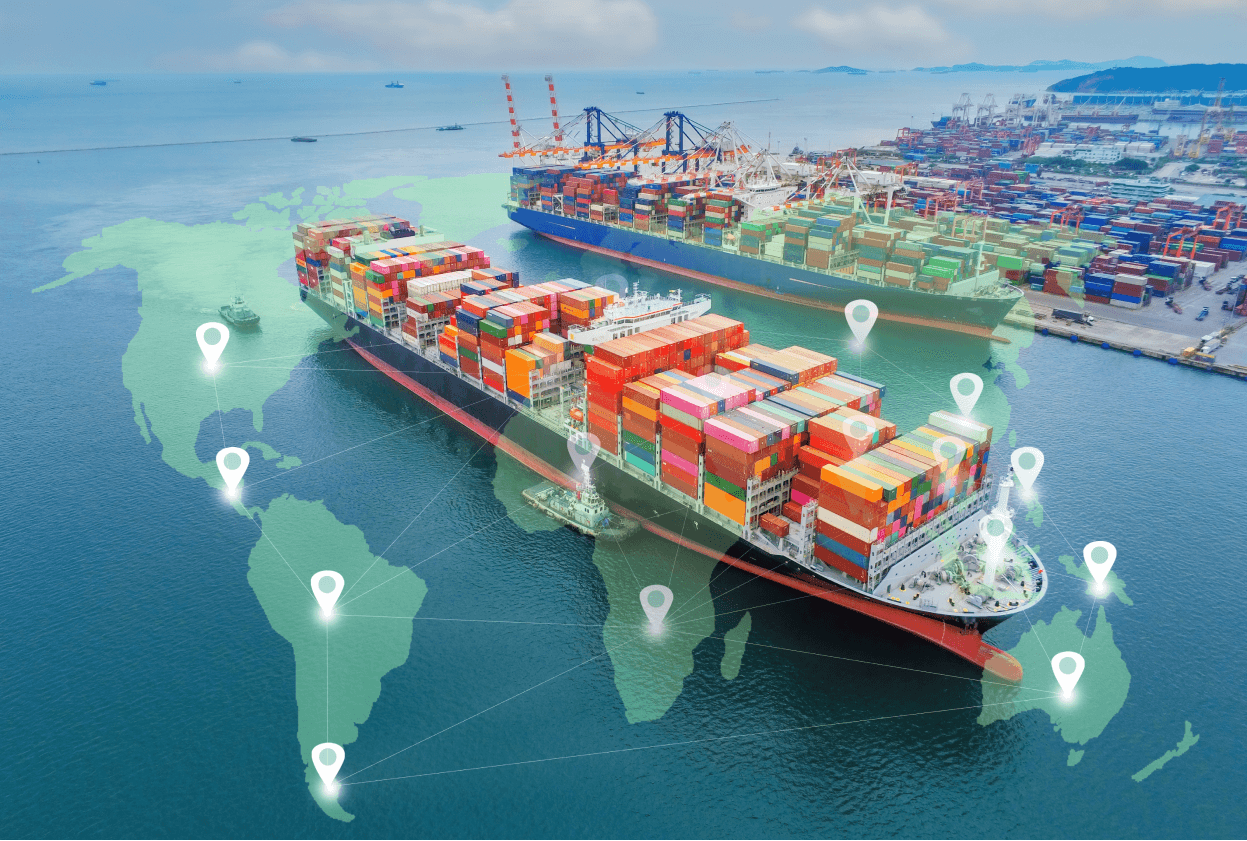
The Strait of Hormuz is more than just a regional asset—it is a global lifeline. Ensuring its stability requires cooperation among a wide range of stakeholders, including governments, international organizations, and private companies.
Efforts to reduce tensions and promote dialogue are essential for maintaining secure shipping routes. Without cooperation, the risk of disruption will remain high, with potentially serious consequences for the global economy.
Iran’s Strategic Position
Iran’s approach reflects its broader strategy of linking economic and security issues. By tying maritime stability to sanctions, the country is attempting to shift the conversation toward a more comprehensive resolution of its challenges.
This strategy adds complexity to diplomatic efforts. Resolving the situation will likely require addressing both security concerns and economic restrictions simultaneously, making negotiations more difficult.
Outlook: Uncertainty Remains High
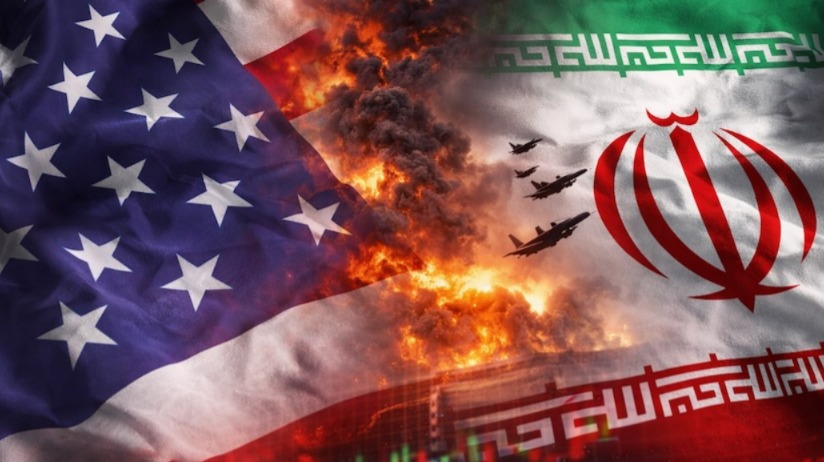
Looking ahead, the situation remains unpredictable. While diplomatic efforts may help reduce tensions, progress is expected to be gradual. In the meantime, the risk of further incidents remains high, particularly in areas where military and commercial interests overlap.
Energy markets will continue to react to developments in the region. Analysts are closely monitoring potential scenarios, ranging from limited disruptions to more severe supply shocks. Companies involved in shipping and logistics are also adapting their strategies to manage risk.
Conclusion
The latest warning from Iran highlights the fragile balance between geopolitics and global energy markets. Tensions in the Strait of Hormuz are once again driving uncertainty, influencing oil prices, and raising concerns about supply security.
As the situation continues to evolve, the importance of stable and secure shipping routes cannot be overstated. The future of global energy markets will depend largely on how these tensions are managed and whether cooperation can be achieved in one of the world’s most critical regions.