Bitumen Market Overview 25 March 2026
Global Geopolitical Update
Geopolitical tensions in the Middle East drove Brent crude volatility from 16–22 March. Attacks around the Strait of Hormuz, including the South Pars gas field incident on 18 March, raised fears of supply disruption from a region handling ~20% of global oil exports. U.S. threats to restrict shipping and potential Gulf involvement kept risk premiums high. Temporary pauses in conflict eased pressure briefly, but ongoing attacks and tanker restrictions kept Brent mostly over $100/bbl as traders priced in persistent supply risk.

Global Bitumen Market Update
Mediterranean cargo prices strengthened as escalating Middle East tensions lifted crude and HSFO prices. Prices for deliveries to West and South Africa rose sharply. Singapore marine bitumen prices increased further, reaching a more than three-year high due to tight supply from force majeure declarations and reduced Southeast Asian production. Iranian exports remained largely halted, as tensions kept market participants cautious. Vessel owners and crews were concerned about security risks in the Strait of Hormuz and across the Persian Gulf.

East Asia Market Overview
Singapore bitumen prices rose further to a more than 3-year high due to tight supply, force majeure, and reduced production. Supply remained constrained, with some refineries unable to meet Apr commitments. Offers reached $620/t FOB. Higher prices forced S.East Asian buyers to focus on urgent needs. Also in Malaysia demand is expected to decline due to the holiday and completion of major road projects. In Indonesia demand was weak and activity slowed for the Eid holiday. Firm offers were scarce due to volatility. Higher import prices may delay project restarts, as costs exceed budgets.
In Thailand supply was tighter than expected, potentially creating short-term import demand. Exports remained limited after force majeure by IRPC and PTT.
Consumption remained low due to a lack of new projects in Vietnam. Most importers had sufficient stocks, and Apr demand was limited.
Rising crude pushed up domestic bitumen prices in China, while refinery output dropped due to feedstock uncertainty. Exports are set to fall sharply in Mar–Apr despite higher crude imports. Limited southern China imports and tight S.East Asian supply supported prices, and export prices rose, with some traders considering releasing stored cargoes for better margins.
Africa Market Overview
West Africa
Strong demand in Nigeria continued to drive West African imports, supported by higher crude and diesel prices. Dry-season road construction boosted terminal offtake, while some projects in Burkina Faso slowed due to limited truck supply from Abidjan.
East Africa
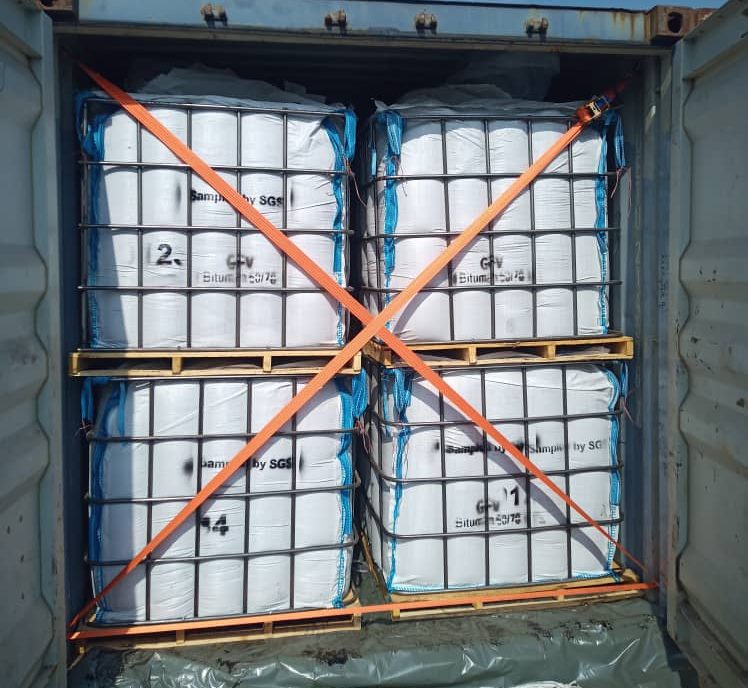
Freight rates to East Africa rose by $55/t, while Iranian export prices increased by $35/t, lifting drummed cargo prices. Despite this, exports were largely halted due to regional tensions and security risks in the Strait of Hormuz. The South Pars attack further disrupted supply, raising risks of prolonged VB shortages and logistical challenges.
South Africa
Most cargoes are expected from Europe due to limited availability of Gulf shipments. Suppliers with new arrivals sought sales in domestic and export markets, with most volumes stored and some used for more active road projects in March.
Middle East Market Overview
Bahrain
Prices held steady at $550/t FOB Sitra, with weak exports. The refinery declared force majeure.
Iran
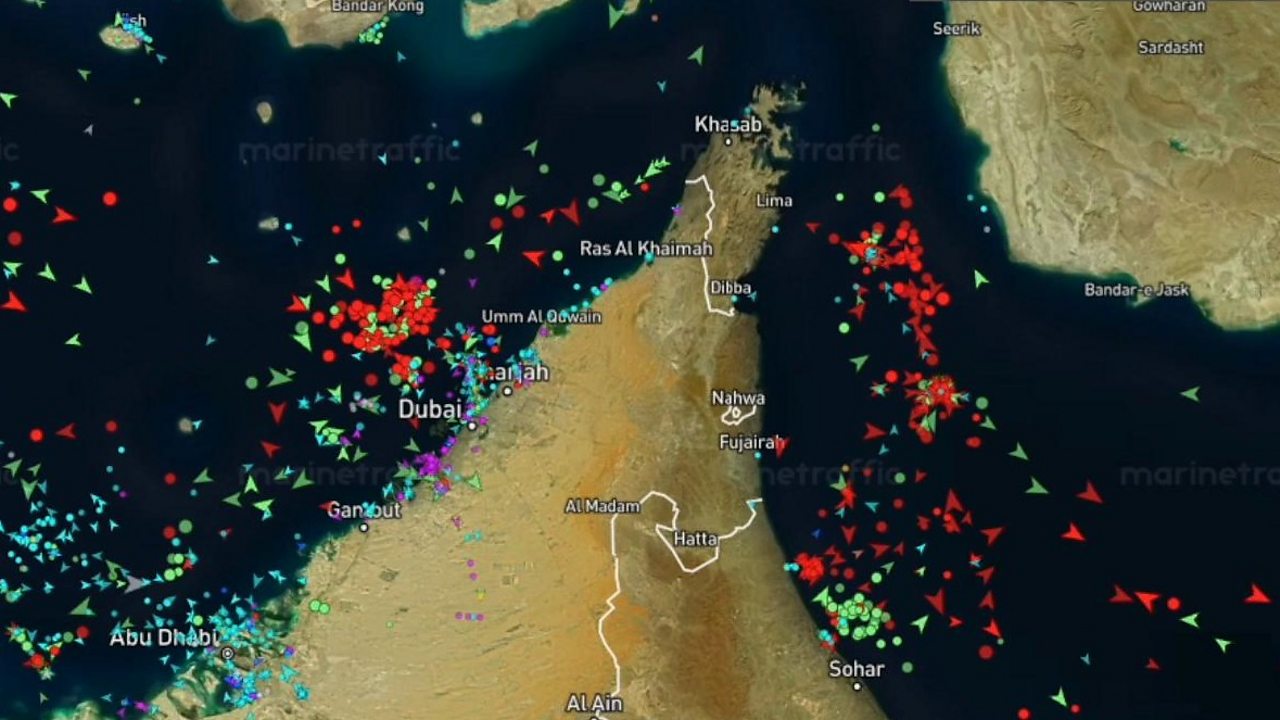
Exports remained largely halted, as tensions kept market participants sidelined. Security concerns in the Strait of Hormuz disrupted operations. Many vessels waited at anchorage for de-escalation, while only limited cargoes were loaded at BND. Most suppliers withheld offers. Production declined as producers avoided VB purchases amid weak demand. Activity also slowed due to Nowruz. Trade resumption timing remains unclear.
Iraq
Traders remained inactive, with no cargo movements via Bandar Abbas due to unattractive production economics amid crude and fuel oil volatility. Ongoing Strait of Hormuz attacks disrupted shipping, while security risks in northern Iraq further impacted production and operations.