Brazil Bitumen Imports Surge in 2026 as Infrastructure Demand and Election Spending Reshape the Asphalt Market
Brazil’s bitumen market entered 2026 with stronger-than-expected import activity, signaling a major shift in the country’s asphalt supply chain and infrastructure outlook. Despite the traditionally weak first-quarter paving season, asphalt imports into Brazil increased sharply as distributors, contractors, and infrastructure suppliers prepared for higher road construction demand later in the year.
The rise in imports reflects growing expectations that government infrastructure spending, regional development projects, and election-driven public works programs will accelerate throughout 2026. Market participants across the global bitumen trade are now closely monitoring Brazil as one of the most important emerging asphalt demand centers in Latin America.

Brazil Asphalt Imports Rise Despite Seasonal Weakness
According to Brazilian trade statistics, close to 85,000 metric tons of bitumen and asphalt products entered the Brazilian market during the first quarter of 2026. Import volumes increased substantially compared with the same period in 2025 and also moved above the final quarter of last year.
The growth is particularly notable because the first quarter is historically one of the slowest periods for road paving activity in Brazil. Heavy seasonal rainfall across several regions limits construction operations, while the Carnaval holiday significantly reduces working days for contractors, logistics operators, and municipal infrastructure authorities.
Even under these weaker seasonal conditions, importers continued building inventories aggressively. This suggests that suppliers expect stronger procurement activity during the dry season, when highway rehabilitation, municipal paving, and infrastructure expansion projects typically accelerate.
Election-Year Infrastructure Spending Supports Bitumen Demand
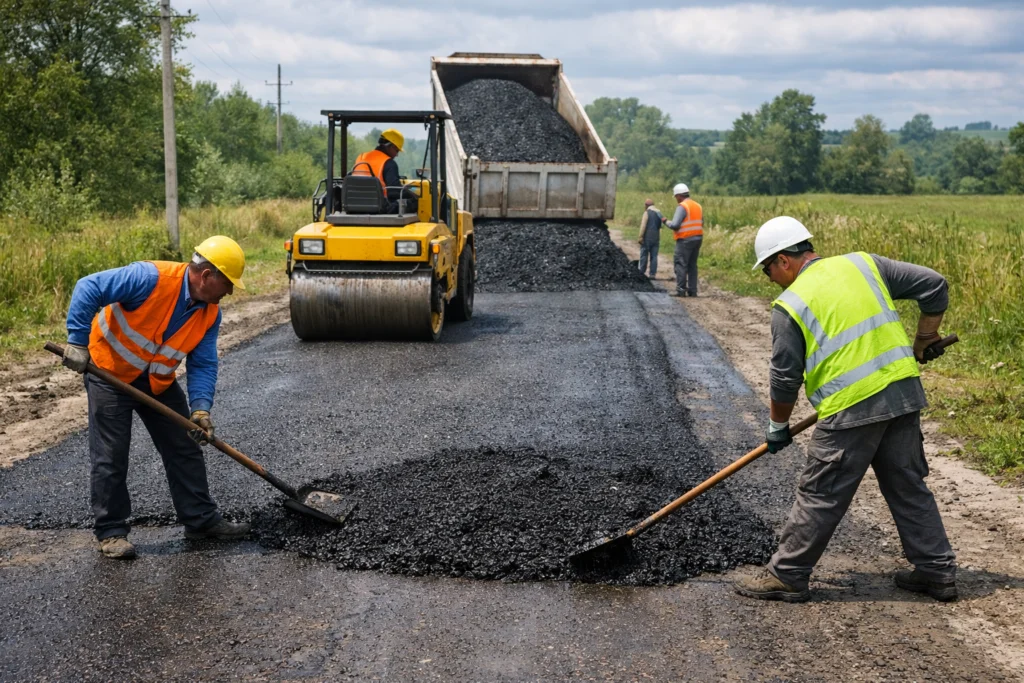
One of the largest drivers behind the improving market outlook is Brazil’s political and infrastructure spending cycle. Federal and regional elections scheduled for October 2026 are expected to increase public investment in transportation infrastructure and road maintenance programs.
Historically, election periods in Brazil have been associated with higher infrastructure budgets, faster tender approvals, and accelerated public works execution. Asphalt-intensive projects such as highway resurfacing, urban road rehabilitation, and regional logistics upgrades often receive priority because they deliver visible short-term economic and political impact.
Industry analysts believe these conditions could significantly strengthen domestic bitumen consumption during the second half of 2026. Contractors are already positioning for higher project activity, while traders are securing supply early to avoid possible tightening in availability later in the year.

Dry Season Triggers Recovery in Asphalt Consumption
Although total asphalt demand during the first quarter remained only slightly above 2025 levels, market activity improved sharply toward the end of the quarter.
March marked a clear turning point for Brazil’s paving sector. As weather conditions improved and rainfall declined in key regions, road construction activity resumed across multiple states. Asphalt sales increased rapidly, recording one of the strongest monthly performances seen in recent years.
The rebound confirmed that underlying infrastructure demand remains healthy despite broader economic uncertainties. Many suppliers now expect stronger consumption levels through the second and third quarters, particularly if government-funded paving projects continue expanding.

Brazil Expands Dependence on Imported Bitumen
Brazil’s growing reliance on imported asphalt cargoes has become increasingly important for international suppliers and shipping companies. Domestic refinery production has struggled to consistently satisfy peak paving demand during periods of strong infrastructure activity.
As a result, Brazilian importers are diversifying sourcing strategies and strengthening relationships with overseas bitumen exporters capable of offering competitive FOB and CFR pricing into Brazilian ports.
Freight optimization, terminal storage capacity, and supply-chain efficiency are becoming critical competitive factors in the Brazilian asphalt market. Volatility in oil prices and marine transportation costs has also encouraged buyers to secure material earlier than usual.
The country’s import growth is now influencing regional tanker movements, storage planning, and export strategies among suppliers targeting South America.
Highway Modernization Projects Drive Long-Term Asphalt Growth
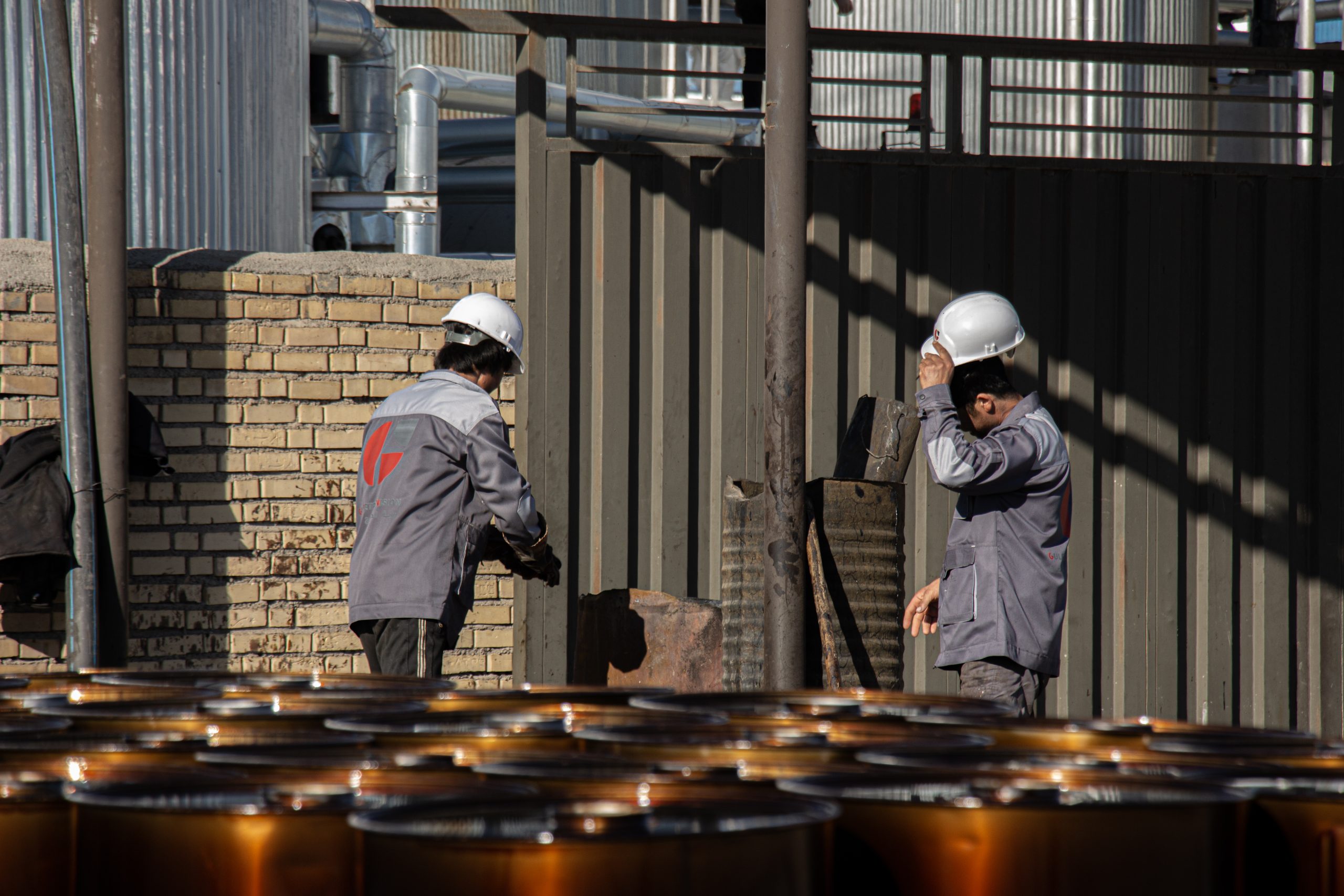
Brazil possesses one of the largest road transportation networks in the world, yet a significant portion of its infrastructure requires modernization, resurfacing, or rehabilitation.
Several long-term government initiatives aimed at upgrading highways, logistics corridors, and concession-based transport systems are expected to support structural growth in asphalt demand over the coming years.
Agricultural exports remain another important factor. Brazil’s expanding soybean, mining, and industrial freight sectors continue placing pressure on national transportation infrastructure. Increased truck movement across inland logistics corridors is accelerating pavement deterioration and creating additional maintenance requirements.
Private concession operators and state governments are therefore investing more heavily in highway upgrades and road maintenance programs, supporting continued bitumen consumption growth.
Freight Costs and Asphalt Logistics Become Strategic Priorities
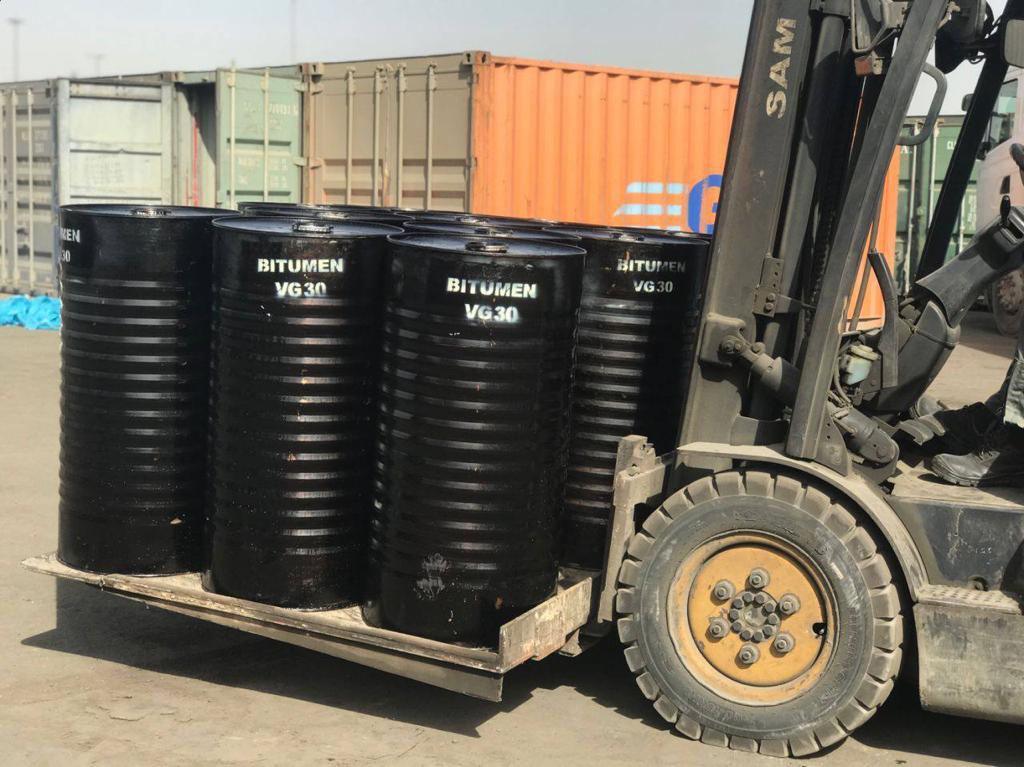
Logistics efficiency is becoming one of the most important competitive advantages within the global bitumen trade.
Suppliers and contractors are increasingly exploring technologies that reduce heating requirements during asphalt transportation and storage. Modified handling systems, additive technologies, and low-temperature logistics solutions are gaining attention because they can significantly lower operational expenses.
With marine freight markets remaining volatile and energy prices fluctuating globally, reducing transportation costs has become a major priority for both exporters and importers.
This trend is especially relevant for long-distance export destinations such as Brazil, where freight economics play a critical role in determining final landed costs.
Weather Risks Continue to Influence Procurement Strategies
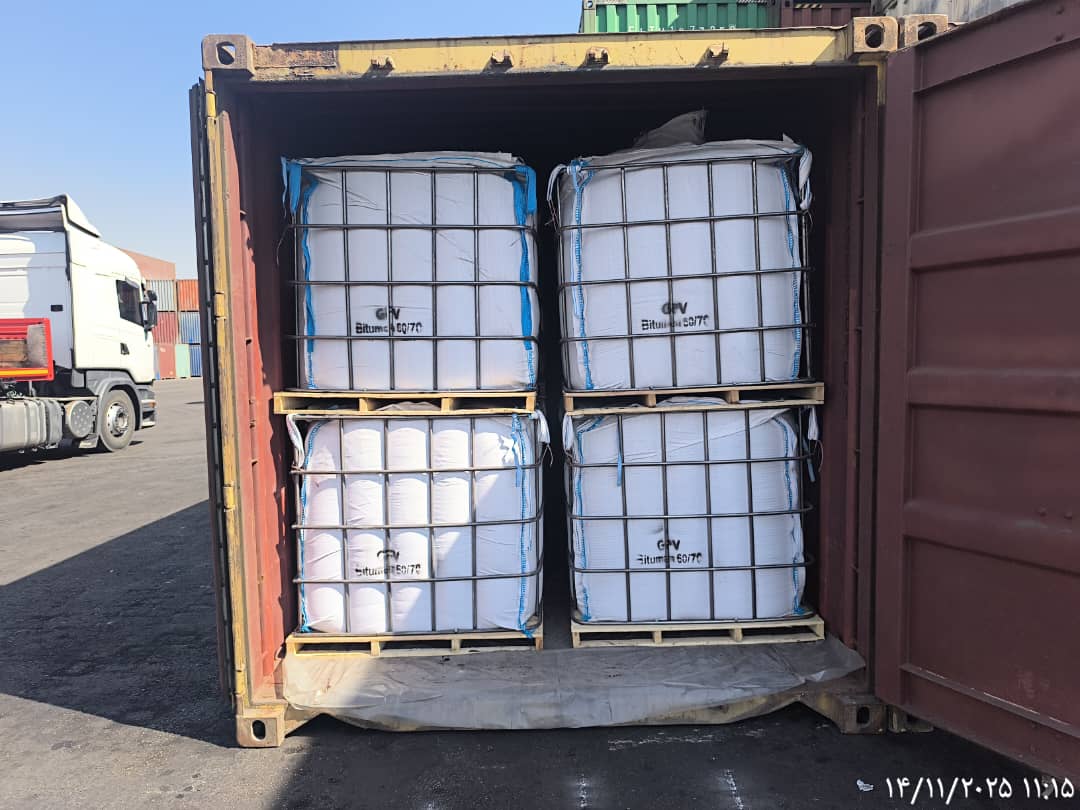
Climate conditions remain a major variable in Brazil’s asphalt market outlook. Heavy rainfall earlier in the year disrupted paving schedules across several regions and renewed concerns regarding pavement durability, drainage infrastructure, and construction timing.
Engineering firms and contractors are increasingly focusing on asphalt quality specifications, climate-resistant pavement solutions, and long-term maintenance performance.
These discussions intensified after several infrastructure deterioration incidents linked to weather exposure gained public attention during early 2026. As a result, procurement strategies are increasingly emphasizing product quality and technical performance rather than simply focusing on price competitiveness.
South American Trade Flows Continue to Shift
Regional dynamics across South America are also influencing Brazil’s asphalt market position.
Argentina’s weaker infrastructure spending environment has reduced regional demand growth, while Chile continues depending heavily on imported asphalt supplies for domestic paving projects. These shifts are changing tanker routes, supplier priorities, and competitive positioning among exporters serving Latin America.
Brazil is therefore emerging as one of the region’s most strategically important bitumen destinations due to its combination of infrastructure demand, population scale, logistics requirements, and government investment potential.
Outlook for Brazil’s Bitumen Market in 2026
The next two quarters will likely determine whether Brazil’s strong first-quarter import performance evolves into a sustained demand cycle.
Several factors will influence the market direction, including:
- Election-related infrastructure spending
- Crude oil price volatility
- Marine freight costs
- Refinery supply conditions
- Currency fluctuations
- Government budget execution
- Seasonal paving activity
If infrastructure investments continue accelerating, Brazil could become one of the largest asphalt import markets in the Western Hemisphere during 2026.
For global bitumen exporters, shipping companies, refinery operators, and infrastructure investors, Brazil is no longer viewed as simply a seasonal paving market. Instead, it is increasingly becoming a strategic logistics and infrastructure hub where supply-chain flexibility, freight competitiveness, and reliable bitumen availability will define long-term market success.