Cold Mix Bitumen: A Comprehensive Guide to Benefits, Uses, and Limitations
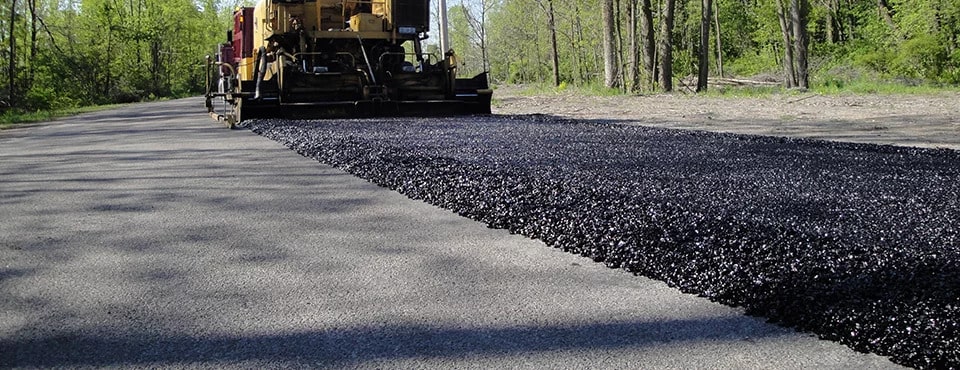
Maintaining road infrastructure is a continuous challenge for governments, contractors, and municipalities worldwide. Roads are constantly exposed to traffic loads, temperature fluctuations, and environmental stress, all of which contribute to surface deterioration over time. In response to these challenges, cold mix bitumen has become a widely adopted solution for efficient and flexible road maintenance. Unlike traditional hot asphalt, which requires high temperatures and specialized equipment, cold mix bitumen offers a simpler, faster, and more adaptable alternative for a wide range of repair applications.
What Is Cold Mix Bitumen?
Cold mix bitumen is a type of asphalt mixture that can be applied at ambient temperatures without the need for heating. It is typically produced by blending bitumen with aggregates and, in some cases, additives that enhance performance, workability, and adhesion. Because it does not require heating, it can be prepared in advance, stored for long periods, and transported easily to different locations.
This ready-to-use characteristic makes cold mix bitumen particularly valuable for maintenance teams that need to respond quickly to road damage. Whether addressing potholes, cracks, or surface wear, the material can be applied directly from storage, reducing preparation time and operational complexity. Its flexibility also allows it to be used in areas where access to hot mix plants is limited or where immediate repairs are necessary.
Advantages of Cold Mix Bitumen
Cost Efficiency
One of the most significant advantages of cold mix bitumen is its cost-effectiveness. Since it does not require heating, there is no need for expensive fuel consumption or specialized heating equipment. This results in lower production and application costs. Additionally, labor requirements are reduced, as the process is simpler and less time-intensive compared to hot mix asphalt.
Another factor contributing to cost savings is its long shelf life. Contractors can store unused material for future use instead of discarding it, minimizing waste and improving overall project efficiency. For municipalities managing tight budgets, this makes cold mix bitumen an attractive option for ongoing maintenance work.
Quick and Easy Application
Cold mix bitumen is designed for convenience. It can be applied immediately without waiting for heating or complex preparation. This allows maintenance crews to carry out repairs quickly, reducing road closure times and minimizing disruptions to traffic flow.
The simplicity of application also means that fewer workers and less equipment are required. In many cases, repairs can be completed using basic tools, making it ideal for emergency situations where speed is critical. This efficiency is particularly valuable in urban areas, where traffic congestion can quickly become a major issue.
All-Weather Usability
Unlike hot mix asphalt, which requires specific temperature conditions for application, cold mix bitumen can be used in a wide range of weather conditions. It performs well in cold temperatures and can even be applied during light rain, making it a reliable solution for year-round maintenance.
This adaptability ensures that repair schedules are not delayed by unfavorable weather. In regions with unpredictable climates, cold mix bitumen provides a practical way to maintain road quality without waiting for ideal conditions.
Effective for Pothole Repairs
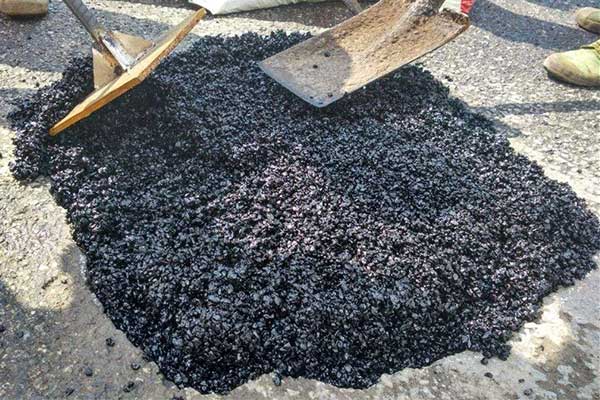
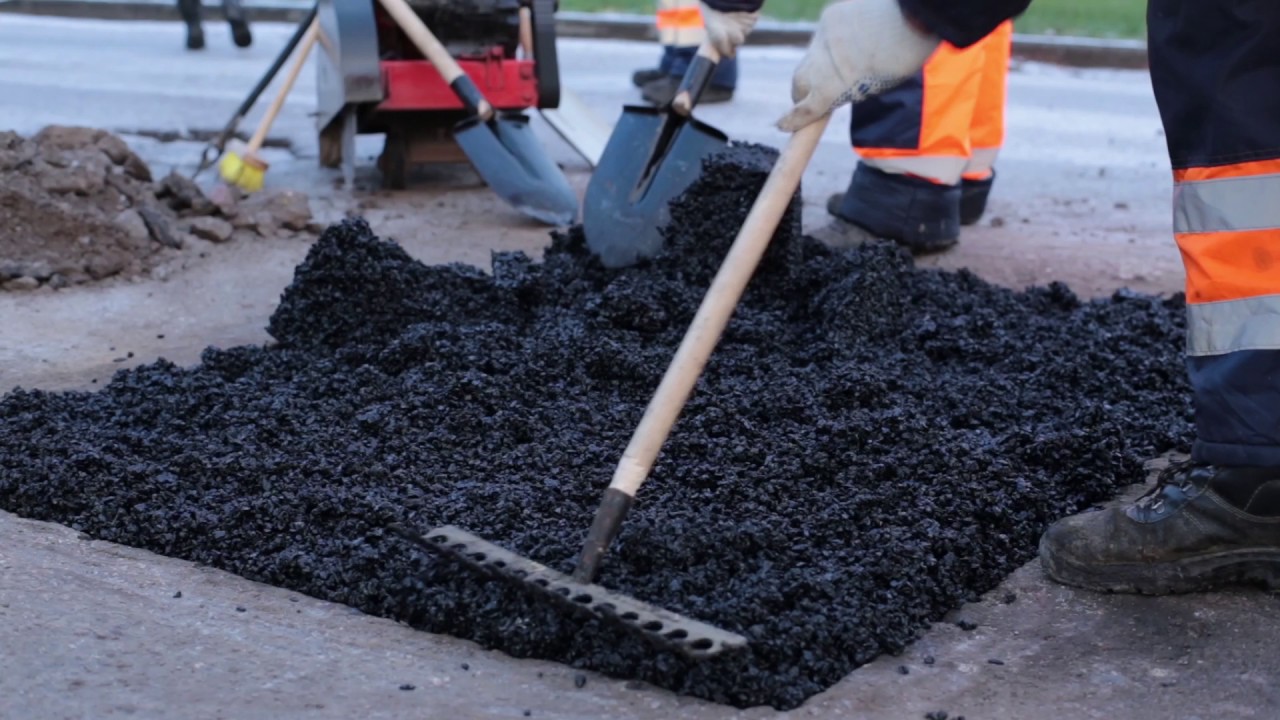
Cold mix bitumen is especially well-suited for pothole patching. Its adhesive properties allow it to bond effectively with existing pavement, filling voids and restoring surface integrity. Once applied, it creates a stable and smooth surface that can withstand traffic until a more permanent repair is carried out.
By preventing water infiltration and further damage, cold mix bitumen helps extend the lifespan of the road. This makes it an essential tool for preventive maintenance and quick fixes.
Flexible Storage and Transport
Another key advantage is its ease of storage and transportation. Cold mix bitumen can be packaged in bags, drums, or bulk containers and stored for extended periods without losing its usability. This makes it ideal for contractors who need to keep materials on hand for immediate repairs.
Its portability also allows it to be used in remote or hard-to-reach locations where transporting hot mix asphalt would be impractical. This flexibility expands its range of applications across different types of projects.
Limitations of Cold Mix Bitumen
Despite its many benefits, cold mix bitumen is not without limitations. Understanding these drawbacks is essential for selecting the right material for each project.
Lower Structural Strength
Compared to hot mix asphalt, cold mix bitumen has lower load-bearing capacity. This makes it less suitable for high-traffic roads, highways, or areas subjected to heavy loads over extended periods. In such cases, hot mix asphalt remains the preferred choice for long-term durability.
Temporary Nature
Cold mix bitumen is often considered a temporary or semi-permanent solution. While it provides immediate relief from road damage, it may not deliver the same long-lasting performance as hot asphalt. Regular maintenance may be required to maintain road quality.
Longer Curing Time
Although cold mix bitumen can be applied instantly, it takes time to fully cure and achieve maximum strength. During this period, the material may be more susceptible to displacement under heavy traffic. Proper compaction and application techniques are essential to ensure optimal performance.
Sensitivity to Environmental Conditions
While it can be applied in various weather conditions, extreme environments—such as heavy rainfall or excessive heat—can affect its performance. Proper storage and handling are necessary to maintain its quality and effectiveness.

Applications of Cold Mix Bitumen
Cold mix bitumen is widely used in a variety of road maintenance and construction scenarios. Its versatility makes it suitable for both small-scale and medium-scale projects.
- Pothole repairs
- Crack sealing
- Driveways and parking areas
- Temporary fixes in construction zones
- Rural road maintenance
It can also be used as a base layer before final paving or in specialized asphalt formulations, depending on project requirements.
Factors Influencing Cold Mix Bitumen Price
The cost of cold mix bitumen depends on several important factors:
- Raw material costs, especially bitumen and aggregates
- Transportation and logistics expenses
- Production scale and manufacturing efficiency
- Seasonal demand and market conditions
- Product quality and formulation type
Understanding these variables helps buyers make informed and cost-effective decisions.
Cold Mix Bitumen Supply from GULF PETRO VISION
GULF PETRO VISION is an international supplier of petrochemical and petroleum products with a strong presence across global markets. The company provides a wide range of bitumen solutions, including penetration grades, oxidized bitumen, emulsions, and cold mix products.
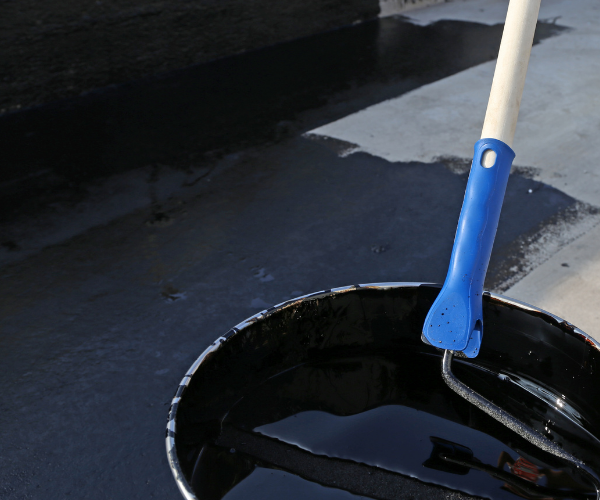
Their cold mix bitumen offerings are designed for efficient and reliable road maintenance. These include cationic medium-setting emulsions and ready-to-use cold asphalt mixes suitable for a variety of repair applications. The products are known for their ease of handling, safety, and cost-effectiveness.
GULF PETRO VISION supports clients with flexible packaging options and worldwide shipping capabilities. The company focuses on maintaining consistent quality while offering competitive pricing and technical support for bulk orders and infrastructure projects.
Conclusion
Cold mix bitumen has become an essential material in modern road maintenance strategies. Its convenience, affordability, and adaptability make it highly effective for quick repairs and emergency applications. While it may not replace hot mix asphalt in heavy-duty infrastructure, it provides a practical and reliable solution for many everyday maintenance needs.
By understanding its strengths and limitations, contractors and decision-makers can use cold mix bitumen more effectively to extend road life and improve overall performance. As infrastructure demands continue to grow, this versatile material will remain a key component in efficient road management.