Chinese Crude Imports Hit Lowest Levels Since 2022
Chinese refiners have made a significant cut in their crude runs, bringing them down to levels unseen since 2022.
In April, crude throughput at Chinese refineries fell by 5.8% from the previous year, averaging approximately 13.3 million barrels per day.
This figure marks the lowest oil throughput since August 2022, a time when stringent Covid-19 lockdowns were still in place.
According to data from China’s National Bureau of Statistics, the average refinery utilization rate fell to 63.59%.
This is a decrease of 4.7 percentage points compared to last year and 5.13 points from March.
Factors Behind the Decline
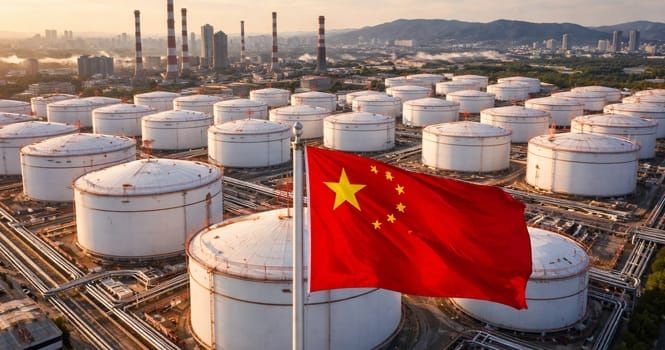
Rising oil prices and new export restrictions have significantly influenced China’s refinery operations in recent months.
Analysts indicate that the surge in oil prices has led to demand destruction.
This situation has resulted in refiners not drawing down their substantial crude inventories.
Interestingly, both gasoline and diesel stocks have seen a rise during this period, contrary to expectations.
To further streamline operations, some refiners have elected to push forward their maintenance schedules.
Historic Low Import Levels
China’s crude oil imports have plummeted to their lowest point since 2022.
In April, these imports fell by 20%, equivalent to a reduction of 2.4 million barrels per day.
The overall import volume stood at 9.25 million barrels per day last month, the smallest since July 2022.
This decline in crude imports signals a notable shift in China’s buying behavior.
Many refiners with diminished stockpiles have reduced their run rates.

Market Implications and Behavior
Some state-owned oil companies in China have started reselling crude for May loadings.
This unusual move underscores the challenges faced by major refiners as they adjust to soaring oil prices.
Their cutback in refinery rates comes amid constraints on crude supply from the Middle East.
Vortexa’s Chief Economist, David Wech, referred to the drastic drop in crude imports as part of the “Chinese miracle.”
This phenomenon has played a crucial role in the global oil market’s attempt to rebalance during a severe supply crisis.
Preparing for Summer Demands
As mainland China navigates its crude import reductions, refiners are also preparing for a peak summer season.
Scheduled and unscheduled maintenance activities are ramping up as they brace for increased demand.
The blend of high oil prices, reduced imports, and strategic maintenance could reshape the market landscape.
This scenario presents a “race against time,” as warned by Morgan Stanley, especially with concerns about the Strait of Hormuz reopening soon.
Readers seeking deeper insights can contact Gulf Petro Vision for industry guidance on navigating these changes.
Conclusion
The current state of Chinese crude imports reflects broader trends in the global oil market.
With significant cuts to refinery runs and declining import levels, the landscape is shifting.
How China aligns its buying decisions and refinery operations will be pivotal in the coming months.
Understanding these dynamics will be crucial for industry stakeholders who want to stay ahead of the curve in this challenging environment.