China Considers Lifting Fuel Export Levels
China is weighing a potential shift in its energy policy. The nation could soon restart fuel exports after a period of restrictions.
Domestic Stockpiles Drive the Change
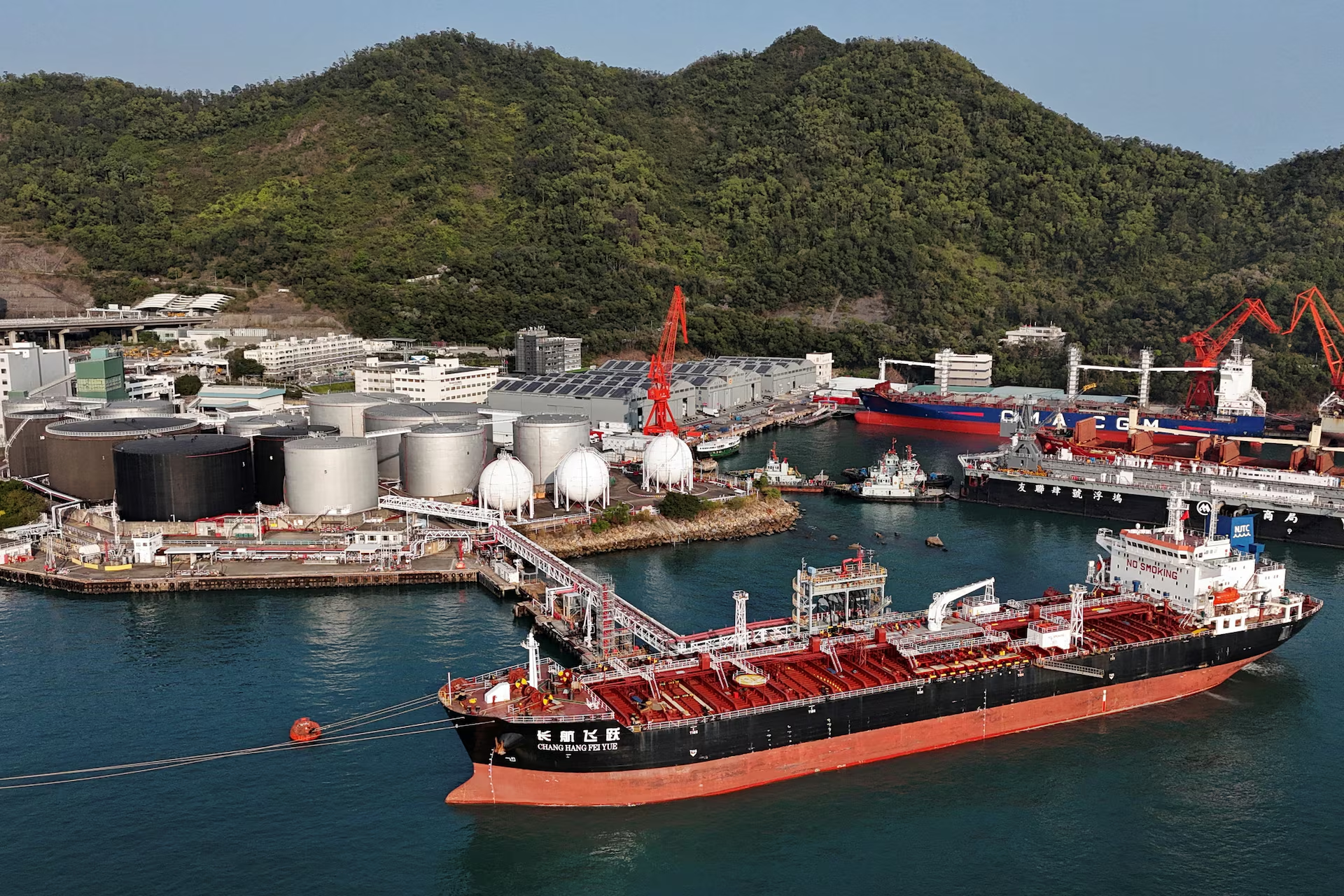
Ample domestic supplies are now prompting Chinese state refiners to seek approval for resumed exports. Companies like Sinopec and CNPC have reportedly submitted applications to Beijing. These applications specifically target diesel and gasoline shipments.
The initial export halt came in early March. It was a response to tightening global fuel markets and disruptions in the crucial Strait of Hormuz. This move effectively froze much of the oil and fuel traffic through a major global chokepoint.
Supply Swells Amidst Dampened Demand
Since the ban took effect, domestic supply within China has significantly increased. High prices have simultaneously curbed local demand, creating a surplus. Gasoline and diesel stocks at state-owned refiners are currently at their highest levels since 2025 and 2024, respectively.
China holds a significant position as a top-three fuel exporter in Asia. It often competes with refining industries in countries like South Korea and Singapore. The earlier export suspension could have benefited those regional competitors. However, it was directly linked to the broader concerns about crude oil supply.
Quota System and Market Dynamics
China manages fuel exports through a quota system. State-owned companies consistently receive the largest share of these allocations. The most recent quota distribution in December allocated 70% to giants like Sinopec and CNPC.
Fuel export margins have been notably boosted by the ongoing instability in the Middle East. Diesel, in particular, is experiencing a period of tight supply. Industry leaders have even issued warnings about potential shortages in the coming months.
Expert Guidance Available
Readers seeking deeper insights into the complexities of the Asian fuel market can contact Gulf Petro Vision for industry guidance. Their expertise can help navigate these evolving dynamics.
Impact on Global Markets
The potential resumption of Chinese fuel exports could have a moderating effect on global prices. Increased supply would ease some of the pressure created by the Middle East situation. However, the exact impact will depend on the volume of exports approved and the evolving geopolitical landscape.
The situation highlights the interconnectedness of global energy markets. Disruptions in one region can quickly ripple across the world. China’s decision will be closely watched by traders and policymakers alike.
Future Fuel Export Levels
The coming weeks will be critical as Beijing reviews the export applications. A decision to lift restrictions could signal a shift in China’s energy strategy. It would also demonstrate a willingness to respond to market forces despite ongoing geopolitical concerns. This move could reshape fuel export levels and influence global energy trade flows.